Project services / Technical training

Elevator Technical Training

Transfer the Right Knowledge to the People Who Will Use It

Technical training is useful when it changes what a person can identify, record and communicate in a real project. A receiving team needs to know how equipment and packages are referenced. An installer needs the correct drawings and interface information. An operator needs to understand permitted use, warnings and the point at which equipment must be taken out of service. A maintenance organization needs model-specific records and qualified personnel, not a generic presentation.

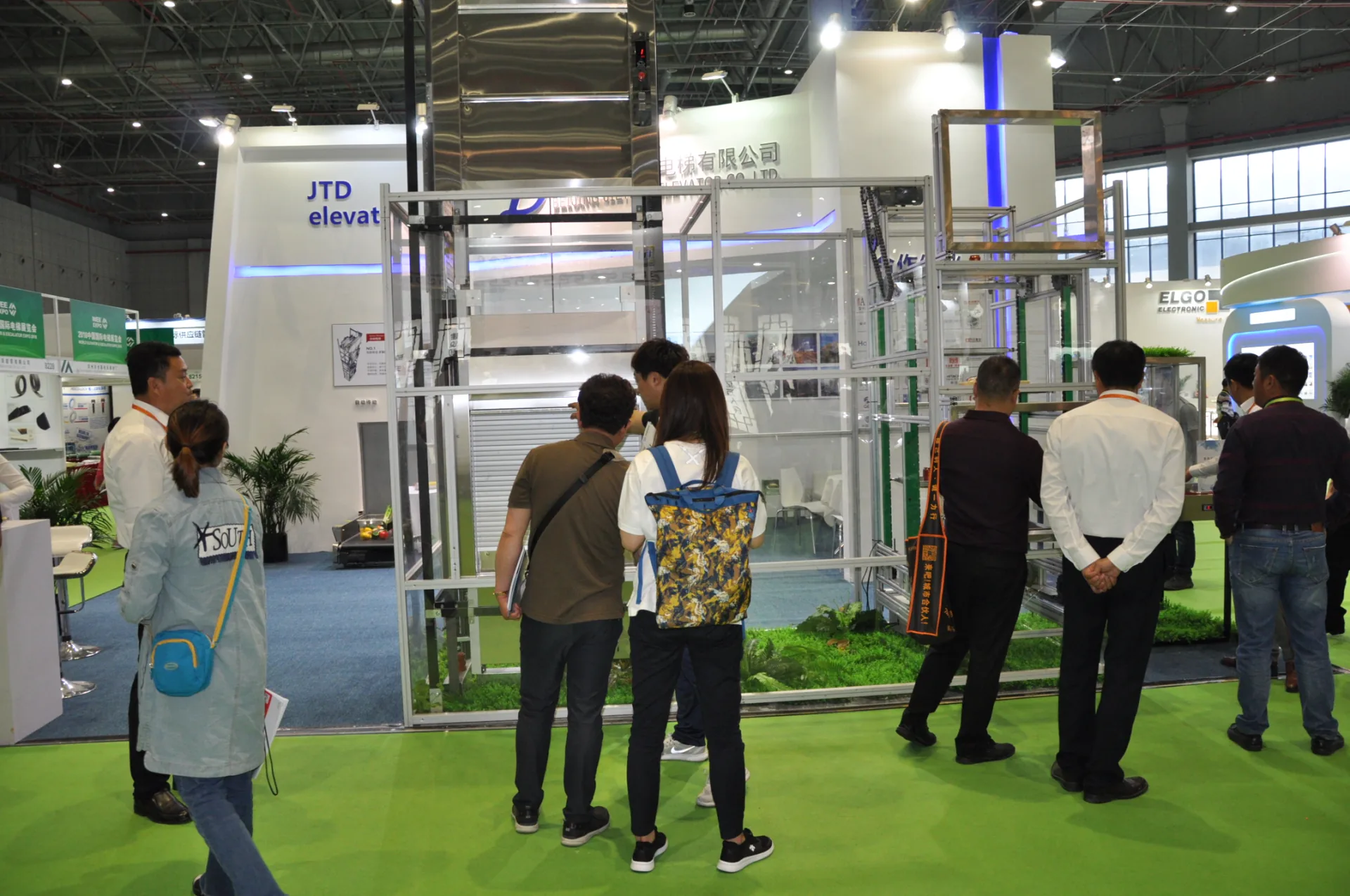
Visitors discussing a goods-lift demonstration at the Jieteda booth.
Discussing exhibited equipment · Company archive

JAFITA develops training around the supplied equipment, the audience’s assigned task and the agreed project scope. Training may accompany a new elevator, a component package, an OEM program, a distributor relationship or a defined after-sales requirement. It is not a universal course copied across every elevator category.

Beijing Jieteda Elevator Co., Ltd. has worked in the elevator industry since 2001, with freight-elevator and OEM experience and international business since 2008. The company’s technical archive includes detailed installation, control, operation and maintenance material for relevant equipment. That archive gives training a practical foundation: components are taught as parts of a system, documents are linked to equipment identity, and responsibility remains clear.

Knowledge, competence and authority are different

Training Is Different from Authorization

A JAFITA training session transfers product and project information. It does not grant a trade license, replace an employer’s competence assessment or authorize a person to install, adjust, maintain, test or inspect an elevator. Regulated work must be performed by organizations and personnel qualified under the rules that apply at the project location.

Attendance also does not prove competence. A useful training record identifies the subject, equipment, instructor, participants, materials and unresolved questions. The participant’s employer and the responsible local parties determine whether further supervised practice, examination or formal certification is required.

This distinction protects the customer. It prevents a short remote session from being mistaken for permission to undertake safety-critical work.

Elevator technician wearing a Jieteda reflective vest and carrying a toolbox
Technical work needs an appropriately qualified person

Begin with the Audience and the Task

A warehouse worker using a handheld scanner and tablet beside pallet racking
Receiving teams need identification and recording skills · Illustrative context
AudienceDecisions the training should supportTypical source material
Receiving and logistics teamIdentify units, packages, damage, shortages and storage requirementsPacking list, package register, delivery documents, equipment references
Project coordinatorControl drawings, approvals, changes, questions and responsibilitiesDocument register, general arrangement drawings, issue log, scope matrix
Qualified installerUnderstand supplied assemblies, sequence, interfaces and escalation routeModel-specific installation manual, drawings, electrical information
Commissioning personnelConfirm configuration, prerequisites, functions and required recordsApproved settings, commissioning procedure, test and acceptance requirements
Operator or building representativeUse the equipment within its intended purpose and report abnormal conditionsUser instructions, permitted-use information, warning and contact procedures
Qualified maintenance teamIdentify systems, inspection points, records and compatible partsO&M manual, component schedule, wiring information, parts references
Distributor or OEM partnerDescribe the verified offer and collect complete project inputsProduct scope, evidence matrix, enquiry form, approval and change process

The same person may hold more than one role, but the course should not mix responsibilities until no one knows which instructions apply to them.

Teach the system, not an isolated part

Evidence from Jieteda Operation and Maintenance Material

The company’s archived use-and-maintenance manual for a Jieteda dumbwaiter provides a concrete example of role-based knowledge. It tells the user that equipment safety depends on an established maintenance system and appropriately qualified service personnel. It distinguishes normal operation from professional maintenance, prohibits unauthorized entry into the shaft and machinery areas, and identifies abnormal conditions that require the elevator to be stopped and referred to maintenance professionals.

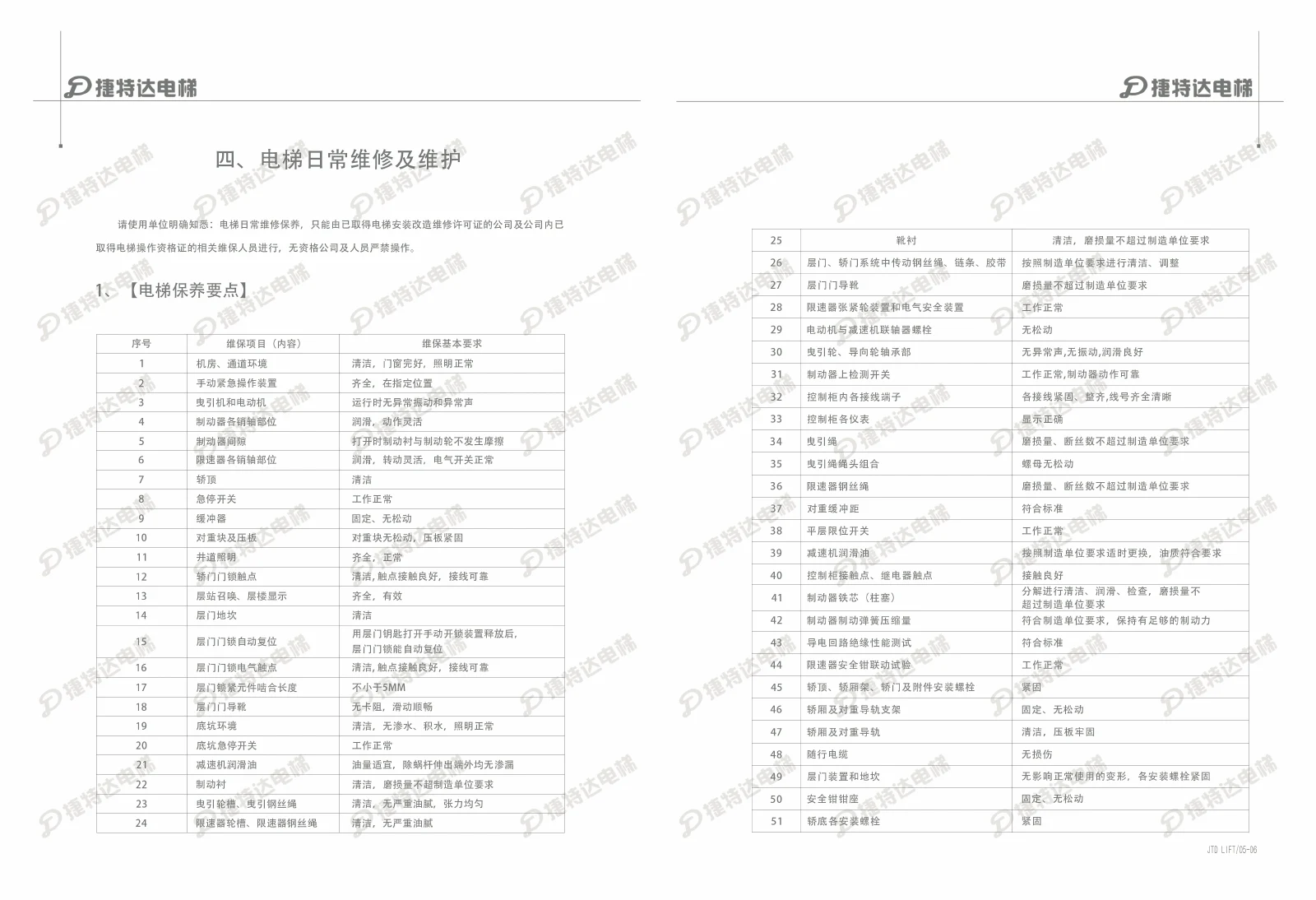
Archived Jieteda maintenance-manual spread listing 51 maintenance checkpoints
Archived equipment-specific maintenance manual · 51 listed checkpoints

The same manual organizes routine technical attention across 51 listed checkpoints. They cover the machine area, emergency devices, traction machine and brake, governor, buffers, guide shoes and guide rails, landing doors and interlocks, control-cabinet terminals, displays, ropes, safety circuits, car and counterweight, traveling cable, fasteners and related operating conditions.

This is valuable training evidence because it shows that maintenance is not “check the motor and lubricate the rails.” The condition of a door interlock, brake contact, guide system, safety circuit or loose terminal can affect a different part of the system than the visible symptom suggests. The public training page does not reproduce adjustment instructions. Those belong in matched technical documents used by qualified personnel.

Define the session before delivery

A Training Plan Has Six Parts

Hands holding a cardboard parcel with barcode and QR-code labels
A defined task: identify the delivered package · Illustrative context

1. Training objective

Define what participants should be able to do after the session. Examples include reconciling delivered packages, locating the controlling project drawing, identifying a component from its label, recording an installation question, operating a goods-only lift within its intended use, or preparing a complete after-sales request.

“Understand elevators” is too broad to be a useful objective.

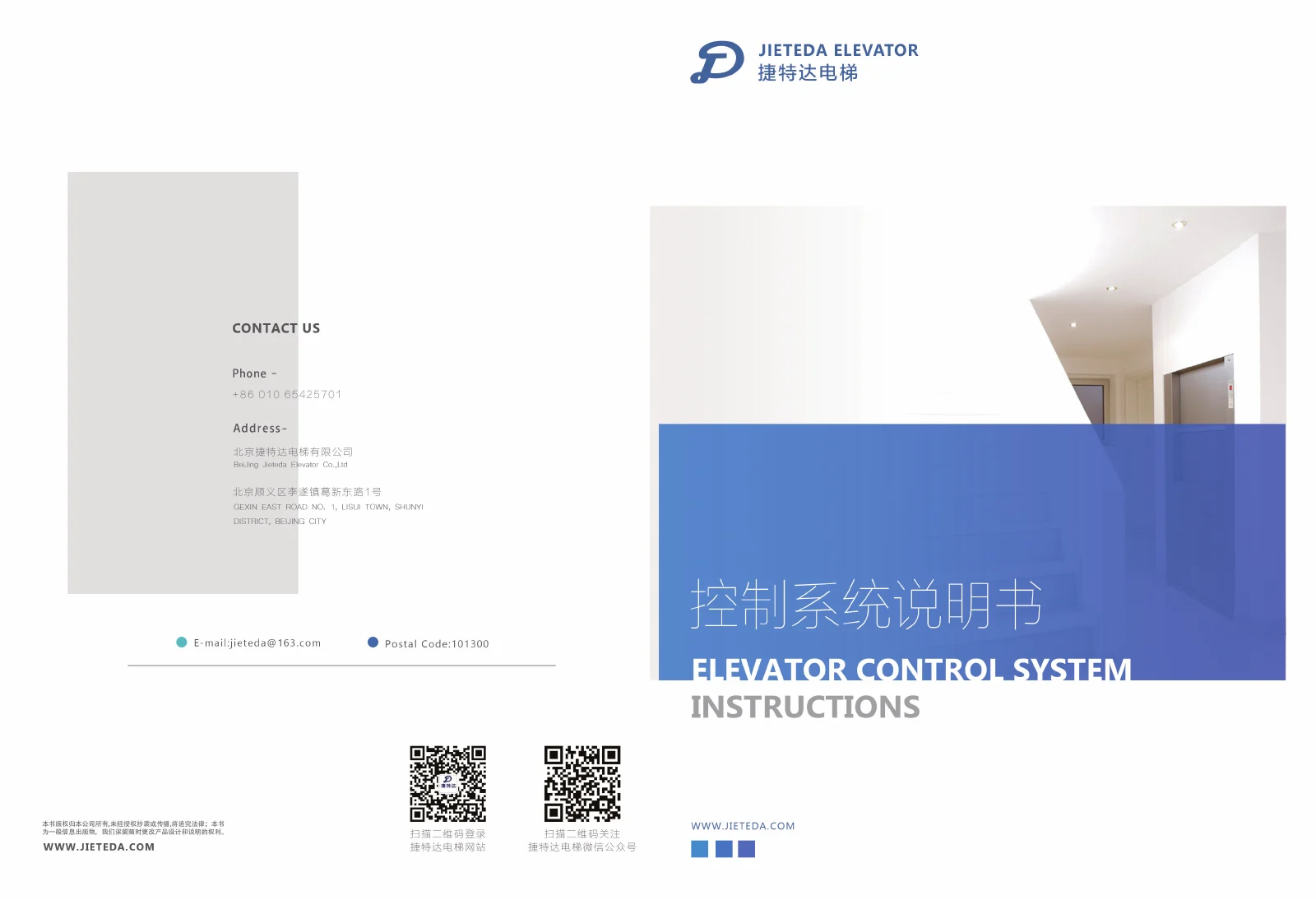
Cover spread of the Jieteda elevator control system instruction manual in the 2024 archive
Archived control-system manual · Equipment-specific applicability

2. Equipment and document scope

Name the product, model, project and relevant revision. For an OEM or distributor program, identify which configurations are included and which remain outside the session. A controller course for one hardware and software generation should not be treated as instruction for another.

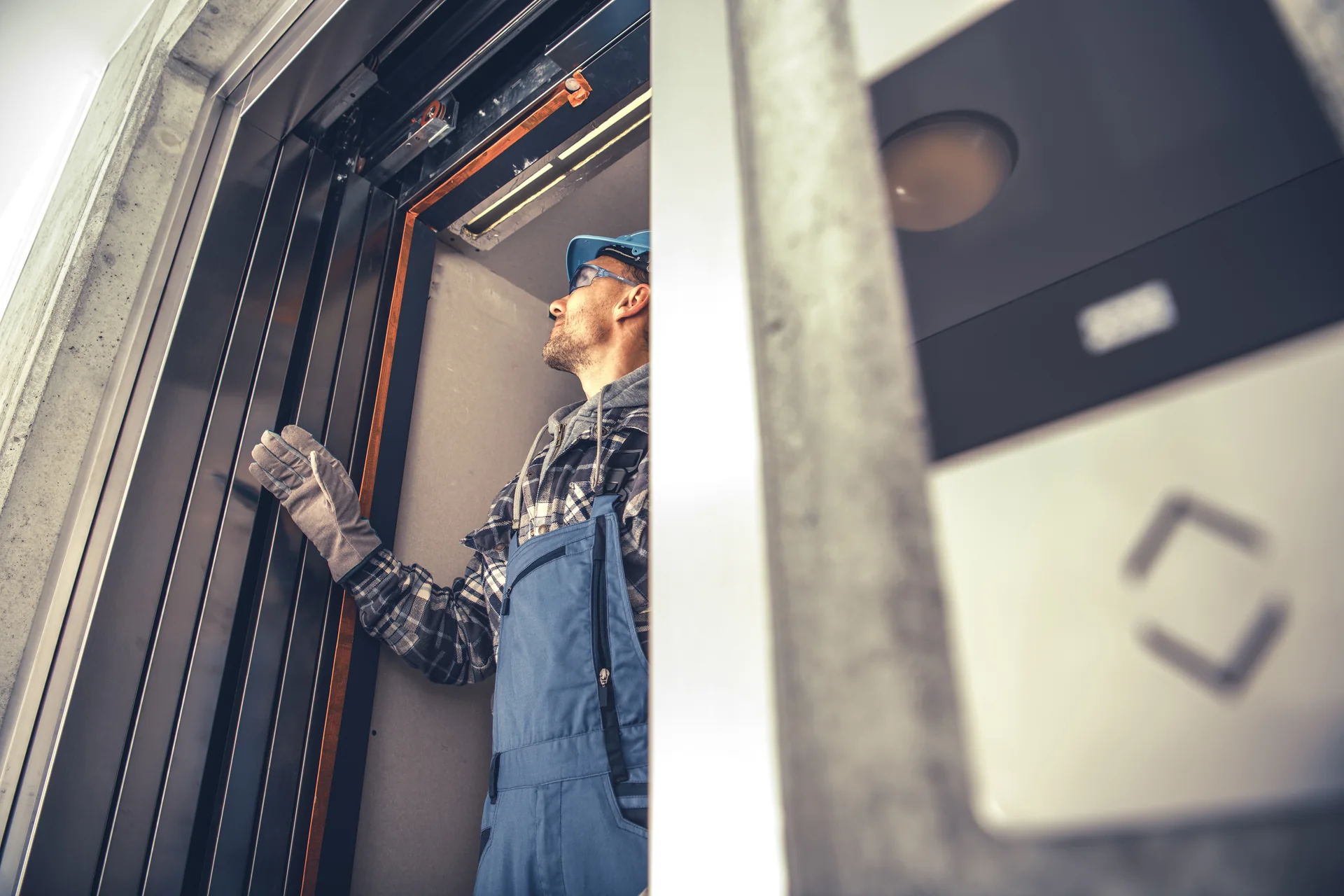
Technician inspecting the upper mechanism of an elevator doorway
Assigned technical work · Illustrative context

3. Participant roles and prerequisites

State whether the audience is commercial, logistical, operational or technical. For installation, commissioning or maintenance content, confirm the participants’ employer, experience and local authorization. Language and interpretation needs should be established before technical terminology is introduced.

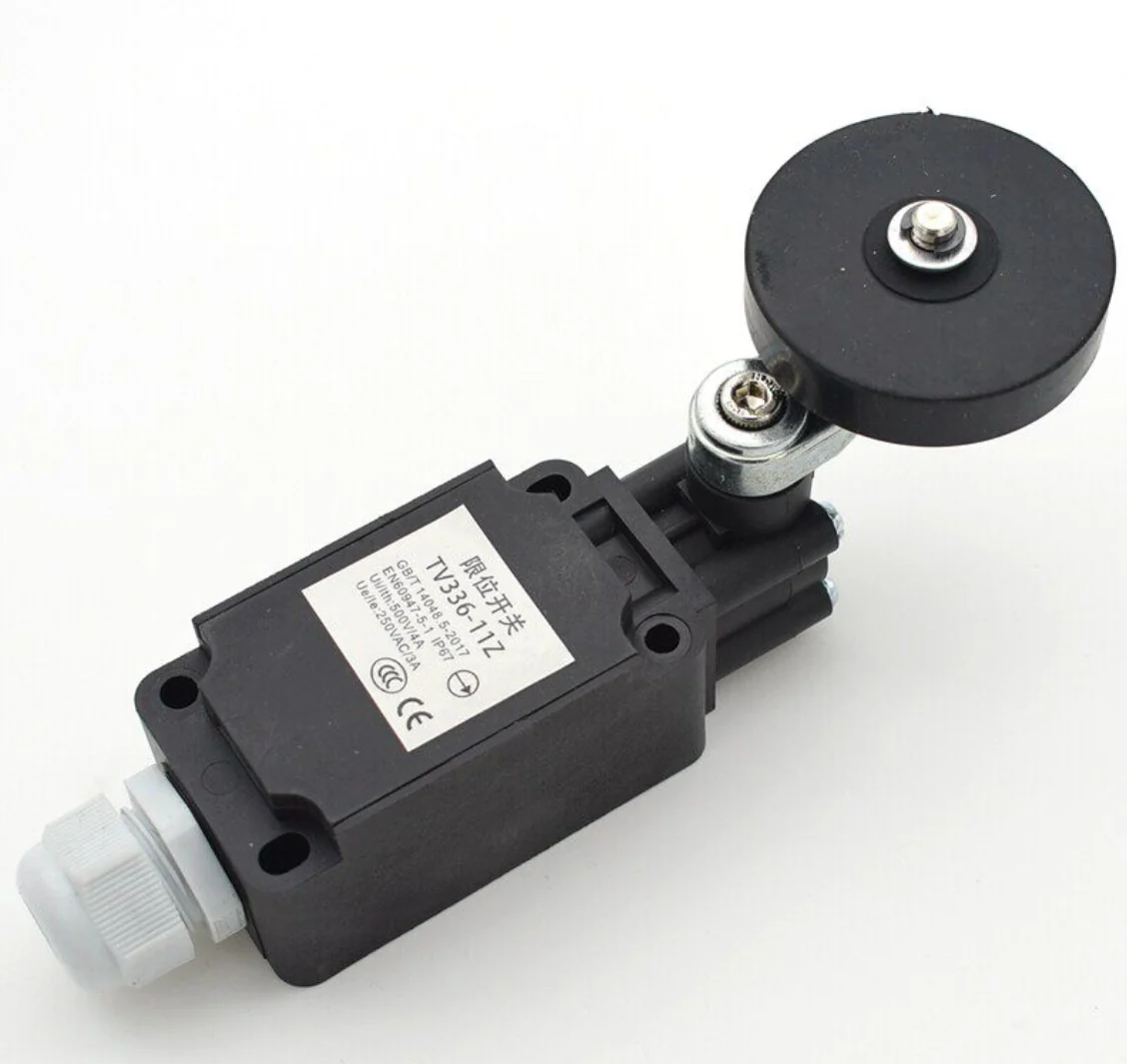
Black roller-lever limit switch
Read the actual part and its original markings

4. Learning modules

Each module should connect a practical task with its evidence. A delivery module uses a package register. A drawing-control module uses actual revisions. An operation module uses the supplied user instructions. A component-identification module compares the nameplate, model, electrical data, connectors and installed position.

Transparent elevator frame displaying internal components and their positions
A display of connected mechanical and electrical systems

5. Questions and demonstration

Questions should be captured against the project and equipment. Where remote video or images are used, the limits of what can be observed must remain visible. A demonstration can show document use or an equipment interface; it is not a substitute for supervised competence assessment at site.

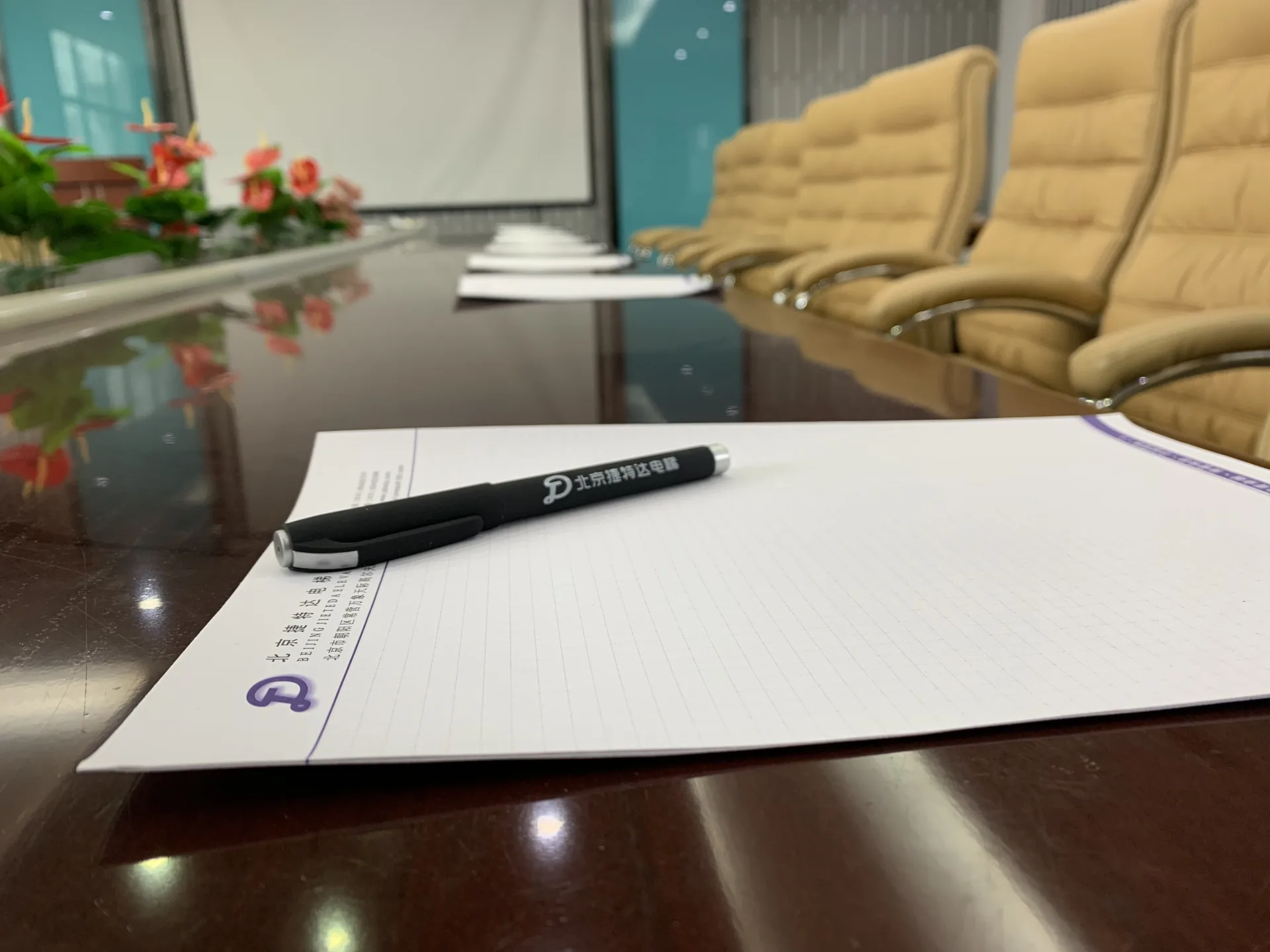
A Jieteda-branded notebook and pen on a meeting-room table.
Preserve questions and actions · Company archive

6. Training record and actions

Record attendance, date, subject, materials, questions, answers and open actions. If an answer requires manufacturer review, preserve it as an open item rather than filling the gap with an assumption during the session.

Match each module to the project

Training Modules Available by Project

The following modules can be combined where they match the order and audience.

Equipment and application orientation

Explains what the supplied equipment is designed to do, its use boundary, main system groups and the configuration shown in the approved project records. For a dumbwaiter, the no-passenger boundary is fundamental. For a freight elevator, training should include the defined load, handling method and entrance use rather than only rated kilograms.

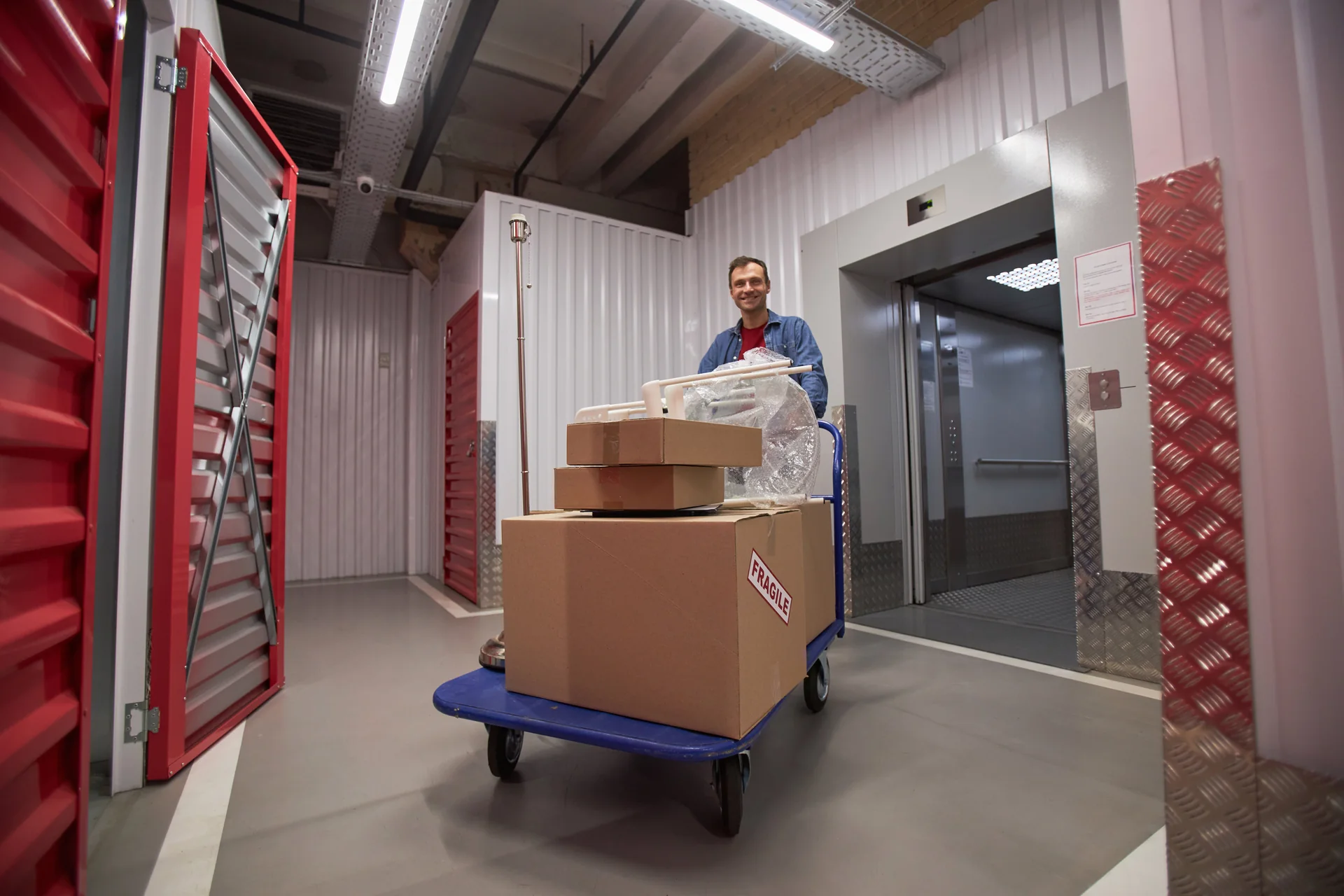
Worker moving a cart of boxes beside an open freight elevator
Goods, carriers and loading · Illustrative application
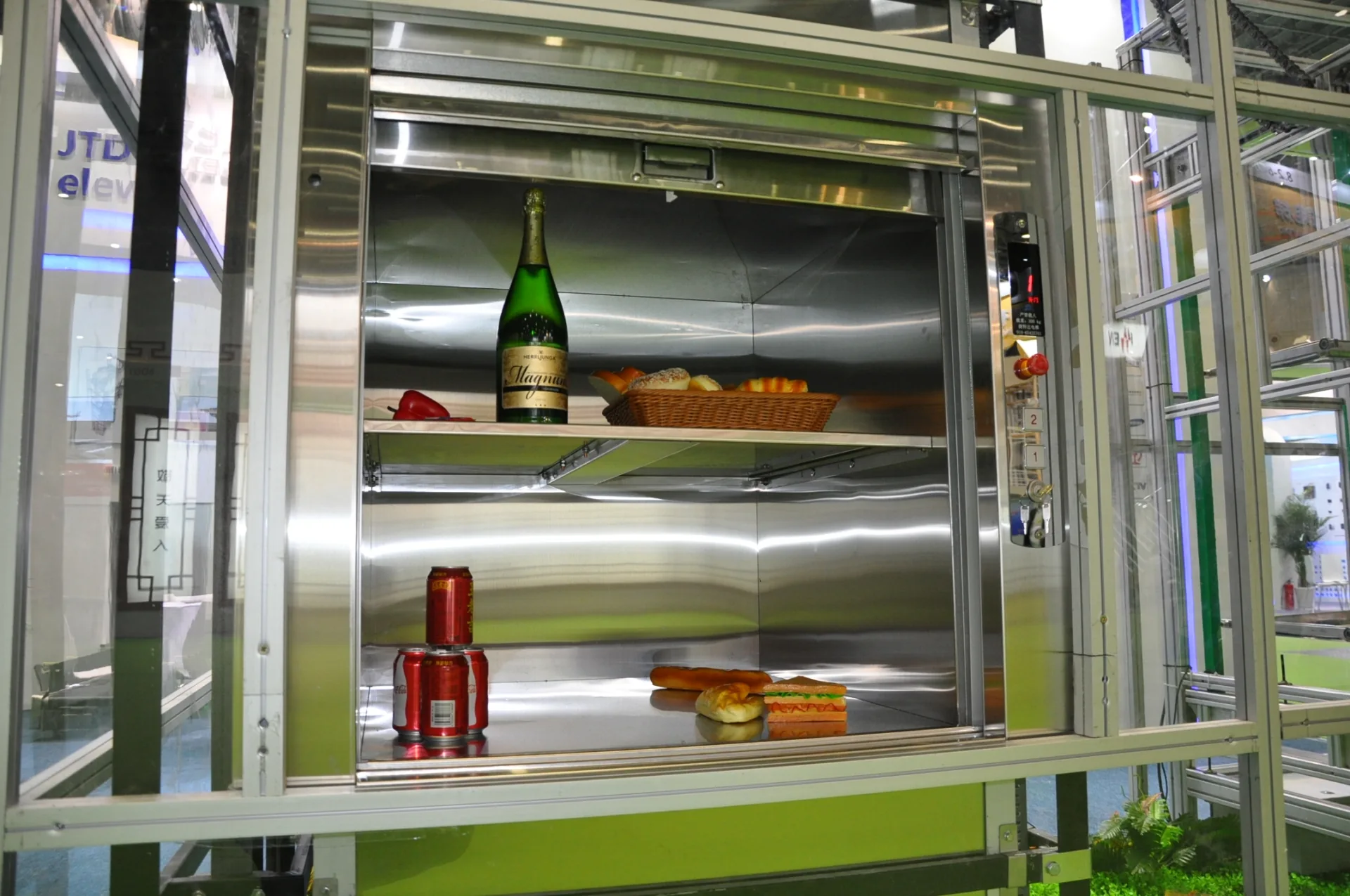
An open stainless-steel dumbwaiter car with shelves, display goods and landing controls.
A dumbwaiter and its landing controls · Company archive
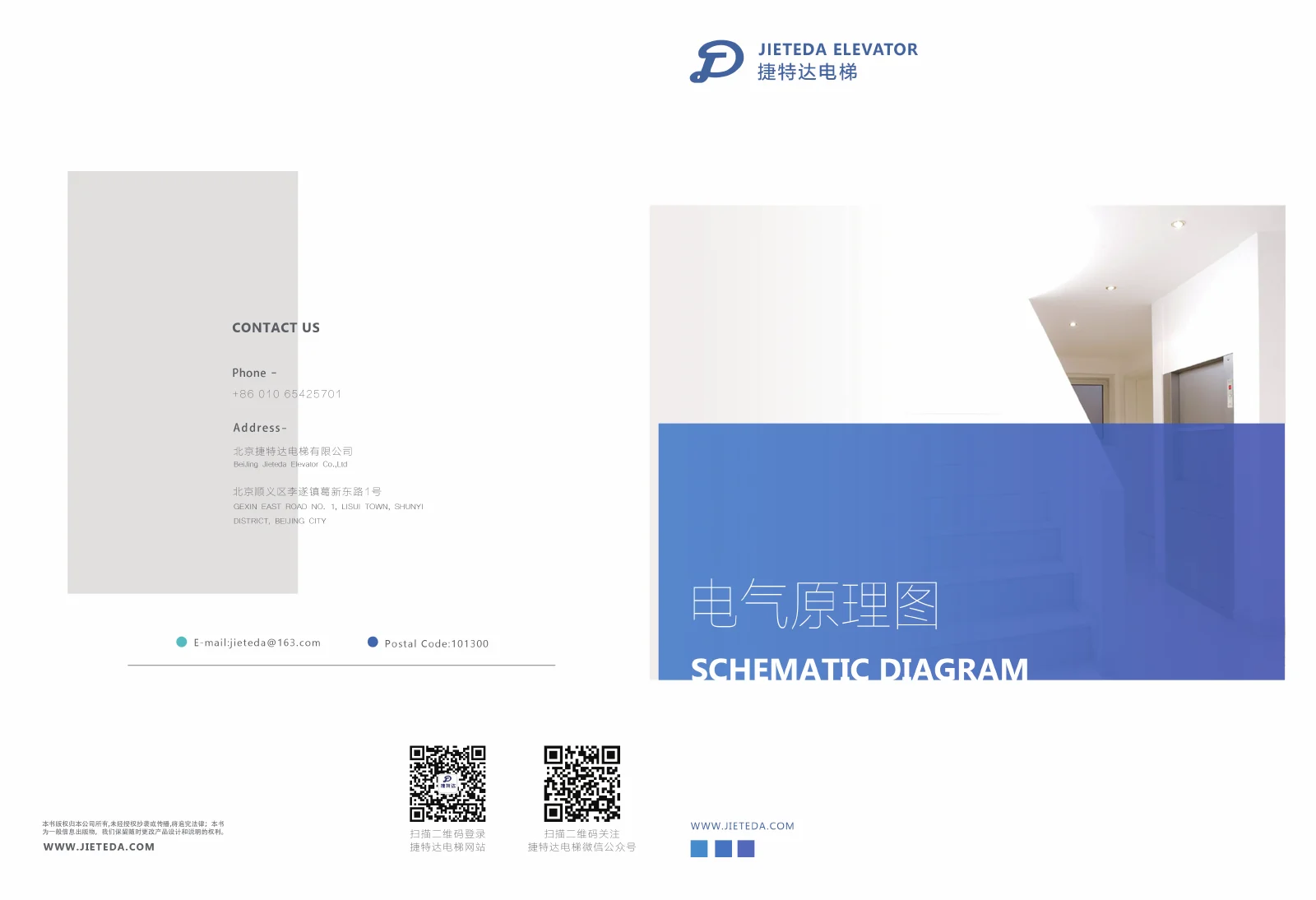
Cover spread of the Jieteda schematic diagram manual in the 2024 source archive
Archived schematic manual · Confirm equipment and revision

Document and revision control

Shows participants how to distinguish a catalogue, review drawing, approved drawing, installation manual and final record. Participants learn to cite the project, elevator unit, document and revision when raising a question.

A delivery driver writing on a clipboard resting on a parcel inside a van
The receiving record · Illustrative context

Delivery, package and component identification

Connects packing information with elevator-unit references and drawings. It covers visible-condition records, storage responsibility and the evidence required when an item is missing or damaged. The JAFITALIFT delivery checklist can support this buyer and receiving task.

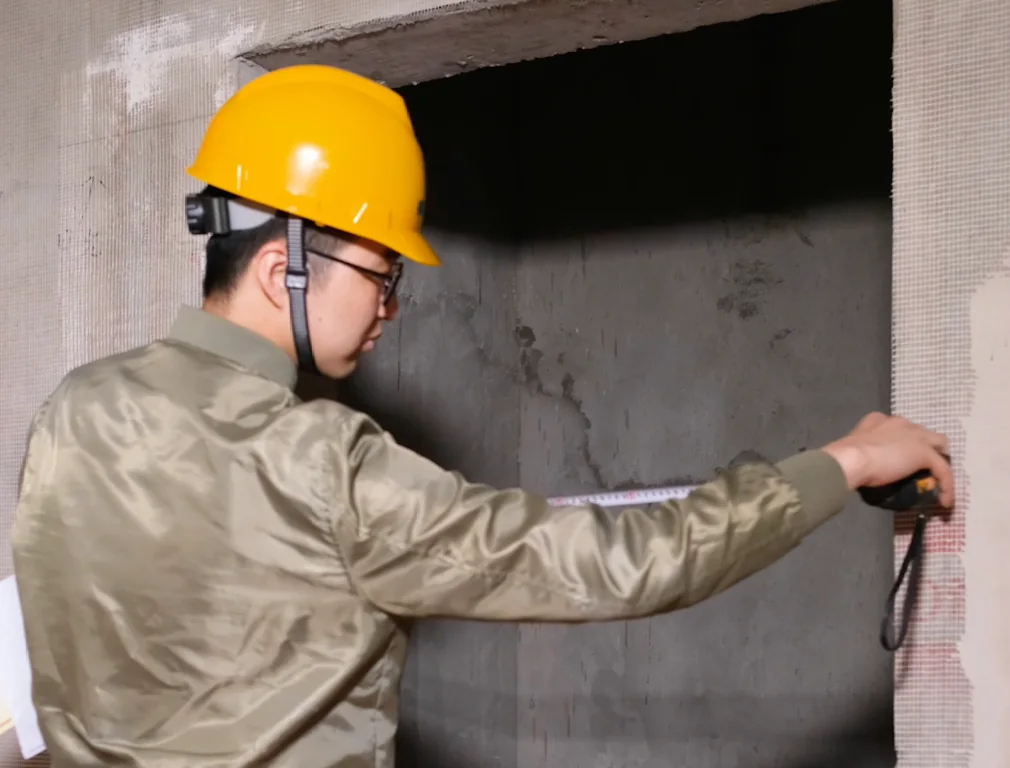
Worker measuring an unfinished elevator opening with a tape measure
The actual building interface · Illustrative context

Installation-interface orientation

Reviews shaft, pit, overhead, entrances, supports, access, power and the interfaces shown by the approved equipment documents. It explains the route for a controlled technical question. It does not teach unqualified participants to perform installation work.

Close-up of illuminated round elevator floor buttons
Visible operating fixtures

Operation and abnormal-condition reporting

Explains intended use, normal controls, loading practices, door discipline, warning information and how to describe an abnormal condition. Operators should report what they observe – location, time, display, sound, movement and recurrence – without opening restricted equipment or attempting adjustments.

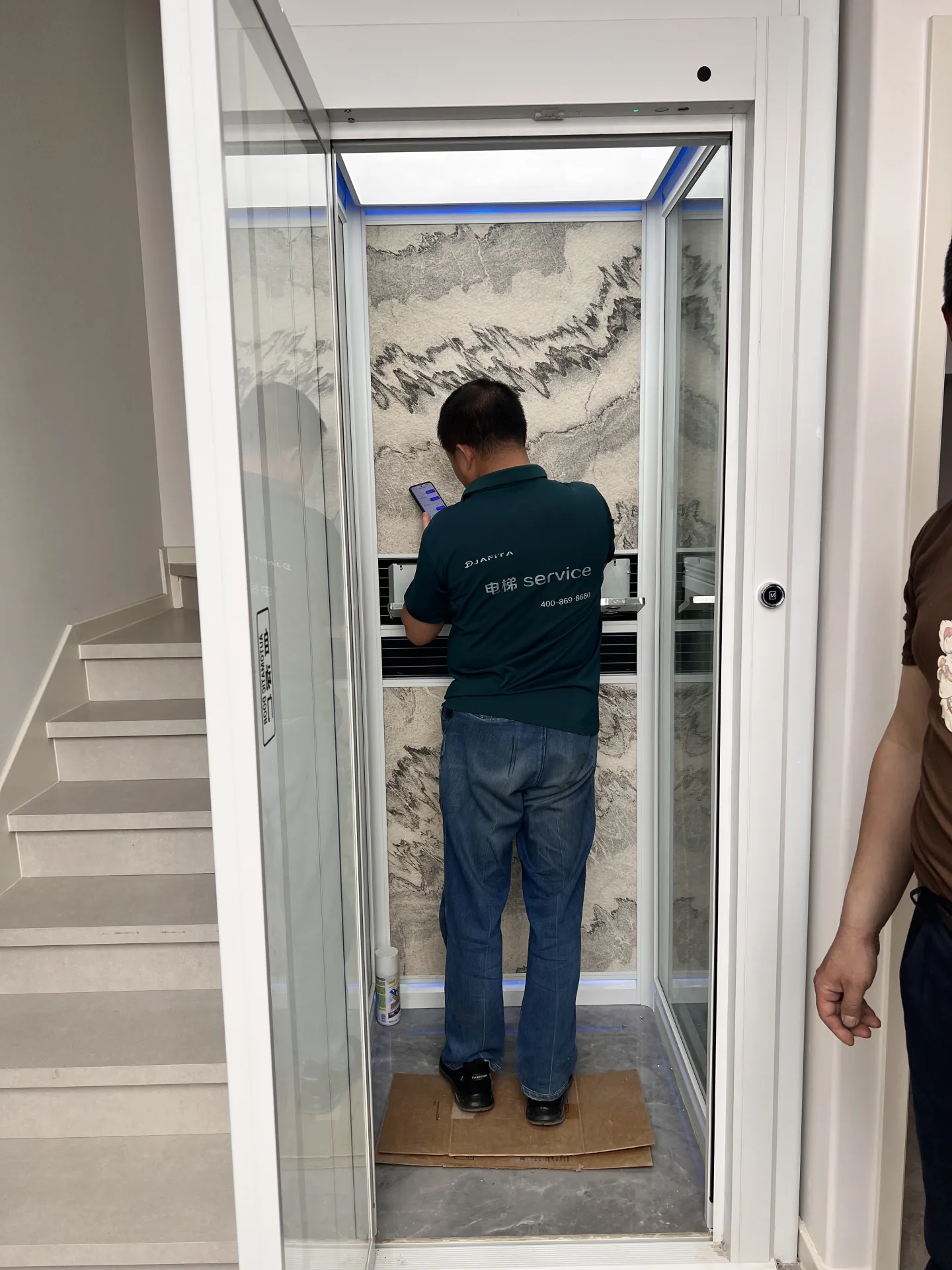
JAFITA service technician working inside a home elevator with a glass swing door
Equipment-specific service work

Maintenance information and records

For qualified maintenance teams, training can review system identity, component references, maintenance documentation, inspection categories, fault history and escalation information. The actual maintenance program and procedures must follow the supplied equipment and applicable local requirements.

Spare-parts identification

Demonstrates why appearance alone is unreliable. Participants compare the manufacturer, complete model, part number, revision, voltage, connector, dimensions, mounting, firmware or communication details where relevant. This helps prevent a visually similar part from becoming an incompatible substitution.

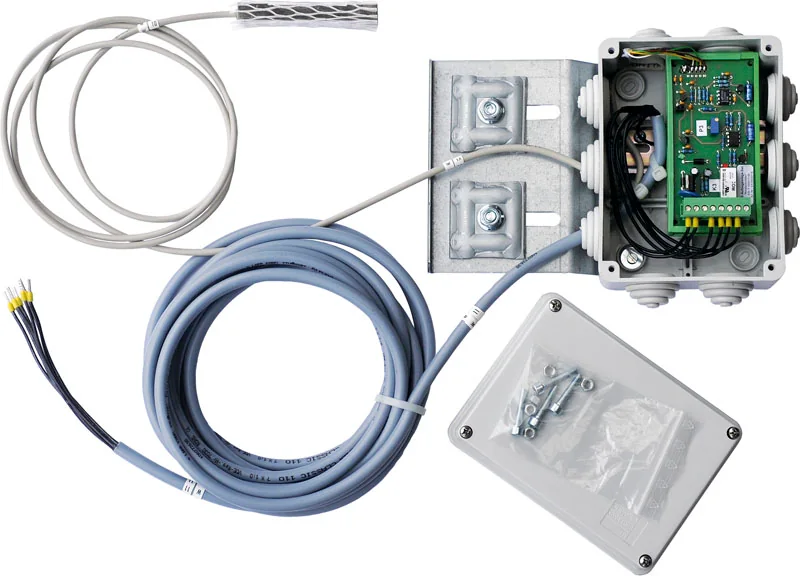
Electrical interface box with a circuit board, terminals and cables
Terminals, cables and connection details
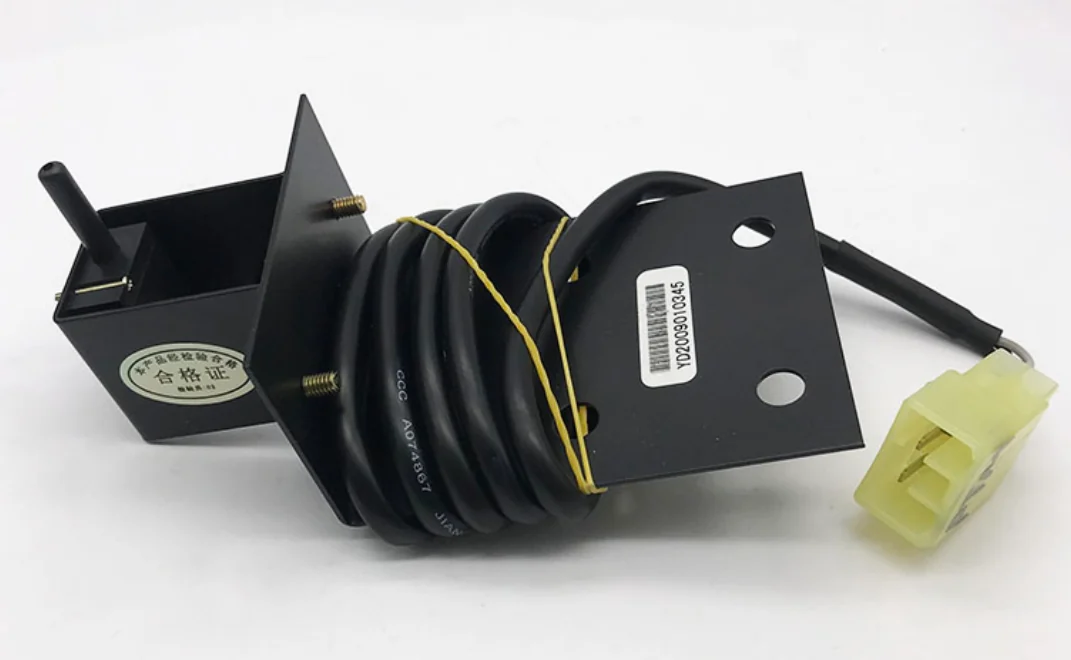
Fork-shaped sensor with mounting bracket, cable and connector
A sensor, mounting points and its connector
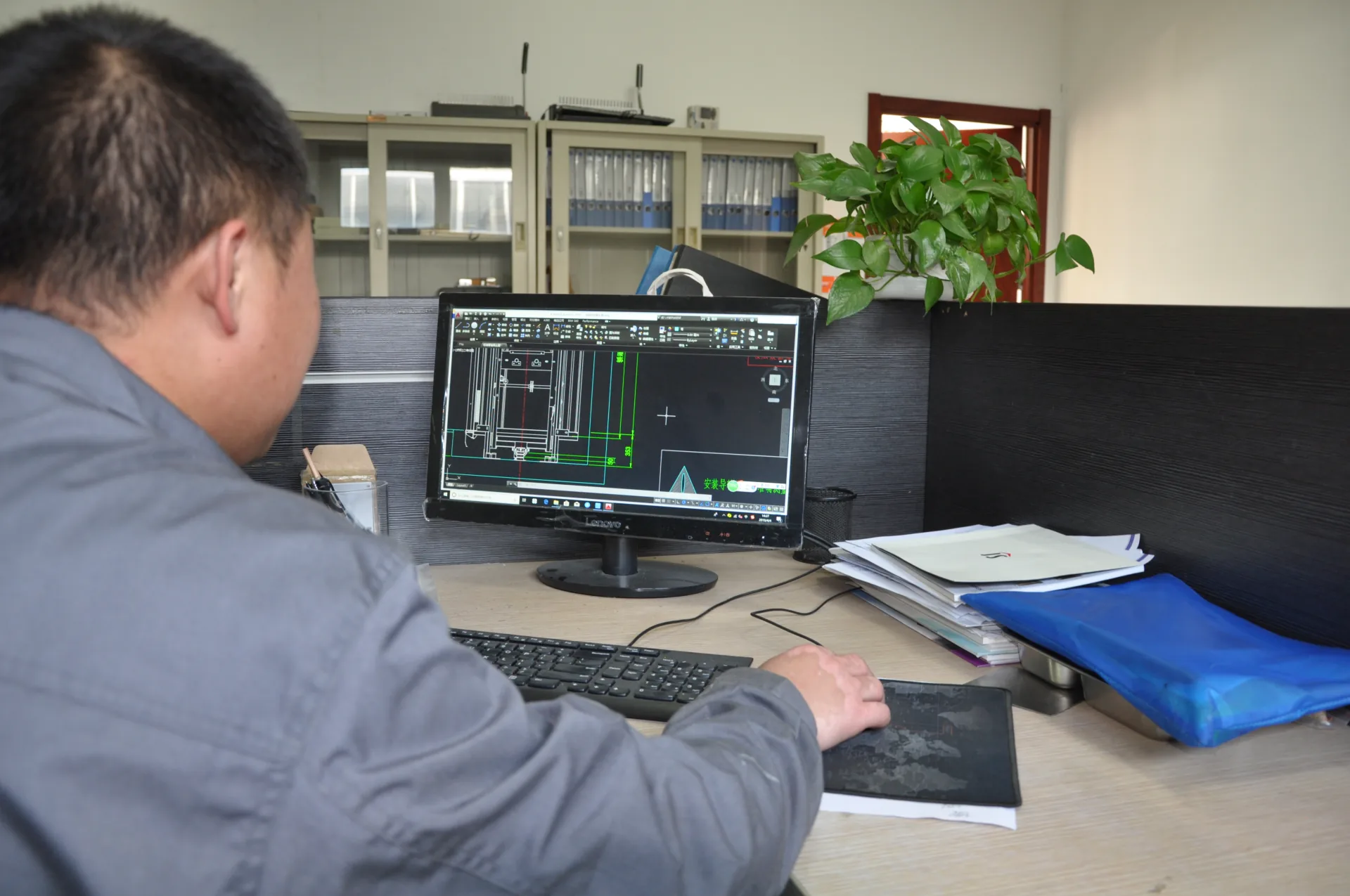
An engineer reviewing a lift CAD drawing at a workstation.
A technical conversation needs the correct project input · Company archive

OEM and distributor technical communication

Helps partners collect complete enquiries and represent evidence accurately. It can cover product routing, project inputs, approval stages, company versus product certification, change control and after-sales case preparation.

Delivery Formats

Training can be provided through a document workshop, live remote session, recorded material supplied for an agreed project, or on-site activity by separate agreement. The appropriate format depends on the subject.

Remote training is effective for document use, equipment identification and structured question review. It cannot confirm hidden installation conditions or replace hands-on assessment for regulated technical work. On-site training requires an agreed location, agenda, access plan, safety arrangements, language, equipment status and relationship with the local responsible organization.

JAFITA does not promise an instructor in every country or a fixed training duration for all products.

Hands gesturing in a discussion beside a laptop, open notebook and phone
Remote or document-based discussion · Illustrative context

What the Customer Should Provide

To prepare a focused training plan, send:

An open blank notebook with a pencil, phone, glasses and laptop on a white desk
Define the audience, equipment and task · Illustrative context
  • Project or order reference
  • Equipment category, model, quantity and unit references
  • Destination and training location or time zone
  • Intended audience and employer
  • Participant roles, experience and authorization where relevant
  • Tasks participants will perform after training
  • Current drawings, manuals and project records
  • Preferred language and interpretation arrangement
  • Known questions or recurring errors
  • Equipment availability for demonstration
  • Required evidence of attendance or completion
  • Desired date and the project stage it supports

If the request concerns equipment already in service, add the installation year, current maintainer, major component identities and available fault or maintenance history.

Training Deliverables

Depending on the agreed scope, the training package may include:

Black-and-white close-up of hands typing on a laptop beside handwritten notes
Keep the session evidence and open actions · Illustrative context
  • Audience and objective statement
  • Agenda linked to the relevant equipment
  • Approved presentation or document pack
  • Drawing and manual references
  • Practical identification worksheet
  • Question and answer record
  • Attendance record
  • Open technical actions with owners
  • Recommended follow-up documents
  • Session recording where agreed and legally permitted

A JAFITA attendance record states what was covered. It is not described as a professional license or statutory competence certificate.

Keep the information attached to the elevator

Build Knowledge That Remains Useful After Handover

Training is most valuable when the project retains the information. Final drawings, manuals, component references, software or parameter records where applicable, parts data and contact routes should remain connected to the elevator identity. Personnel may change; recoverable records keep the equipment understandable.

The JAFITALIFT Download Center shows the document families available for evaluation and project use. Installation and O&M material must be matched to the product and project before it is used for training.

For long-term service questions, the JAFITALIFT Maintenance and Technical Support page explains how model, project and component identity improve later support.

Cover spread of the Jieteda elevator use and maintenance instruction manual
Archived maintenance manual · Equipment-specific applicability
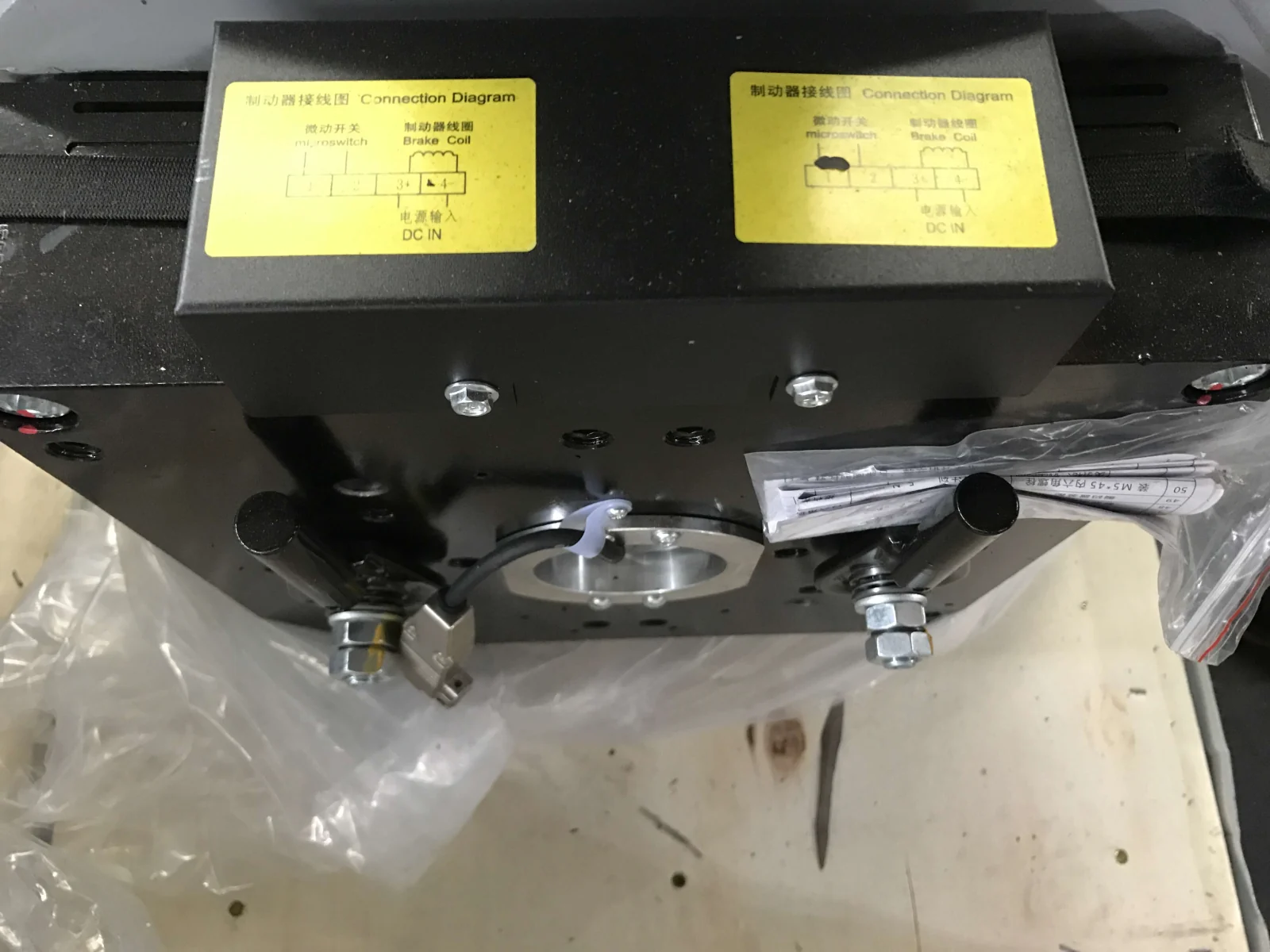
Close-up of a traction machine brake with two connection labels
Component identity remains relevant to future support

Technical Training Questions

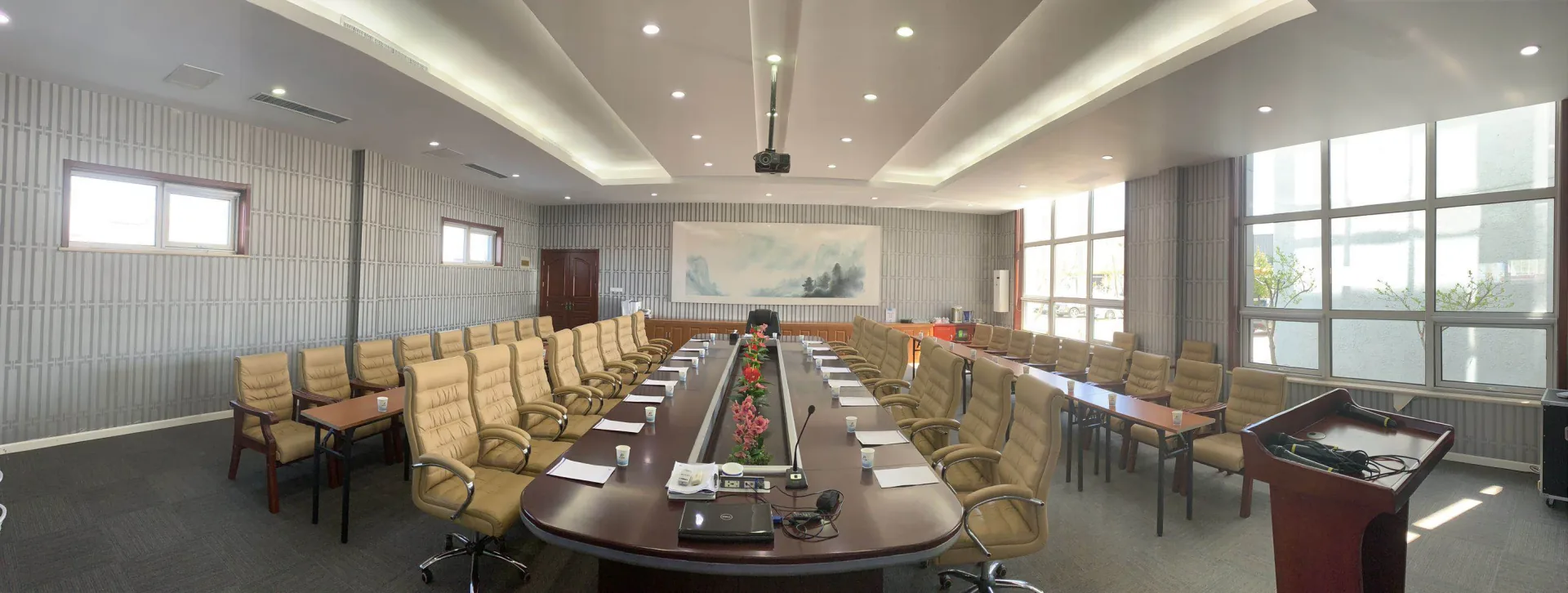
A meeting room with a long conference table, projector and seating.
A meeting space · Company archive; not evidence of a specific course

Does JAFITA training certify elevator technicians?

No. It transfers defined product and project information. Licensing, competence assessment and authorization remain with the responsible employer, training body and local authority.

Can operators receive technical maintenance training?

Operators can learn intended use, visible checks, warnings and reporting. Restricted inspection, adjustment and maintenance content is limited to appropriately qualified personnel.

Is one training course valid for every JAFITA product?

No. Product families, manufacturers, controls, doors, documents and revisions differ. The training scope must identify the applicable equipment.

Can a remote session replace on-site commissioning instruction?

It can explain documents and answer observable questions. It cannot verify hidden conditions, installation quality or competence and does not replace required site procedures or statutory work.

What happens when a question cannot be answered during training?

It is recorded with the supporting evidence and routed to the appropriate project, manufacturer or technical party. The final response should be added to the training or project record.

Define the People, Equipment and Outcome

Tell JAFITA who needs training, which equipment they will work with and what task they must perform afterward. We will define a training scope that uses the correct documents and keeps technical responsibility visible.

Hands reviewing printed charts beside a laptop, notebook and calculator
Prepare a focused information review · Illustrative context