Does every elevator receive the same factory test?
No. Product type, assembly state, manufacturer procedure, project requirements and destination determine the applicable checks.
JAFITA / Inspection and testing
Inspection and testing create evidence that a defined item, stage or function meets an agreed requirement. They are useful only when the acceptance basis, method, responsibility and record are clear. JAFITA coordinates inspection requirements for its freight/OEM work and for products supplied through specialist partner factories, with the actual checks adapted to the equipment and order.
A complete elevator, a fabricated car frame, a control cabinet and a replacement door component cannot share one universal test list. The inspection plan must follow the product, manufacturing route, destination requirements and contractual scope.
An inspection and test plan answers six questions:

If a customer needs witness or hold points, these must be agreed before the relevant work. A request received after an item has been enclosed, packed or shipped may not be reproducible without disruption.
A result needs a stable reference
The inspection package may refer to:
Every reference should have an identifiable revision or date. “As discussed” is not a stable acceptance criterion.
| Stage | Typical focus | Possible record |
|---|---|---|
| Incoming | Item identity, quantity, visible condition and required supplier documents | Receiving or material record |
| In-process | Dimensions, fabrication, assembly, orientation and workmanship | Check sheet or dimensional record |
| Configuration | Correct major components, options, functions, finishes and unit assignment | Configuration or bill-of-material review |
| Functional | Operation applicable to the product or assembly under defined conditions | Test or functional-check record |
| Final | Conformity to the approved supply, visible condition and open-item status | Final inspection report |
| Documentation | Drawings, manuals, certificates, labels and project references | Document register |
| Packing | Quantity, package identity, protection and list reconciliation | Packing list and package register |
The table describes categories, not a promise that every test is performed on every item. The detailed plan comes from the selected product and order.
Observe the item at the useful stage
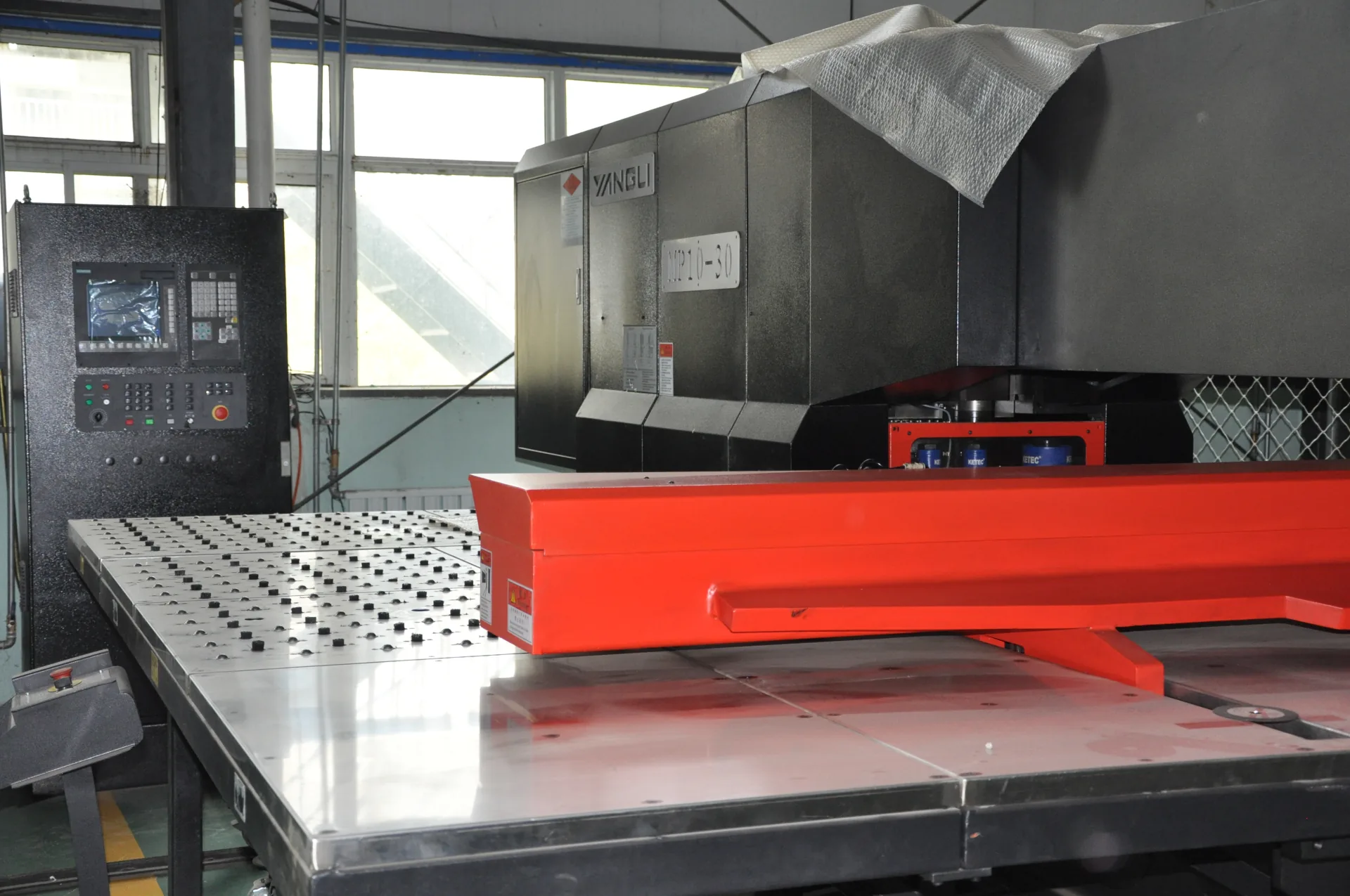
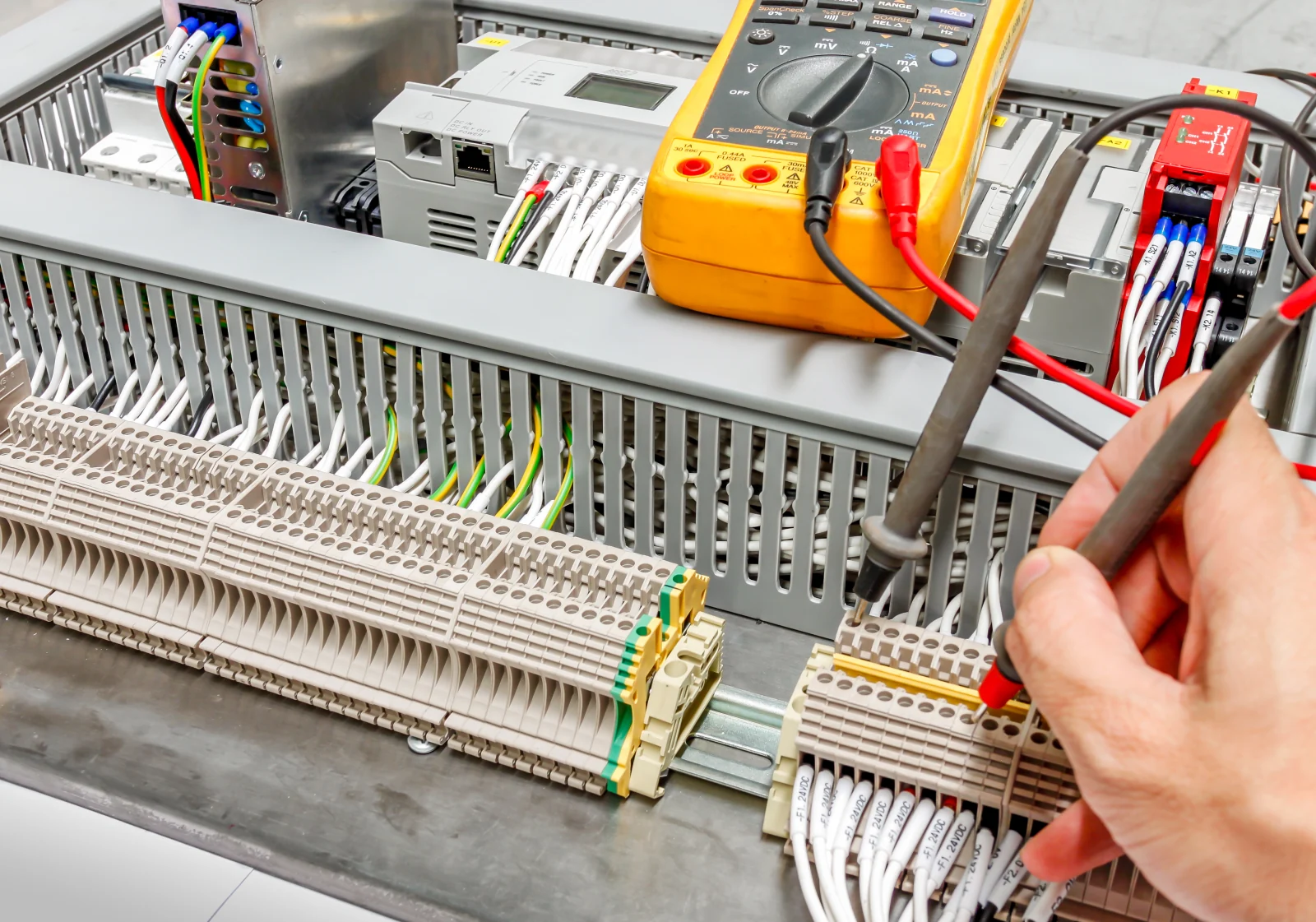
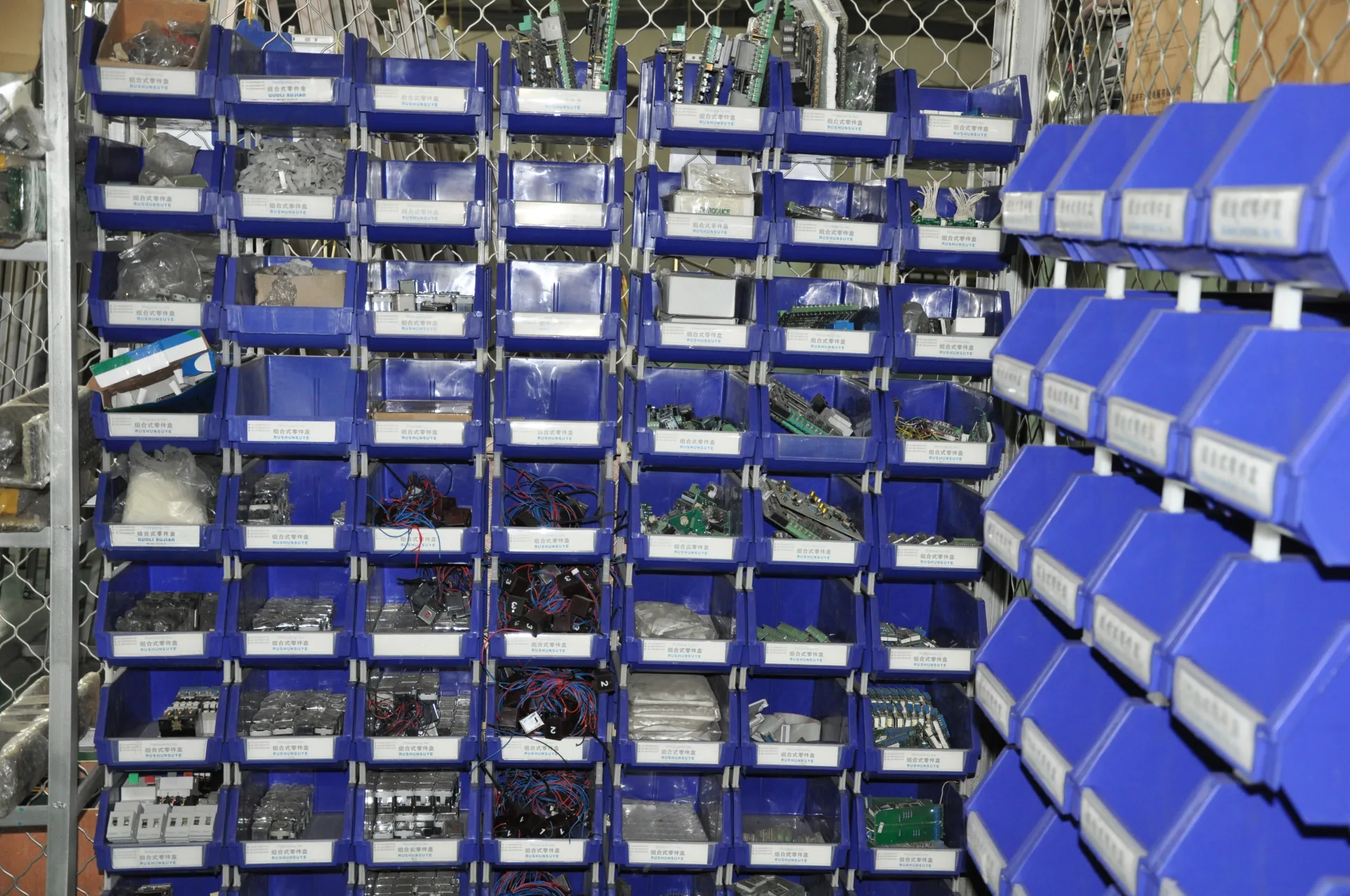
Incoming checks help prevent the wrong material or component from entering production. They may confirm the manufacturer, model, label, rating, quantity, visible condition and supporting document. The depth depends on the item’s importance and the factory’s process.
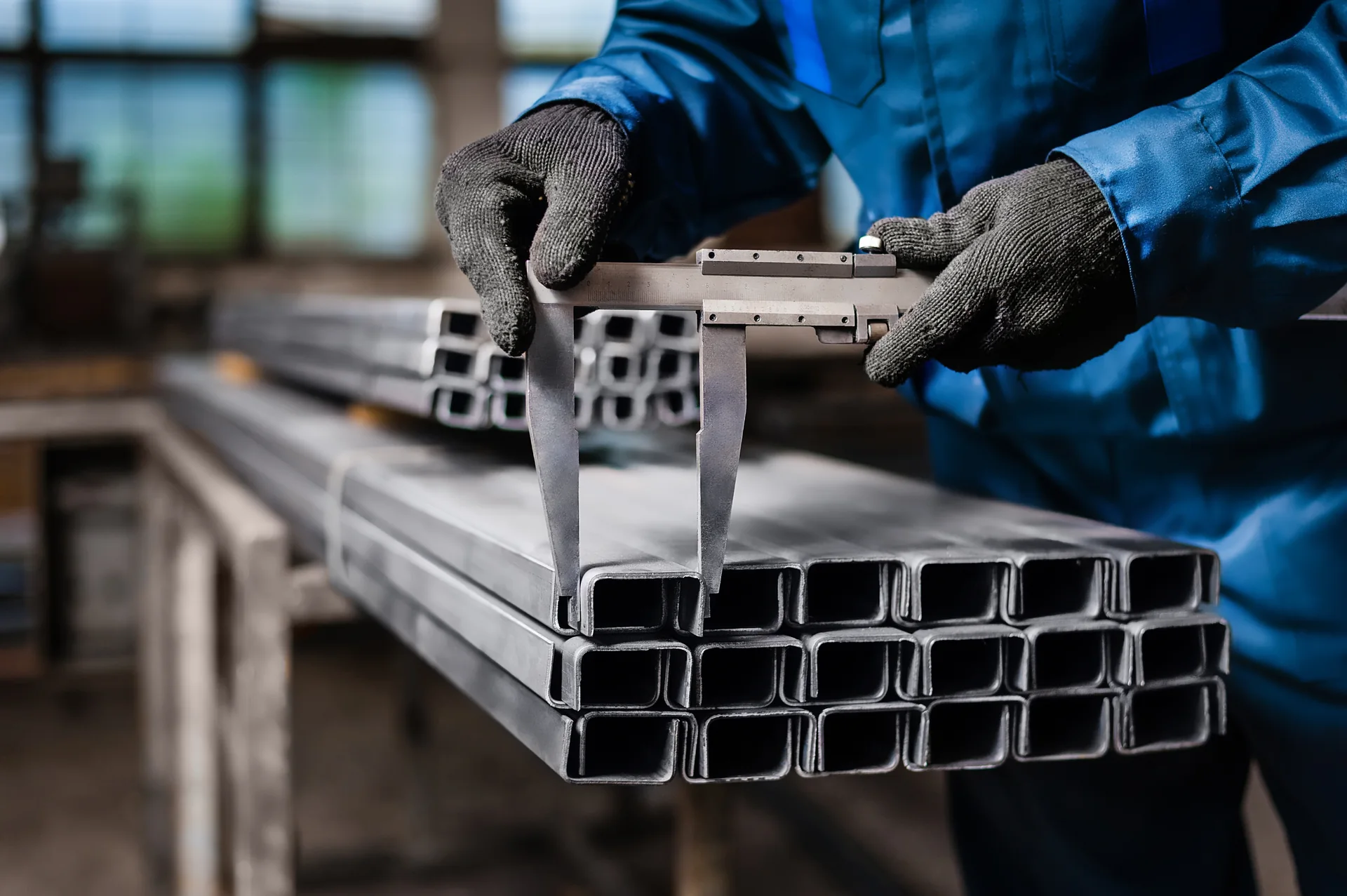
In-process inspection catches problems before later work hides or compounds them. For fabricated and assembled elevator structures, relevant checks may include dimensions, hole and interface positions, orientation, fit, joining, fasteners, surface preparation and workmanship. For electrical equipment, the responsible factory may verify wiring, terminal identification, component configuration and functions appropriate to its procedure.
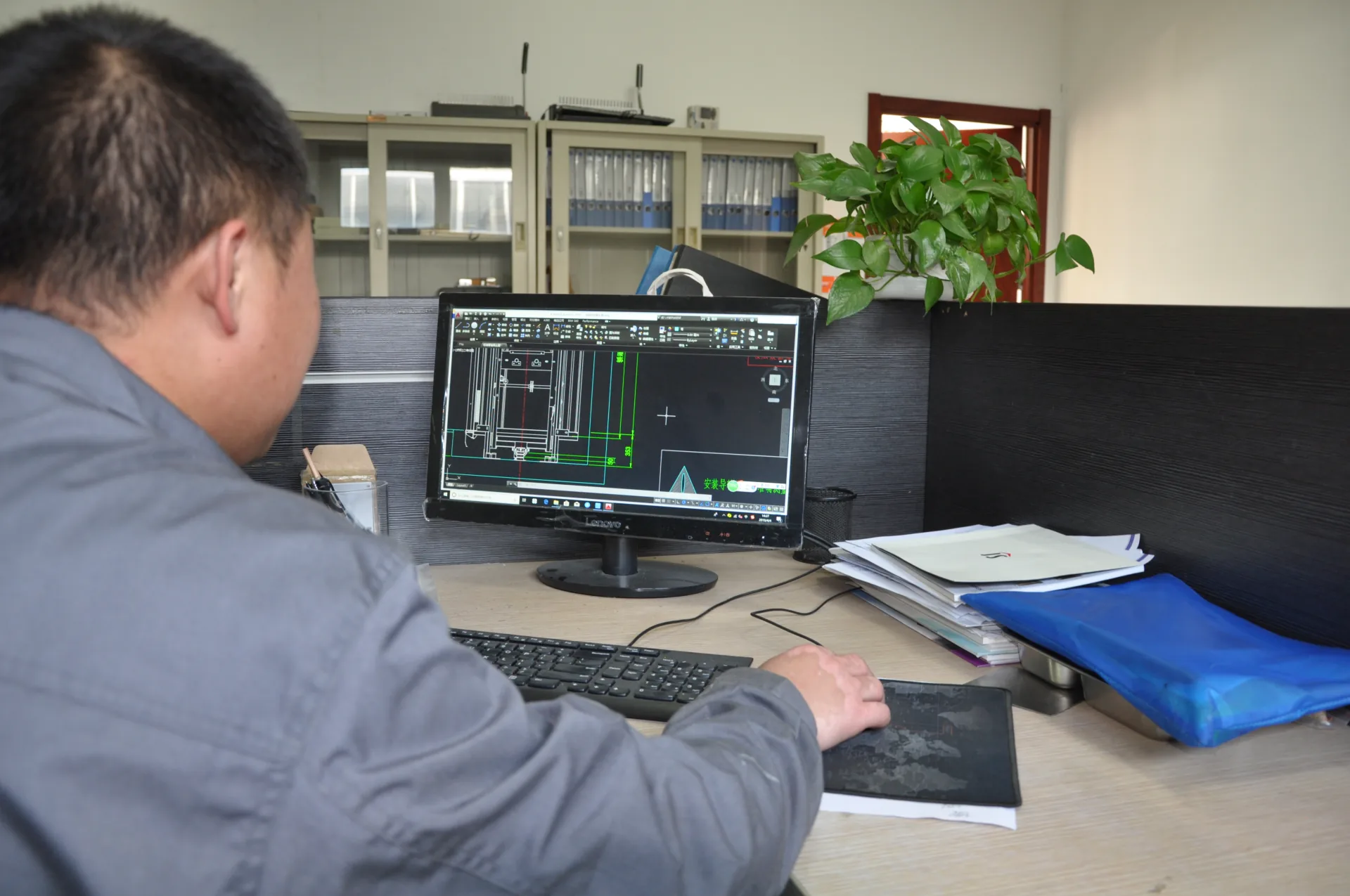
JAFITA’s available factory imagery documents metal processing, machining and component assembly. Its technical archive also includes installation drawings and control-system information for relevant equipment. These materials support the capability to define meaningful checkpoints; the actual record for a customer comes from the selected project.
Final inspection compares the finished supply with the approved order. Depending on scope, it may address:

A photograph can document appearance, nameplate or packing condition. It cannot replace a measurement or functional result where one is required.
Model and scope, not visual resemblance
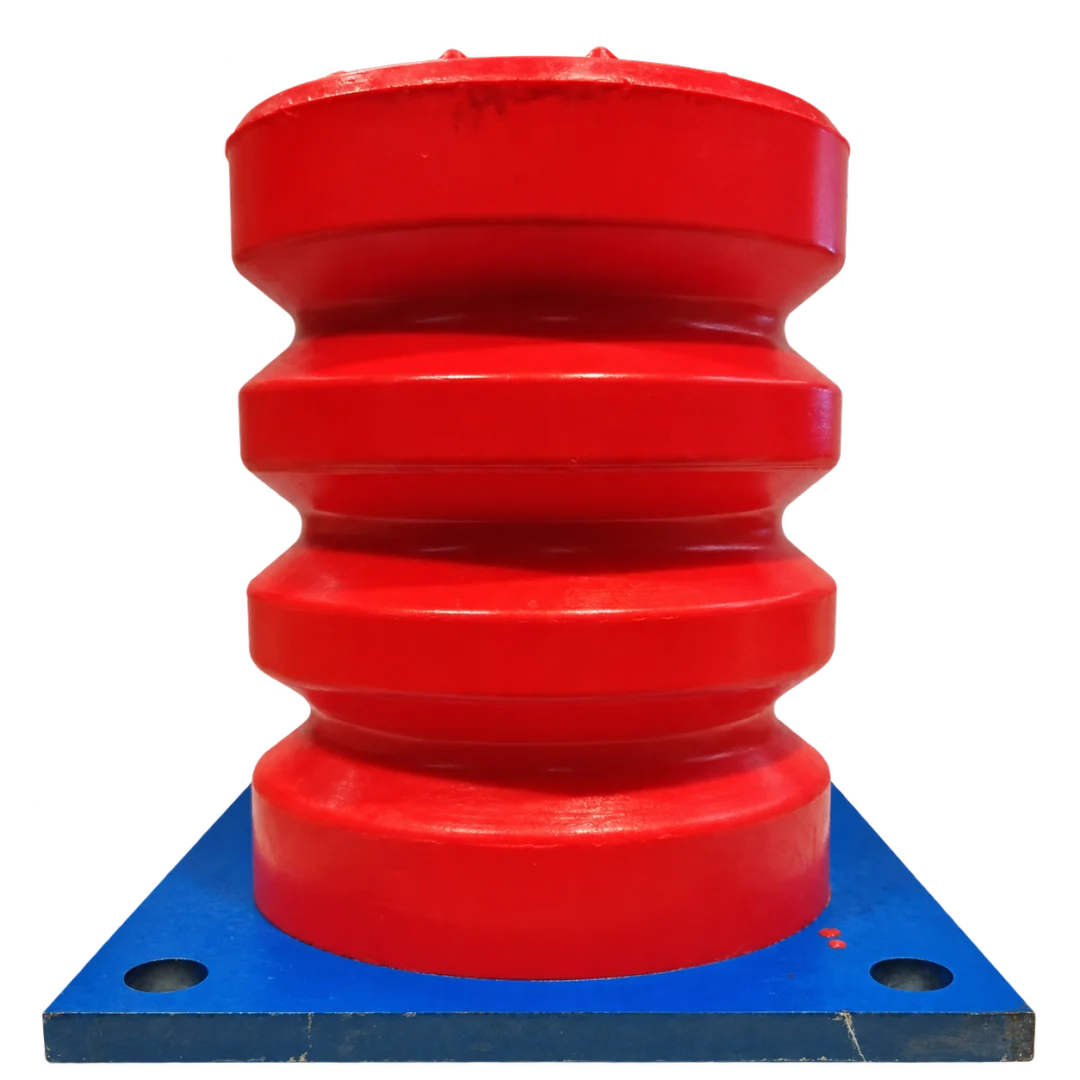
The source materials include real imagery of safety gears, overspeed governors and buffers. These images help customers understand the component categories, but visual identity alone does not prove suitability or certification for a particular elevator.
Safety-related evidence must be read by manufacturer, model, rating, standard, report or certificate scope and intended application. Replacement or integration decisions require review by the appropriately qualified technical party. JAFITA does not extend a document for one component or model to unrelated configurations.


Where agreed, a customer representative or independent inspector may witness defined stages. The arrangement should state the inspection location, notice period, prerequisites, plan, acceptance criteria, record format and authority to resolve findings.
Witnessing does not transfer the manufacturer’s production responsibility to the witness. Likewise, a missed witness point does not automatically define acceptance; the contract should specify the consequence and alternative evidence.
For international projects, travel, facility access, confidentiality and safety arrangements need confirmation. Remote review may use documents, photographs or live communication, but the record should state what was actually observed and what remained outside the remote view.
A status refers to an observed result
An inspection finding should identify the project, item, requirement, observation and evidence. It then receives a disposition from the authorized party. Rework or replacement needs a follow-up check. An unresolved issue remains open even if the rest of the equipment has passed.

| Finding status | Meaning |
|---|---|
| Open | The requirement or disposition is not yet resolved |
| Action in progress | An approved correction or clarification is underway |
| Ready for verification | The action is complete and awaits a check |
| Closed | The result and required evidence have been verified |
| Accepted deviation | Authorized parties have approved a documented departure |
“Closed” should point to evidence. A reply saying “handled” is not enough when the agreed plan requires a measurement, corrected document or replacement item.
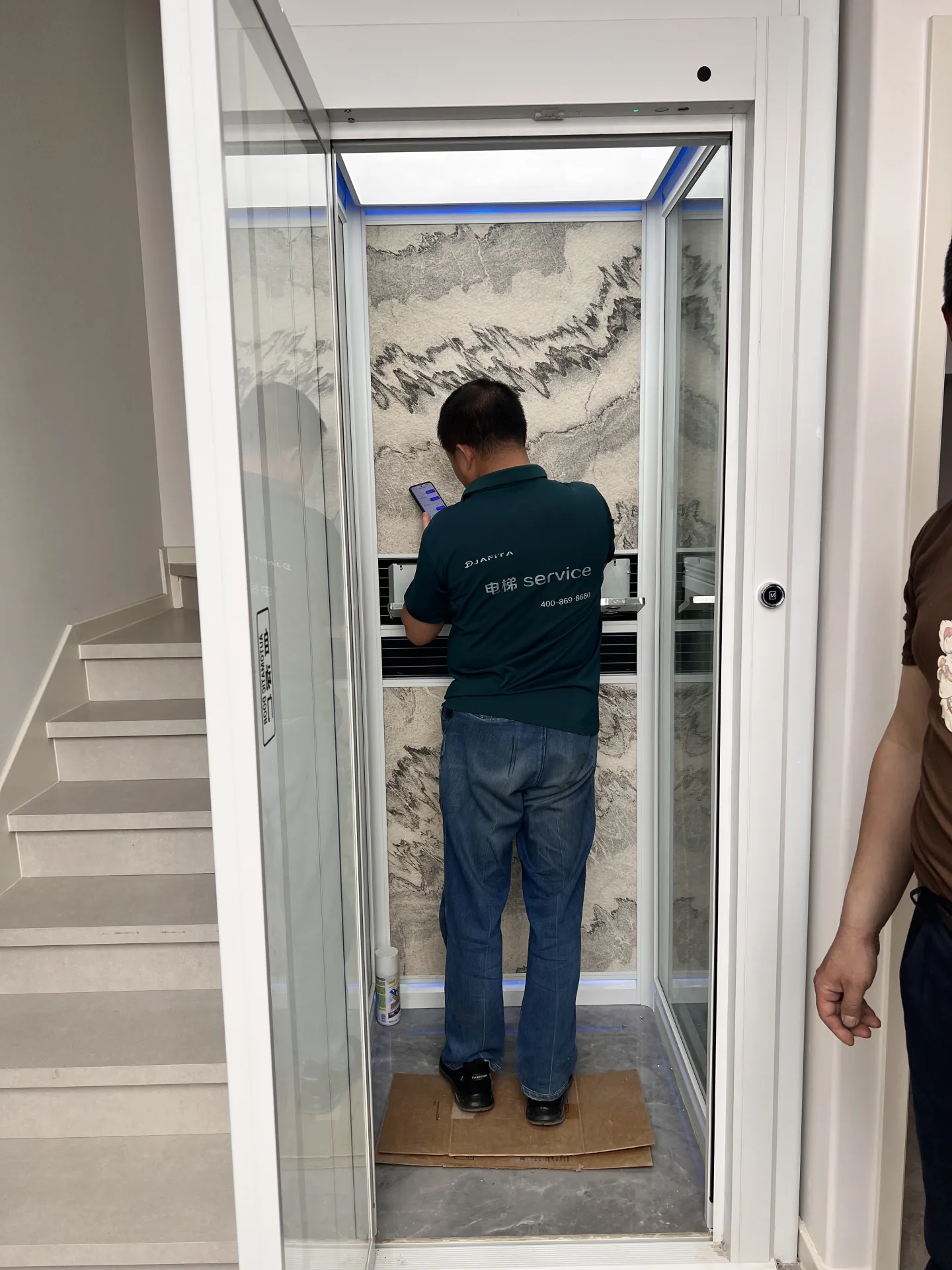
Factory checks occur before delivery and can cover the equipment, assembly or component conditions available at the factory. The installed elevator is a system integrated with the building. Site commissioning may require mechanical alignment, electrical connection, parameter setting, safety-function checks, ride or operating checks, building-system interfaces and statutory tests.
The installation quality and site conditions directly affect the result. Factory release does not authorize operation at site. Commissioning, inspection and permission to use the elevator must follow the destination’s requirements and be performed by the assigned qualified parties.
JAFITA can provide equipment documents and technical clarification and can coordinate additional support when included in the agreed scope. The local installer and inspection authority retain their own responsibilities.
Define the check before it is required
Provide the equipment type, destination, project specification, applicable document list, proposed inspection stages, witness points, acceptance criteria, reporting format and inspector role. If a customer form or third-party procedure is mandatory, submit it before quotation or technical release.
For an existing component or complaint, provide the original project and unit reference, exact item identification, condition, date, photographs, relevant drawing and the requirement believed to be unmet. Preserve labels and do not modify the item before the review unless a safety procedure requires immediate action.
Depending on the order, the agreed package may include:

The existence, format and delivery of each record should be agreed. JAFITA does not claim that one standard report package applies to every factory or product.
What a check can and cannot establish
No. Product type, assembly state, manufacturer procedure, project requirements and destination determine the applicable checks.
The request can be reviewed, but the relevant stage may already have passed. Early agreement avoids rework or evidence gaps.
No. Local installation, commissioning, statutory testing and permission to operate are separate and follow the destination’s requirements.
Photos can support identity and visible condition. They do not prove unshown dimensions, internal assembly or functional results.
The responsible manufacturer or authorized body issues its documents. JAFITA coordinates their collection and project use within the agreed scope while preserving the actual holder and issuer.
The change needs review, document revision and reinspection to the extent necessary. Evidence for the earlier configuration cannot automatically release the changed one.
Inspection is most effective when the customer and supply team agree what must be demonstrated before work reaches that stage. Send the specification and inspection requirements with the enquiry so JAFITA can align them with the responsible manufacturing route.
For installation and commissioning coordination after delivery, see Installation Support.