What is JAFITA’s mission?
To connect elevator applications with an appropriate product, supply route, documented scope and project process so customers and partners can make better decisions.
JAFITA / The way we work
An elevator project is rarely delayed by a lack of choices. It is delayed when the building information, product configuration, supply responsibility and local work do not agree. JAFITA’s mission is to make those connections clearer: understand how the equipment will be used, identify a suitable technical and supply route, preserve approved decisions, and support the people responsible for delivery and operation.

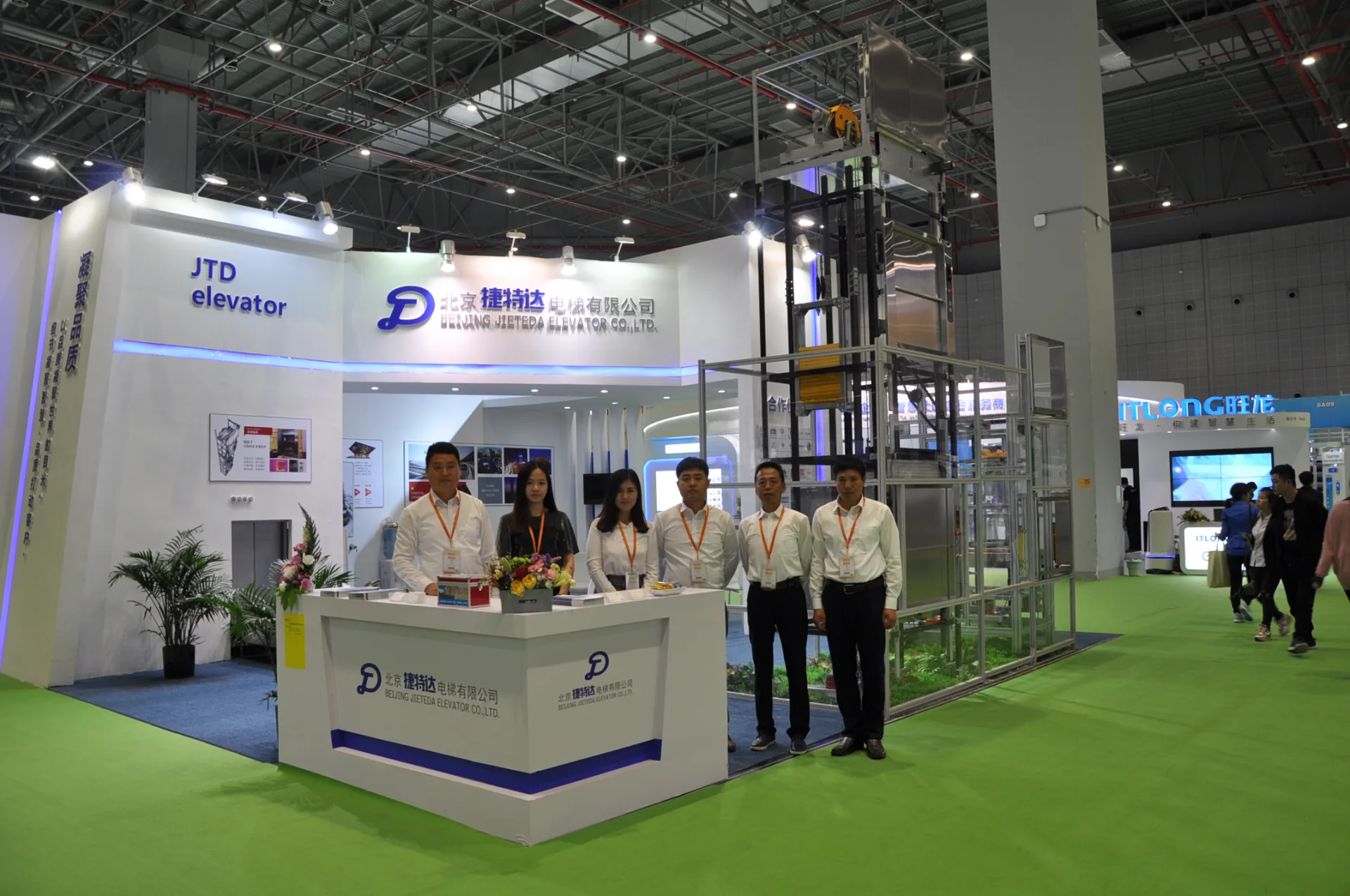
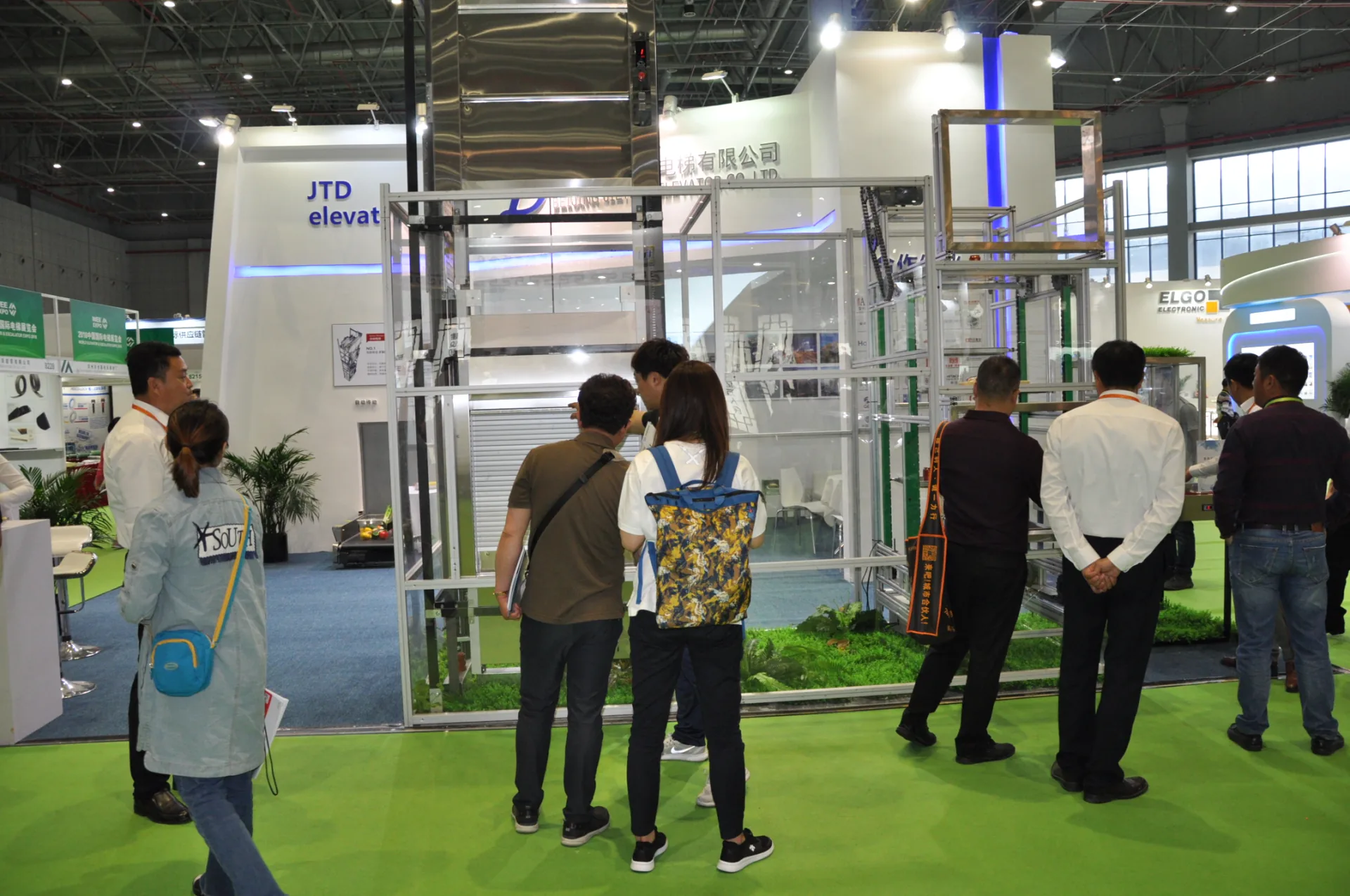
This mission comes from the way the company developed. Beijing Jieteda Elevator Co., Ltd. was established in 2001, built experience in freight-elevator manufacturing and OEM production, and began export activity in 2008. Manufacturing taught us to look at the complete system. OEM work taught us that another business depends on configuration discipline. Export projects taught us to bring destination, documents, packing and local responsibility into the conversation early.
Our values describe how those lessons should appear in everyday work. They are useful only when a customer can observe them in a drawing review, a certificate explanation, a change record or a response to a problem.



The category name is the beginning, not the answer. A freight elevator can carry boxed goods, wheeled carts, pallets or vehicles; those loads do not act on the car floor and entrances in the same way. A home elevator may need to balance mobility, privacy, light and a restricted existing floor plan. A hospital elevator must fit beds, attendants and healthcare circulation. The operating case determines which questions matter.
Our first principle is therefore practicality. We ask what moves, who uses the equipment, how often it operates and what building conditions are already fixed. We would rather identify one important missing dimension than hide uncertainty behind a long feature list.
02 / Clarity
A quotation can look complete while leaving essential work outside the price. Equipment supply, installation, site preparation, lifting, storage, electrical works, statutory inspection, commissioning support, travel and local taxes may be distributed among several parties. If that distribution is unclear, two prices cannot be compared fairly.
Our second principle is clarity. A useful proposal should identify the equipment basis, inclusions, exclusions, documentation, commercial assumptions and confirmation points. Where a figure is provisional, it should be labelled as such. Where a local party must confirm compliance, the responsibility should be visible.
Buyers who are actively reviewing offers can use the specification-first method in our elevator import guide:

03 / Evidence discipline
A certificate logo without a holder, scope or date is weak evidence. A photograph of a famous building without a defined supply role is not a complete case study. A model description without a named manufacturer and configuration cannot establish compatibility.
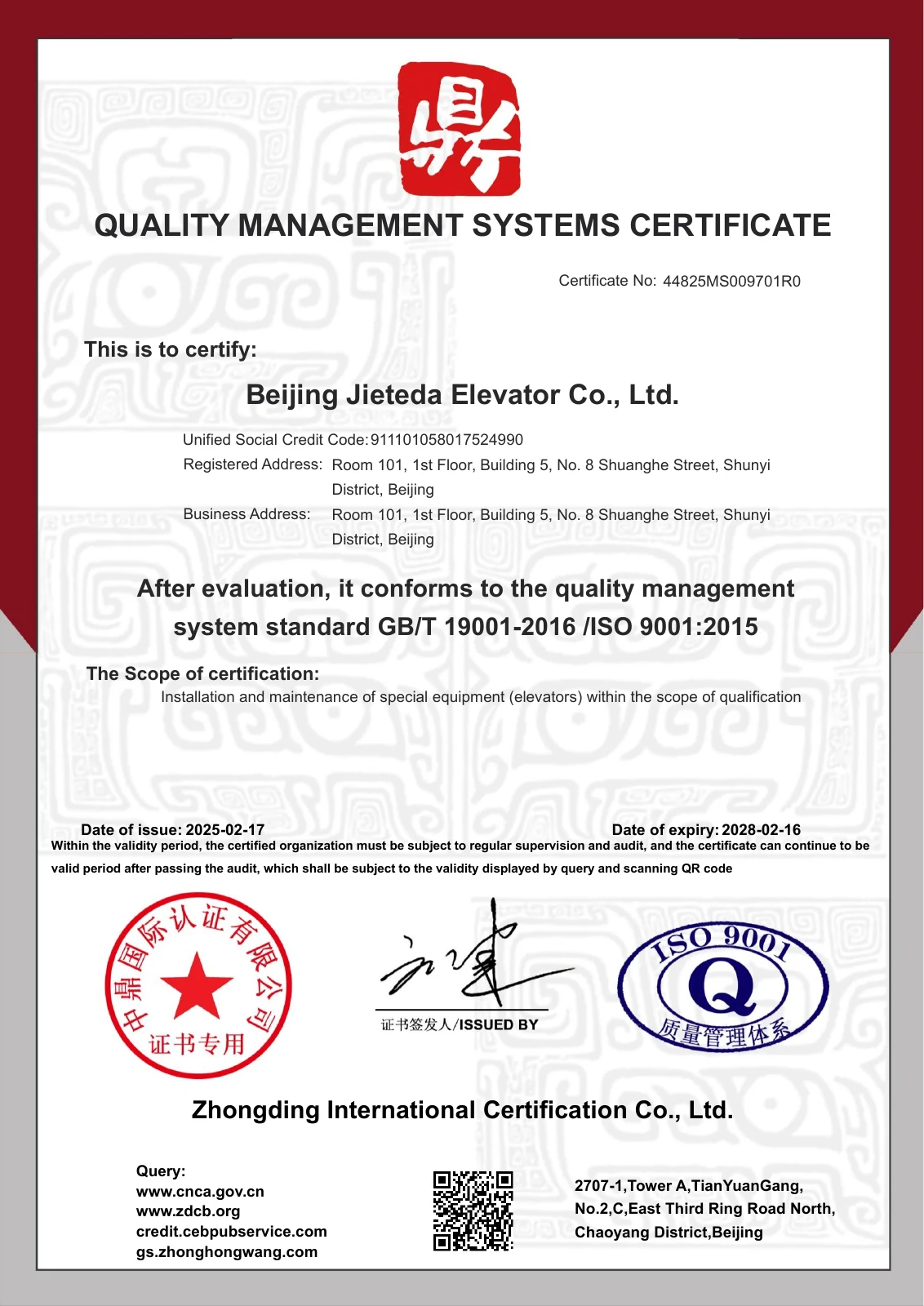
Our third principle is evidence discipline. The company’s current English ISO 9001:2015 and ISO 45001:2018 certificates identify Beijing Jieteda Elevator Co., Ltd. and cover defined elevator installation and maintenance activities within qualification. We describe that scope as written. We do not turn it into a general product certification claim.
The same standard applies throughout the website. Historical company materials may record OEM work with known elevator brands, but a historical relationship is not presented as current authorization or endorsement. Project references move from the archive to a public case page when the role can be explained. Product test reports are matched to the relevant holder and model.

04 / Traceability
Elevator specifications evolve. Architects adjust finishes. Shaft measurements change. A customer selects a different door arrangement. A destination document is requested later than expected. Change itself is normal; invisible change is the risk.
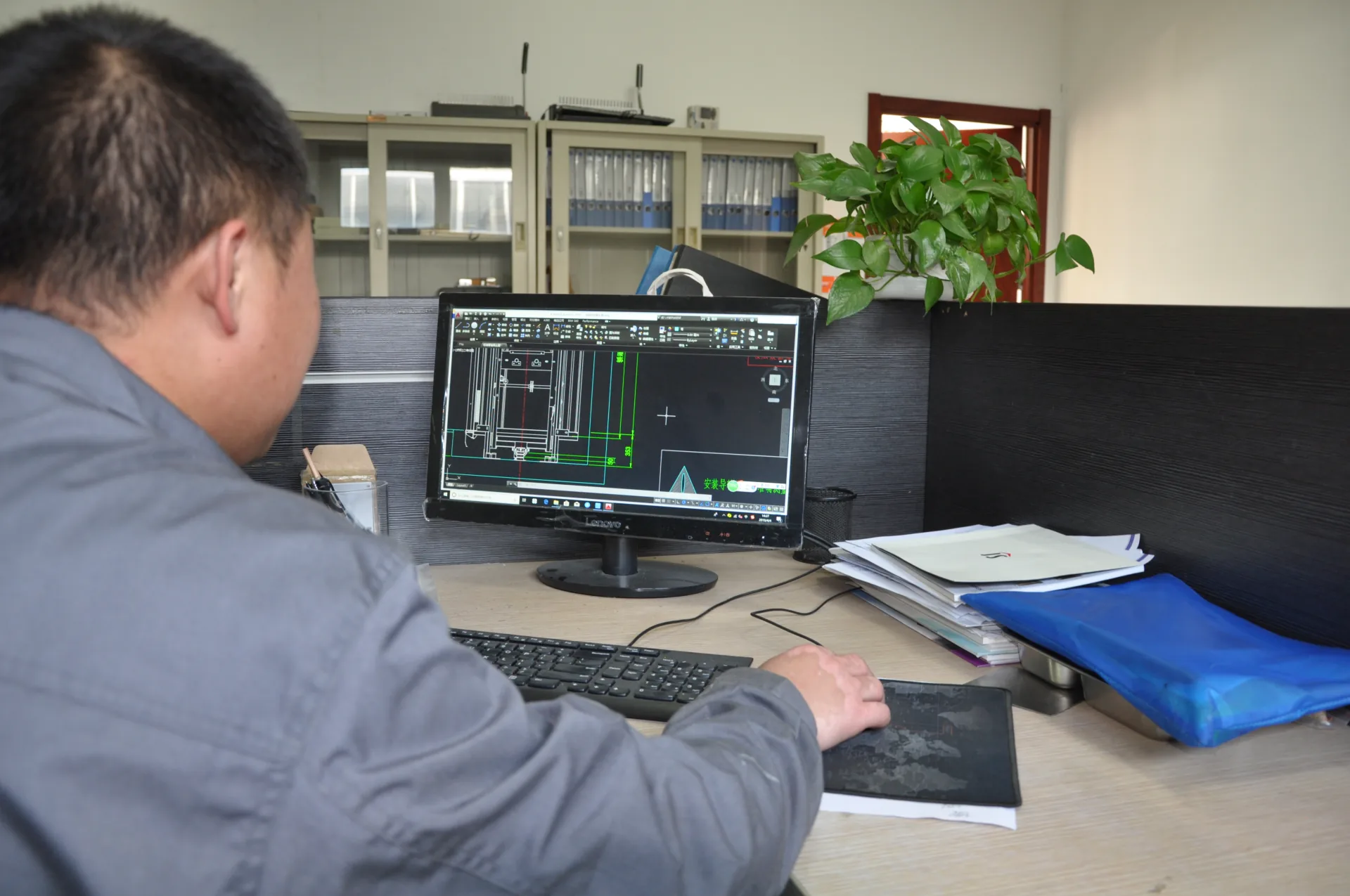
Our fourth principle is traceability. Important revisions should be confirmed in a form that the relevant commercial, technical, production and delivery teams can use. Earlier versions should not quietly remain active. Model identity, drawings, finish codes, quantities and packaging marks deserve particular attention because small inconsistencies can become expensive once material reaches site.
JAFITA’s business combines freight-manufacturing experience with specialist factory and component resources. That range is valuable when it is transparent. Different categories may be made or supplied through different entities; local installation and inspection may be performed by organizations appointed in the destination market.
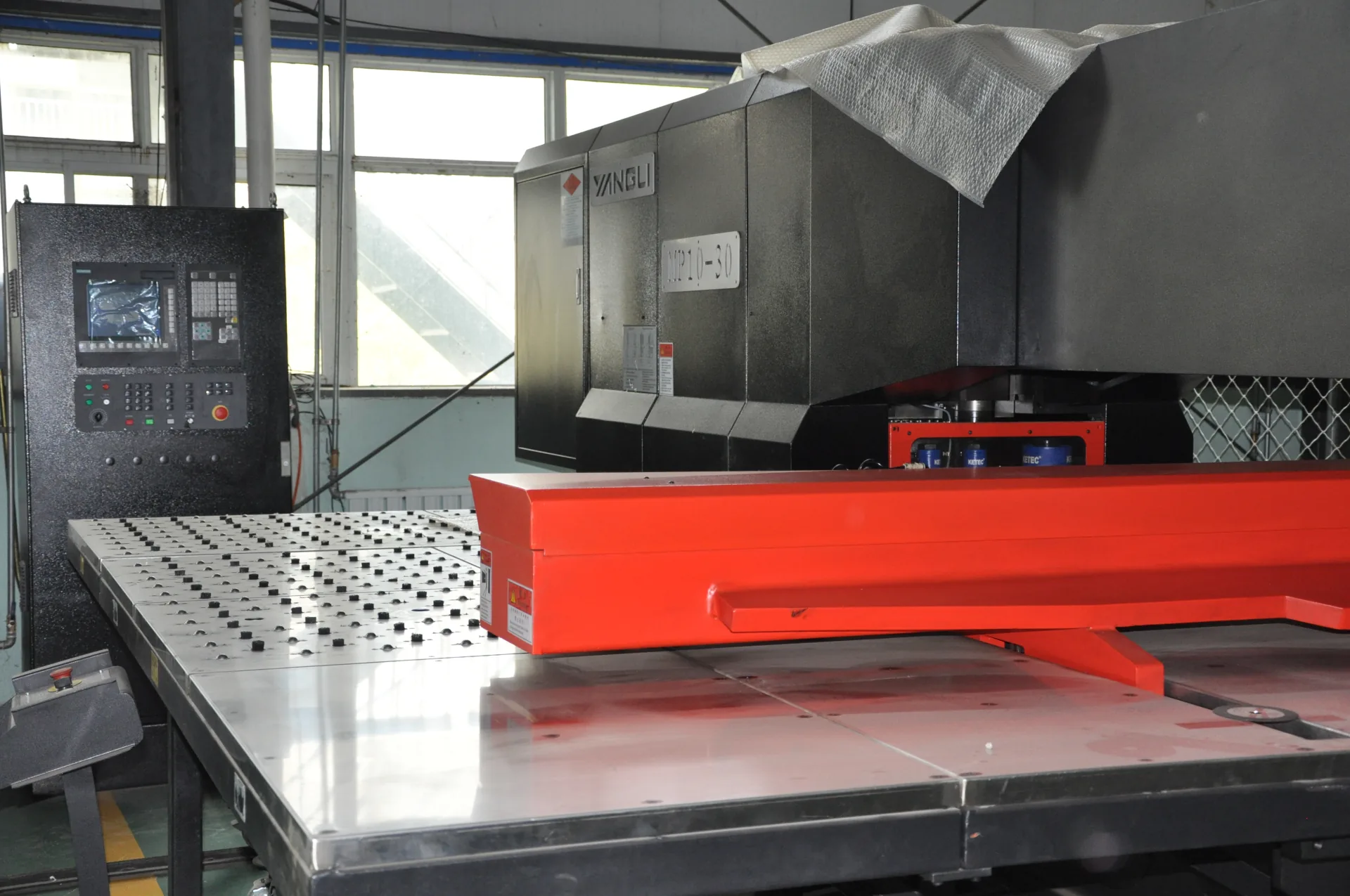
Our fifth principle is accountability. We aim to state JAFITA’s role, the offered production or supply route, and the work expected from the customer and local partners. We do not use “one-stop” to erase those boundaries. A coordinated solution is credible when each interface has an owner.
06 / Respect for lifecycle work
Design and purchasing decisions affect people long after a sale. Installation teams depend on correct drawings and identified packages. Maintenance professionals need reliable model and component records. Building owners need to know who will provide local service. Users depend on appropriate operation and safety management.
Our sixth principle is respect for lifecycle work. We encourage project records to remain accessible, replacement parts to be identified carefully, and technical questions to include the equipment identity and site context. For urgent or safety-related issues, the responsible local maintenance organization and emergency procedures must take priority; remote communication cannot replace competent action on site.


07 / Learning from evidence
“Continuous improvement” is meaningful only when feedback reaches a process. A recurring drawing question may indicate that an input form is unclear. A damaged package may reveal a packing or handling weakness. A component mismatch may expose incomplete identification. A delayed decision may show that the confirmation point was not visible to the customer.
Our seventh principle is learning from evidence. We look for the cause that can be changed, record what happened and improve the relevant checklist, communication or control. The objective is not a promise of zero problems; it is a system that makes problems easier to detect, explain and prevent from repeating.
Values made observable
| Stage | Behaviour customers should expect |
|---|---|
| First enquiry | Questions tied to the building, application and destination rather than an instant generic model |
| Proposal | Visible assumptions, inclusions, exclusions and responsibility boundaries |
| Technical review | Confirmed data separated from open points; revisions identified |
| Production and supply | A stated manufacturing or specialist-supply route with applicable records |
| Packing and delivery | Item identity and documents linked to the order |
| Support | Requests routed using project, model, nameplate and evidence from site |
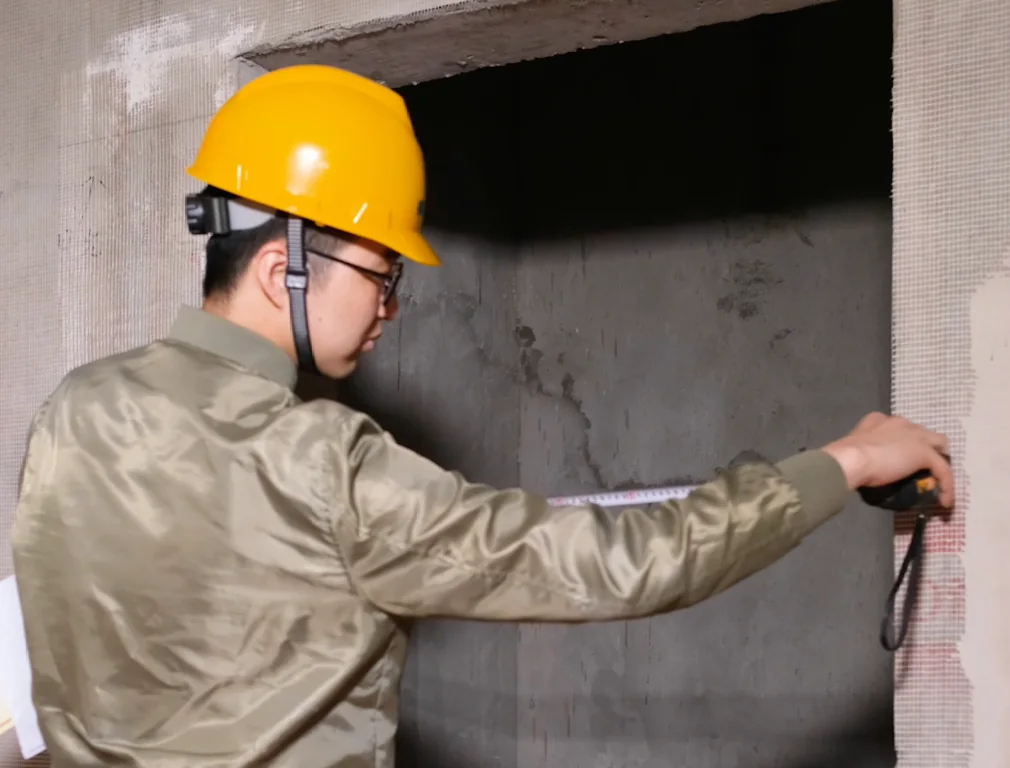
Some choices require local knowledge or qualified professional input. Destination compliance, structural adequacy, fire strategy, accessibility, power conditions, installation methods and statutory acceptance cannot be settled by website text alone. JAFITA can provide product information and coordinate relevant technical responses, but the parties legally responsible for design, approval, installation and inspection must perform their roles.
Being clear about that limit is part of trust. It allows customers to use our information in the right way.
What this means in practice

To connect elevator applications with an appropriate product, supply route, documented scope and project process so customers and partners can make better decisions.
The quotation should state its technical basis, important assumptions, included and excluded work, evidence and next confirmation points. Price is only one part of a comparable offer.
No. Changes are normal in building projects. The objective is to identify, assess and confirm them before they create conflicting instructions.
Because a certificate supports the holder and activity written on it. Accurate scope is more useful than a broad badge.
Share the destination, intended use, quantity and available drawings; name unresolved points; respond to confirmation requests; and keep local consultants, installers and approval bodies involved where their judgement is required.
If you are preparing a building project, OEM programme or product partnership, tell us what success needs to look like and what is still uncertain. We will start from the evidence available and make the next decisions visible.