Project services / Modernization support

Elevator Modernization Support

Define What Can Remain, What Must Change and How the Interfaces Will Be Proven

Elevator modernization is an engineering investigation before it is an equipment order. The existing elevator already has a structure, drive system, control logic, doors, operating fixtures, safety functions, wiring, building interfaces and maintenance history. A new component must work with the systems that remain. Replacing one visible item without understanding those relationships can move the fault rather than solve it.

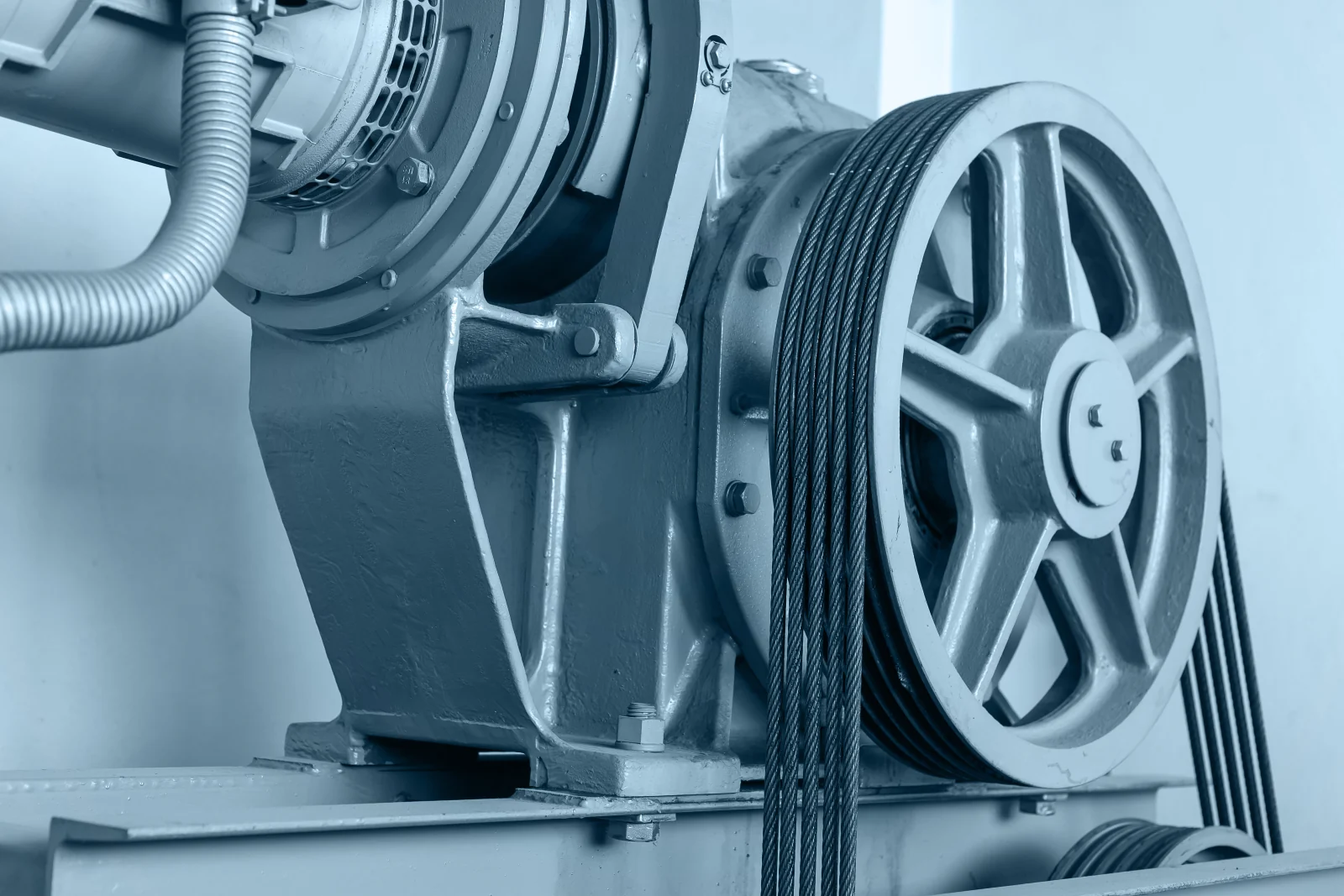
A geared traction machine with a traction sheave and multiple suspension ropes.
Drive, suspension and their existing interfaces · Illustrative context

JAFITA supports modernization by organizing the existing-equipment evidence, identifying component and system interfaces, coordinating technically reviewed supply options and defining the records needed for execution. The final scope may be a targeted replacement, a coordinated multi-system upgrade or complete replacement. That decision should follow the condition and objectives of the actual elevator.

Beijing Jieteda Elevator Co., Ltd. has worked in the elevator industry since 2001. Its freight-elevator and OEM experience, component resources and specialist-factory relationships provide a practical basis for modernization coordination. These capabilities do not remove the need for a competent site survey, locally authorized design and installation, or statutory approval in the destination.

Modernization Starts with a Reason, Not an Age

An older elevator may continue to be supportable. A newer elevator may have a serious compatibility or availability problem. Calendar age is therefore only one input.

Useful modernization objectives include:

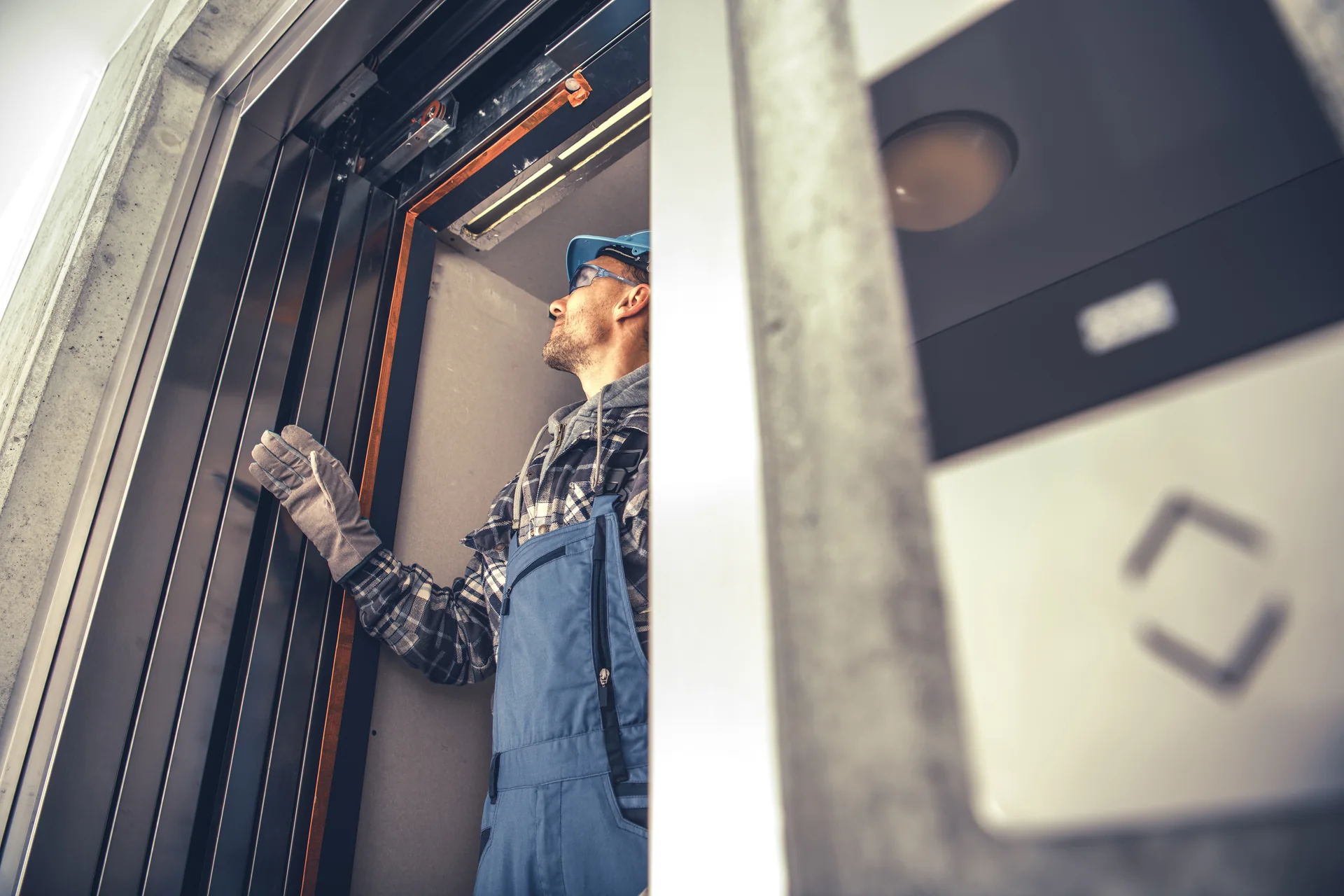
Technician inspecting the upper mechanism of an elevator doorway
Understand the observed condition before selecting equipment · Illustrative context
  • Addressing recurrent faults after the cause has been investigated
  • Replacing components that are obsolete or no longer supportable
  • Improving door reliability or usability
  • Renewing controls or drive equipment
  • Updating operating fixtures and displays
  • Improving accessibility within the feasible and approved scope
  • Refurbishing the cabin and visible finishes
  • Aligning the equipment with changed building use
  • Making maintenance information and parts identity more recoverable
  • Evaluating whether continued partial repair remains economical

Each objective needs a success measure. “Improve reliability” may require an agreed baseline of fault frequency and affected systems. “Improve appearance” requires an approved finish, mass and interface scope. “Reduce energy use” requires defined measurements and operating conditions; it should not be promised from a product label alone.

The installed equipment is the starting point

Build an Existing-Elevator Identity File

The first deliverable is a reliable picture of what is installed now. Original records are useful, but site changes and earlier repairs may mean the current elevator differs from them.

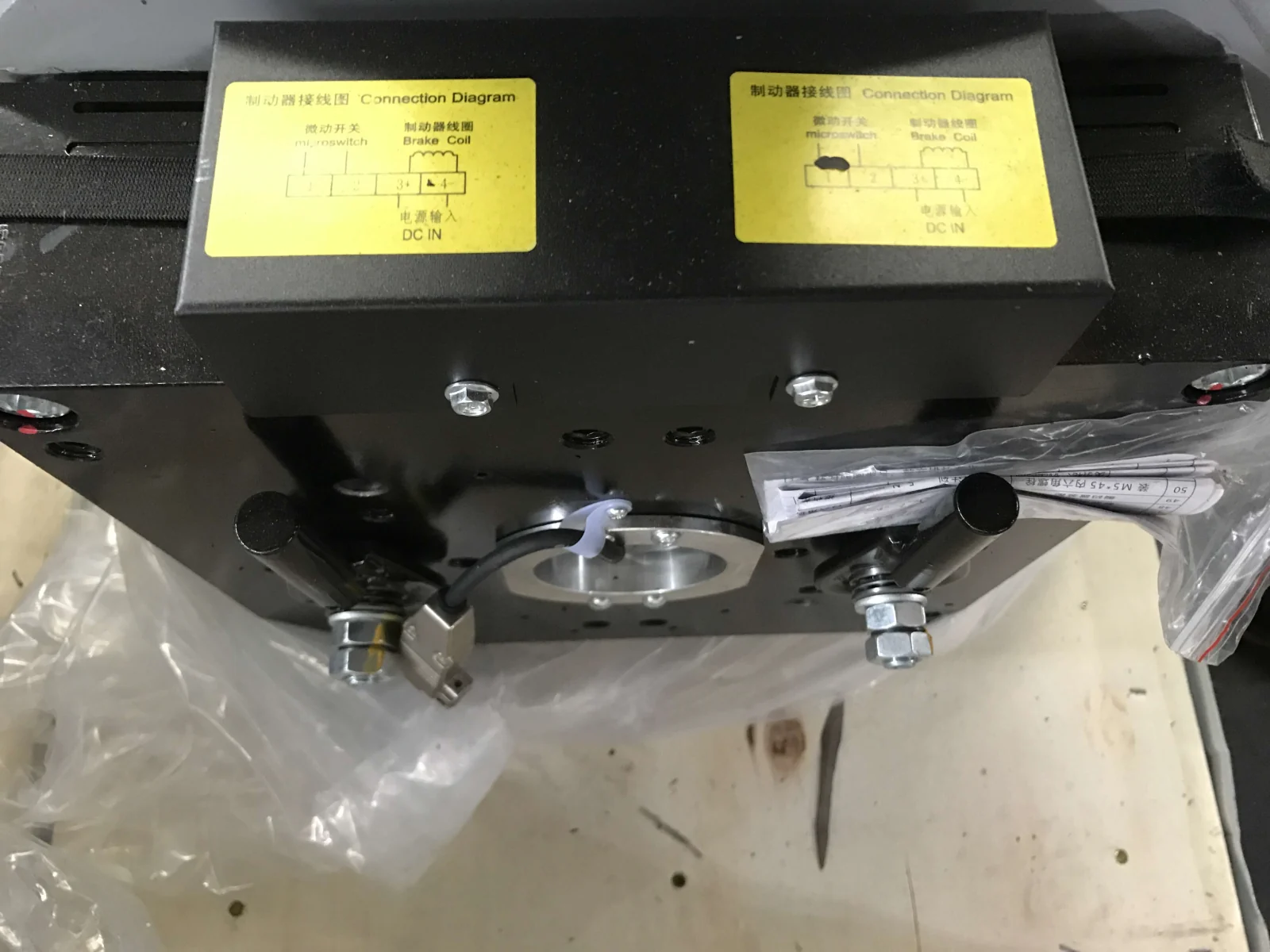
Close-up of a traction machine brake with two connection labels
Original system and component markings
Roller, linkage and fixings at the side of a lift door
Door mechanics and their interfaces
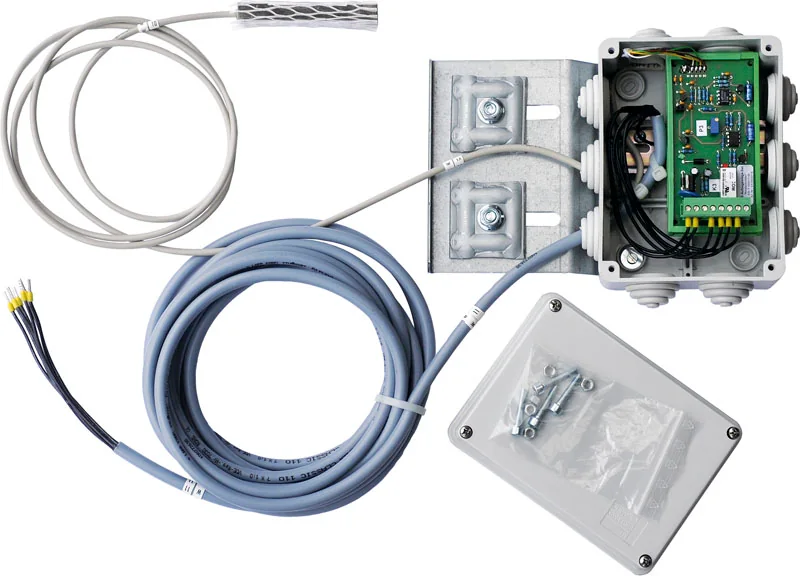
Electrical interface box with a circuit board, terminals and cables
Control connections and wiring
Evidence groupInformation to collect
Elevator identityManufacturer, complete model, serial/project number, installation year, rated load and speed, travel, stops and entrances
Building interfaceShaft, pit, overhead, machine space, entrance dimensions, structural arrangement, access and power
Drive and suspensionTraction or hydraulic arrangement, machine, motor, brake, sheaves, ropes or belts, encoder and feedback devices
ControlController, drive/inverter, software or firmware where available, position system, safety circuit and communication architecture
DoorsCar and landing-door arrangement, operator, locks, sensors, clear opening and known door faults
Car and fixturesCar frame/platform, cabin mass and dimensions, COP, LOP, indicators, communication and accessibility features
Safety-related equipmentGovernor, safety gear, buffers, locks, limit devices and associated evidence applicable to the installed system
Service historyFault records, maintenance history, previous replacements, modifications, inspection findings and parts availability
Project objectiveProblems to solve, performance target, appearance requirement, programme, budget route and intended remaining life

Photographs should show both the complete equipment context and readable labels. Drawings should carry a source and revision. Measurements should state who took them and under what access conditions. A remote review can organize this evidence; it cannot verify concealed conditions.

The JAFITALIFT Elevator Modernization page gives buyers a concise overview of the systems commonly discussed. This corporate page explains how JAFITA turns that discussion into a controlled investigation.

Make the status of every system explicit

Use a Retain, Replace, Modify and Verify Matrix

Every significant system should receive an explicit status:

  • Retain: condition and compatibility support continued use within the defined scope.
  • Replace: the system or component is included in the new supply.
  • Modify: retained equipment or building work must change to accept the new scope.
  • Verify: insufficient evidence exists and a survey, calculation, test or manufacturer review is required.
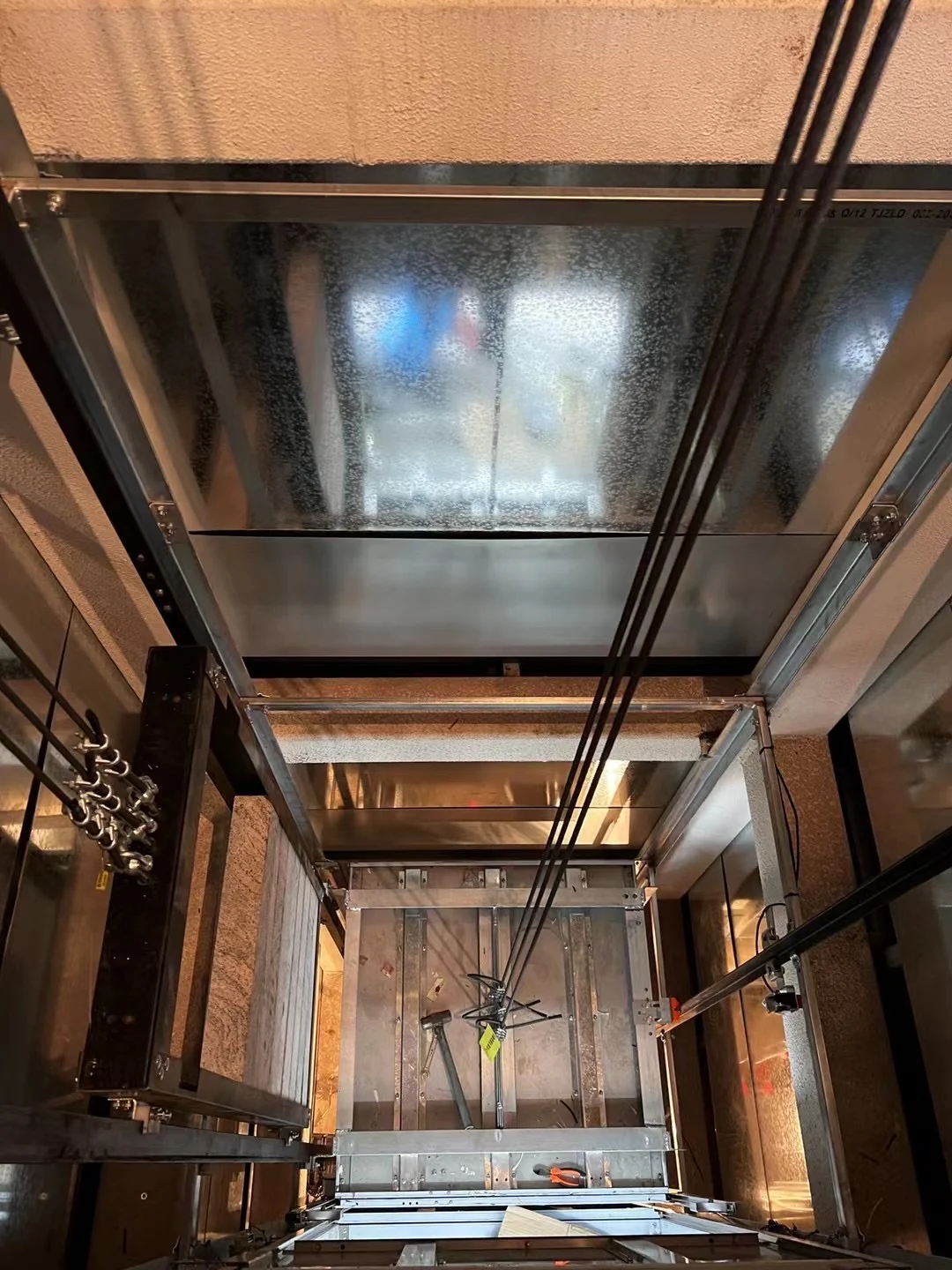
Guide rails, suspension ropes and steel supports viewed inside an elevator shaft
Existing shaft and suspension relationships · Illustrative context
Green circuit board with a heat sink, fuses and terminals
Control hardware and connected systems
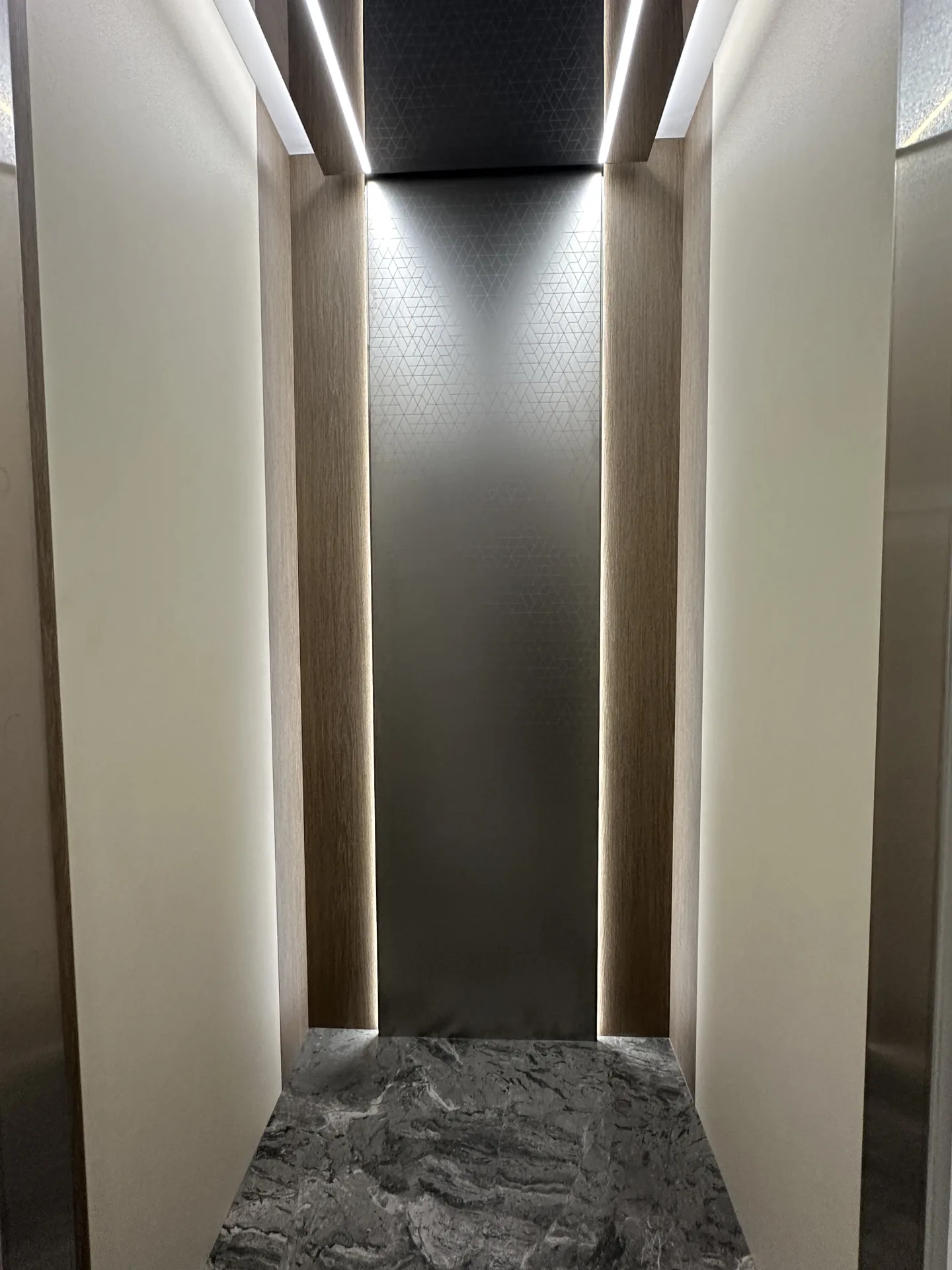
Static cabin finish display with a textured metallic back panel and linear lighting
Cabin finishes, mass and usable space
SystemTypical modernization questionInterface that must not be missed
Controller and driveCan the existing machine, encoder, doors and fixtures communicate and operate with the new control architecture?Power, motor data, feedback, safety circuit, I/O, traveling cable and parameter responsibility
Traction machine and brakeIs replacement driven by condition, compatibility, duty or parts availability?Suspension, sheave, bedplate, loads, motor, drive, encoder, brake monitoring and space
DoorsIs the root issue mechanical, electrical, alignment, interlock, operator or control-related?Entrance geometry, panels, tracks, locks, sensors, controller signals and local safety requirements
COP, LOP and displaysCan new fixtures connect to the retained controller and fit the existing panels?Communication protocol, voltage, wiring, cut-outs, functions, accessibility and finish
CabinCan finishes change without affecting car mass, clearances, ventilation, lighting or usable space?Car frame/platform, doors, traveling cable, floor level, balance and rated configuration
Suspension meansCan ropes, belts, sheaves or terminations be changed independently?Complete traction relationship, reeving, hitches, loads, wear criteria and approved system evidence
Safety-related componentsDoes the replacement belong to an approved and compatible safety system?Operating range, associated devices, certification scope, adjustment, testing and statutory acceptance
Building and powerCan the proposed equipment fit and operate within existing conditions?Supports, openings, access, machine space, electrical supply, fire and communication interfaces

The matrix prevents “unchanged” from becoming an assumption. A retained component still needs evidence that it can work safely and technically with the new system.

From investigation to verified configuration

A Modernization Review in Six Stages

Maintenance technician examining equipment above an open elevator landing entrance
An observed condition needs local context · Illustrative context

1. Problem and objective definition

Record the observed issues, frequency, affected users, maintenance impact and reason for considering change. Separate symptoms from conclusions. “Landing door reopens repeatedly at Level 4” is evidence; “controller must be replaced” is a proposed diagnosis.

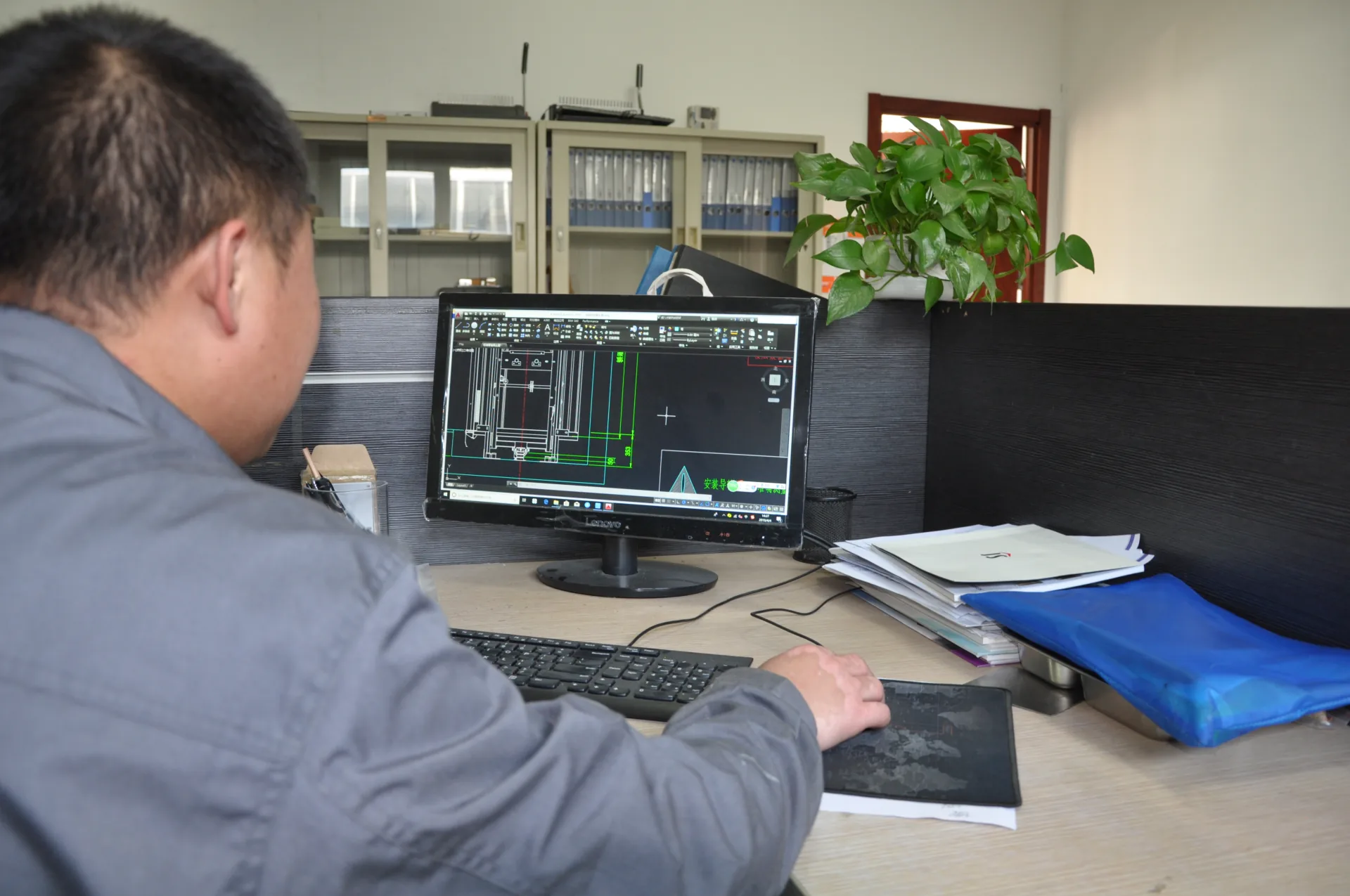
An engineer reviewing a lift CAD drawing at a workstation.
Review the available equipment records · Company archive

2. Document and site evidence review

Gather drawings, manuals, nameplates, service records, fault history and photographs. A qualified local party may need to survey dimensions, component condition, wiring and restricted equipment. JAFITA states which conclusions are based on documents and which require site verification.

3. Condition, obsolescence and compatibility assessment

Review which systems remain serviceable, which create the current risk or maintenance burden, and which lack viable parts support. Determine whether a direct replacement exists or whether connected systems must be changed.

4. Option study

Options might include targeted component replacement, one coordinated subsystem upgrade, phased modernization, multiple-system modernization or complete replacement. Each option should describe retained equipment, new equipment, building work, downtime assumptions, technical dependencies, evidence gaps and responsible parties.

Close-up of a traction machine brake with two connection labels
Drive and brake relationships
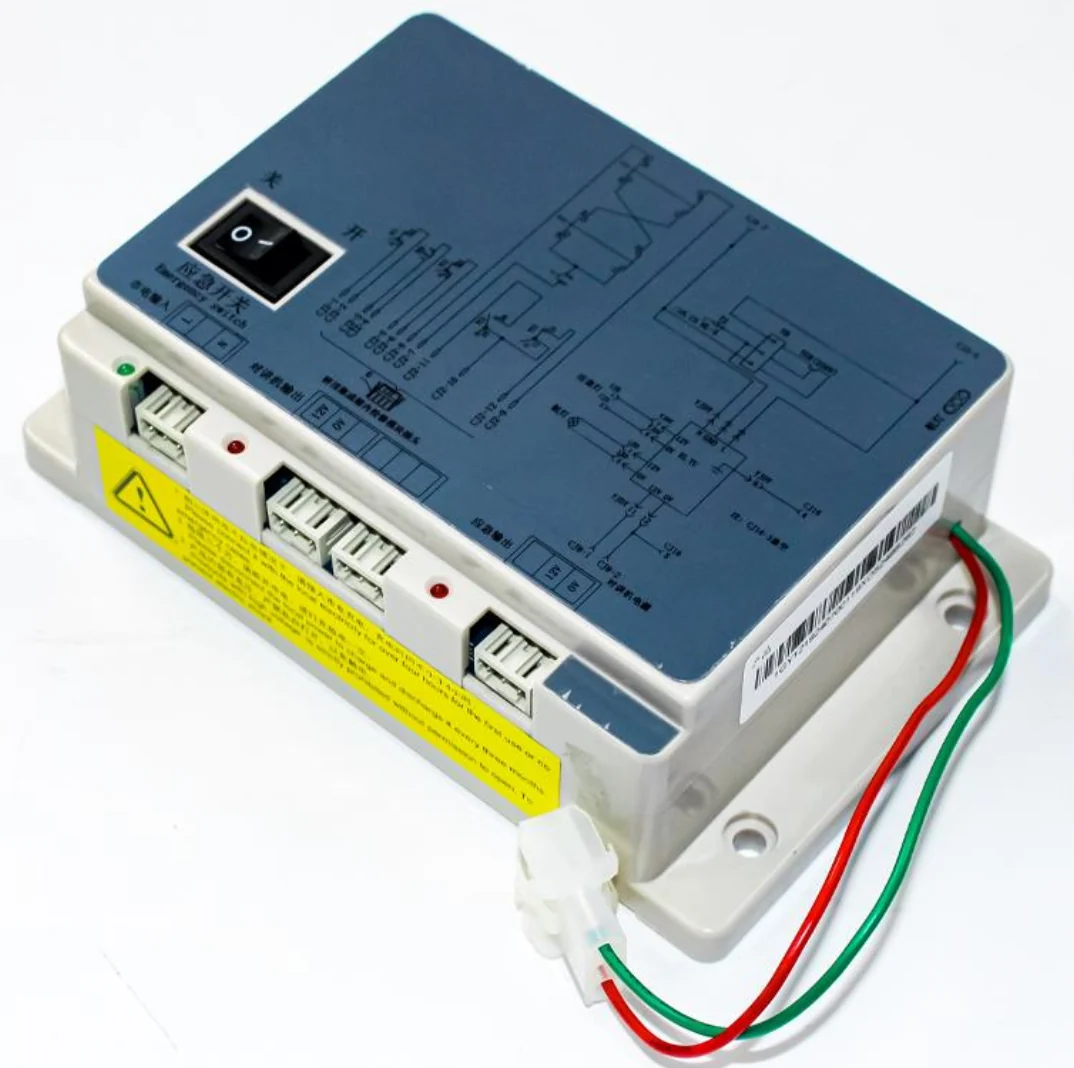
Electrical power module with a switch, connectors and a printed circuit diagram
Power and electrical interfaces
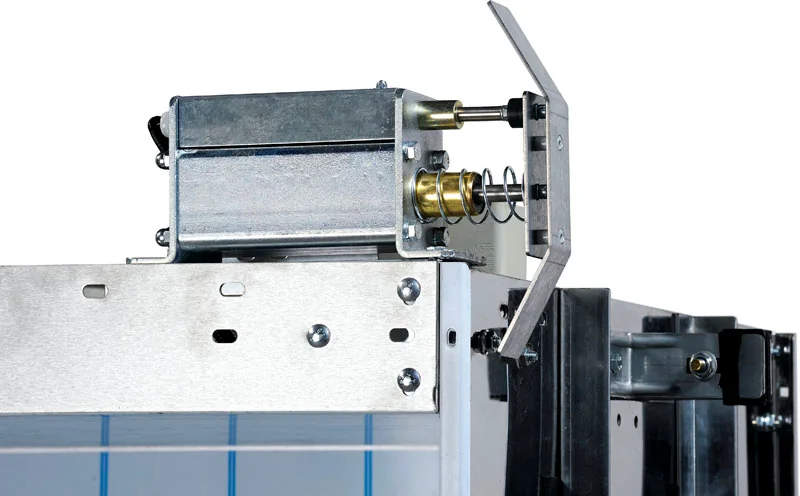
Spring, linkage and bracket detail at the top of a lift door assembly
Door components and connected mechanics
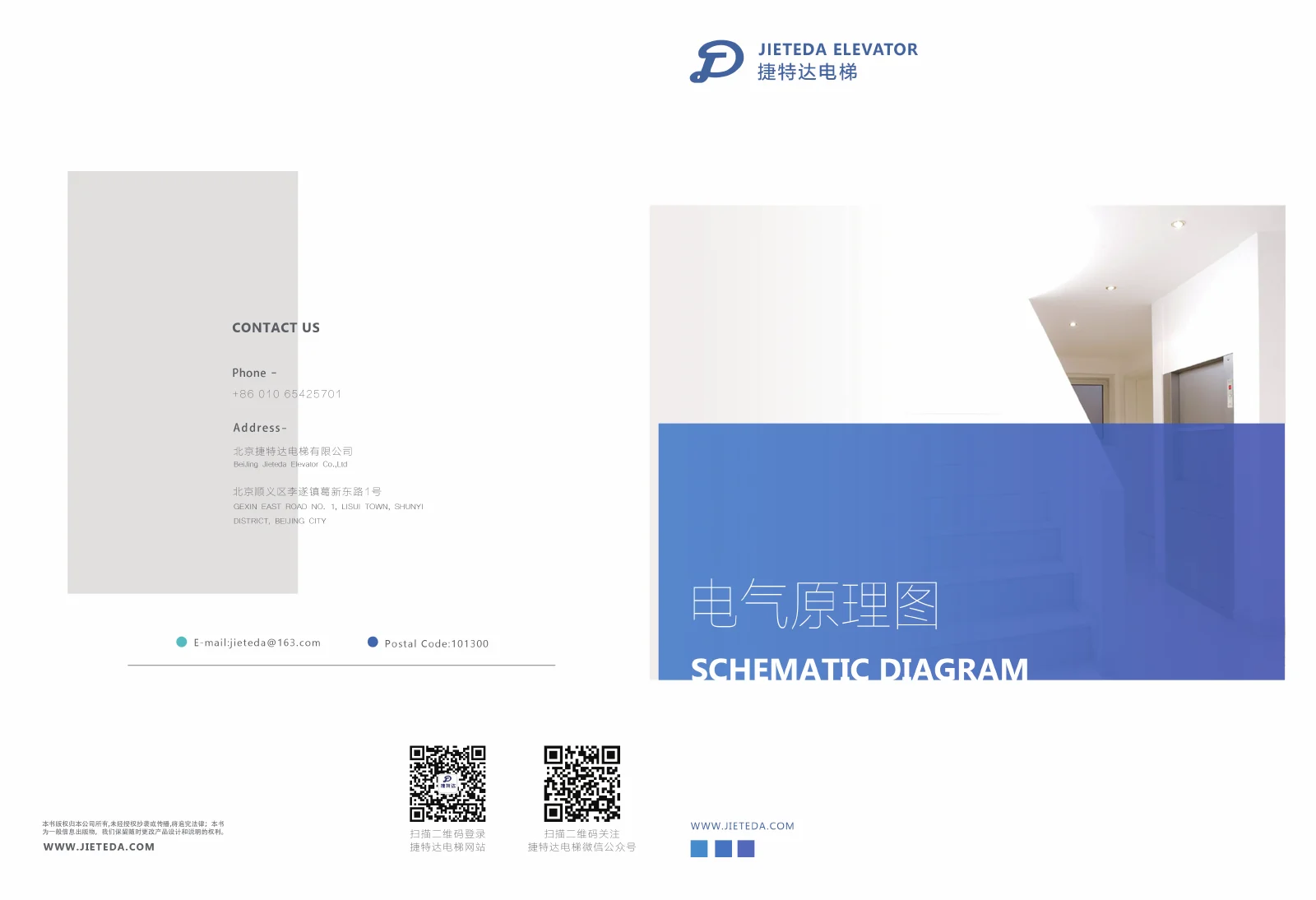
Cover spread of the Jieteda schematic diagram manual in the 2024 source archive
Archived schematic manual · Equipment-specific applicability

5. Defined technical and commercial scope

The selected option becomes a controlled scope: equipment list, interfaces, drawings, site work, removal, installation, programming, commissioning, testing, documents, spares, exclusions and change procedure. Destination requirements and local approval responsibilities must be visible before the order is released.

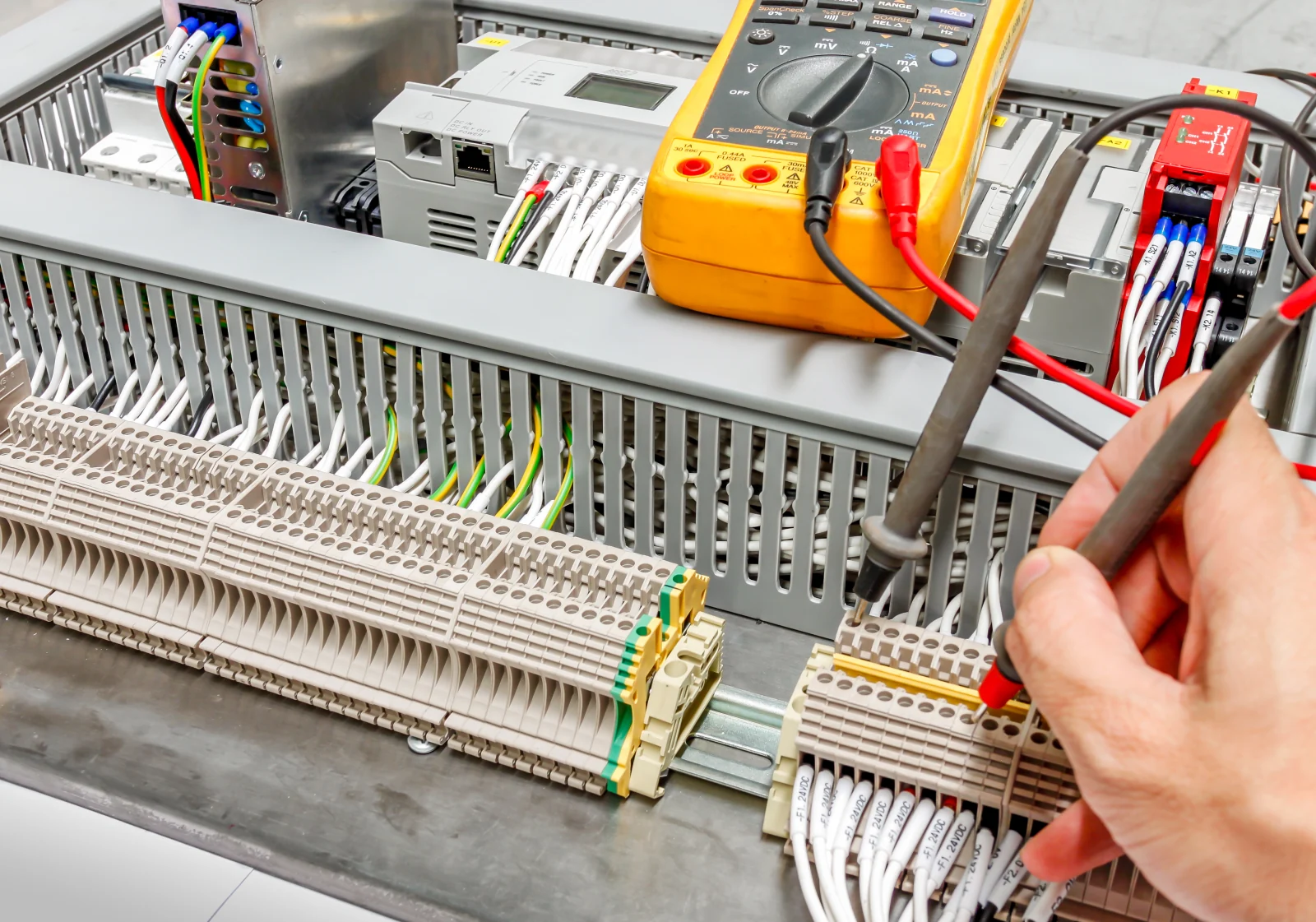
Testing terminals inside an electrical panel with a digital multimeter.
Integrated technical verification · Illustrative context

6. Execution, verification and final records

Qualified parties carry out site work under the approved method and local rules. Commissioning and inspection demonstrate the integrated result. Final records should show what was retained, removed, installed, configured and tested so future maintenance is based on the actual modernized elevator.

Compare the whole scope

Partial Modernization or Complete Replacement?

Electrical interface box with a circuit board, terminals and cables
A targeted scope still has connected interfaces

A partial modernization can be practical when retained systems are in suitable condition, interfaces are known, parts remain supportable and the defined upgrade addresses the project objective. It may reduce building work and keep serviceable equipment in use.

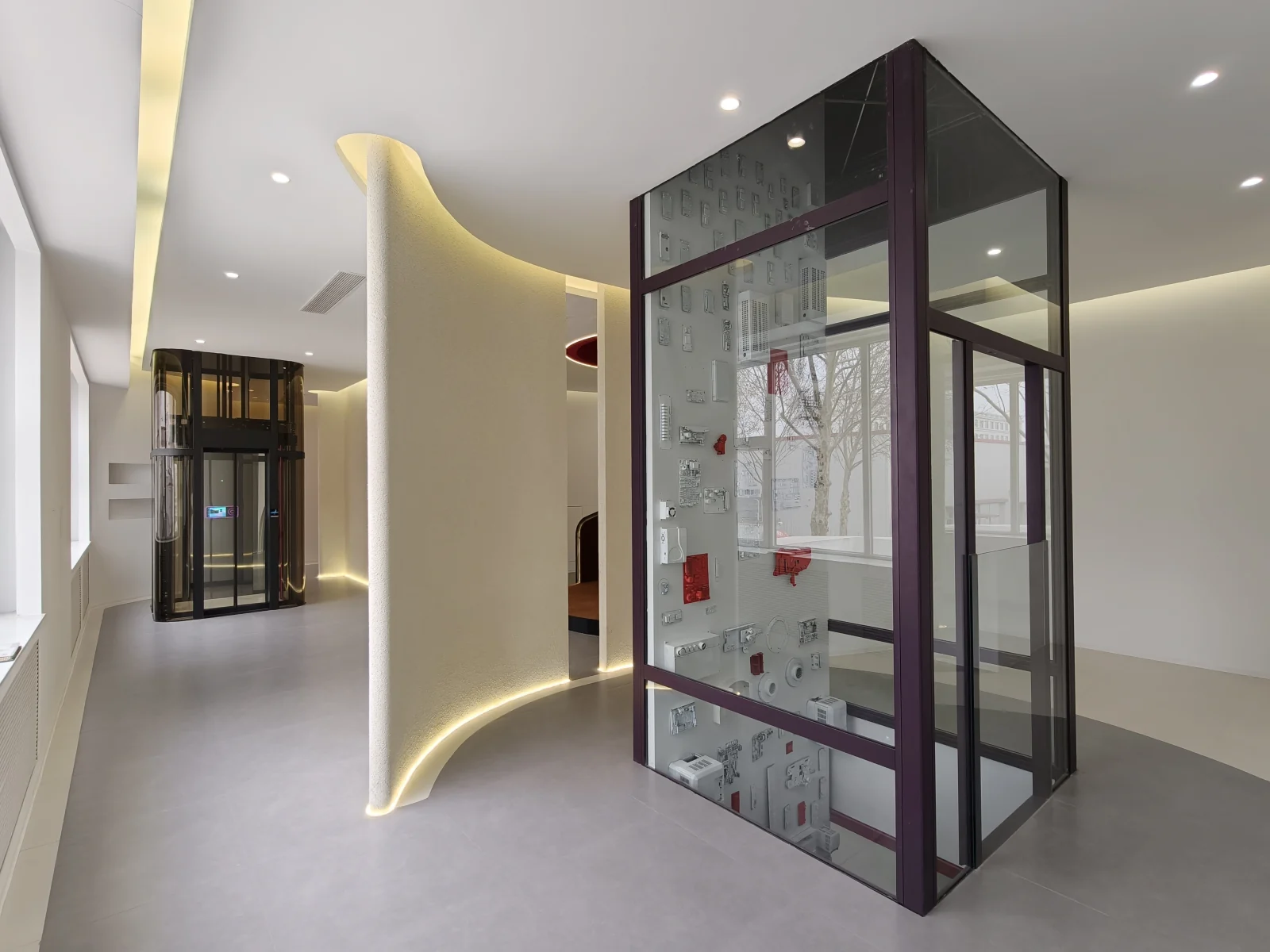
Transparent elevator frame displaying internal components and their positions
Consider the whole equipment configuration

Complete replacement may deserve review when several major systems are obsolete, records are missing, the existing architecture prevents the required outcome, structural or regulatory changes are substantial, or successive partial repairs would leave an unclear and difficult-to-maintain configuration.

Neither route is automatically cheaper or safer. The comparison should include investigation, design, removal, equipment, building works, installation, downtime, testing, documents, local approval and future maintainability. A low component price is not a complete modernization cost.

Technical records reveal the connected system

Lessons from Jieteda’s Technical Archive

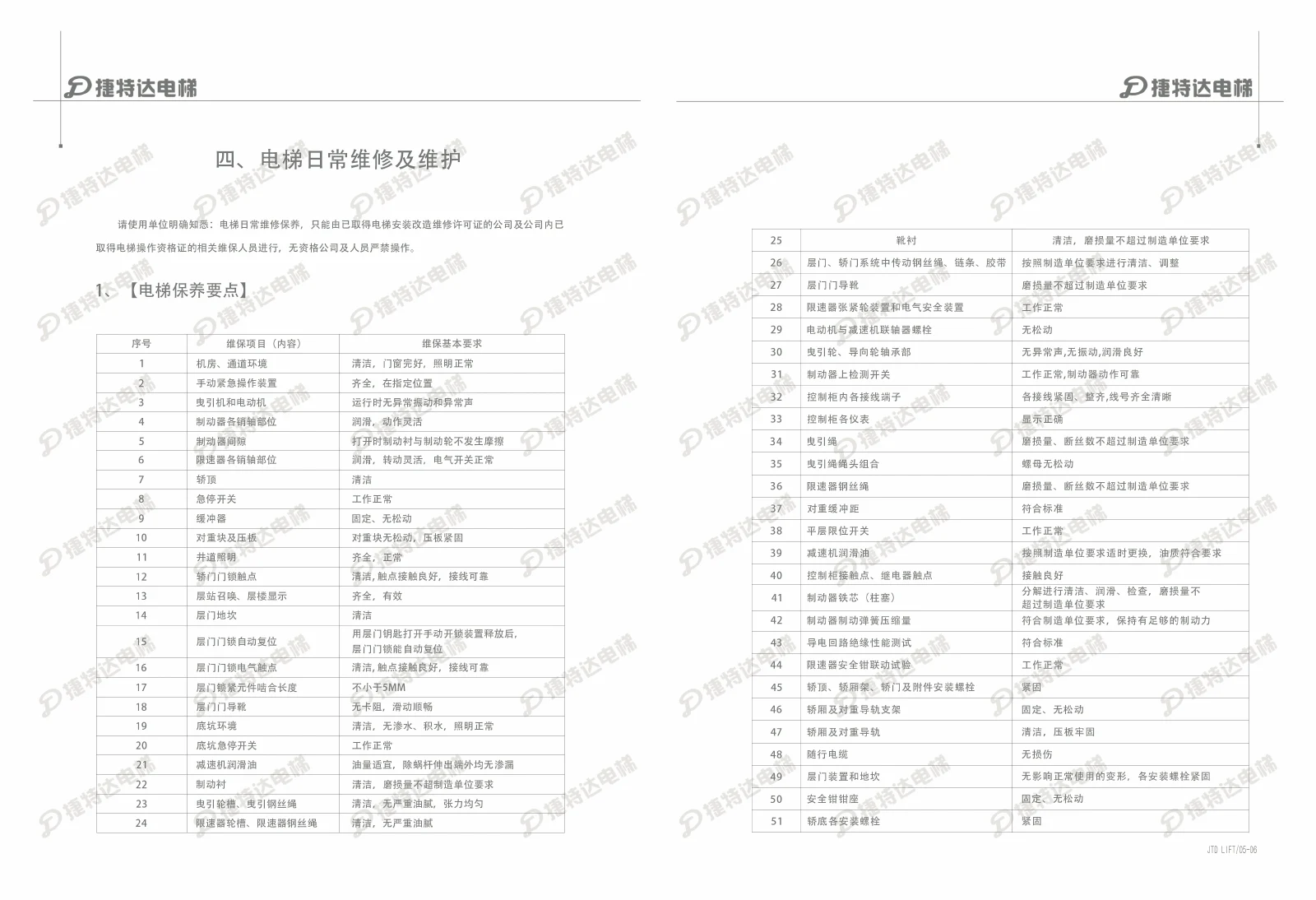
The archived Jieteda installation and maintenance manuals show why system interfaces matter. The installation material connects the machine base, traction machine, guide system, car, counterweight, doors, safety gear, governor, buffers and brake. The maintenance manual extends the view to interlocks, control terminals, ropes, safety circuits, traveling cable, fixtures and fasteners across 51 checkpoints.

Archived installation-guide spread showing preparation items and elevator frame references
Archived installation manual · Equipment-specific applicability
Archived Jieteda maintenance-manual spread listing 51 maintenance checkpoints
Archived equipment-specific maintenance manual · 51 checkpoints

The fault-reference material also lists several possible causes for conditions such as failure to start, abnormal noise, overheating, oil leakage or brake release problems. These records do not diagnose a current modernization project. They demonstrate a durable principle: a symptom should be traced through the installed system before a replacement scope is frozen.

For example, fitting a new controller may affect the drive, motor, encoder, doors, COP and LOP, safety circuit, position system, wiring and commissioning parameters. Replacing cabin finishes may affect mass, balance, clearances, ventilation and floor interfaces. Changing a door operator may still leave worn landing mechanics or incompatible signals unresolved.

Customer Inputs Required

Send the following information at the beginning of the review:

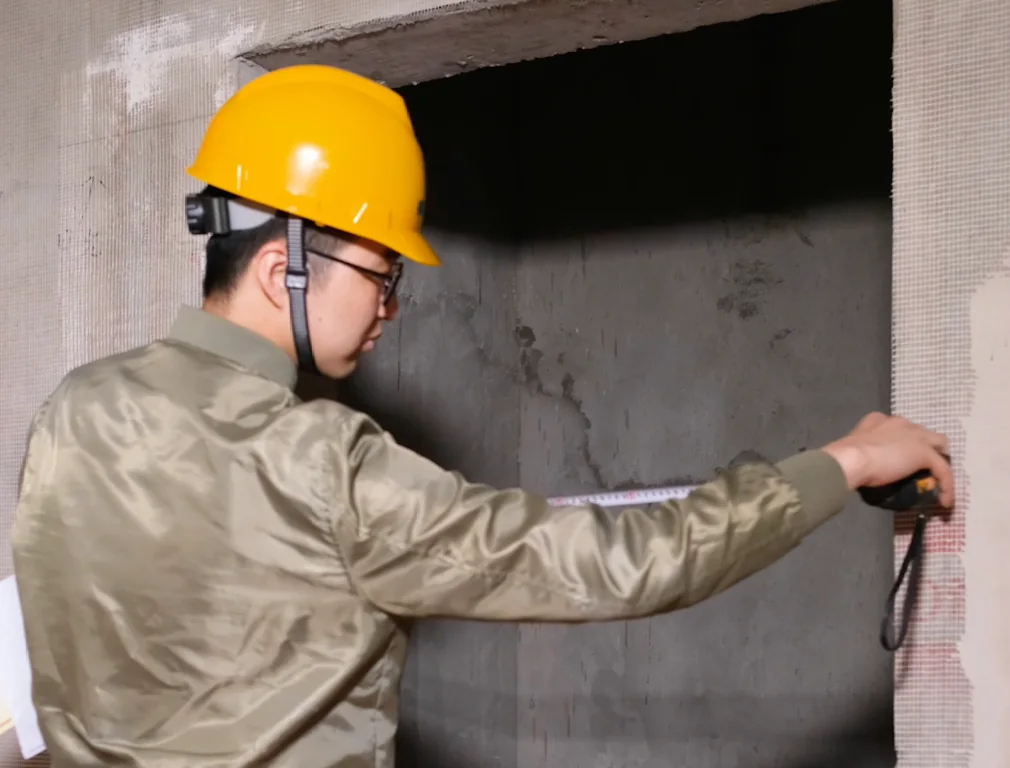
Worker measuring an unfinished elevator opening with a tape measure
Measurements need a responsible qualified source · Illustrative context
  • Building, city and destination country
  • Elevator manufacturer, model, year and project/serial reference
  • Rated load, speed, travel, stops and entrance arrangement
  • Current maintainer and authorized technical contact
  • Original and current drawings or manuals
  • Nameplates for major systems and proposed replacement parts
  • Fault and maintenance history
  • Previous modifications and replaced components
  • Clear photographs and videos taken safely
  • Site measurements made by a qualified party where required
  • Inspection findings or local requirements already identified
  • Project objective, preferred programme and downtime constraints
  • Systems the customer expects to retain or replace
  • Required deliverables and approval route

If records are incomplete, say so. A visible evidence gap is safer than an invented specification.

Modernization Deliverables

Depending on the agreed scope, JAFITA may coordinate or provide:

An open blank notebook with a pencil, phone, glasses and laptop on a white desk
Organize evidence, open items and the agreed scope · Illustrative context
  • Existing-equipment identity and evidence register
  • Open-information and site-survey request
  • Retain/replace/modify/verify matrix
  • Interface and compatibility review
  • Modernization option comparison
  • Preliminary equipment and component proposal
  • Responsibility and scope matrix
  • Drawing and document list
  • Risk, assumption and exclusion register
  • Technical clarification and change records
  • Parts-identification and supply proposal
  • Final configuration or handover document list

The output identifies its basis. A preliminary review based on customer photographs is not described as a condition survey or final engineering approval.

A technician working from a platform between lift guide rails.
Qualified local work and site control · Illustrative context
Testing terminals inside an electrical panel with a digital multimeter.
Testing the integrated configuration · Illustrative context

Return to service is a separate decision

Site Work, Commissioning and Approval

Modernization work changes equipment already integrated into a building. Removal, temporary protection, access, lifting, electrical isolation, installation, programming, adjustment, testing and return to service must be assigned to qualified parties. Building management also needs a plan for downtime, user communication and work-area control.

JAFITA’s supply or coordination role does not automatically include these activities. Where support is agreed, it follows the written scope. The responsible local installer, engineer, inspection body and authority retain their statutory and professional responsibilities.

After installation, commissioning must assess the integrated configuration rather than only the new component. The JAFITALIFT Installation and Commissioning page explains the wider site-coordination questions that follow equipment selection.

Modernization Questions

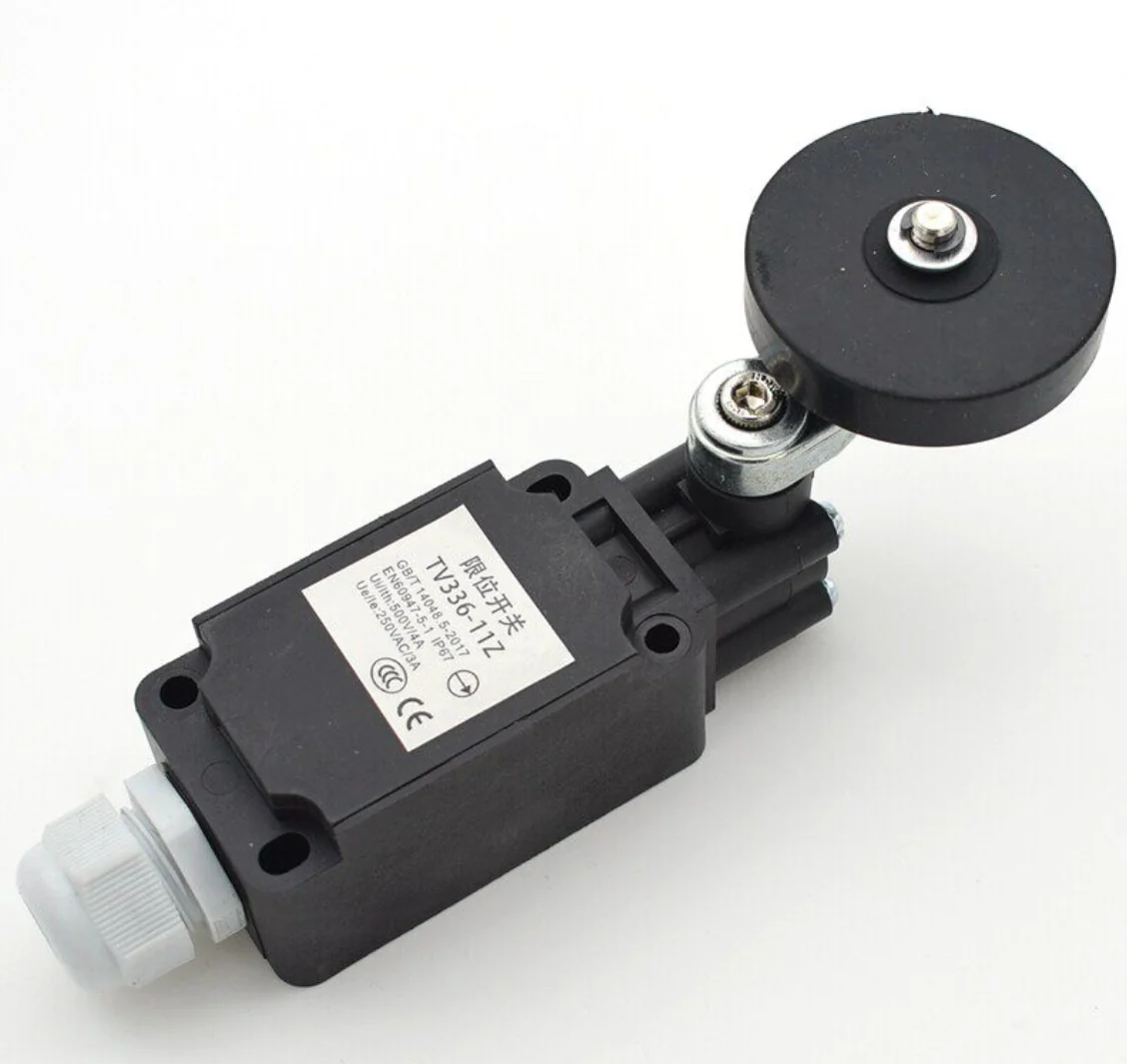
Black roller-lever limit switch
Appearance alone does not establish compatibility

Can JAFITA recommend modernization from photographs alone?

Photographs can support identification and preliminary review. Final scope may require drawings, measurements, condition checks, calculations, tests and a qualified site survey.

Does an obsolete controller mean the entire elevator must be replaced?

Not automatically. The retained machine, doors, fixtures, safety system, wiring and building conditions must be reviewed to determine whether a compatible control modernization is viable.

Can only the cabin interior be refurbished?

Possibly, but added mass, reduced clear space, door interfaces, floor levels, lighting, ventilation and structural attachment must be checked against the retained car and approved scope.

Can JAFITA modernize another manufacturer’s elevator?

A review may be possible when sufficient records, site evidence and technical access are available. Feasibility depends on the system, component availability, intellectual property, local requirements and the responsible technical parties.

Is modernization covered by the original elevator certification?

That cannot be assumed. The selected changes, product evidence, testing and local approval route must be reviewed for the actual jurisdiction and configuration.

Can an obsolete part be replaced with a visually similar alternative?

No conclusion should be based on appearance alone. Mechanical, electrical, communication, software, safety and documentation interfaces must be confirmed. JAFITALIFT’s Spare Parts resource explains the identification evidence needed.

Make the Existing Elevator Understandable Before Changing It

Send the equipment identity, current problem, available documents, maintenance history and modernization objective. JAFITA will help structure the evidence, define open questions and coordinate an appropriate equipment or component review without hiding the responsibilities that remain at site.

Hands reviewing building drawings on a desk
Start from the existing configuration and the intended outcome · Illustrative context