Elevator Control Systems
An elevator control system connects the service that passengers or operators request with the motion, doors, position information and protective functions of the equipment. Selecting a controller therefore means defining an entire set of interfaces, not simply choosing a cabinet with enough floor buttons.
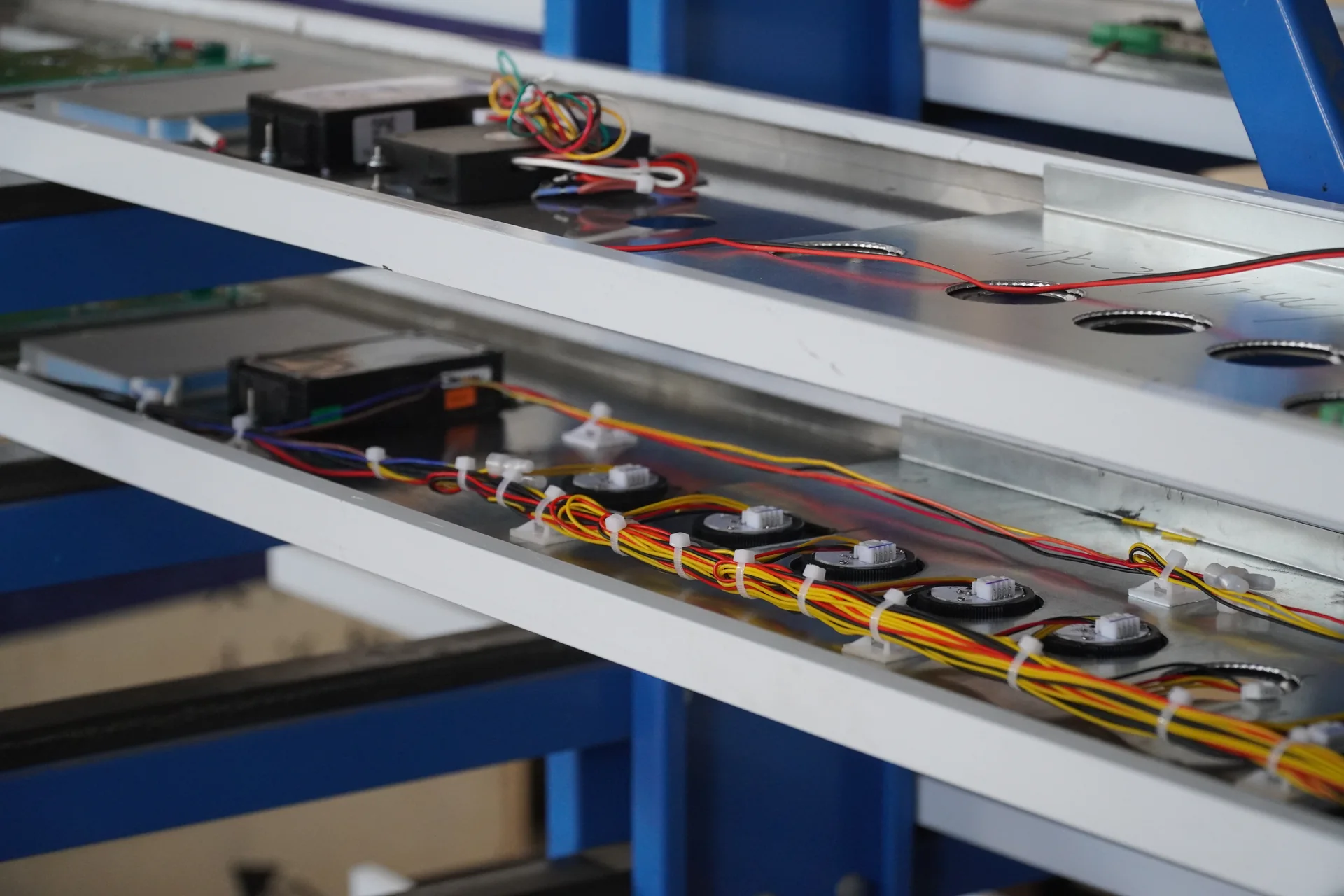
JAFITA coordinates complete control packages and identified replacement requirements. Its own technical archive includes Jieteda dumbwaiter control manuals and drawings. Passenger, freight, home and other equipment require their own matched hardware, functions and documentation. Floor count, drive ratings, supply, software and communication interfaces are confirmed for each proposed package.
Product Overview and Scope of Supply
Control supply may cover a cabinet, main controller, drive, power components, car and landing interfaces, position devices, fixtures and specified wiring. A board-only order has a different boundary from a complete controls replacement. The schedule should show what remains on site and what changes.

JAFITA’s role can include collecting the existing configuration, coordinating manufacturer responses and organizing the agreed drawing and function package. Site survey, electrical installation, programming, commissioning and statutory acceptance must have named responsible parties. Access to manufacturer software or service tools must be resolved before committing to a platform.
A board, a cabinet and a control package solve different problems
A board replacement retains the existing power equipment, wiring and connected devices. It is appropriate only when those retained items and the replacement board form a supported combination. The order must resolve whether the board is a blank service item or arrives with an agreed configuration; the hardware alone does not describe the finished operating behavior.
A cabinet replacement changes a larger assembly but may still retain the motor, door operators, shaft sensors and landing fixtures. A coordinated control package reaches further and identifies those devices explicitly. The larger package can remove difficult old-to-new interfaces, but it also changes the site-work and commissioning scope. The decision should follow the state of the installed equipment and available support, rather than treating “new cabinet” as a complete definition of modernization.
Applications and Operating Conditions
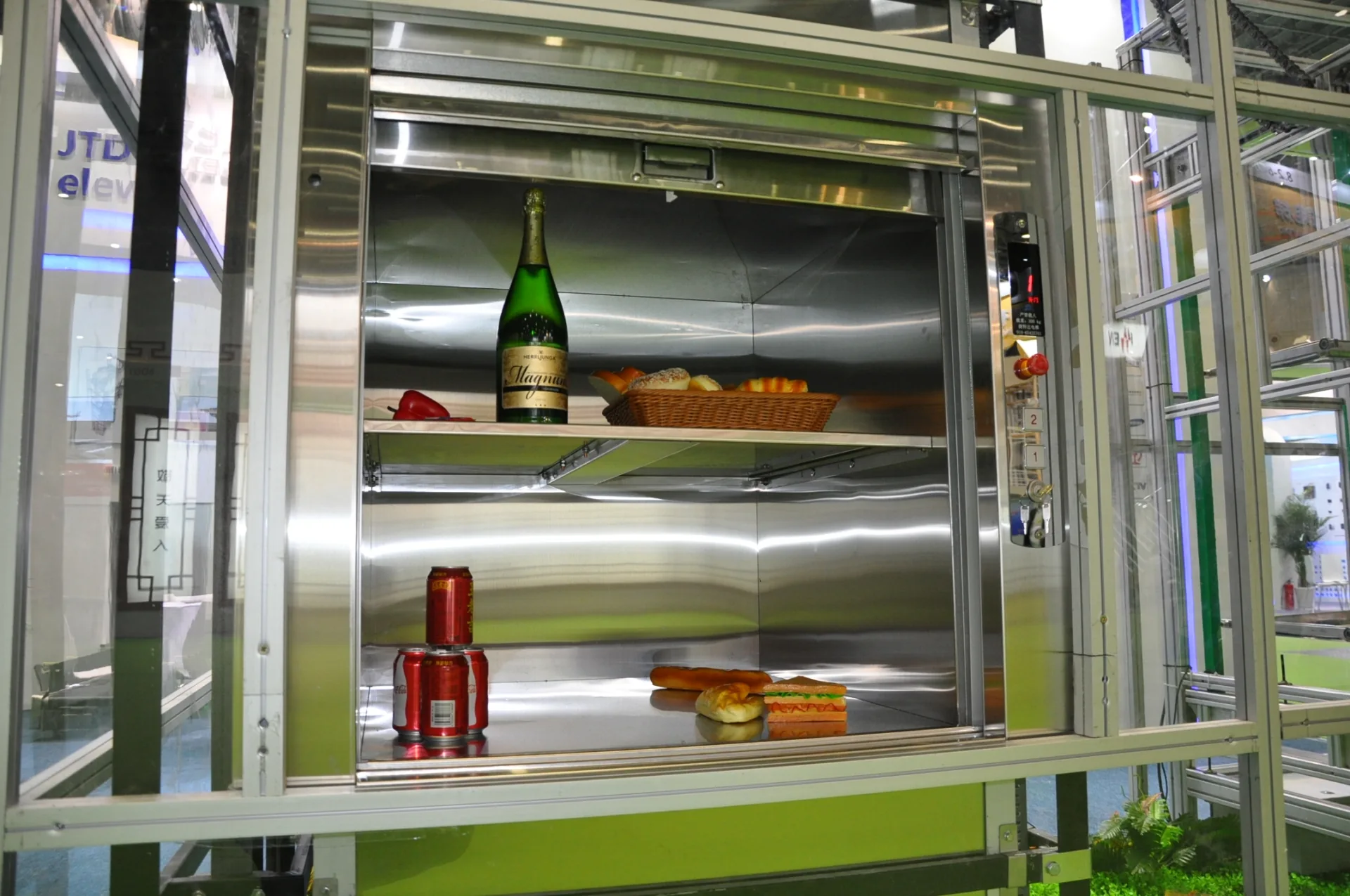
For passenger service, traffic patterns and user access determine the required call-handling functions. Freight use may require a defined loading mode and coordination with attendants. Hospital requirements can involve project-specific priority operation. Dumbwaiter control focuses on goods transfer, landing calls, door conditions and clear operating status.
The cabinet environment also matters: ambient temperature, condensation, dust, ventilation, power quality and cable routes affect selection. A control enclosure positioned beside a kitchen loading point faces different exposure from equipment in a conditioned machinery room. Describe the real installation location and maintenance access.
Control Package Configurations
| Supply route | Suitable enquiry | Main issue to resolve |
|---|---|---|
| Identified replacement board | Existing system with a confirmed failed item | Hardware revision, software and supported peripherals |
| Complete control cabinet | New installation or defined cabinet replacement | Motion, doors, shaft devices and power interfaces |
| Cabinet with fixtures and shaft wiring | Coordinated new or modernization package | Device schedule, wiring lengths, connectors and responsibilities |
| Broader control modernization | Existing platform with unsupported or incompatible interfaces | Retained equipment, changed functions and acceptance basis |
The archived 2024 Jieteda dumbwaiter manual includes settings for two to eight served floors and distinguishes single-speed, variable-frequency and automatic-door control arrangements. These details apply to the platform identified in that manual. For a current enquiry, the proposed controller schedule defines its floor count, operating modes and connected equipment.
Performance and Engineering Features
A clear function schedule improves operation because it describes what happens in each service condition. Specify how calls are handled, which entrances may open, how loading affects service and how authorized priority modes interact with normal operation. Terms such as “intelligent control” do not answer those questions.
Fault information is useful when it preserves the operating context. An event record can help qualified service personnel distinguish a repeated door condition from a power or position issue. It does not prove that the controller board is defective. Diagnostic capability, record access and service permissions should be part of platform evaluation.
Describe functions through an actual service sequence
For an illustrative two-entrance goods elevator, “front and rear doors” is a mechanical description, not a complete operating requirement. The control schedule must identify which entrance serves each landing, whether simultaneous access is intended, how loading affects calls and how a held-open entrance affects service to other floors. A feature called “independent service” on one platform may not provide the same behavior as a similarly named feature on another.
This sequence links the Freight Elevator or Dumbwaiter operating brief to its Door System. It also gives the project team something concrete to review and demonstrate: what the user requests, what the equipment should do and what condition prevents the next action.
An event is evidence of a condition, not proof of a failed board
Suppose the qualified maintainer reports that normal journeys are interrupted after a door cycle. Useful evidence includes the sequence of displayed events, the floor and entrance involved, whether it repeats elsewhere and recent changes to connected equipment. That pattern is more informative than a photograph of the final alarm alone. It allows the responsible source to distinguish a platform question from a door, power, communication or field-device question without asking the building operator to enter restricted areas.
System Architecture and Connected Devices
The controller receives calls and relevant equipment status, coordinates movement through the drive, and works with the door and position systems. Depending on the design, devices may use discrete signals, a manufacturer-defined bus or another documented interface. The fact that bus-based controllers exist in the industry does not establish protocol compatibility for an unidentified board.
Review Traction Machines, Door Systems and Safety Components alongside the controls. Each connection needs its actual voltage, signal definition and supported version.
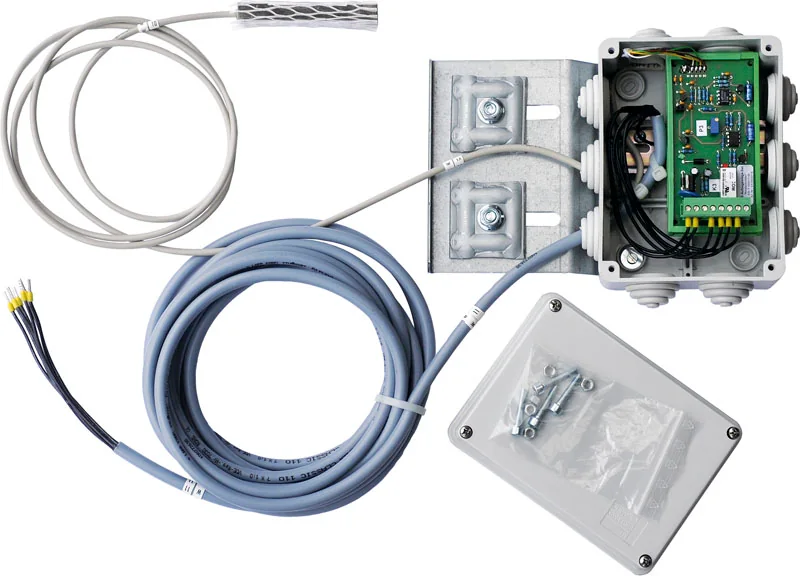
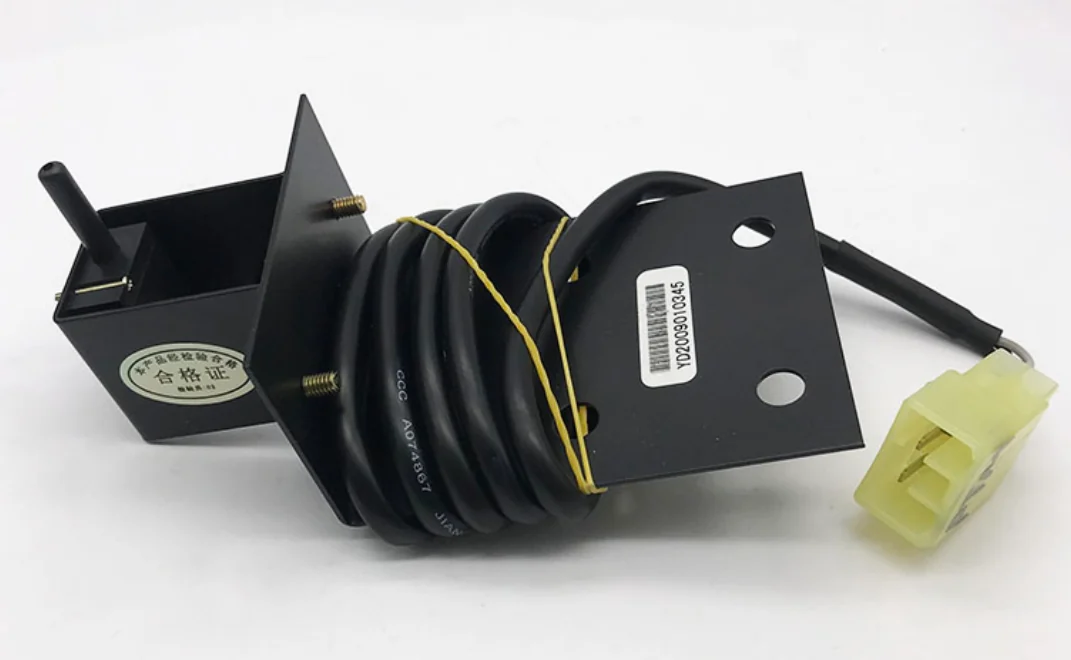
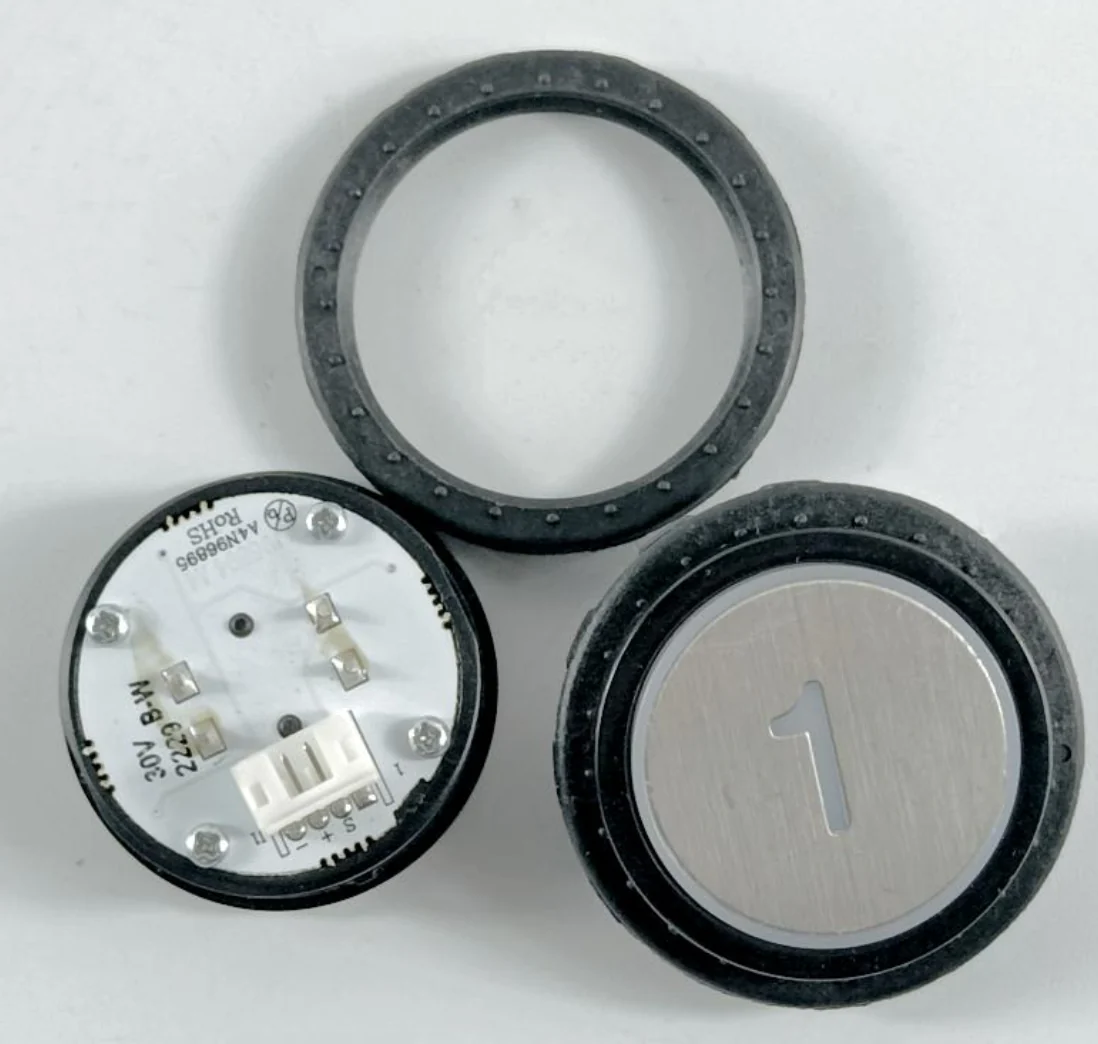
The 2024 Jieteda dumbwaiter manual makes these layers visible: it separately describes main-board inputs and outputs, landing-display communication, a power/interface board and an interface board for variable-frequency control. This distinction matters in an enquiry. Replacing a landing display addresses a different connection from replacing the main controller; replacing the drive introduces motor and motion requirements as well as command and status signals. Match the board and function schedule to the equipment version being supplied or maintained.
A supported interface has several levels. The connector must fit, its electrical signals must be suitable, their meanings must agree, and the software must interpret them correctly. Passing one level does not establish the others. This is why a clear photograph can identify a connector but cannot establish that an unfamiliar board will communicate with it.
Technical Specifications
| Control information | Unit or record | Why it matters |
|---|---|---|
| Equipment duty | Category, rated load, speed, travel and stops | Establishes operating requirements |
| Incoming supply | V, Hz, phase and earthing arrangement | Determines cabinet and power components |
| Motor and drive | Models, ratings, motor type and feedback | Defines the motion interface |
| Controller identity | Full model, board revision and software version | Establishes platform compatibility |
| Doors | Quantity, entrance allocation, operator and signals | Coordinates permitted door operation |
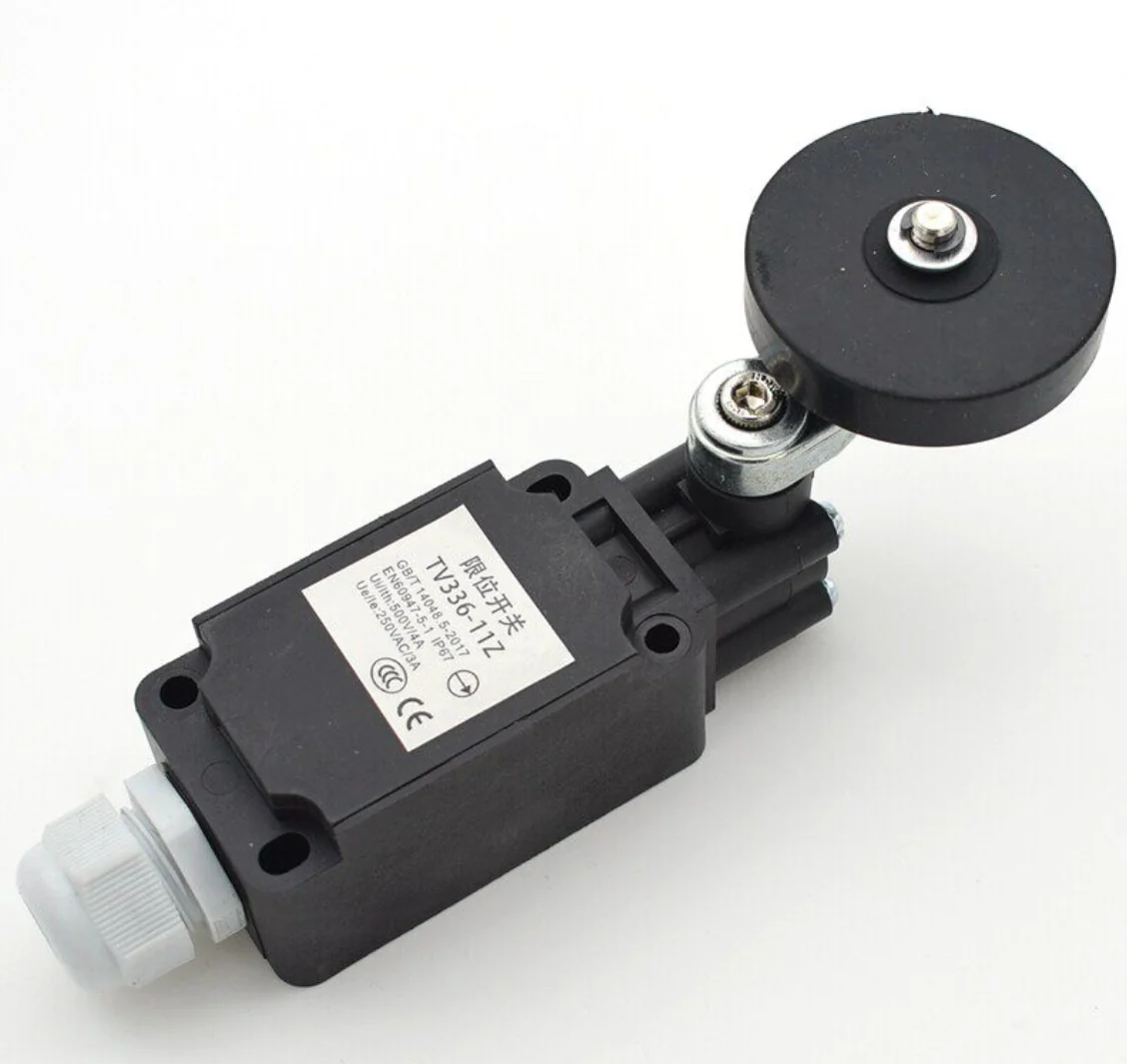
| Position system | Device model, resolution or switching arrangement | Matches position information to the controller |
| Connected devices | Model, supply, pin assignment and documented protocol | Prevents assumptions from connector appearance |
| Service functions | Approved function schedule | Records normal, priority and emergency behavior |
| Cabinet | Dimensions in mm, heat data and protection requirement | Establishes installation conditions |
| Handover | Drawings, configuration record and authorized service access | Supports continued maintenance |
The archived dumbwaiter controller is described with a 380 V, 50 Hz supply. Confirm the destination supply against the selected cabinet’s electrical design and ratings, including any required change from that documented configuration.
Cabinet Dimensions and Electrical Interfaces
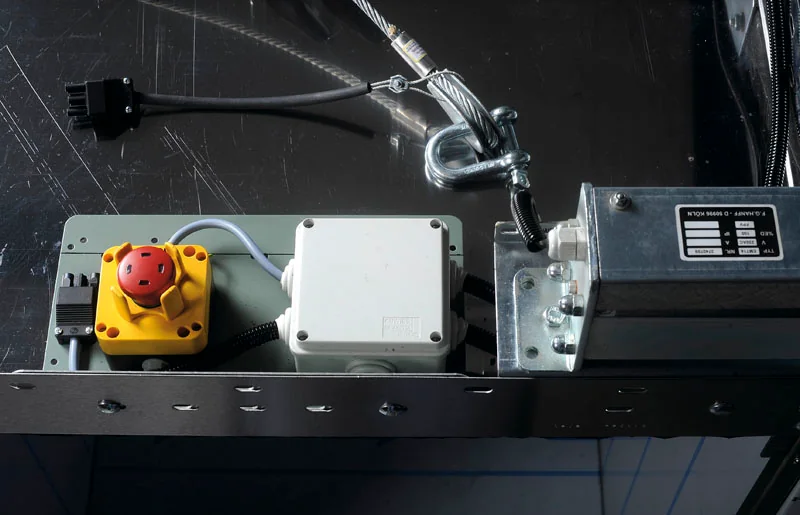
Cabinet planning must include the door opening, cable entry, required working space and the route for replacing internal equipment. Confirm heat rejection and the surrounding ventilation arrangement with the selected supplier. The electrical designer must coordinate upstream protection, isolation, earthing and building-side interfaces.
For modernization, document terminal functions and cable condition before assuming existing wiring can remain. An old schematic may omit later modifications. Project Planning connects these electrical and spatial requirements with the actual building.
Safety Functions and Applicable Requirements
Safety-related functions require the correct hardware, software, circuit arrangement and associated evidence. A normal call input, a fault message and a safety circuit do not have interchangeable roles. The project must identify the required functions and the qualified party responsible for validating them.
Fire-related operation, emergency power behavior and rescue provisions depend on equipment and destination requirements. Do not infer these functions from the presence of a menu item. Required documentation must match the delivered version and completed installation. The ASME standards portfolio includes a separate elevator electrical-equipment standard, illustrating why the electrical scope deserves explicit review.
Functions, Versions and Options
Potential project requirements include additional entrances, access-control interfaces, operating displays, remote status functions or integration with a building system. Availability depends on the platform, software, connected devices and permitted use. Document who owns and maintains any external network or subscription service.
For a board replacement, identify required configuration, licenses, service tools and parameter records before shipment. A factory-new board may not arrive with the configuration needed by an existing installation. Any changes must follow the responsible manufacturer’s process and qualified site commissioning.
Version records should cover the connected system, not only the main-board label. A supported main-board revision may depend on particular peripheral firmware or drive communication behavior. Keep the as-supplied list and record later authorized changes so a future maintainer can identify the combination actually operating in the building. User-visible functions, access permissions and external-system dependencies belong in that same handover record.
Quality Control and Functional Verification
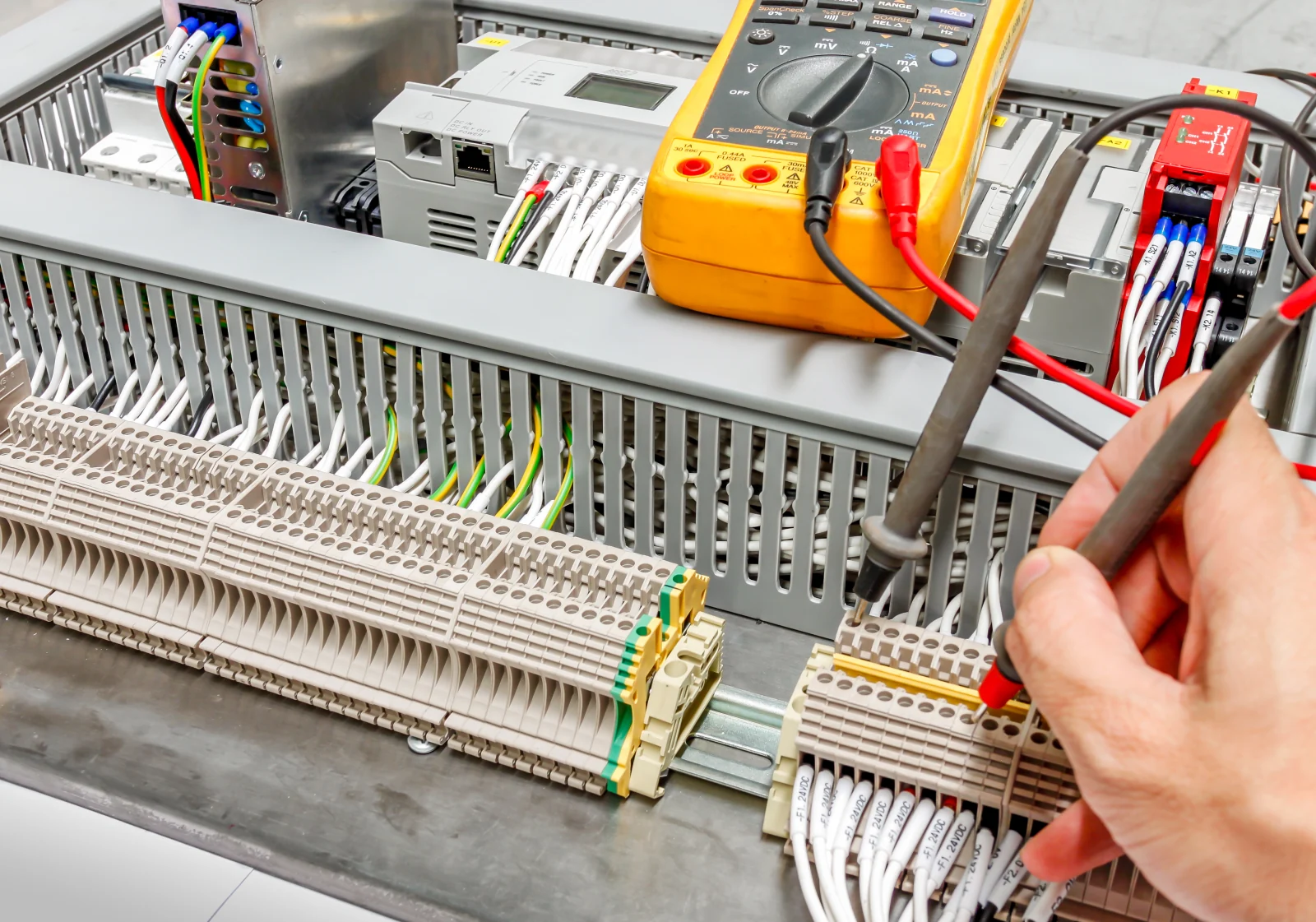
The control package should be checked against an approved hardware list, function schedule and drawing revision. Agreed factory evidence may include electrical inspection and specified functional checks; the quotation should state what is included and whether a witness is required.
For each new control package, match the electrical inspection and functional records to its hardware schedule, wiring revision and agreed functions. See Quality Management and Inspection and Testing.
Reference Applications and Modernization Decisions
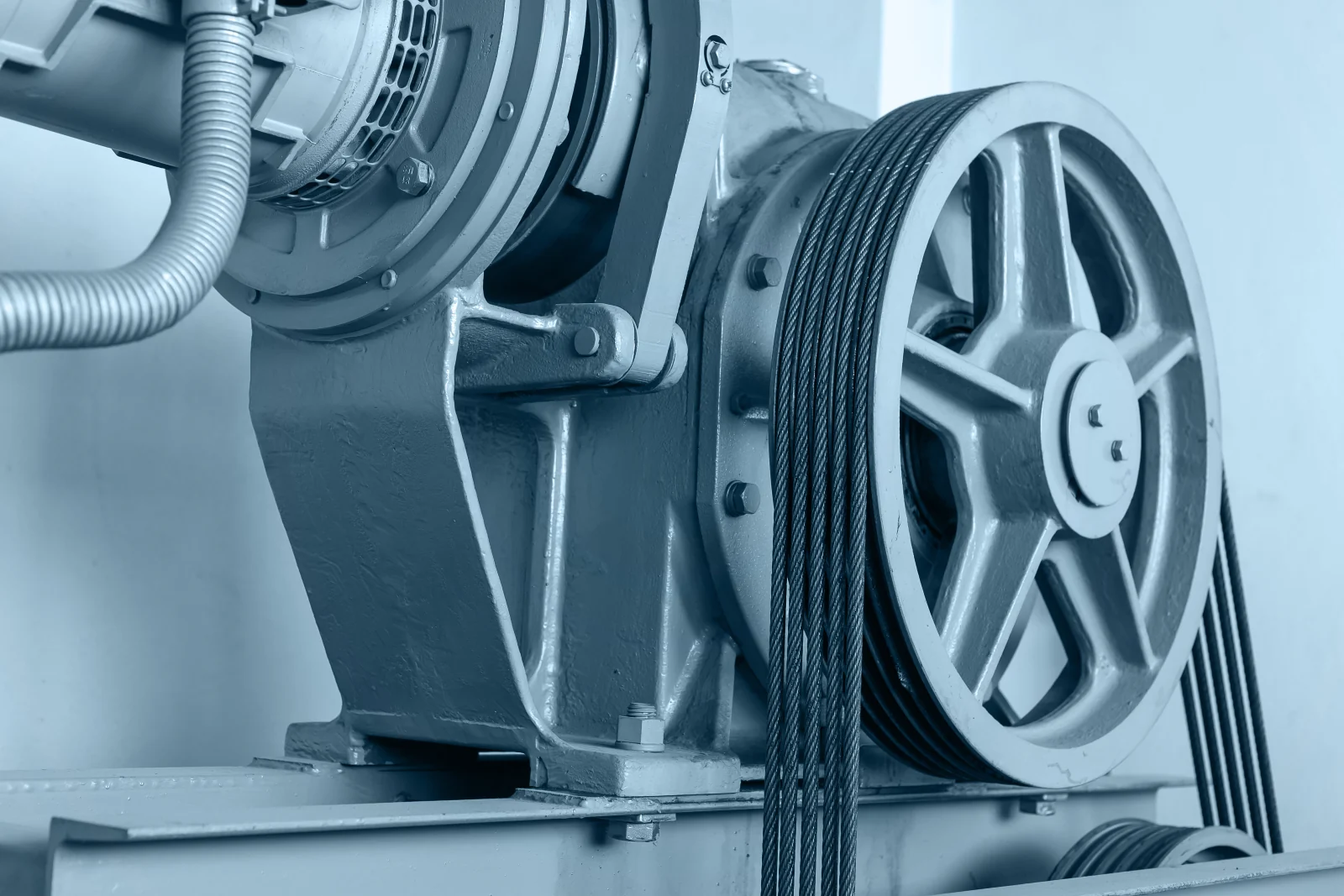
An illustrative goods-elevator project retains the existing motor but replaces unsupported controls. The first question is whether the proposed drive and controller support that motor and its feedback. The next is whether retained doors, position devices and fixtures can remain within an approved system. The answer determines the true package size.
For a relevant reference, identify the control platform, retained equipment and work scope. Ask for available records showing which interfaces were preserved and which systems changed.
Technical Documents and Drawings
JAFITA’s archive includes Jieteda control-system drawings and a control-system manual dated 2024 for applicable dumbwaiter equipment. Requests should identify the installed cabinet and revision so the team can determine whether those records match.
For a proposed new package, request the wiring diagram, terminal schedule, function list, device schedule, applicable manuals and configuration-handover scope. Public descriptions cannot replace the exact issue used by qualified personnel.
Delivery and Lifecycle Support
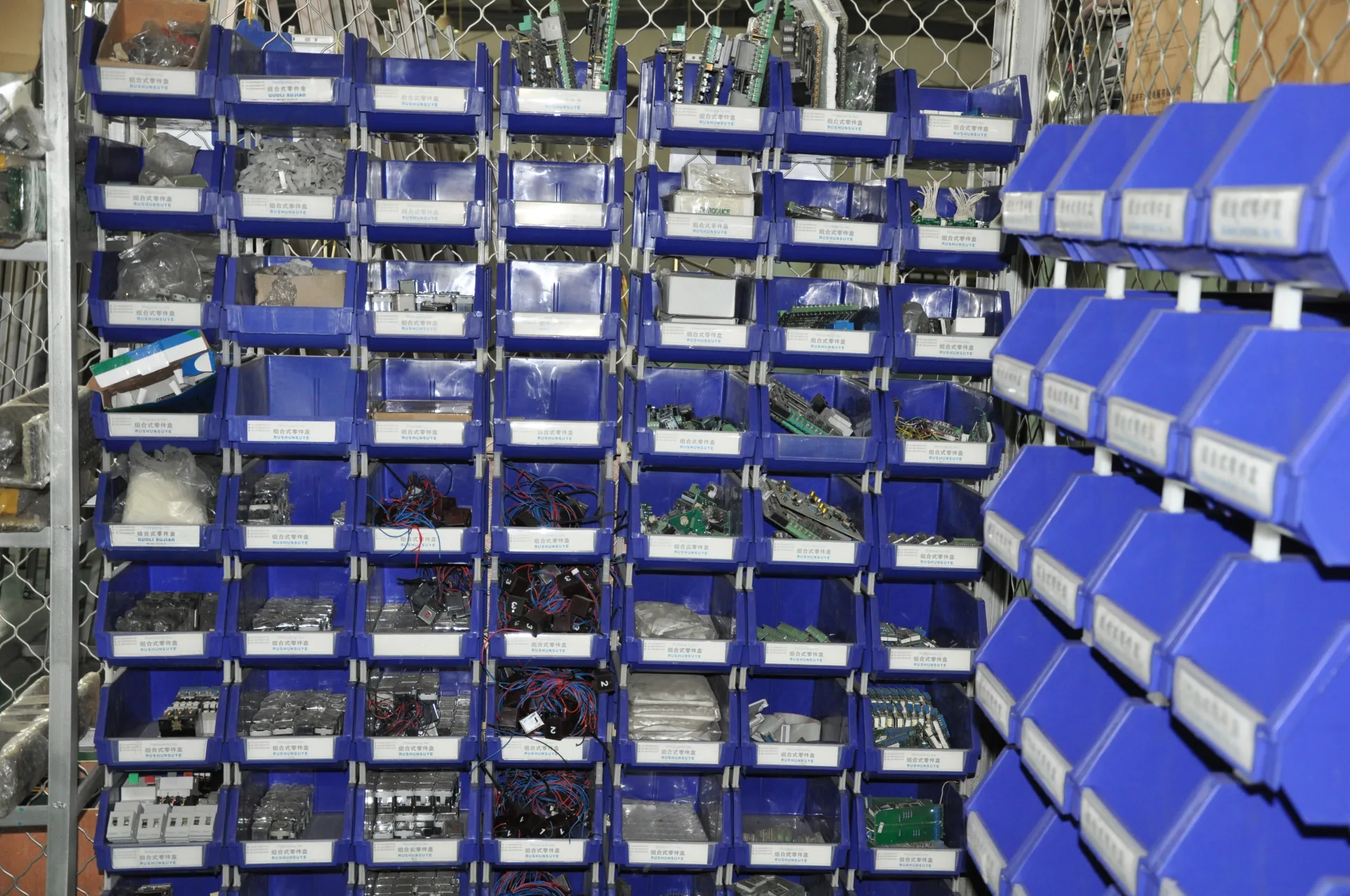
Cabinet packing must protect internal equipment and preserve identification of separately packed devices. The site team needs the correct power supply, dry storage, cable routes and agreed commissioning readiness before energization.
Coordinate delivery-stage technical questions through Installation Support. Agree operator and qualified-maintainer information through Technical Training. Preserve the final drawings, hardware versions and configuration records for future After-Sales Support.
Control-System Questions
Is a drive the same as an elevator controller?
No. A drive manages motor operation; the elevator controller coordinates the wider service and equipment functions. They may share an integrated product, but their interfaces and responsibilities still need definition.
Can a board be replaced with the newest revision?
Only when the manufacturer confirms the supported combination of hardware, software and connected devices. Newer does not automatically mean backward compatible.
Do matching A and B terminals prove a communication protocol?
No. Terminal names alone do not establish protocol, electrical characteristics or message compatibility. Use the actual interface documentation.
Can remote monitoring replace local maintenance?
No. Remote status can support diagnosis when provided, but physical inspection, emergency response and maintenance remain assigned to the qualified local organization.
Related Resources and Enquiry Information
Send the cabinet, main-board and drive labels; current software information; electrical drawings; motor and encoder identities; door-system details; and the required operating functions. For faults, add the exact message and context recorded by the qualified maintenance team.
See Dumbwaiters for the documented goods-service context, Modernization Support for wider changes, and After-Sales Support for replacement and identification requests.