
Does ISO 9001 certify JAFITA products?
No. It certifies the named organization’s quality management system within the scope printed on the certificate. Product conformity needs product- and project-specific evidence.
JAFITA / Quality management
Elevator quality is the ability to deliver the approved configuration, with the required evidence, through a controlled process. It begins before manufacturing and continues through document approval, supplier coordination, production, inspection, packing and issue resolution. A final visual check cannot compensate for an incorrect requirement, an uncontrolled change or a component that cannot be traced to the intended elevator unit.
JAFITA applies this principle to its freight-elevator and OEM foundation and to projects coordinated through specialist partner factories. The detailed factory controls may differ by product, but the project record should always make the requirement, source, revision, result and responsibility visible.

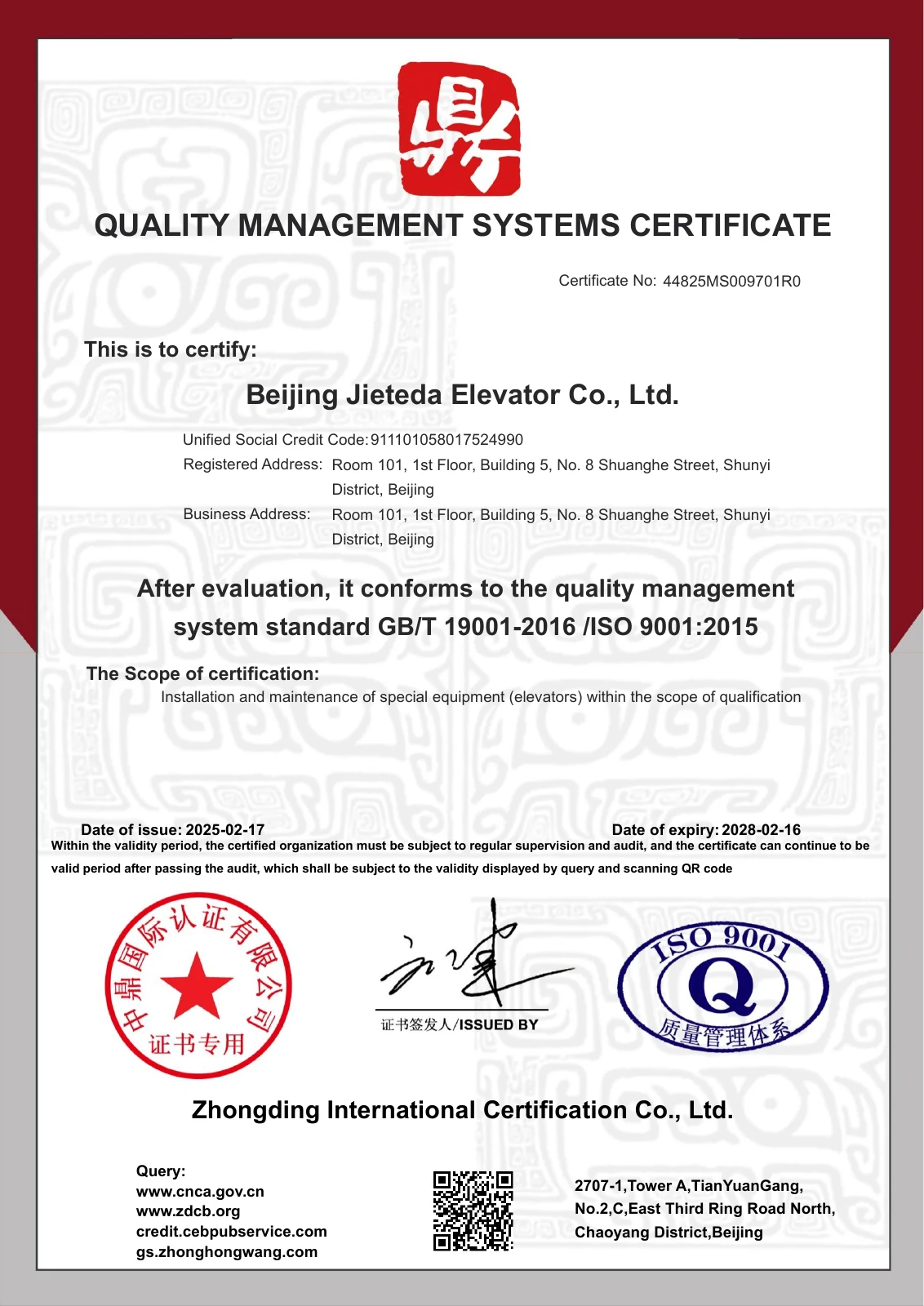
Beijing Jieteda Elevator Co., Ltd. holds an English-language quality management system certificate stating conformity with GB/T 19001-2016 / ISO 9001:2015. Certificate No. 44825MS009701R0 was issued on 17 February 2025 and states an expiry date of 16 February 2028, subject to the surveillance and verification conditions printed on the certificate. Its stated certification scope is the installation and maintenance of special equipment – elevators – within the scope of qualification.
That certificate is meaningful when read accurately. It supports the named company’s management system within the stated scope. It is not a product certificate, does not certify every partner factory and does not by itself prove that every elevator model meets every destination-market requirement. The Certifications and Qualifications page explains those distinctions.
Make the acceptance basis specific
The first quality risk is ambiguity. “Freight elevator, 2,000 kg” does not describe the load footprint, handling equipment, wheel loads, door opening, duty or building interface. “Stainless steel cabin” does not define grade, finish, pattern direction, protected surfaces or flooring responsibility. “Same as last order” is unreliable unless the previous configuration and revision are identified.
JAFITA therefore seeks a requirement basis that can be checked. Depending on the project, it may include:
Assumptions used during enquiry should either be confirmed or remain explicitly open before release.
| Gate | Key question | Evidence of closure |
|---|---|---|
| Requirement review | Is the intended use and supply scope understood? | Project brief, clarification record and stated exclusions |
| Technical review | Are building and equipment interfaces defined? | Reviewed drawings, schedules and open-item list |
| Approval | Has the correct revision been accepted for production? | Approval record and release status |
| Supplier or factory readiness | Is the source appropriate and are required documents available? | Source confirmation and document plan |
| In-process control | Is work proceeding against the released basis? | Process or inspection records appropriate to the item |
| Final verification | Does the supply match the approved order? | Inspection results, document review and exception status |
| Packing release | Are items protected, identified and reconciled? | Packing list, package marks and release record |
| Handover | Can the receiving and site teams identify what they have? | Supplied documents and traceable delivery references |
The exact forms and checks depend on the manufacturing route. The table describes the decisions that need control, not a claim that every factory uses identical paperwork.
The revision follows the physical equipment
Elevator quality depends heavily on information. A correct component can still be installed incorrectly if the team uses a superseded drawing. A correctly fabricated entrance can be unsuitable if the building opening changed without a controlled review.
Controlled documents should identify the project, elevator unit where relevant, title, revision, date and status. Superseded documents should not remain in active use. Comments and approvals need to be traceable to a revision. When JAFITA coordinates a partner-factory project, the technical ownership of factory-issued drawings and manuals remains visible even when documents pass through JAFITA’s project channel.
The customer also contributes to document quality by returning consolidated comments through an authorized contact and identifying which party can approve each interface.
A supplier is evaluated against the actual requirement. Relevant evidence can include product scope, factory capability, qualifications, technical data, previous performance, inspection records and response to issues. The level of review reflects the risk of the supplied item.
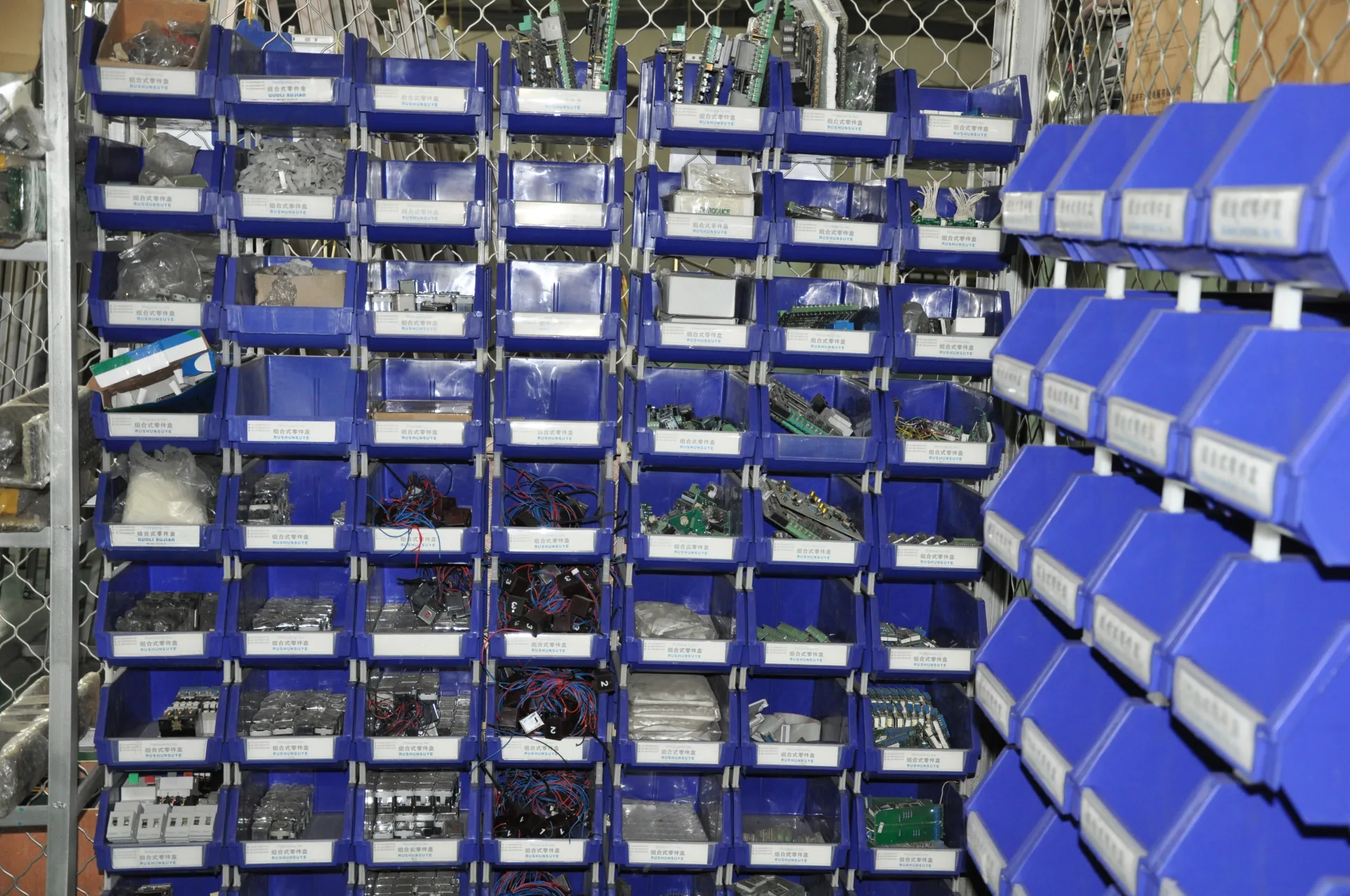
For components, identification and compatibility are central. Major items should be connected to the approved component schedule or bill of materials. A proposed substitution needs review before use, especially when it affects mechanical interfaces, electrical data, communication, safety functions, certification or future spare parts.
Long-term cooperation can make communication more efficient, but it does not remove project-specific verification.
Record the difference before deciding the action
A nonconformity is a documented difference between a requirement and an observed condition. It should be described factually and tied to the item, project, document and inspection stage.
A useful record contains:

Reworking one part may close the immediate product issue, but it may not prevent recurrence. Corrective action examines why the approved requirement was not achieved. The cause may sit in the drawing, supplier communication, process, tooling, inspection method, packing or revision control.
The action should be proportionate. It might involve revising an instruction, adding an approval point, improving identification, changing a supplier control or training the relevant team. Effectiveness is demonstrated by follow-up evidence, not simply by declaring the matter closed.
JAFITA does not publish generic defect-rate or capacity figures without a defined data set, period and scope. Customers who require project metrics should agree the measure, reporting method and responsibility before work begins.
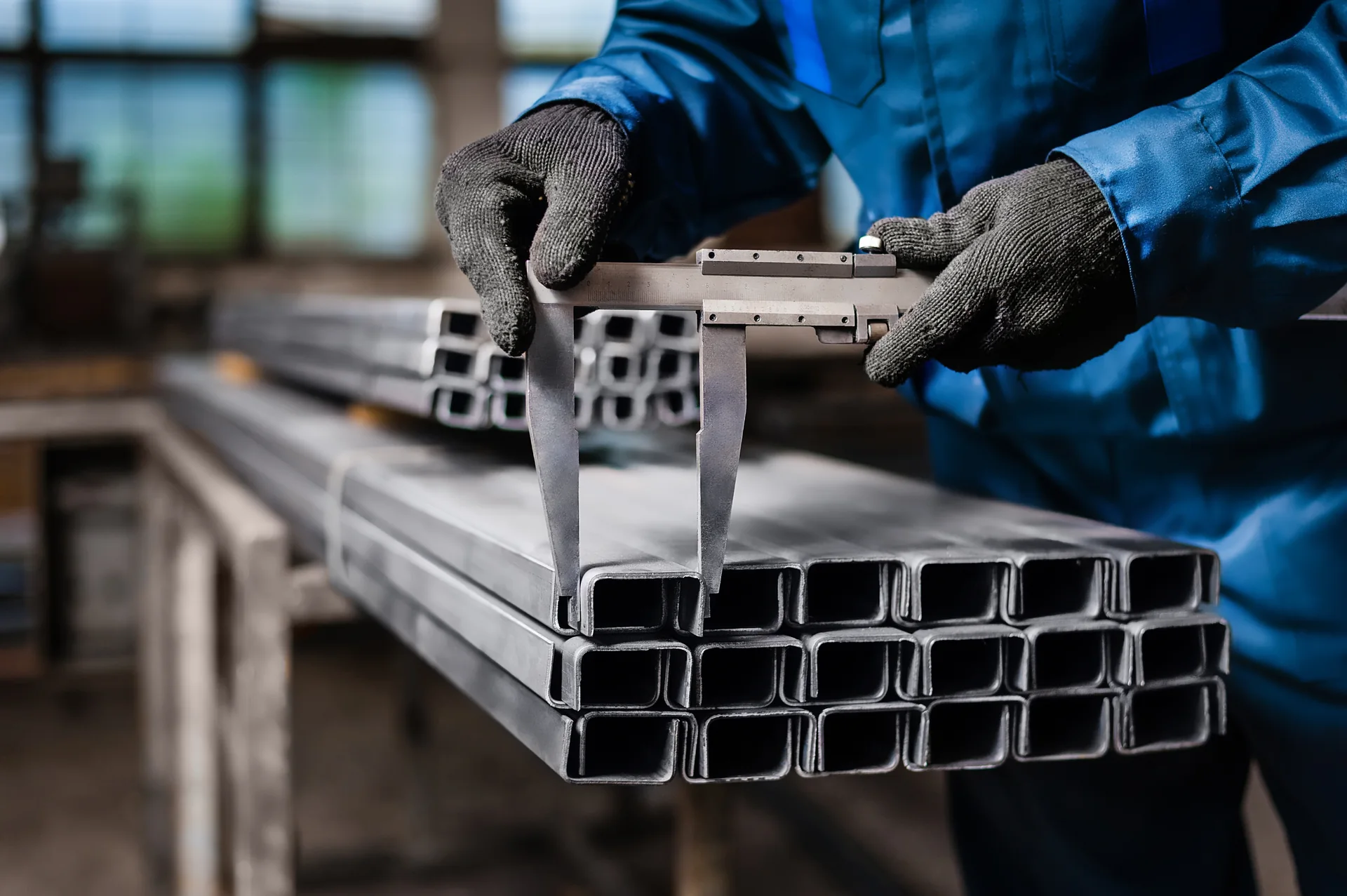
Inspection answers whether an item or stage meets stated criteria. Quality management ensures those criteria are correct, current and connected to the project. Both are necessary.
The Inspection and Testing page describes how an inspection plan can define what is checked, when, by whom, against which criteria and with which record. Factory checks do not replace statutory site inspection or commissioning by the locally authorized parties.
Coordinate the order; retain the factory identity
For equipment manufactured by a specialist partner, the factory remains responsible for production and its records. JAFITA’s role may include:

This is coordination, not a transfer of the factory’s qualification to JAFITA. The manufacturer shown on product documents remains the manufacturer.
Quality is easier to achieve when acceptance criteria are stated before production. Send the destination, applicable project specification, required documents, inspection plan, finish standard, sample requirements, witness points and reporting format. If the customer has its own quality forms, provide them during quotation or technical approval so feasibility can be reviewed.
For a complaint or discrepancy, provide the project and elevator-unit reference, item identification, requirement, observed condition, date and clear photographs or records. Avoid altering or relabeling an unresolved item before the responsible parties have reviewed it.

JAFITA controls activities within the agreed supply and coordination scope. It does not control building tolerances, site storage, installation workmanship, unapproved modifications, local power quality, maintenance practice or user operation. Those factors can materially affect the final elevator.
Quality records also have limits. A photograph supports visible condition at a moment in time. A measurement record supports the characteristics actually measured. A test report applies to the named model and scope. Evidence should not be extended beyond what it demonstrates.
Read the scope behind the quality claim
No. It certifies the named organization’s quality management system within the scope printed on the certificate. Product conformity needs product- and project-specific evidence.
Yes. It should be agreed early enough to define stages, criteria, records, witness points and responsibilities before the work occurs.
The authorized technical and commercial parties identified for the project. Approval authority depends on the nature of the requirement and the applicable contract and regulations.
No. Different products and factories use different processes. JAFITA aligns the required project controls while keeping the responsible manufacturer’s records and identity clear.
No. Final performance also depends on building conditions, storage, installation, commissioning, interfaces, maintenance and operation. Factory release and site acceptance are separate stages.

Send the product, destination, specification, approval route, document list, inspection expectations and any customer-specific quality requirements. JAFITA will coordinate the required controls with the appropriate direct manufacturing or partner-factory route.
When comparing suppliers, the supplier checks in our elevator import guide show which documents to request; this page explains JAFITA’s own control method and evidence boundaries.