

Market and Customer Development
Identify target applications, communicate the value of the approved products, qualify opportunities and maintain the customer relationship. Marketing materials must use current product data and approved brand assets.
JAFITA / Distribution partnership
An elevator distributor does more than introduce a product. The distributor often becomes the local connection between the building owner, consultant, contractor, installation team, inspection authority and overseas supplier. That makes market knowledge and technical follow-through as important as sales reach.
JAFITA discusses distribution cooperation with established elevator businesses and qualified teams that can develop a defined market responsibly. The relationship may cover selected elevators, escalators, moving walks or components. Product availability, branding, territory and support are agreed for the actual program; they are not implied by a general partnership conversation.
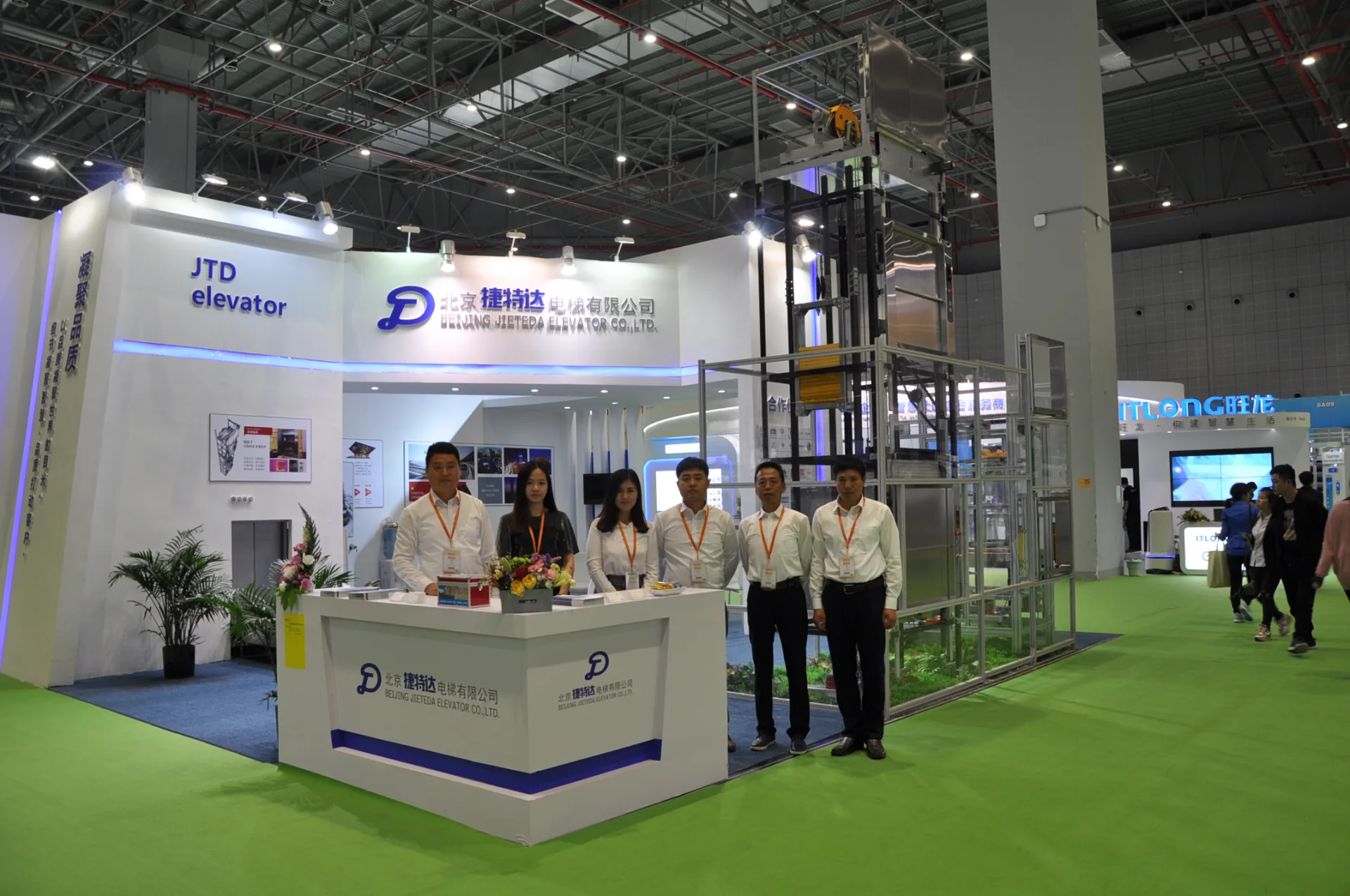

JAFITA grew from a freight-elevator manufacturing and OEM foundation and has conducted export business since 2008. Its wider portfolio uses specialist product and factory resources for different elevator categories. That gives a distributor access to multiple supply directions, but it also creates an important discipline: the approved source, specification and document package must remain identifiable for each product.
A distributor should therefore understand whether an offer concerns JAFITA freight or OEM production, a coordinated product from a specialist manufacturing partner, or a component matched to a defined system. The customer-facing brand, manufacturer identity where required, applicable documents and support route must be confirmed rather than assumed.
This transparency helps the local partner answer a practical question: who stands behind each part of the offer, and what evidence is available?
Market knowledge and technical follow-through
A prospective distributor is more likely to fit when it can demonstrate:
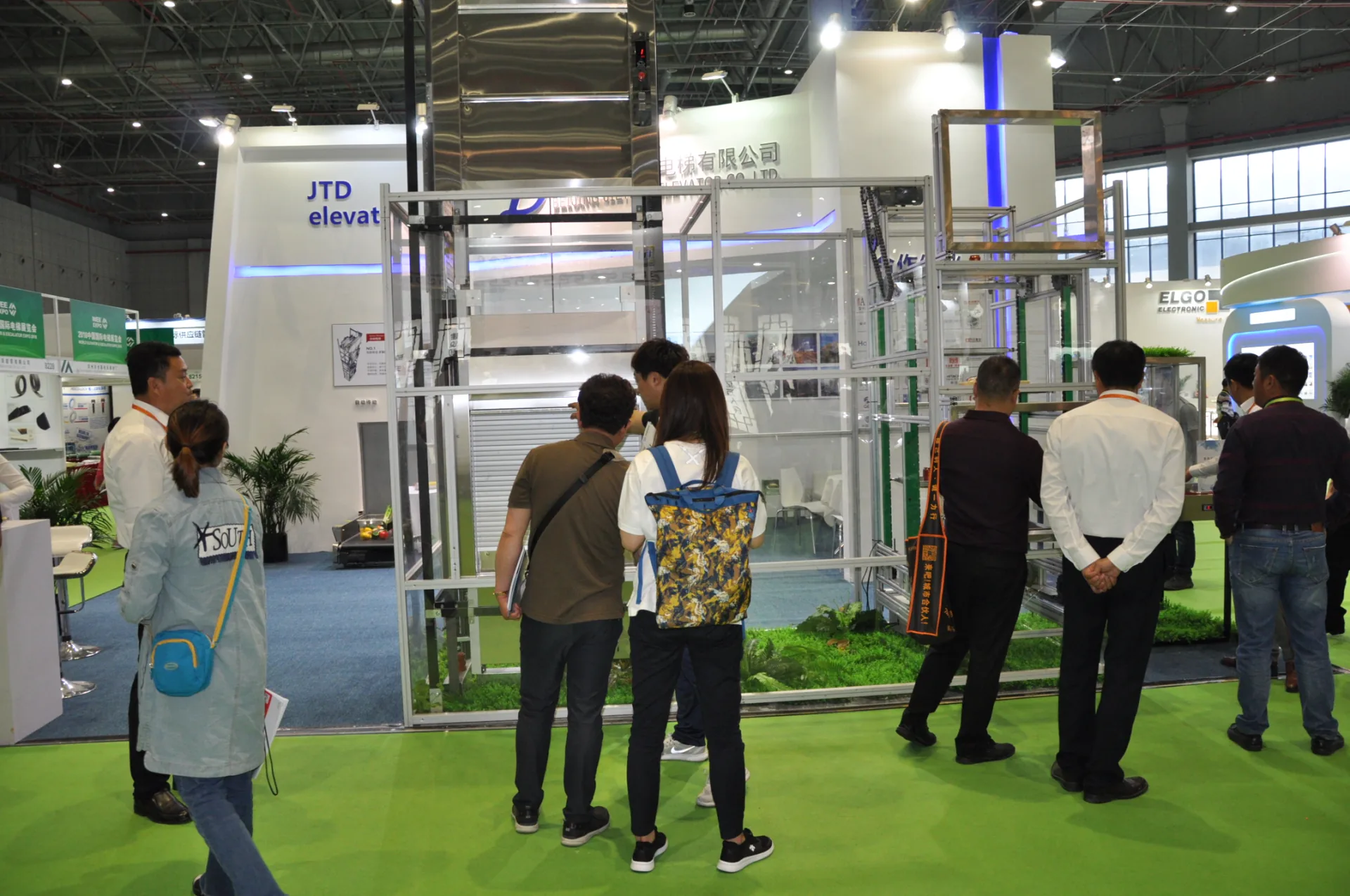
The model can also work with a project-focused partner that has a strong local contractor network. In that case, the relationship should identify which entity performs each licensed or technical function.
Responsibilities depend on the agreement and local law, but the local partner will commonly lead:
Identify target applications, communicate the value of the approved products, qualify opportunities and maintain the customer relationship. Marketing materials must use current product data and approved brand assets.
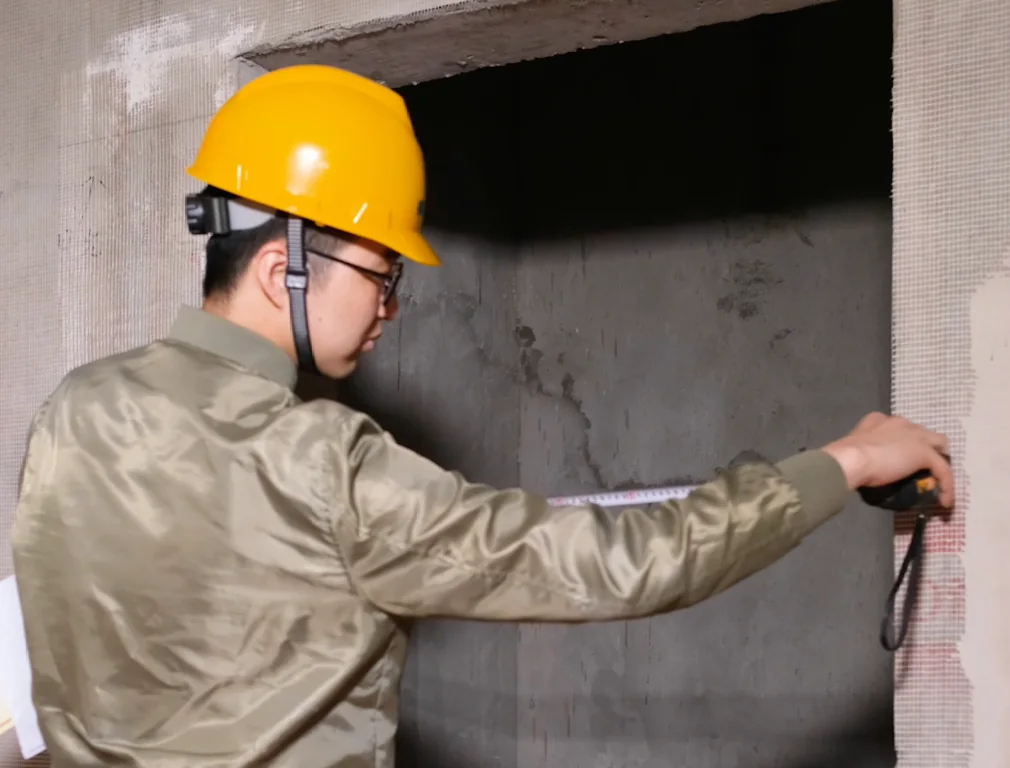
Collect the building and operating data needed for selection. For an elevator this may include shaft, pit, overhead, travel, stops, entrances, load, speed, power and intended use. For freight equipment, goods dimensions and loading method are essential. For escalators, rise, inclination, width, operating environment and traffic matter.

Explain the destination market’s code, certification, import, language, accessibility and inspection requirements. JAFITA can review the supply side, but the local partner is the primary source for local conditions unless another responsible consultant is appointed.

Define which qualified organization will unload, install, adjust, commission, inspect and maintain the equipment. The exact responsibility must be recorded in the project agreement. Remote guidance or supplier support does not replace locally required licenses or site management.

Keep decisions, approvals, payments, delivery milestones and customer changes connected. Delayed or incomplete approvals can affect production and shipment even when the equipment itself is technically ready.
Agree the support package for the market
Within an agreed distribution program, JAFITA may support:

Support varies by product, country and contract. JAFITA does not publish a universal promise of local stock, fixed response time, on-site engineering or warranty coverage for every market.
Submit the legal company identity, website, registration country, team profile, service capability, current brands or products, target territory and customer focus. This helps distinguish a viable market plan from a request for an unrestricted price list.
Choose a focused starting range. A distributor serving industrial customers may begin with freight elevators and components. A residential specialist may focus on home and panoramic elevators. A public-infrastructure contractor may need escalators, moving walks and passenger elevators. Starting with a relevant range makes training and documentation more useful.

Identify the standards, approvals, languages and local service obligations for the target market. The parties then decide which products can be responsibly offered and what must be verified per project.
A defined first opportunity tests the full workflow: information collection, quotation, technical confirmation, customer approval, document handling, delivery and local execution. Results from this project provide better evidence than broad forecasts.
Territory, approved product scope, branding, price conditions, targets, lead handling, support and review periods belong in a written agreement. Performance should be reviewed using actual enquiries, orders, technical accuracy, payment, delivery and service outcomes.
Submit the business behind the proposal
| Required information | What JAFITA evaluates |
|---|---|
| Legal name, location and ownership | Identity of the proposed partner and contracting party |
| Website, company profile and references | Existing business and market credibility |
| Territory and target customers | Whether the proposal has a defined commercial focus |
| Product categories | Fit with available JAFITA supply routes |
| Sales and technical team | Ability to develop and support projects |
| Installation and maintenance arrangement | Local execution and lifecycle responsibility |
| Applicable codes and certifications | Technical feasibility for the destination market |
| Import and logistics capability | Ability to receive and deliver equipment legally and safely |
| First project or annual plan | A practical starting point for evaluation |
A sustainable distributor program cannot be reduced to a discount percentage. Commercial conditions depend on the product, configuration, quantity, documentation, packaging, destination and support scope. A low initial equipment price can be undermined by an incomplete specification, missing local responsibilities or unclear replacement-part records.
Territory protection, where agreed, is also connected to performance and responsibility. It may consider investment in the market, sales activity, project quality, payment, customer support and brand conduct. No territory becomes exclusive simply because a company made the first enquiry from that country.

For an actual purchase, distributors can follow the specification-first quotation method in our import guide to make sure scope, exclusions, documents and service obligations are compared alongside price.
Use the approved identity and the current version
Partners may receive approved logos, product images, technical documents or catalogues for the agreed program. These materials must remain connected to their correct product and version.
A distributor should not:

JAFITA’s Media Kit explains the distinction between company facts, brand assets and product-specific information.

Commercial arrangements are discussed for the proposed market and program. JAFITA does not publish one universal appointment fee or deposit for every territory.
Potentially, where the market, product scope, investment, responsibilities and performance terms support it. Exclusivity must be stated in a signed agreement and should not be assumed during evaluation.
The starting range is agreed according to market fit, product availability, local requirements and the partner’s capability. A focused, well-supported range is often a stronger beginning than an unqualified claim to every product category.
The responsible party is defined for each market or project. Local licensed organizations must perform regulated work where required. JAFITA’s support scope can include documents, remote communication or other agreed assistance, but it does not automatically replace the local service organization.
Approved company and product materials may be provided within the program. The distributor must use the correct version and should localize language without changing technical meaning or expanding claims.
Yes. Project and component enquiries can be reviewed independently. A distribution appointment is not required for every purchase.
Tell us where you work, who you serve, what your team can do locally and which product or project gives the cooperation a practical starting point.
Apply for a JAFITA distribution partnership · Contact JAFITA
Content reviewed: September 2026