Cross-Border Elevator Supply Begins with Local Reality
Beijing Jieteda Elevator Co., Ltd. began developing its elevator export business in 2008. JAFITA’s international work now connects overseas customers with complete elevators, escalators, moving walks, components, OEM cooperation and project support. The central task is not simply moving equipment across a border. It is making sure that the product basis, destination requirements, documents, packaging and local responsibilities describe the same project.
Every destination has its own combination of technical rules, approval practice, electrical conditions, climate, logistics and available installation support. We therefore treat country and local responsibility as first-stage information, alongside the equipment category and quantity.
For elevators and escalators, the team gathers the building and operating basis, connects technical review with the relevant production route and carries agreed information into the commercial and delivery records. A preliminary conversation may begin without final drawings, but production requires a controlled specification and approved interfaces.
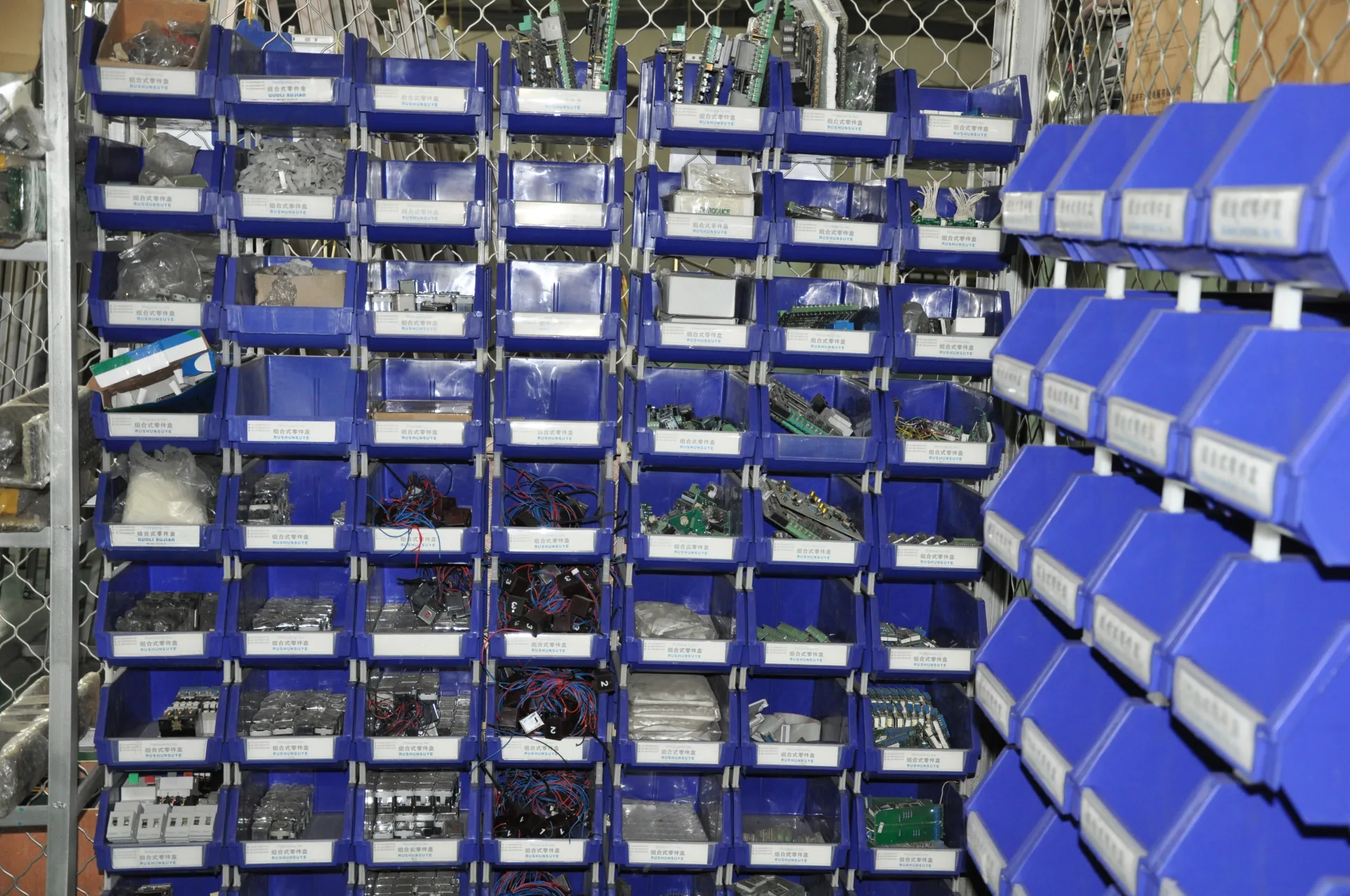
Parts identification and storage · Company archive
Components and spare parts
Component supply depends on identity and compatibility. Original part number, equipment model, nameplate, electrical parameters, dimensions, connector details and photographs can all be important. “Door controller” or “traction machine” is not enough for a safe replacement decision. Where compatibility cannot be established from the evidence, the uncertainty must remain visible.
OEM and business cooperation
OEM discussions may include configuration, branding, documentation, packaging, volumes, market positioning and the responsibilities of each party. JAFITA’s historical freight-elevator and OEM experience informs this work, while each current programme is defined on its own records.
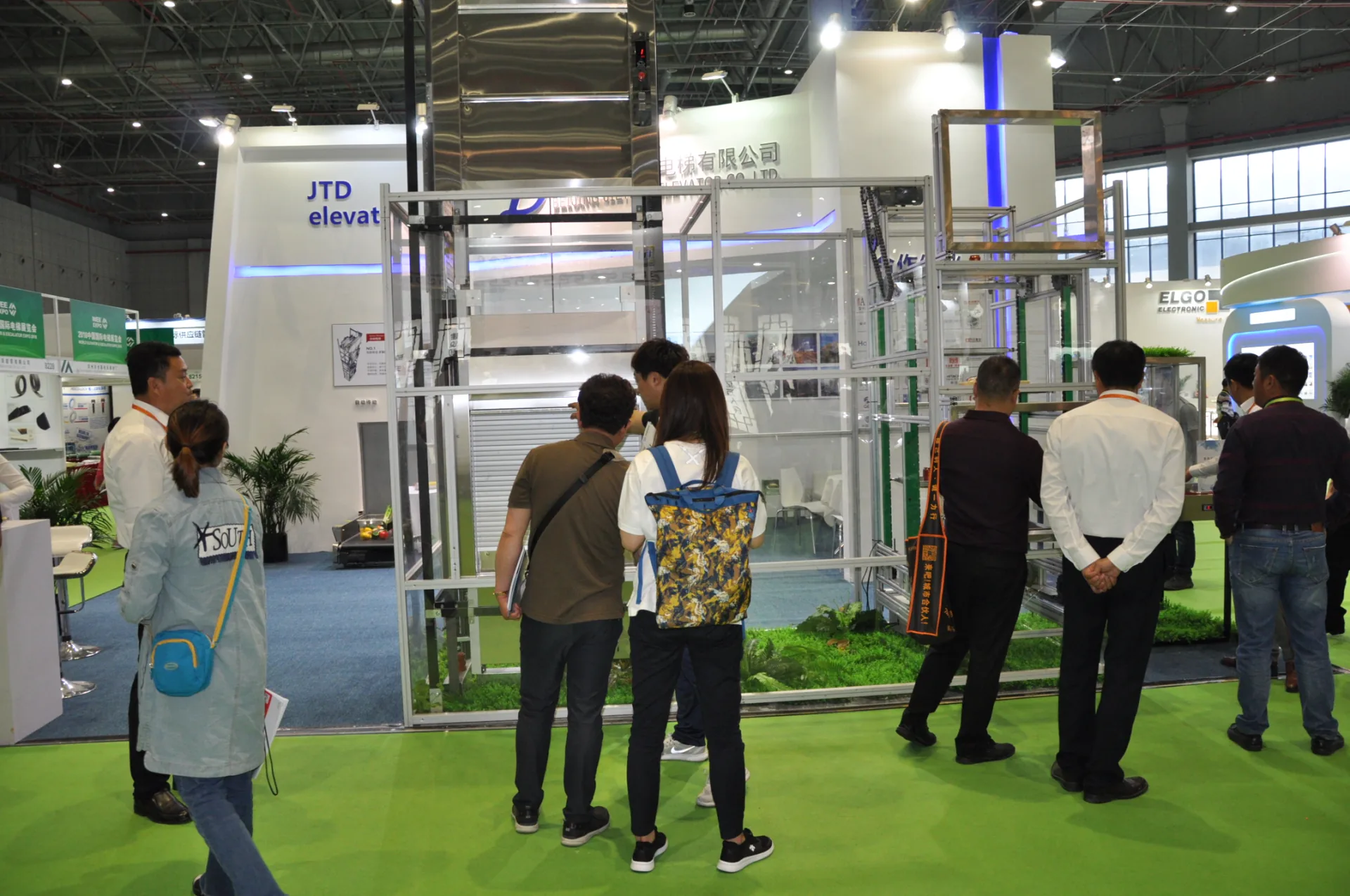
Product discussion · Company exhibition archive
Multi-category projects
A development may require passenger elevators, service equipment, escalators and components. JAFITA can coordinate more than one category, but the supply route and evidence may differ across the package. The proposal should preserve those distinctions rather than applying one general claim to every item.
The first review needs the country or region, building type, equipment category, quantity and customer role. These facts determine which later questions are relevant. A consultant preparing a specification, a distributor planning inventory and an owner with a live shaft do not need the same response.
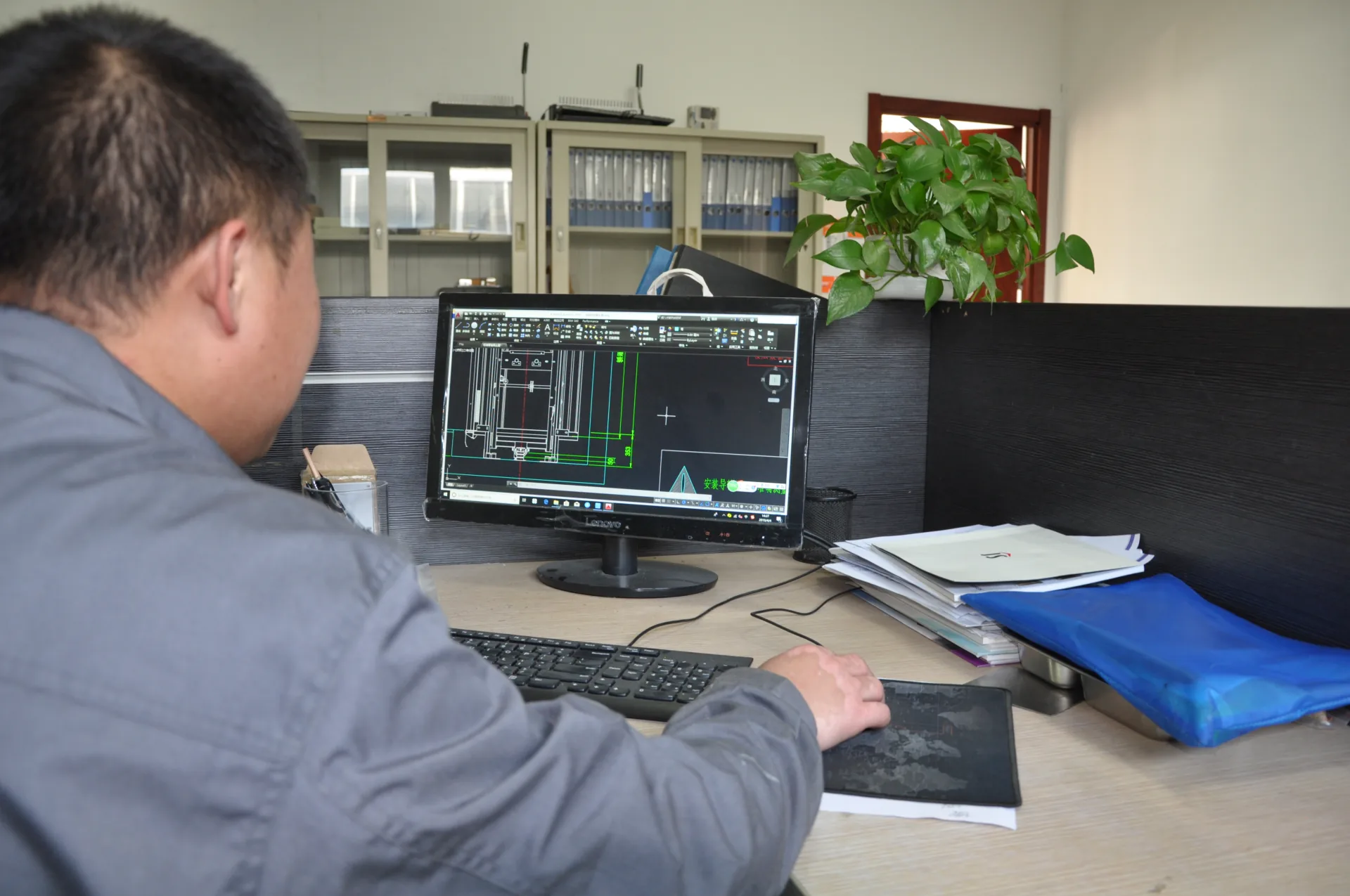
Technical drawing review · Company archive
2. Build the technical basis
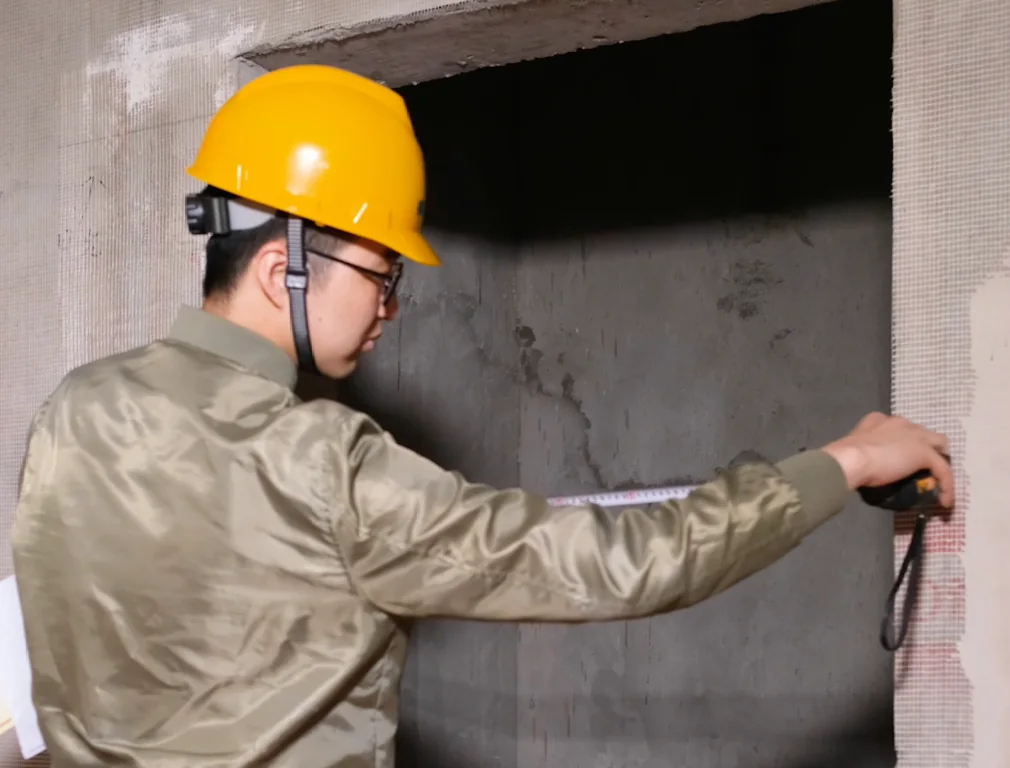
For complete elevators, typical data includes rated load, speed, travel, stops, entrances, car and door requirements, shaft dimensions, pit, overhead and power supply. Freight applications need the load form and loading practice. Home projects need close attention to available structure and users. Escalators and moving walks need rise or travel, inclination, width, environment and circulation conditions.
Known facts, assumptions and open points should be separated. A preliminary selection can help a project progress, but it should not become a manufacturing instruction until required inputs are confirmed.
Site dimensions · Illustrative project context
3. Identify applicable requirements and responsible parties
The customer and local qualified professionals must identify the rules and approvals that apply at destination. JAFITA reviews the requested product and available documentation against that basis and states the scope it can support. Local design approval, permits, installation licensing, statutory inspection and ongoing maintenance remain with authorized parties unless a written agreement clearly assigns them otherwise.
Document review · Illustrative context
4. Confirm the commercial and documentary scope
A comparable offer identifies equipment, options, quantities, documents, packing, delivery terms, exclusions and validity. It should also state which information can change price or schedule. Requested certificates need to be checked for holder, model, standard, scope and validity; a general company certificate is not a substitute for model-specific evidence.
5. Control the project before dispatch
Drawings, technical schedules, finish selections, identification, packing marks and consignee information need controlled confirmation. Changes are reviewed for their effect on configuration, documents, cost and timing. Before dispatch, the parties should know how packages will be identified and what records accompany the shipment.
Item identification · Company archive
Continuing service support · Company archive
6. Support receipt and continuing questions
The receiving party should inspect package condition, labels, quantities and visible damage before material is dispersed on site. If an issue is found, dated photographs and the affected package or item identity create a stronger record. Later support should begin with project and equipment identification.
For a practical receipt workflow, see the receiving steps in our elevator import guide:
You can start with only country, product category, quantity and contact details. When available, add:
Plans and building information · Illustrative context
building type and project stage;
intended users, goods or traffic;
rated load, speed, travel, stops and entrances;
shaft, pit, overhead and door-opening dimensions;
power supply and requested technical basis;
plans, specifications, schedules or reference photographs;
local installation and maintenance arrangement;
required documents and language;
target delivery period and destination port or city.
For components, replace building data with the original equipment model, nameplate, part number, electrical values, dimensions, connectors and clear images.
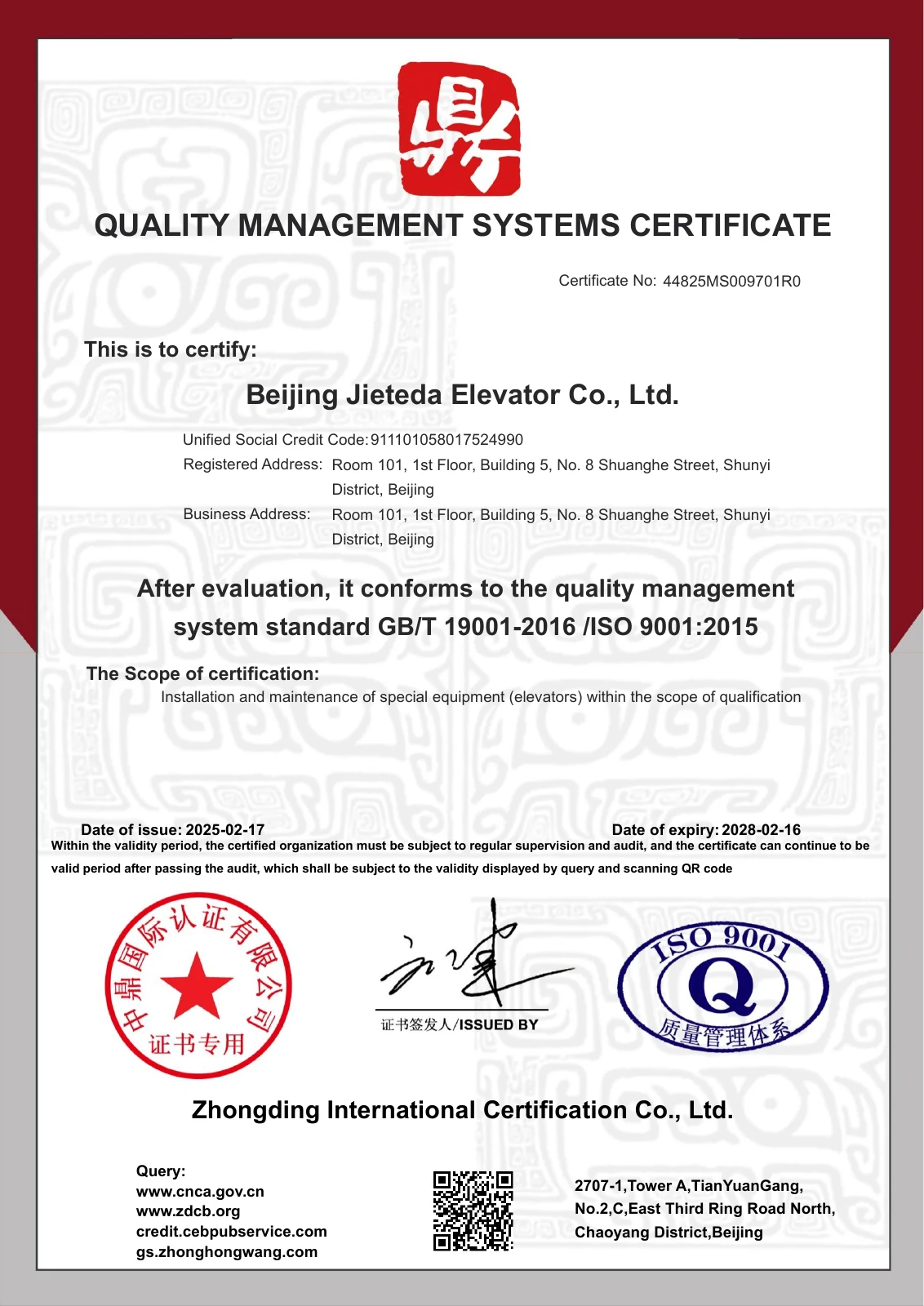
ISO 9001:2015 · The named holder and certified scope
The named model and the named scope
Documentation Should Match the Offer
The correct document package depends on the product and supply route. It may include commercial records, approved drawings, packing information, manuals, certificates or inspection evidence. Availability and format must be confirmed for the exact offer.
JAFITA’s own current English management-system certificates illustrate why context matters. The ISO 9001:2015 and ISO 45001:2018 records name Beijing Jieteda Elevator Co., Ltd. and cover elevator installation and maintenance within a qualified scope. They do not by themselves certify every exported product. Product evidence must be assessed separately.
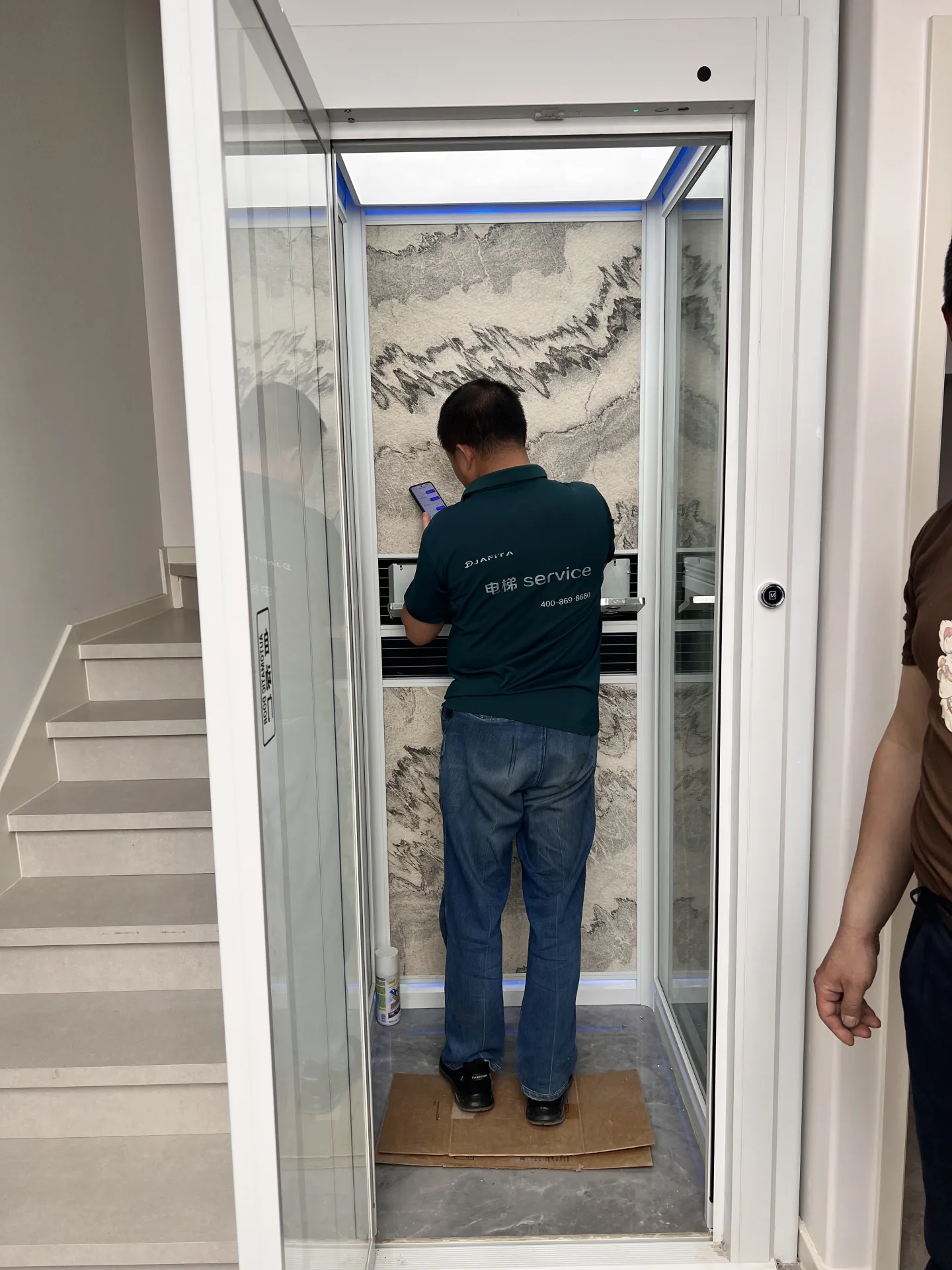
Elevator equipment becomes safe and useful through competent installation, commissioning, inspection and maintenance. The local arrangement needs to be defined before supply. Depending on the project, work may be undertaken by the customer’s appointed elevator company, a distributor, a qualified contractor or another authorized organization.
JAFITA can provide agreed product information and technical coordination, but remote support cannot replace local licensing, site supervision or emergency response. For urgent safety concerns, the local maintenance provider and local emergency procedures take priority.
JAFITA service technician · Company archiveLocal site work · Illustrative context
Ask early, record clearly
What We Do Not Assume
A physical view of equipment interfaces
We do not assume that:
a standard used in one country is accepted in another;
the customer’s shaft has been built to a preliminary drawing;
every certificate in a factory archive applies to the offered model;
installation is included because equipment supply is included;
one packing method suits every route or storage condition;
a well-known historical project reference defines JAFITA’s current capability;
a previous brand relationship establishes present authorization.
These are not disclaimers added after the sale. They are questions that protect the project when asked early.
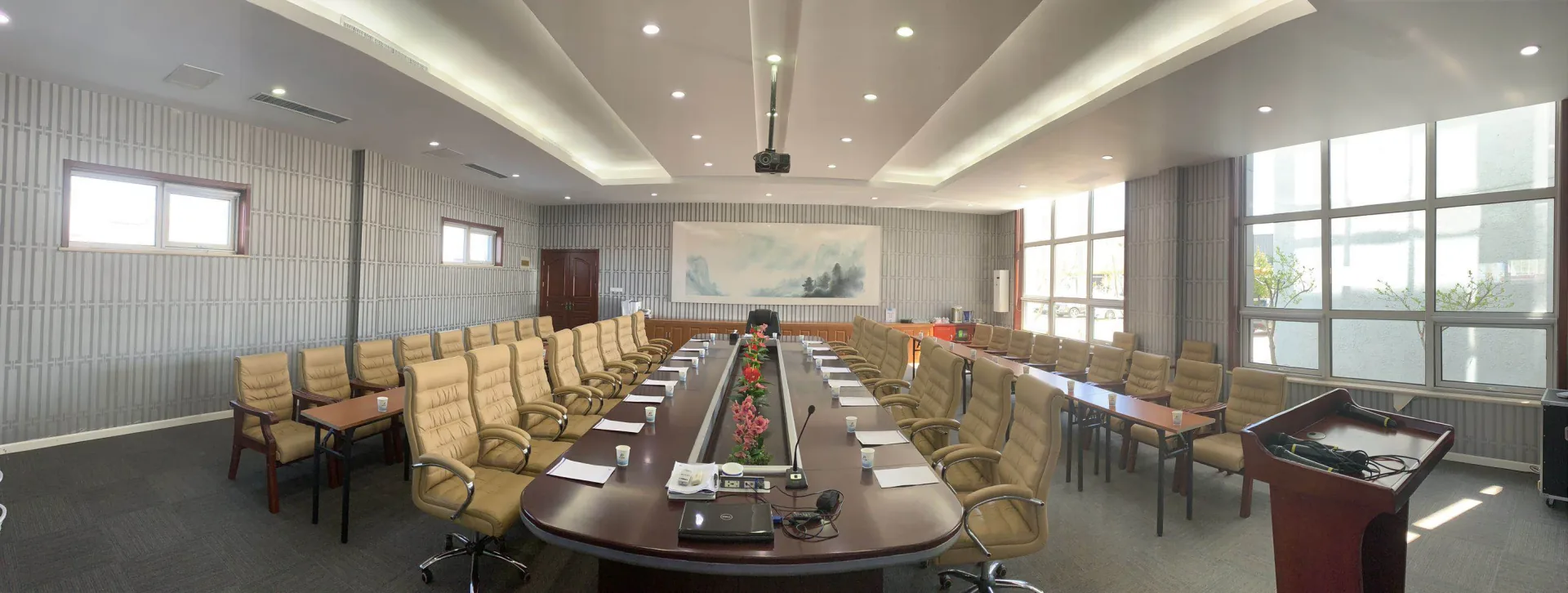
Project discussion space · Company archive
Practical export questions
Frequently Asked Questions
Which countries does JAFITA serve?
JAFITA reviews overseas enquiries by destination and requirement. We do not publish an unsupported country count. Product feasibility, documents and local responsibilities are evaluated for each market.
Can I receive a quotation without drawings?
Yes, a first review can begin with country, category, quantity and contact details. A firm configuration and price may require further dimensions, parameters and drawings.
Does JAFITA handle installation in my country?
Installation scope is project- and market-specific. The written proposal must identify what JAFITA supports and what must be performed by qualified local parties.
Can JAFITA supply several elevator brands?
The company coordinates products and components through different manufacturing and specialist supply routes. The actual manufacturer, brand status and applicable records should be identified in the offer; historical cooperation is not current authorization.
What Incoterm does JAFITA use?
Delivery terms are agreed for the transaction. The named place, cost allocation, risk transfer and insurance responsibilities should be read together rather than inferred from an abbreviation alone.
How should I report a delivery problem?
Preserve packaging, labels and affected items; take dated photographs; record package and item numbers, quantity and condition; notify the relevant logistics party where required; and send JAFITA the project reference and evidence promptly.
Beijing showroom
A clear starting point
Begin with Four Facts
Send the destination country, equipment or component category, quantity and your preferred contact route. Add the information you have; we will identify what the next review needs.