
Will one person manage my entire enquiry?
You should have a clear primary contact, while technical, manufacturing, documentation and support questions are handled by the relevant functions. The primary contact helps keep the work connected.
People behind the project
An elevator project cannot be carried responsibly by one salesperson or one engineer. The customer sees one proposal, but behind it are decisions about the building, equipment, production route, documentation, commercial scope, packing, delivery and local work. JAFITA organizes those decisions across functions so that information can move without losing its meaning.
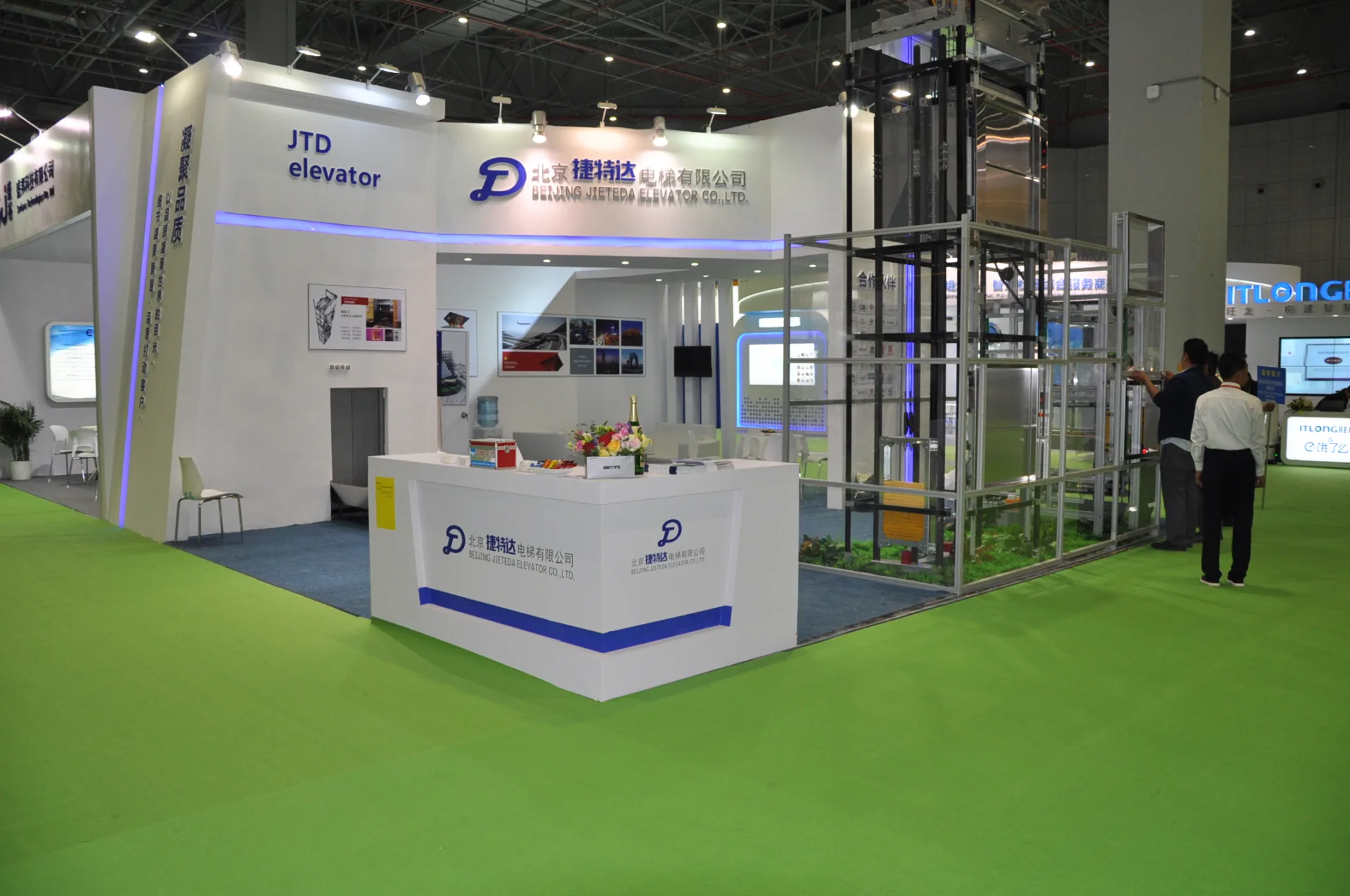
We describe our team by responsibility rather than publishing invented biographies or a decorative headcount. Beijing Jieteda Elevator Co., Ltd. has operated in the elevator industry since 2001 and has engaged in export business since 2008. That history provides experience, but trust is built on knowing which function owns the next question on a live project.
01 / Customer context
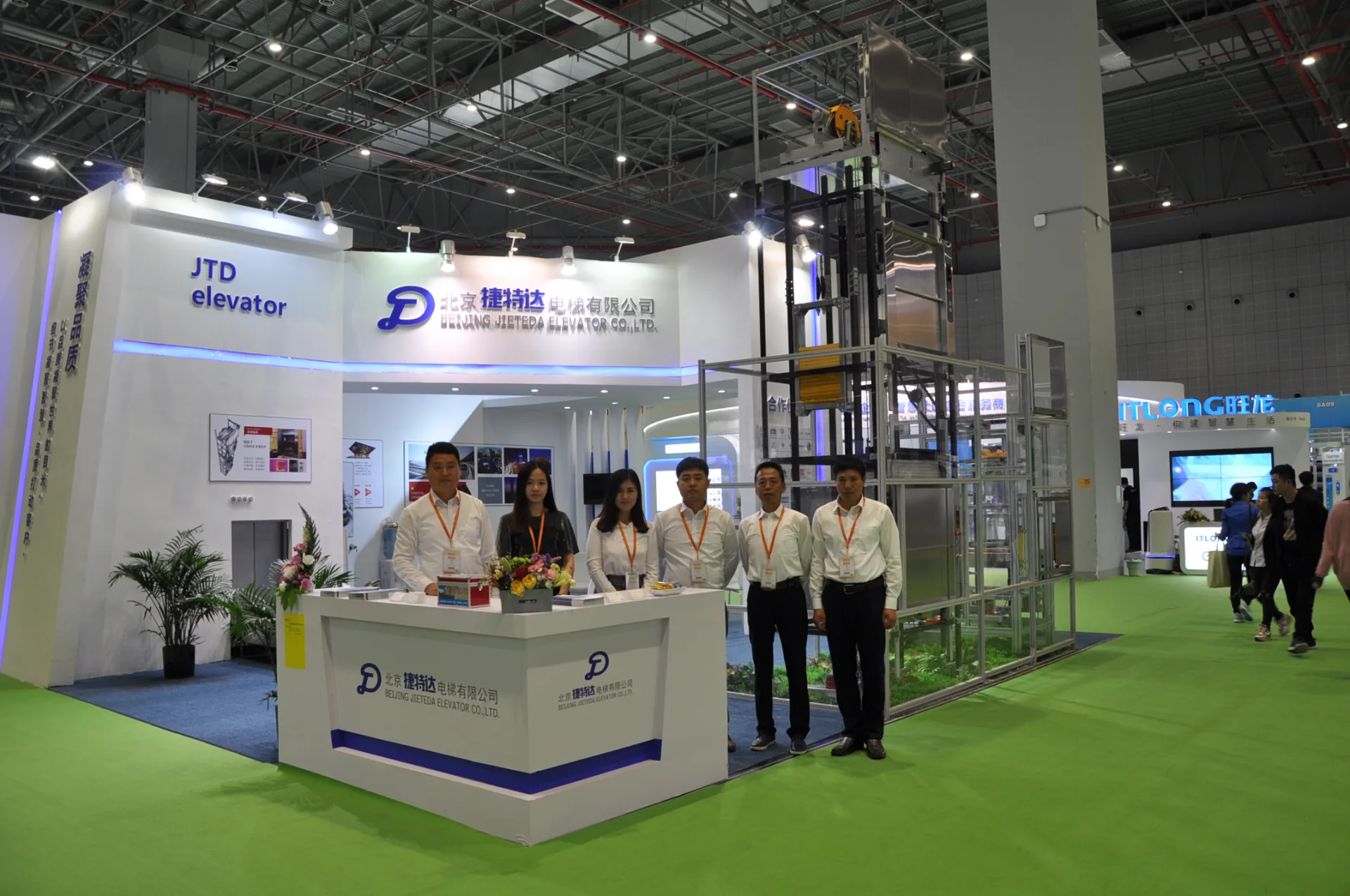
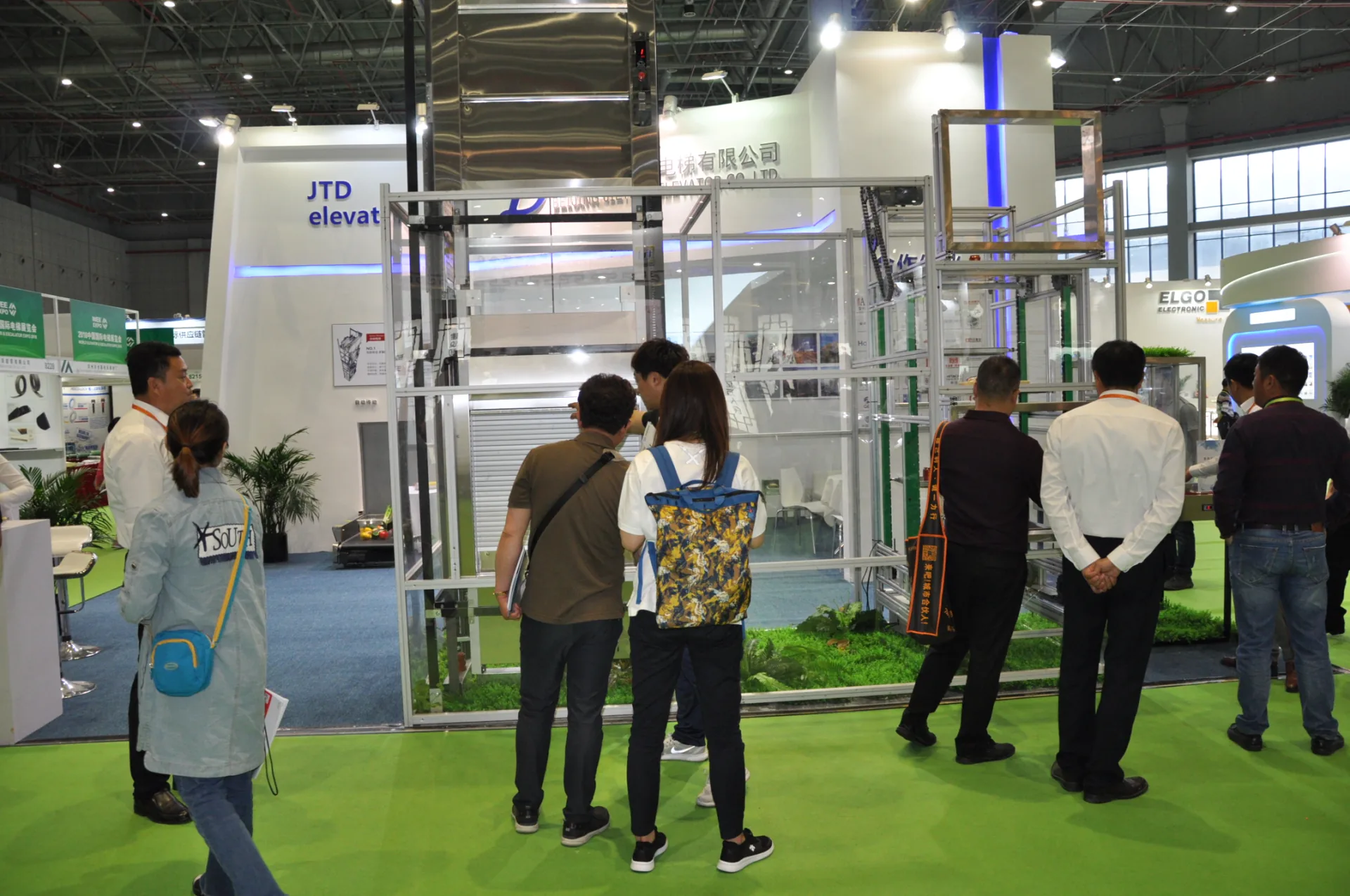
International business is usually the first point of contact for an overseas customer. Its responsibility is to understand the enquiry well enough to route it correctly: country, application, equipment category, quantity, stage, timing and the customer’s role in the project.
This function also preserves continuity. When engineering raises an open point, when a finish is selected or when shipping information changes, the international business contact helps ensure the decision reaches the right parties and is reflected in the commercial record. The purpose is not to translate technical words mechanically. It is to prevent the technical, commercial and delivery conversations from becoming three different versions of the same project.
02 / Technical decisions
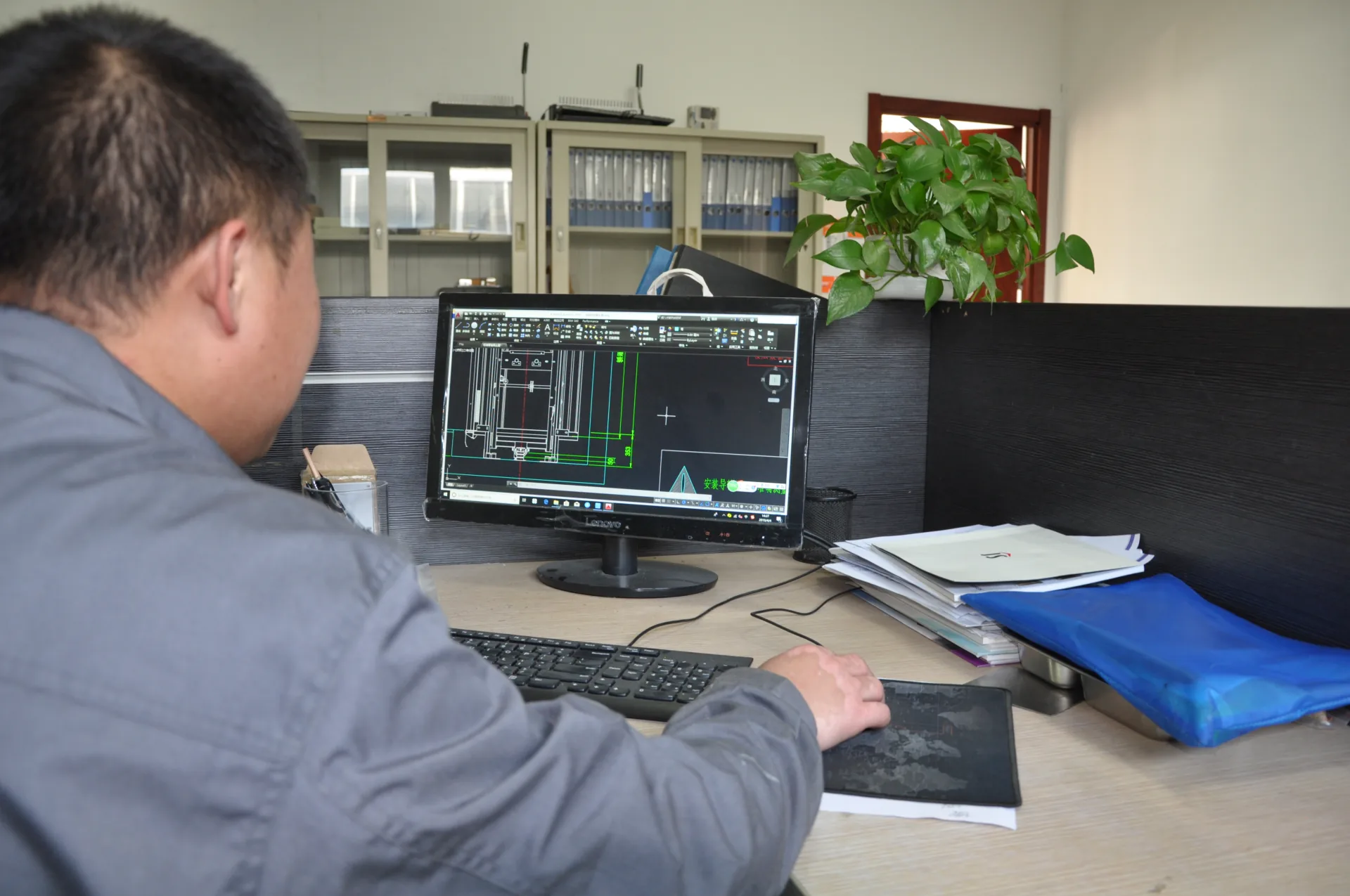
Engineering review begins with the application and building data. For a complete elevator, the team may need rated load, speed, travel, stops, entrances, shaft dimensions, pit, overhead, door opening, power supply and applicable requirements. The questions change with the application. Freight work may require load distribution, trolley or vehicle details and loading direction. Home-elevator work may require close coordination with structure and interior design. Component work may require the original part number, nameplate, measurements and electrical interfaces.
The technical coordinator distinguishes three states: information confirmed by the customer or drawing; assumptions used for preliminary review; and open points that must be resolved before production. That separation helps avoid a provisional figure being treated later as an approved requirement.
03 / The production route
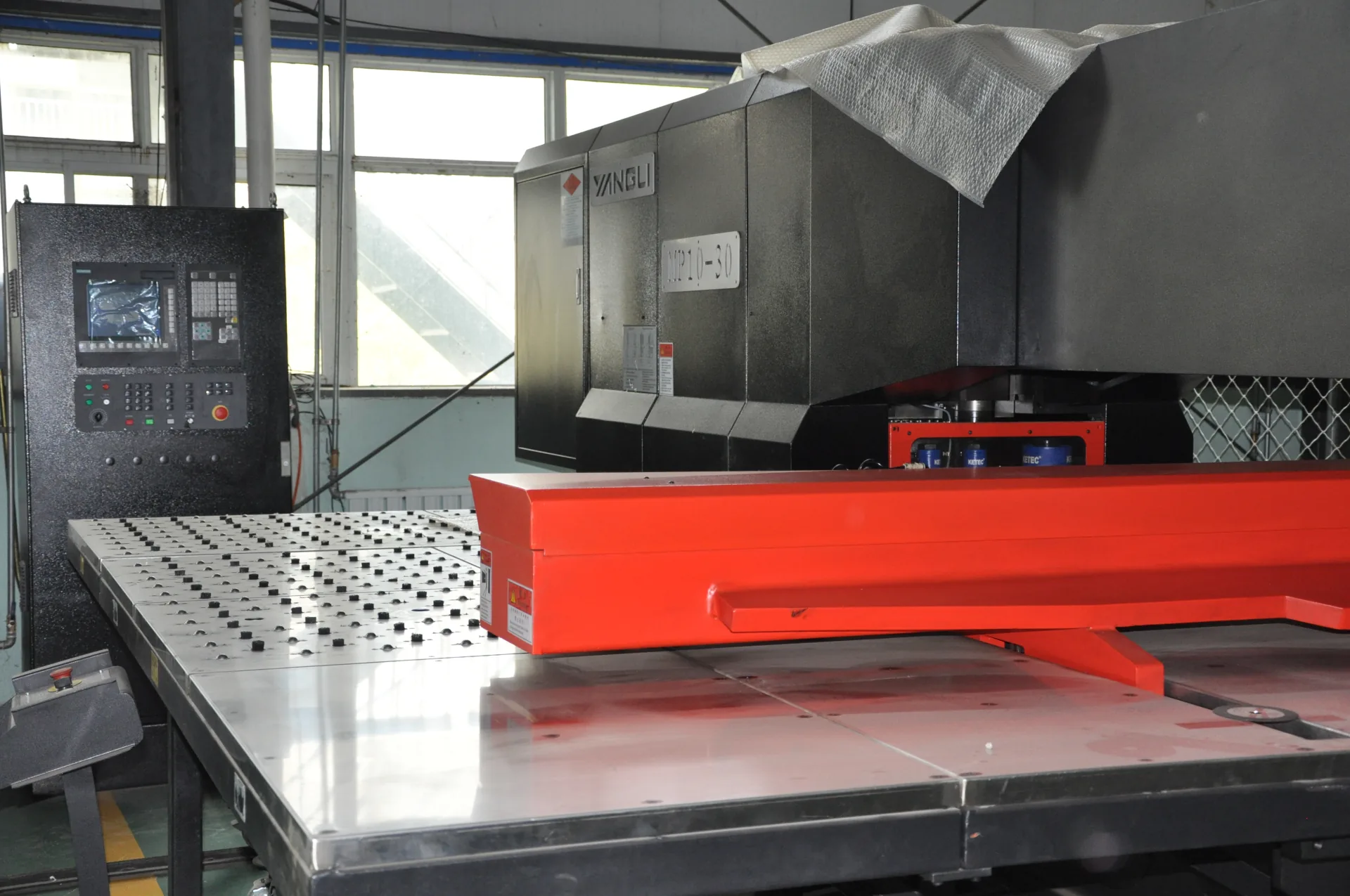
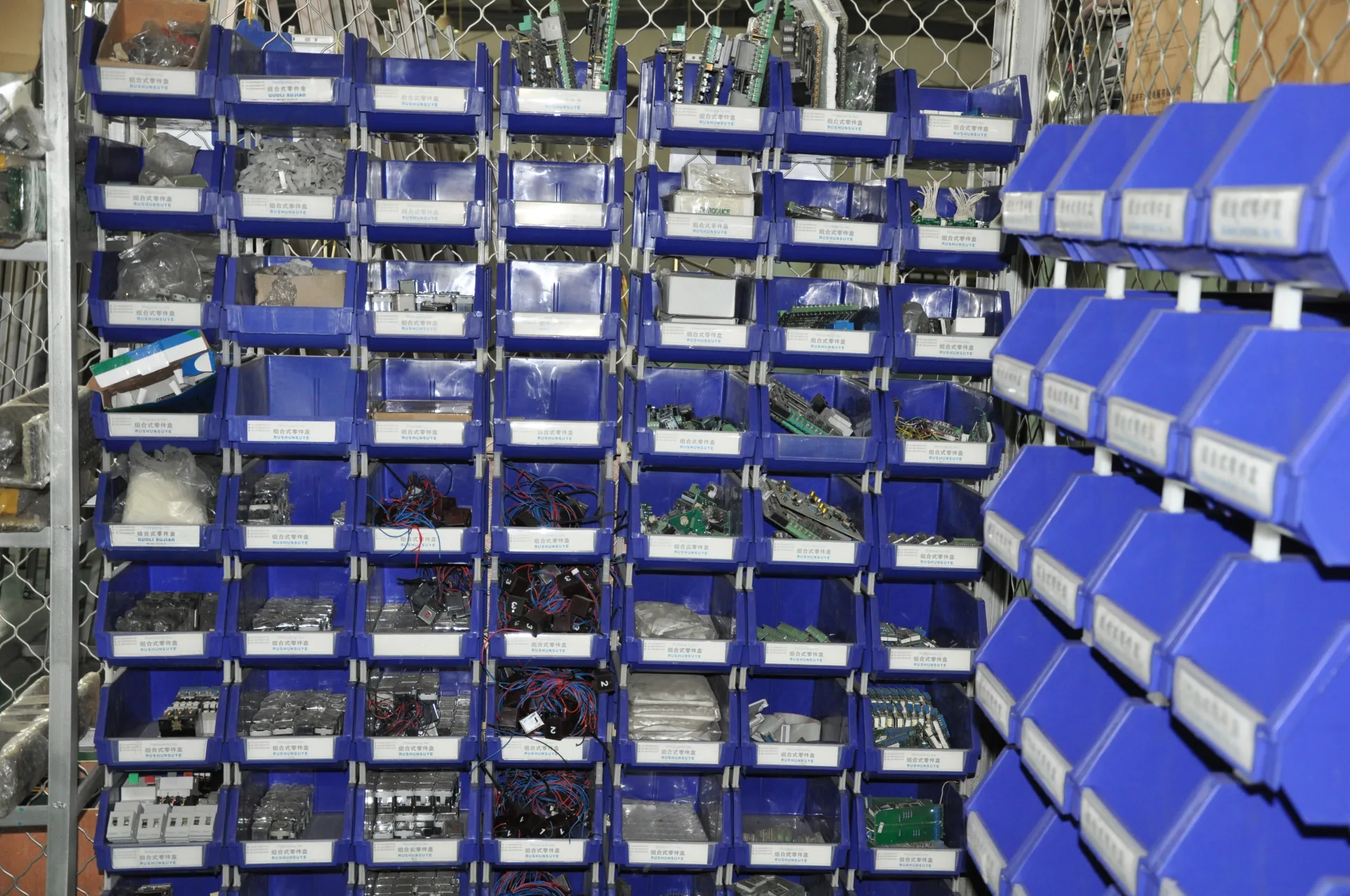
JAFITA’s foundation includes freight-elevator manufacturing and OEM experience. Its broader portfolio also uses specialist factories and component sources. The manufacturing and supply function determines which route is appropriate for the requirement and checks feasibility with the relevant producer.
This is where broad product choice becomes a specific accountability chain. The team should be able to identify who makes or supplies the offered equipment, what configuration is being reviewed, which evidence applies and how changes will be transmitted. Historical brand cooperation in company source material explains experience; it does not replace current offer-specific confirmation.
04 / Evidence and scope
Quality work is not the act of collecting certificates after a customer asks. It begins by identifying which record supports which claim. Management-system certificates belong to a named legal company and scope. Product certificates and test reports belong to a holder, manufacturer, model or component. Inspection records belong to an order or item. Packing records belong to a shipment.
The quality and documentation function helps keep these relationships visible. It also supports drawing and document control, inspection evidence, identification and the material customers may need for local project records. The exact document package depends on the product, supply route and agreement; it should be confirmed rather than assumed from a general download page.
05 / Approved information
Project coordination carries an order from agreement toward production and delivery. The coordinator watches the dependencies among drawings, technical schedules, appearance selections, quantities, document requirements, destination details and shipping information.

The role becomes most valuable when something changes. A shaft dimension may be revised after a site survey. A customer may replace a finish. A logistics route may require different packing marks. The coordinator helps identify the affected records, obtain the necessary review and confirm which version becomes active.

06 / Service and continuity
Useful support starts by identifying the project and equipment. A message that says “the door board is faulty” may not establish the controller, board version, voltage, symptoms or whether the problem lies elsewhere. A good support record includes project reference, equipment model, nameplate, part number, clear photographs or video, fault description, recent work and the local technician’s observations.
The support function routes that evidence to the relevant technical or supply contact. For urgent entrapment, abnormal operation or other safety concerns, users must follow local emergency procedures and contact the responsible maintenance organization. Remote supplier support is not a substitute for authorized on-site action.
One project, connected decisions
Consider an overseas freight-elevator enquiry. International business records the project context and customer objective. Engineering asks about goods, loading method and shaft conditions. Manufacturing checks feasibility and identifies the supply route. Quality confirms applicable records and inspection needs. Project coordination preserves approved information as drawings and schedules evolve. Delivery coordination links package identity with the order. Support retains the project basis for later questions.
No handover should erase what the previous function learned. The purpose of a connected team is to carry the reason behind a decision, not merely its final number.
A useful conversation

The best meeting ends with a clearer decision list. Depending on the stage, that may include:
We do not promise that every question can be answered immediately. Some require factory review, a site measurement, a local consultant or a qualified installer. A reliable team distinguishes an answer from an assumption.
Meet in Beijing
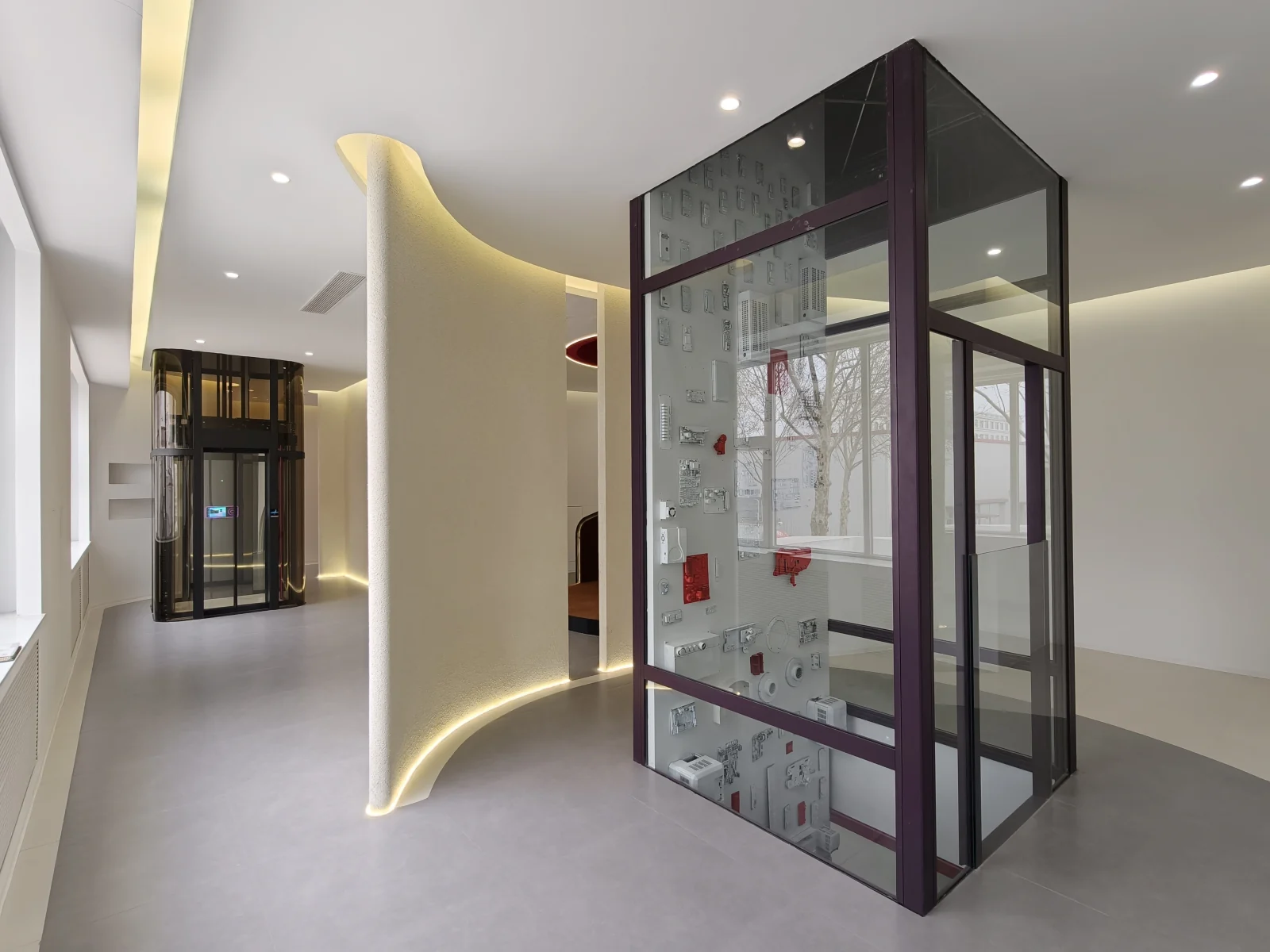
The JAFITA showroom in Shunyi District gives team discussions a physical reference. Full-round and four-corner curved panoramic displays, static cabins, finishes and components allow visitors to compare what a drawing or sample cannot fully communicate. A project meeting can move between plans, materials and equipment rather than remaining abstract.
Visitors should arrange an appointment and share their purpose in advance. That allows the relevant commercial or technical colleagues to prepare product information, samples and discussion points.

Working with our team
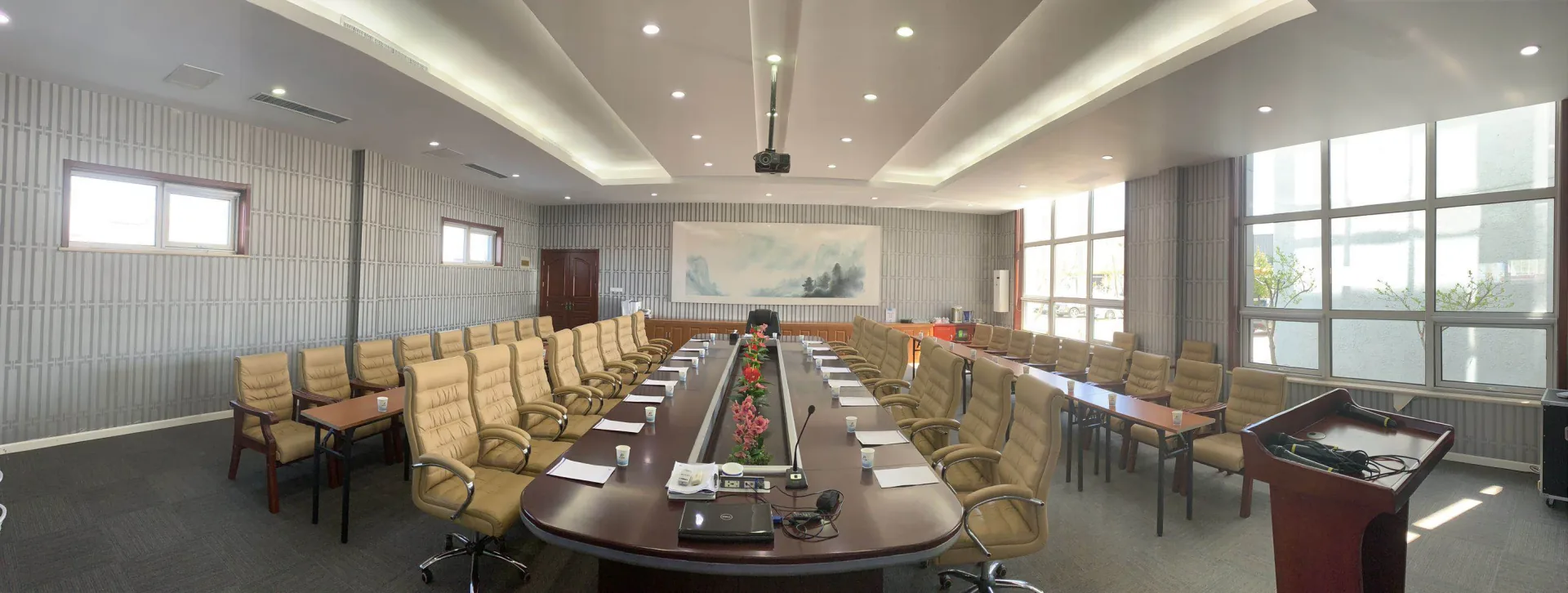
You should have a clear primary contact, while technical, manufacturing, documentation and support questions are handled by the relevant functions. The primary contact helps keep the work connected.
Technical review can be part of the pre-order process when the requirement calls for it. The amount of review depends on the information available and project complexity.
Installation scope must be defined for the destination and project. Qualified local organizations may be responsible for installation, inspection and maintenance. Do not assume these services are included unless the written offer says so.
Photographs are useful, especially with a nameplate, part number, model, dimensions and electrical data. Identification and compatibility still need confirmation before supply.
Only verified, approved profiles should be published. This page explains accountable functions without inventing individuals, titles or team size.

Tell us whether you are planning a building, sourcing equipment, developing an OEM programme, identifying a component or requesting support. We will route the requirement and explain what information the next team needs.