Project services / Installation support

Elevator Installation Support

Technical Information That Helps a Qualified Site Team Install the Equipment Supplied

Elevator installation support begins with a simple discipline: the site team must be working from the correct equipment identity, approved drawing and document revision. A good manual cannot compensate for an unverified shaft, a changed entrance or a package assigned to the wrong elevator. JAFITA therefore treats installation support as controlled technical coordination between the supplied equipment, the live building and the qualified organization responsible for site work.

A technician working from a platform between lift guide rails.
The live site and its qualified team · Illustrative context

Beijing Jieteda Elevator Co., Ltd. has worked in the elevator industry since 2001 and began international business in 2008. The company’s archive includes detailed installation and use-and-maintenance documents for relevant Jieteda equipment. These are practical engineering records, not decorative brochures. For example, the archived dumbwaiter installation manual separates construction preparation from mechanical installation and then documents the frame, guide system, machine base, traction machine, car, counterweight, landing doors, safety gear, governor and related adjustments in a defined sequence.

That manual demonstrates the depth of information available for that equipment family. It is not a universal instruction for every JAFITA elevator. The installation pack issued for a current project must match the actual product, model, configuration, electrical system and destination requirements.

Support begins with a defined role

What Installation Support Means at JAFITA

JAFITA installation support can include document coordination, equipment identification, clarification of supplied interfaces, review of evidence sent by the site team and communication with the responsible manufacturer. The exact scope is stated in the quotation, contract or separate service agreement.

It does not automatically include installation labor, site supervision, commissioning, statutory testing or local approval. Those activities may require licensed organizations and authorized personnel in the destination country. If on-site assistance is requested, its location, duration, task, access conditions, safety responsibilities and relationship with the local installer must be agreed separately.

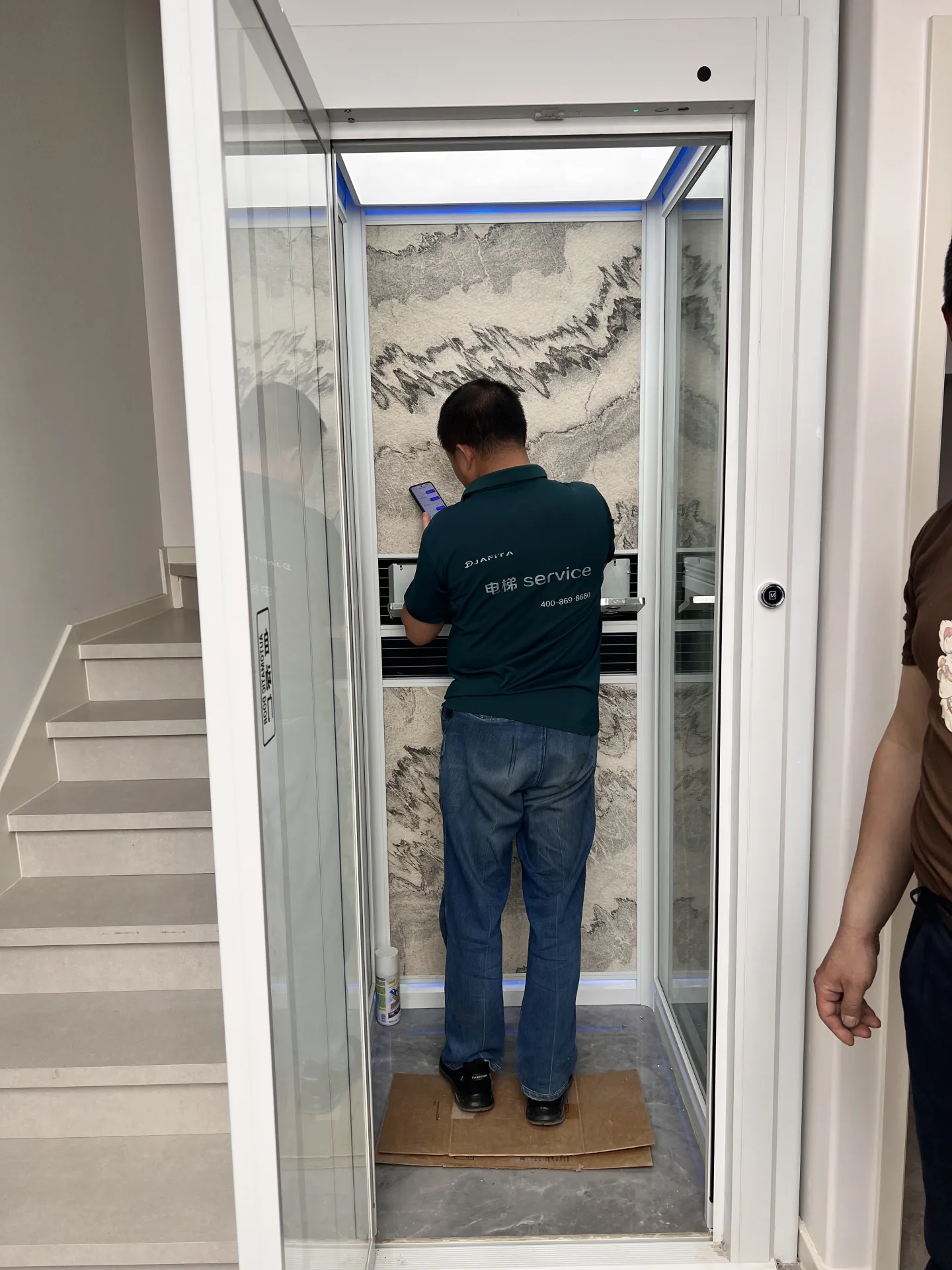
JAFITA service technician working inside a home elevator with a glass swing door
JAFITA service work

The practical objective is to give the assigned installer reliable answers to five questions:

  1. Which equipment and revision are being installed?
  2. Which building conditions were used when the equipment was approved?
  3. Which drawings and manuals control the work?
  4. Which interface or observation needs technical clarification?
  5. Who is responsible for the decision and the work at site?

Installation Readiness Is Established Before Mechanical Work

The best time to resolve an interface problem is before components are lifted into the shaft. JAFITA uses project information to help the customer and installer confirm whether the site basis still matches the approved supply.

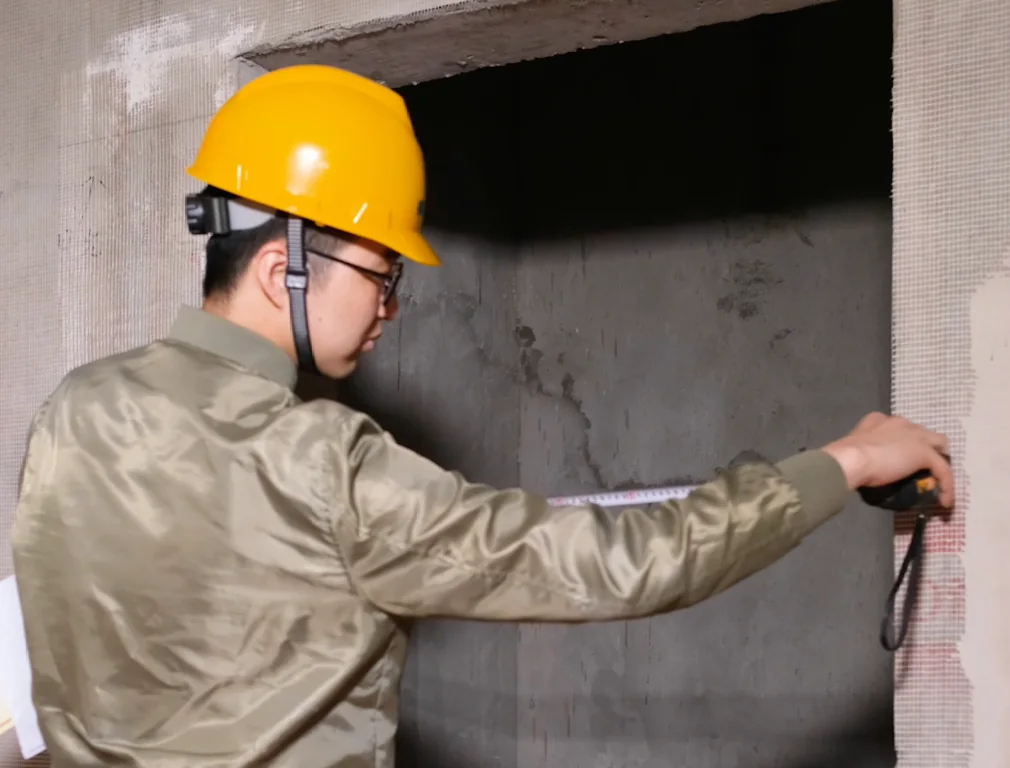
Worker measuring an unfinished elevator opening with a tape measure
Confirm the actual building dimensions · Illustrative context
Readiness subjectEvidence the project team should holdWhy it matters
Equipment identityProject reference, elevator-unit reference, product model and packing recordsPrevents components or documents being assigned to the wrong unit
Building geometryVerified shaft, pit, overhead, floor levels, travel and entrance dimensionsConfirms that the live building still matches the approved interface
StructureSupports, openings, fixing zones and responsible structural reviewInstallation loads and fixing methods cannot be assumed from a catalogue image
Access and storageUnloading route, lifting plan, dry storage, package protection and site sequenceProtects equipment and ensures components can reach the work area
Power and interfacesVoltage, frequency, earthing, isolation and relevant building-system informationPrevents avoidable electrical mismatch and unclear connection responsibility
DocumentsApproved drawings, model-specific manuals, electrical information and current revisionsKeeps the site team from building from a preliminary or superseded file
People and authorityNamed installer, supervisor, commissioning party and local inspection routeMakes regulated responsibilities visible before work begins

For a shipment that has just arrived, JAFITALIFT provides a separate buyer task: the elevator delivery checklist helps the receiving team reconcile packages, visible condition and documents before installation starts. That receiving record becomes useful evidence if an item is missing, damaged or cannot be identified later.

The issued configuration controls the work

A Document Pack Must Match the Installed Configuration

Installation documents can include a general arrangement drawing, shaft and entrance information, component references, mechanical instructions, electrical drawings, control information and operation or maintenance material. Their availability and format depend on the product and project scope.

The hierarchy matters. A public product page describes a category. A catalogue illustrates a product direction. A preliminary drawing supports review. An approved project drawing controls a defined interface. A model-specific installation manual describes the relevant assembly and procedures. If these sources appear to conflict, the site team should stop and request clarification rather than select the most convenient value.

Every technical question should identify the document title, number or filename, revision, page or drawing location and equipment unit concerned. Marked-up photographs and drawings are often more useful than a message saying only that something “does not fit.”

Customers can review the type of material available through the JAFITALIFT installation guides center. Project files must still be requested using the model or order reference so that a generic guide is not mistaken for a site-ready instruction.

A sequence built around a real machine

What Our Existing Installation Manual Shows

The Jieteda dumbwaiter manual in the company archive is a useful example of how installation information is organized around a real machine. It begins with required tools, personal protective equipment, shaft lighting, work platforms, fire precautions and a check against the packing list. Its mechanical section then distinguishes different frame arrangements and illustrates how the supporting structure relates to the product configuration.

The documented sequence covers:

  • frame beams and uprights;
  • machine-space supports and base plates;
  • traction-machine seating;
  • guide-rail sections, joints and supports;
  • car and counterweight buffers;
  • car, counterweight and suspension connections;
  • car door and landing-door assemblies;
  • safety gear, governor and linkage;
  • separation guarding; and
  • brake inspection and fault-reference information.

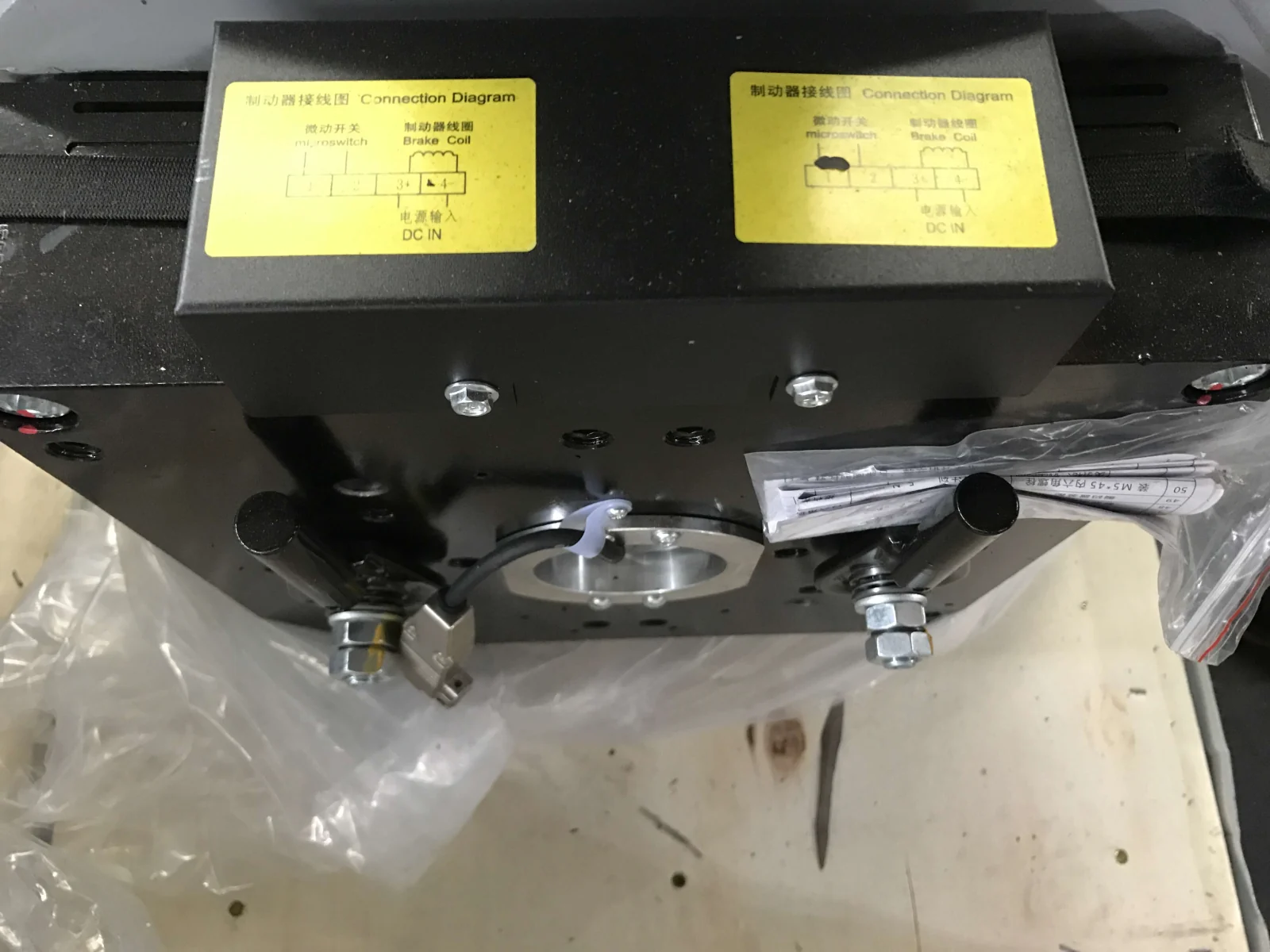
This sequence explains why installation questions cannot be answered by looking at one isolated part. A guide-rail question may depend on the frame arrangement and support position. A door question may involve the car, landing entrance, interlock and final floor level. A brake observation may require the equipment to be safely isolated and assessed by qualified personnel against the correct manufacturer’s procedure.

We use this systems view when coordinating support. We do not publish adjustment values or invite unqualified users to perform regulated work on a public page.

A question becomes a controlled response

How an Installation Question Is Handled

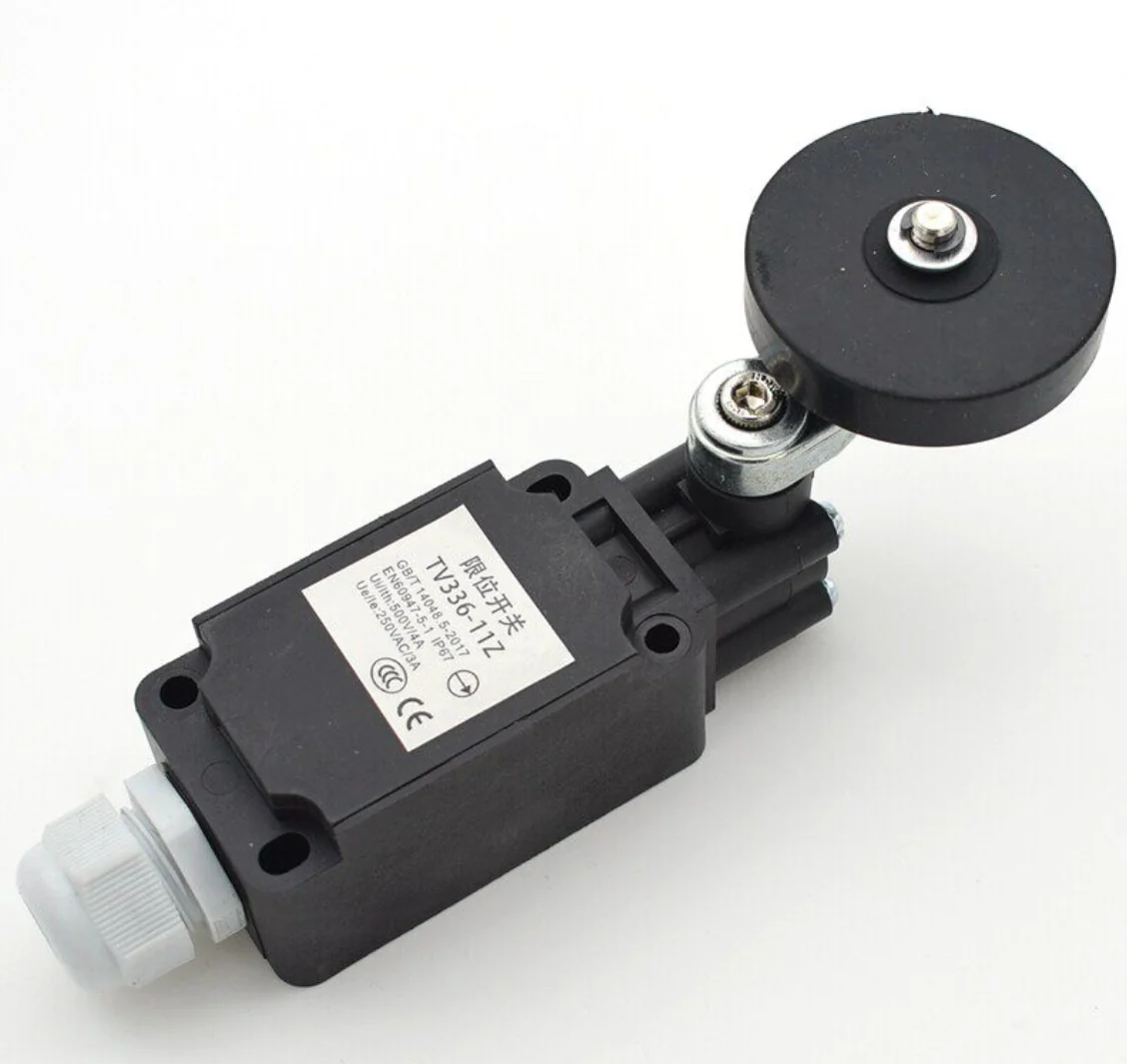
Black roller-lever limit switch
Preserve the original part markings

1. Identify the project and equipment

Provide the JAFITA quotation, order or project reference; destination; elevator-unit number; product family and model; and the name of the responsible installer. Photographs should show both the complete context and the relevant label or detail.

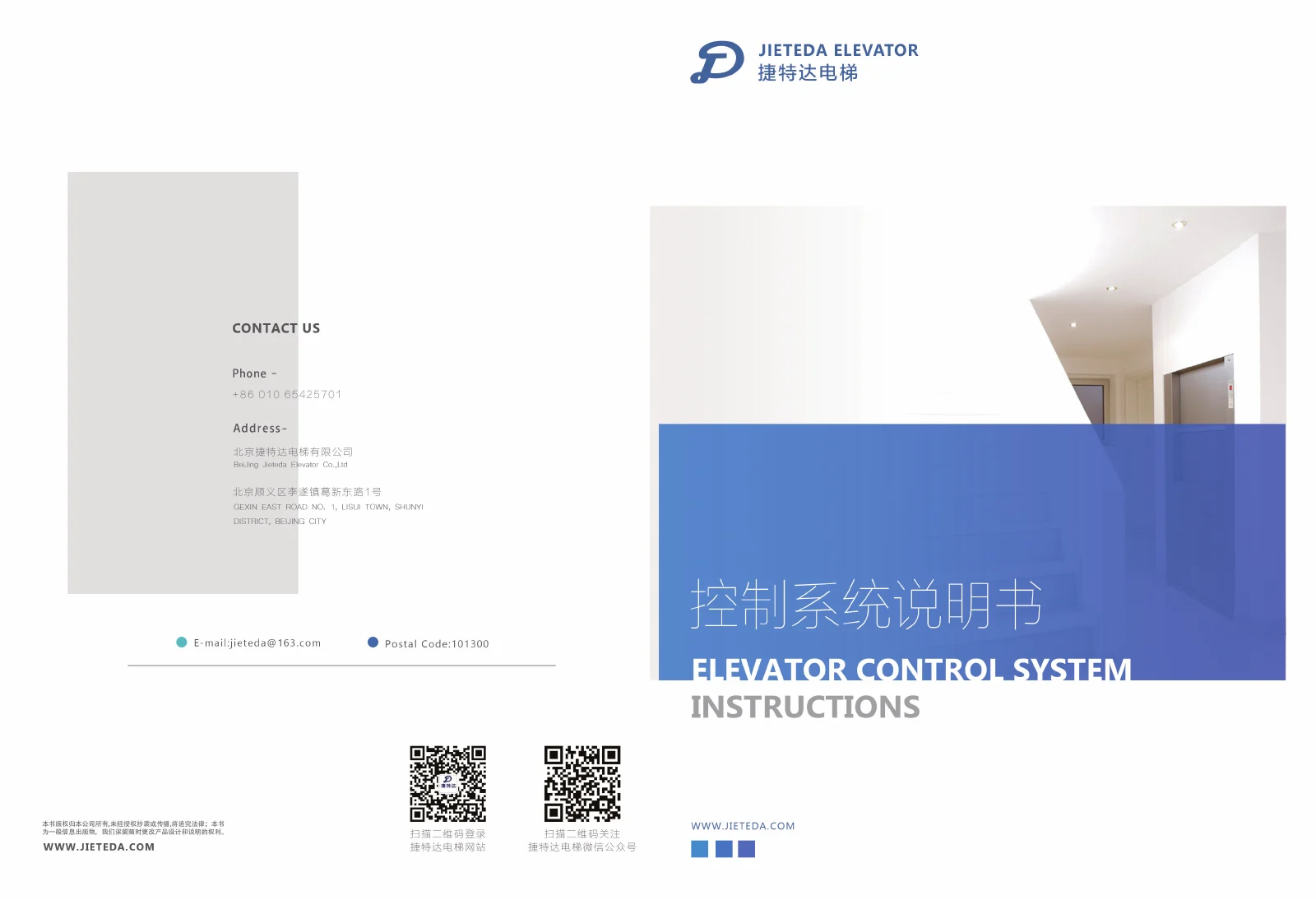
Cover spread of the Jieteda elevator control system instruction manual in the 2024 archive
Archived control-system manual · Confirm applicability

2. Establish the controlling document

State which approved drawing or manual the installer is using. If the file came from an earlier project, public download or another model, say so. JAFITA can then determine whether a matched document is available or whether the responsible manufacturer must issue a clarification.

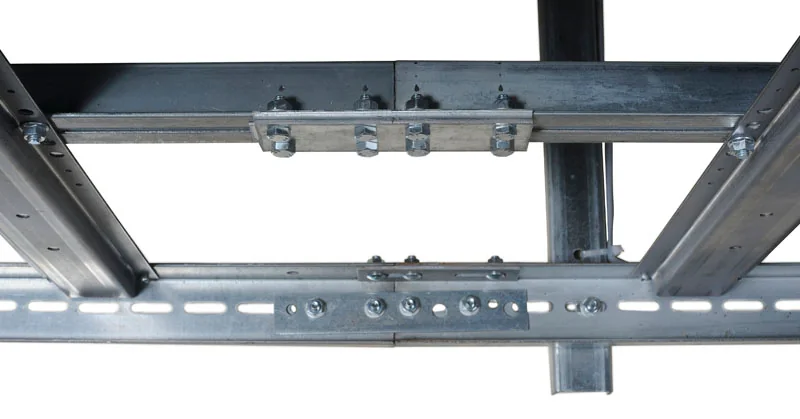
Guide rail joint, brackets and cables inside an unfinished lift shaft
Record the interface and the observed location

3. Describe the observation, not only the conclusion

Useful reports state the location, measured condition, expected condition, date and work stage. “Left guide support at Level 3 is 18 mm from the position shown on drawing X, revision B” gives a technical team something to evaluate. “Guide rail wrong” does not.

Maintenance technician examining equipment above an open elevator landing entrance
Qualified local work control · Illustrative context

4. Protect the unresolved condition

The local installer remains responsible for site safety, isolation and work control. Components should not be cut, drilled, rewired, substituted or forced into position while compatibility or approval is unresolved, unless the responsible technical authority has issued the required instruction.

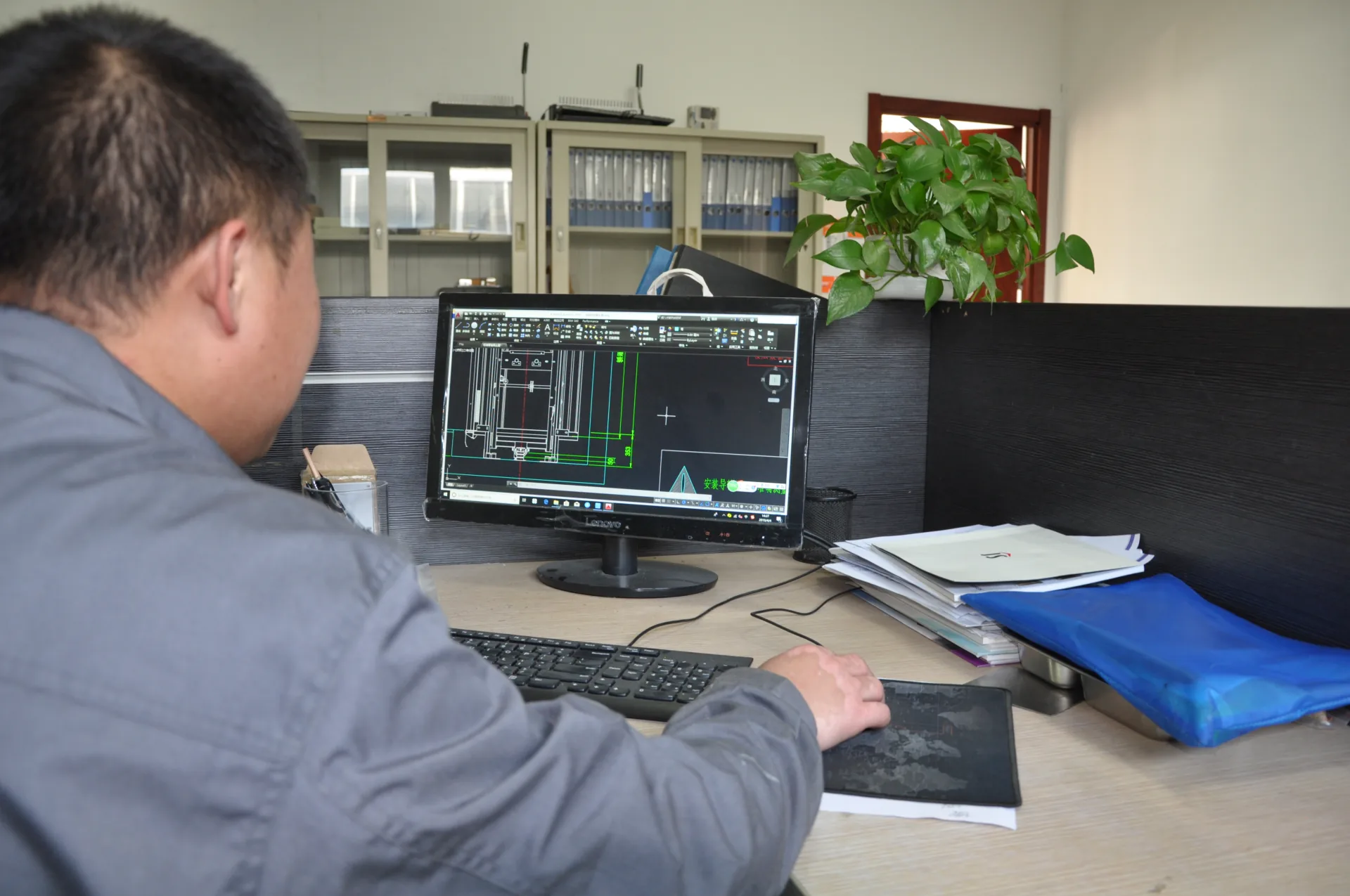
An engineer reviewing a lift CAD drawing at a workstation.
Keep a technical response linked to the current drawing · Company archive

5. Record the response and any change

A technical answer should point to a drawing, instruction, approved disposition or further evidence request. If a change affects the approved configuration, it should enter the project revision and inspection records rather than remain in an informal message thread.

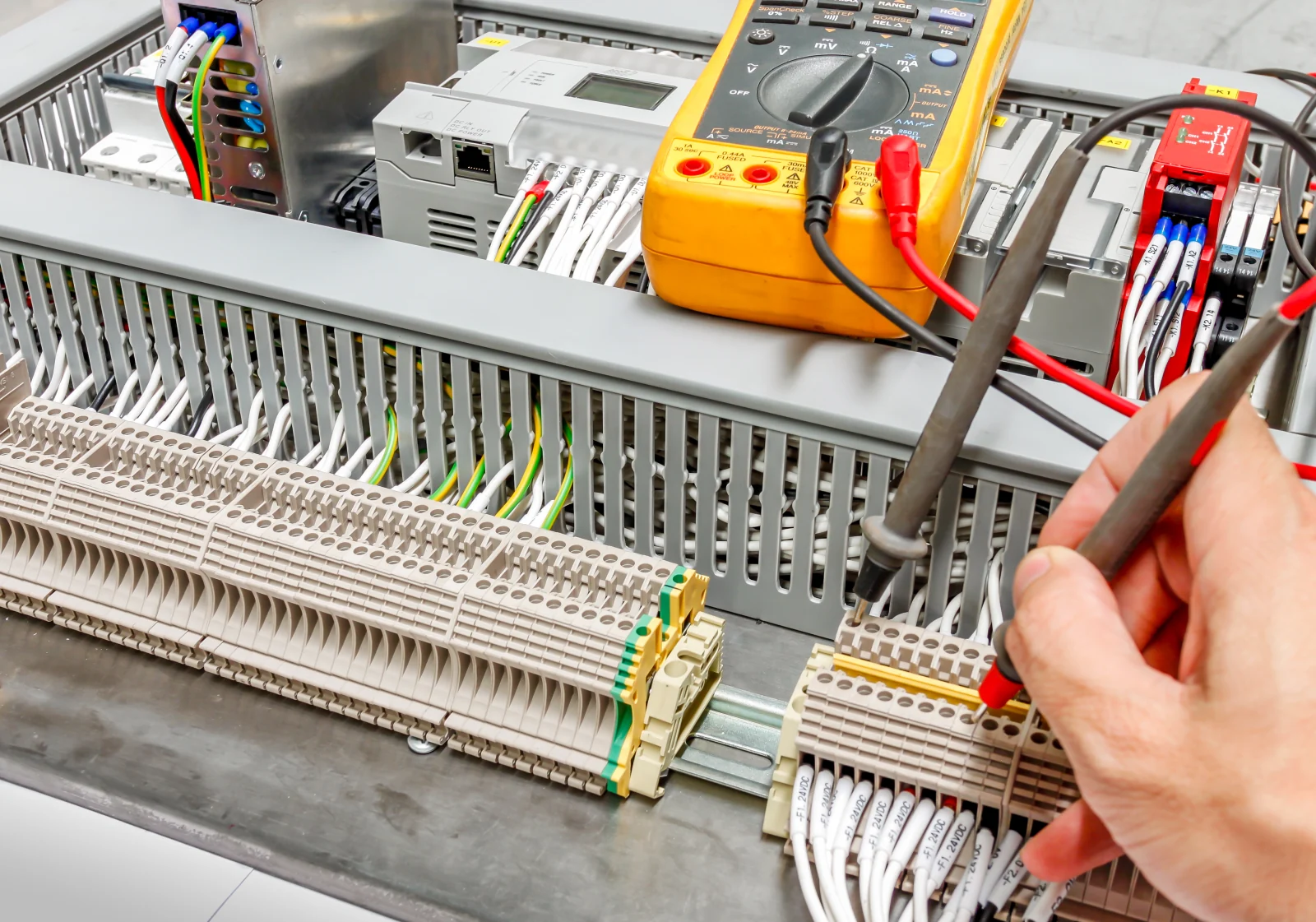
Testing terminals inside an electrical panel with a digital multimeter.
Technical checks · Illustrative context

6. Close with installation and commissioning evidence

The installer and commissioning party create the site records required by the contract and jurisdiction. JAFITA may coordinate selected documents or clarifications within its agreed scope, but site acceptance remains a separate decision by the responsible parties.

Information to Send with a Support Request

Send one organized package containing:

An open blank notebook with a pencil, phone, glasses and laptop on a white desk
Collect one organized information package · Illustrative context
  • Project, order and elevator-unit references
  • Destination and exact site location
  • Equipment type, model and nameplate photographs
  • Assigned installation company and technical contact
  • Current installation stage
  • Approved drawing or manual revision in use
  • Wide-view and close-up photographs with labels
  • Measured dimensions where geometry is involved
  • Written description of what was expected and observed
  • Any site change since drawing approval
  • Relevant package or component labels
  • Action already taken by authorized personnel
  • Decision or document required from JAFITA
  • Programme date affected and the reason

When a video is needed, begin with the equipment identity and show the whole movement before focusing on the suspected point. Do not remove guards or enter a restricted area merely to create better evidence.

A response with a stated evidence basis

Deliverables You May Receive

Depending on the question and agreed scope, JAFITA may provide or coordinate:

Hands reviewing printed charts beside a laptop, notebook and calculator
Written review and documented information · Illustrative context
  • A matched drawing, manual or component reference
  • A written technical clarification
  • A request for additional measurements or photographs
  • A marked-up interface review
  • Confirmation of package or component identity
  • Coordination with the responsible manufacturing source
  • A documented change or approved disposition where applicable
  • An open-item log for several installation questions
  • A recommendation for on-site assessment by an authorized party
  • A handover list identifying documents still required

The response will state the evidence used and its limits. A review based on photographs is a remote technical review, not proof of hidden site conditions or completed installation quality.

Elevator technician wearing a Jieteda reflective vest and carrying a toolbox
Assigned site work and continuing local responsibility

Responsibility Boundaries

The customer and building team are responsible for accurate site information, access, structure, utilities and timely communication of changes within their scope. The manufacturer is responsible for its product information and factory-issued instructions. The qualified installer is responsible for competent site work, safety controls, measurements and installation records. The commissioning and inspection parties are responsible for the tests and approvals assigned to them. The authority having jurisdiction determines statutory acceptance.

JAFITA coordinates information and support within the written project scope. We do not claim a permanent engineering team in every country, a universal site attendance commitment, or authority to approve local work remotely.

Installation Support Questions

Transparent elevator frame displaying internal components and their positions
A component belongs to a complete configuration

Does JAFITA install every elevator it supplies?

No. Equipment supply and installation are separate scopes. The contract should identify the responsible local installer and any JAFITA support that has been included.

Can the site use a manual downloaded for a similar model?

Only as background reference until applicability is confirmed. Installation and electrical documents must match the supplied model, configuration and revision.

Can JAFITA approve a site modification from photographs?

Photographs can support a review, but some changes require verified measurements, calculations, a site assessment or approval by the responsible manufacturer, engineer or local authority.

Is commissioning part of installation support?

Not automatically. Commissioning scope, responsible personnel, test procedure, records and statutory inspection must be defined for the project.

What should the installer do if a drawing and the site do not match?

Protect the work area, avoid irreversible modification, record the exact difference and raise a controlled technical question through the agreed project contact.

Prepare the Site Team with the Correct Information

Send the project reference, equipment identity, current document revision and clear site evidence. JAFITA will route the question to the appropriate project, manufacturing or technical source and define what can be answered remotely.

For a buyer-facing overview of the wider process from building interfaces through commissioning, read Installation and Commissioning on JAFITALIFT.COM.

Hands reviewing building drawings on a desk
Begin with the relevant record and the measured observation · Illustrative context