
Document-based support
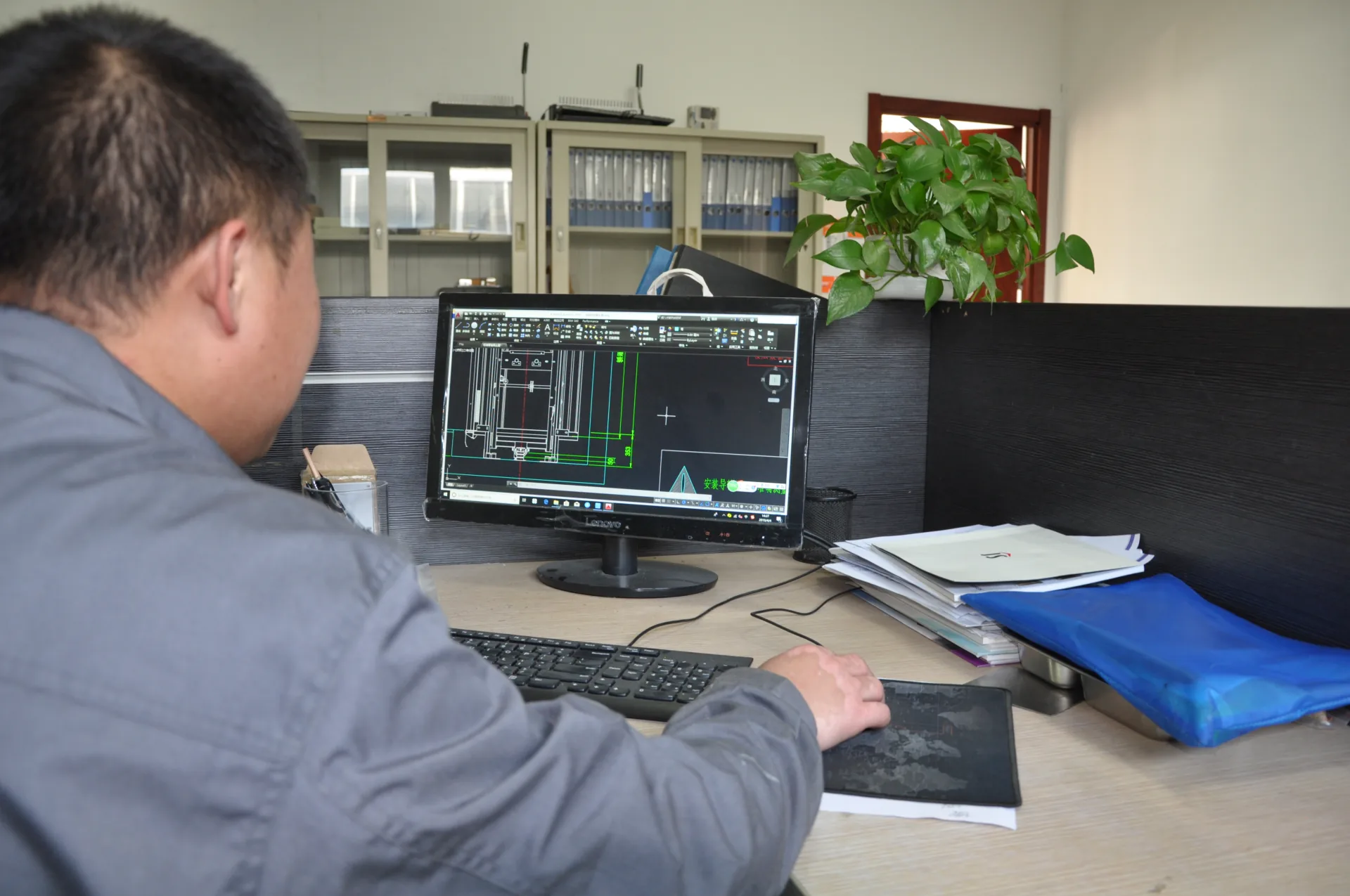
Drawings, manuals, data sheets, schedules, registers and written clarifications provide a stable reference. They should carry project, equipment and revision identity where relevant.
JAFITA / Project services
JAFITA’s project services connect decisions across the elevator lifecycle. The work begins by defining the application and project responsibilities, continues through drawings, approvals, manufacturing and delivery, and can extend to installation documentation, training, after-sales identification and modernization assessment. The purpose is to keep the equipment, documents and responsible parties aligned.
Beijing Jieteda Elevator Co., Ltd. was established in 2001 and has participated in international elevator business since 2008. Its service approach is shaped by freight-elevator manufacturing, OEM work, installation and maintenance experience within its qualified scope, and long-term coordination with specialist factories. JAFITA is the company’s international brand. The exact service offered for a project depends on the equipment, destination, contract and availability of authorized local parties.
“Full service” is not a useful promise unless its scope is defined. JAFITA describes each service by four elements:
This structure helps customers compare proposals and avoids assuming that equipment supply automatically includes local design, installation, commissioning, inspection or maintenance.
A useful record at every stage


| Project stage | JAFITA service focus | Typical customer outcome |
|---|---|---|
| Early planning | Define application, site information, product route and open decisions | A project brief that can support technical review |
| Technical coordination | Align drawings, configurations, responsibilities and revisions | Controlled submittals and visible open items |
| Manufacturing and supply | Coordinate the approved scope with the direct or partner-factory route | Traceable equipment and documents |
| Delivery preparation | Align package identity, shipping documents and receiving information | A shipment the site team can reconcile |
| Installation support | Provide equipment-specific documents and clarify technical questions | Qualified local installers work from the correct information |
| Training | Explain the supplied equipment, documents and assigned tasks to defined roles | A recorded transfer of knowledge, not a substitute for licensing |
| After sales | Identify the original project, unit, component and issue | The request reaches the correct technical or parts route |
| Modernization | Establish existing condition, objective and interfaces | A defined investigation and upgrade scope |
Each stage produces information needed by the next. A planning assumption that remains hidden can become an installation problem. A package label that loses the elevator-unit reference can become an after-sales identification problem. Good service preserves those connections.

01 / Establish the basis
Project Planning turns a commercial intention into a structured brief. It examines who or what the elevator will move, building conditions, destination requirements, programme, logistics, installation responsibilities and the evidence needed for approval.
The planning stage may conclude that more information is needed before a product can be recommended. That is a useful result. It is better to identify a missing load footprint, shaft measurement or local approval requirement before a quotation becomes a production order.
02 / Preserve approved information
Project Coordination manages the information flow after the project begins. It establishes project references, contacts, document status, approval routes, changes, issue owners and handover records.
JAFITA can serve as the coordination point between the customer and the responsible manufacturing source. In a partner-factory project, this role does not transfer the factory’s technical ownership or qualifications to JAFITA. The record remains transparent about who manufactures and issues each document.
03 / Support the assigned installer
The JAFITA archive contains real installation guidance for relevant equipment, including a step-by-step dumbwaiter installation manual and project documents that sequence steel-frame work, guide installation, counterweight, car, landing doors, machine equipment, ropes, electrical equipment and trial operation. Company site documents also address material storage, work-at-height controls, electrical work, fire precautions, coordination with building trades and completion records.
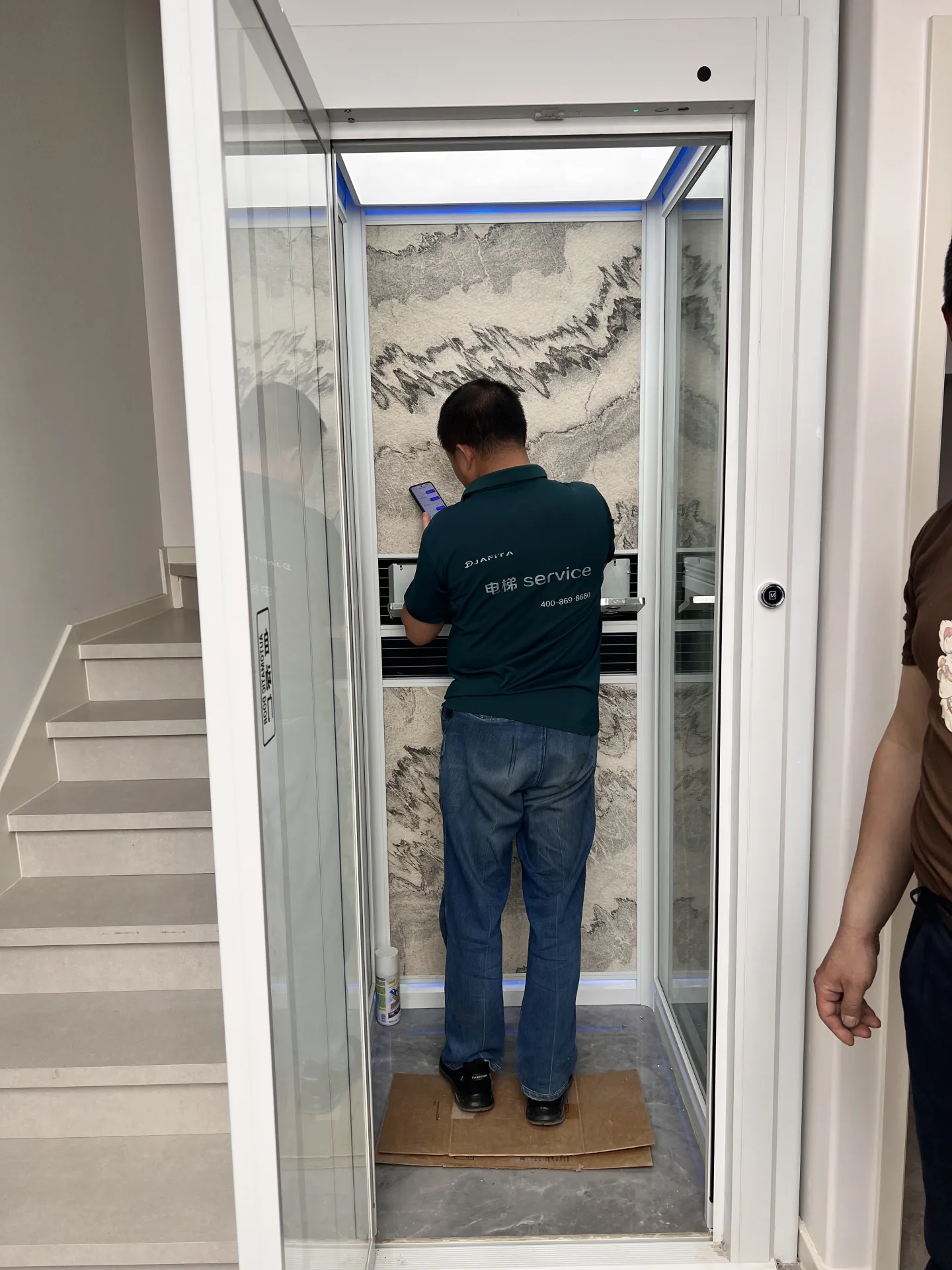
Installation Support uses equipment-specific documents and controlled questions to assist the assigned installer. It does not mean unlicensed remote supervision or a universal commitment to send personnel anywhere in the world. Local work must be performed by qualified parties under the destination’s rules.

04 / Knowledge for a defined role
Technical Training is planned around the audience and task. A receiving team needs package and unit identification. An installation team needs the correct manuals, drawings and interfaces. Operators need permitted-use and reporting information. Maintenance personnel need equipment-specific technical records and the qualifications required in their jurisdiction.
Training transfers information; it does not certify competence or authorize regulated work unless a separate recognized process explicitly does so.

05 / Keep equipment identifiable
After-Sales Support begins with identity. The project reference, elevator unit, nameplate, model, part number, photographs, drawings and issue history help JAFITA find the original supply route and decide whether the request concerns a document, technical clarification, replacement part or repeat equipment.
The service scope follows the original supply and current request. JAFITA does not claim a global spare-parts inventory, a universal response time or authority over equipment modified or maintained by others.
06 / Understand the system before changing it
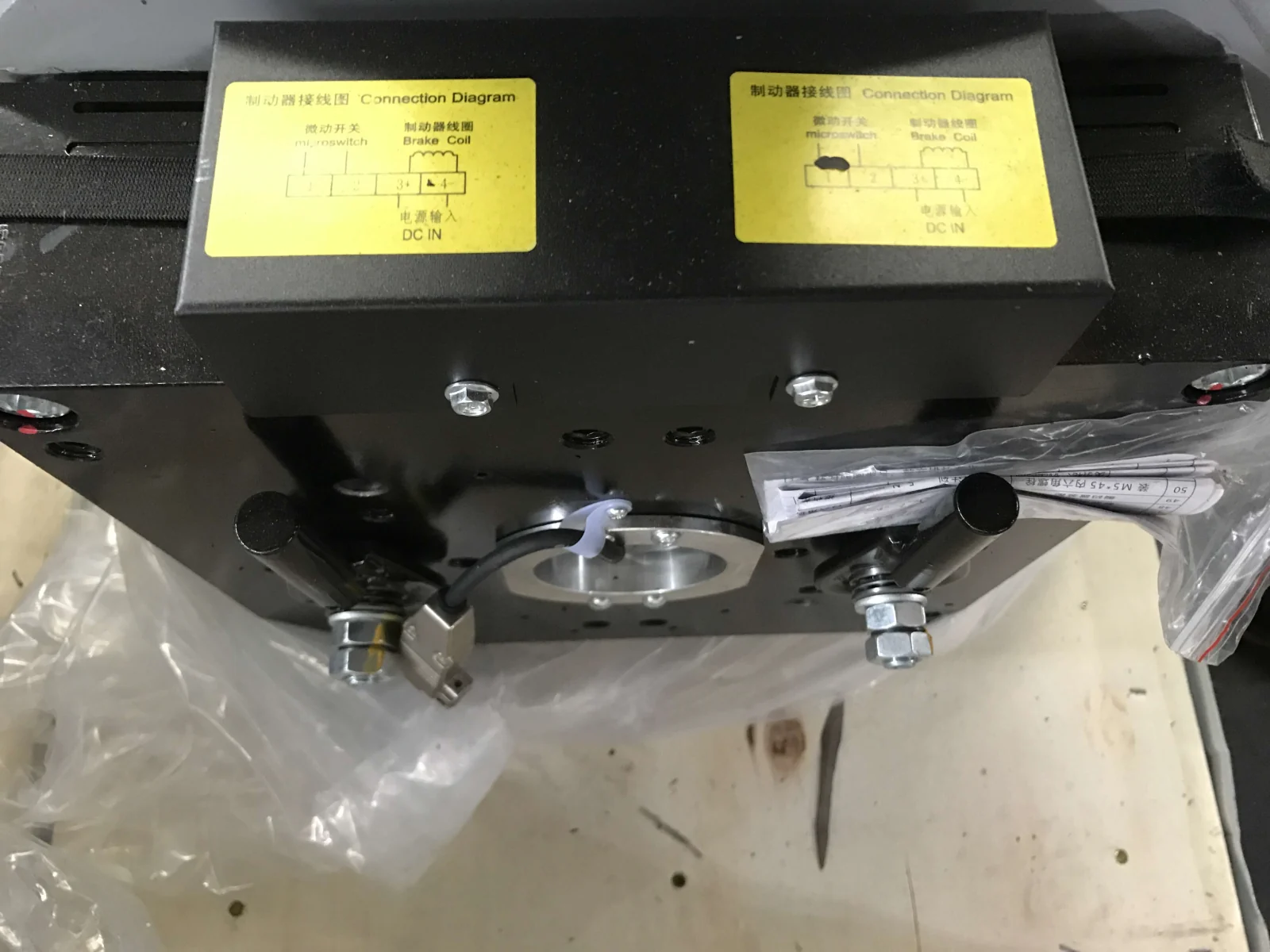

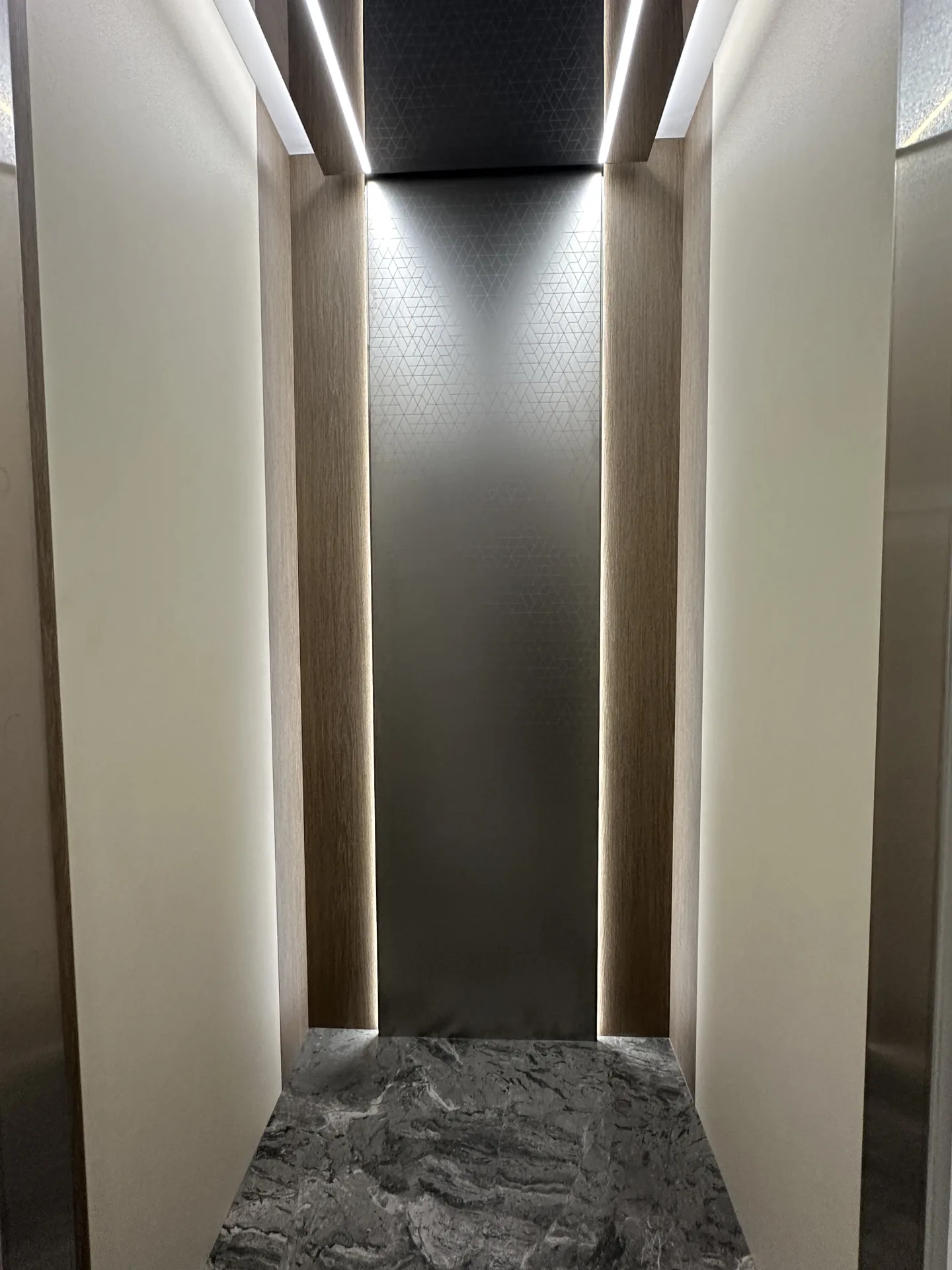
Modernization Support is an investigation before it is a product proposal. Existing conditions, equipment identity, maintenance history, symptoms, objectives, interfaces and local requirements must be understood. A controller replacement, door upgrade or cabin refurbishment can affect other systems and documents.
JAFITA coordinates modernization only after the applicable scope and responsible technical parties are defined. Work on existing equipment requires competent site assessment and local authorization.
Match the support to the task
Drawings, manuals, data sheets, schedules, registers and written clarifications provide a stable reference. They should carry project, equipment and revision identity where relevant.

Email, calls, photographs, videos and live sessions can clarify an issue when the local team provides sufficient evidence. Remote support is limited by what can be observed and measured. It cannot verify hidden conditions or replace required on-site inspection.
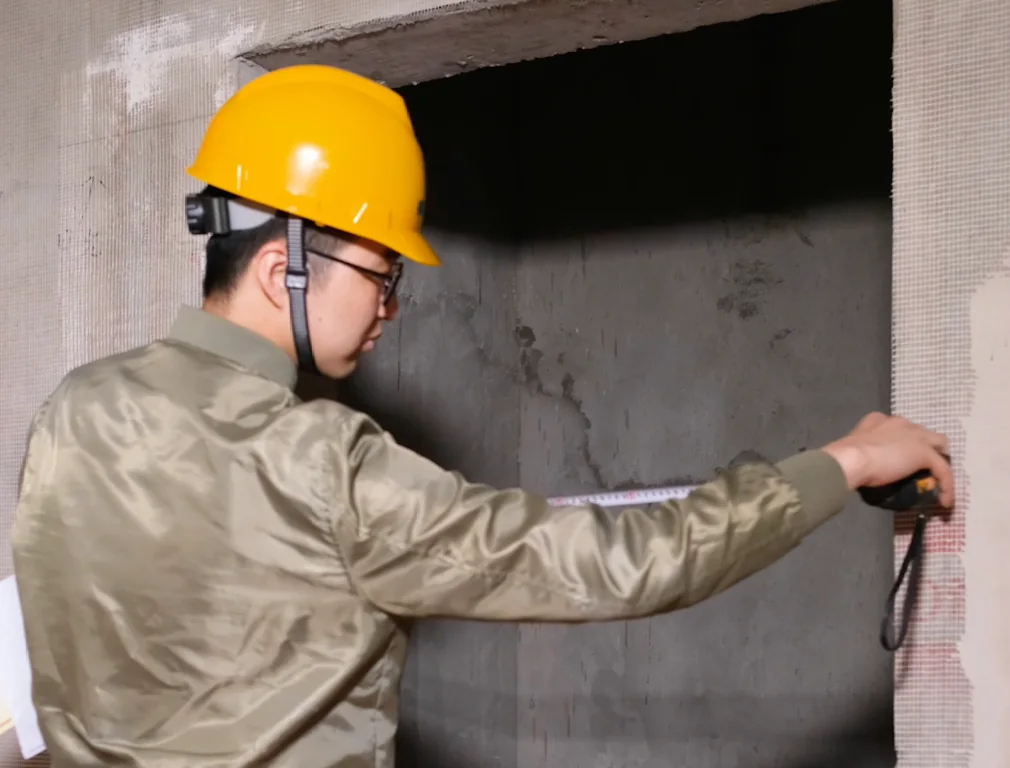
Site surveys, supervision, training or commissioning assistance may be considered when included in the contract and legally practical. The proposal must define location, duration, access, visas, site safety, language, travel, responsibilities and the authorized local parties. It is not assumed to be included with every equipment order.
A useful service request includes:

For a problem, describe the observed condition rather than only the conclusion. “Door stops 80 mm before fully open at Level 3” is more useful than “door system broken.” Record when the condition began, whether it is repeatable and what authorized checks have already been performed.

Defined people, defined decisions
JAFITA can coordinate product and project information within its agreed scope. The customer controls the accuracy of supplied site data and timely approvals. The manufacturer controls its product data and factory work. The local installer and maintainer control competent site work. The building team controls structure, power and other interfaces. The authority having jurisdiction controls statutory acceptance.
No service page transfers those responsibilities by implication. The order or service agreement should name them.
Outputs that can be used by the next team
Depending on the task, useful outputs can include a clarification list, document register, responsibility matrix, reviewed drawing, issue log, training agenda, attendance record, technical response, parts-identification record or modernization findings list.
The output should state its basis and limits. A remote assessment based on photographs should not be described as a site inspection. A preliminary parts match should not be described as approved compatibility until the responsible technical review is complete.


No. Equipment supply, installation, commissioning and statutory acceptance are separate scopes. The quotation and contract identify what is included and who performs local regulated work.
No universal 24/7 commitment is made. Contact channel, working hours, response expectations and emergency arrangements must be confirmed in the specific service agreement.
A request can be reviewed if sufficient identification and technical information are available. Support feasibility and responsibility depend on the equipment, issue, documents and qualified local parties.
No. Training on supplied equipment does not replace local licensing, employer competence assessment or statutory requirements.
Only for questions that can be resolved from reliable remote evidence. Hidden, structural, safety-critical or legally regulated matters may require on-site assessment by an authorized party.

Tell us what decision or result the project needs, then provide the equipment and site evidence available. JAFITA will identify the appropriate planning, coordination, installation, training, after-sales or modernization route and state what remains outside the scope.
For a buyer-focused introduction to JAFITA’s broader project services, visit the marketing-site solutions center.