Start with the Exact Elevator, Then Route the Request Correctly
After-sales support is most effective when an installed elevator remains identifiable. A project reference, elevator-unit number, manufacturer, model, component nameplate and current drawing can turn a vague report into a technical question. Without that identity, even a clear photograph may point to several visually similar but incompatible products.
JAFITA uses after-sales support to connect a request with the original supply record, responsible manufacturing route and appropriate next action. The request may concern a document, technical clarification, replacement part, reported discrepancy, repeat equipment or modernization assessment. These are different tasks and should not be handled as one generic “service case.”
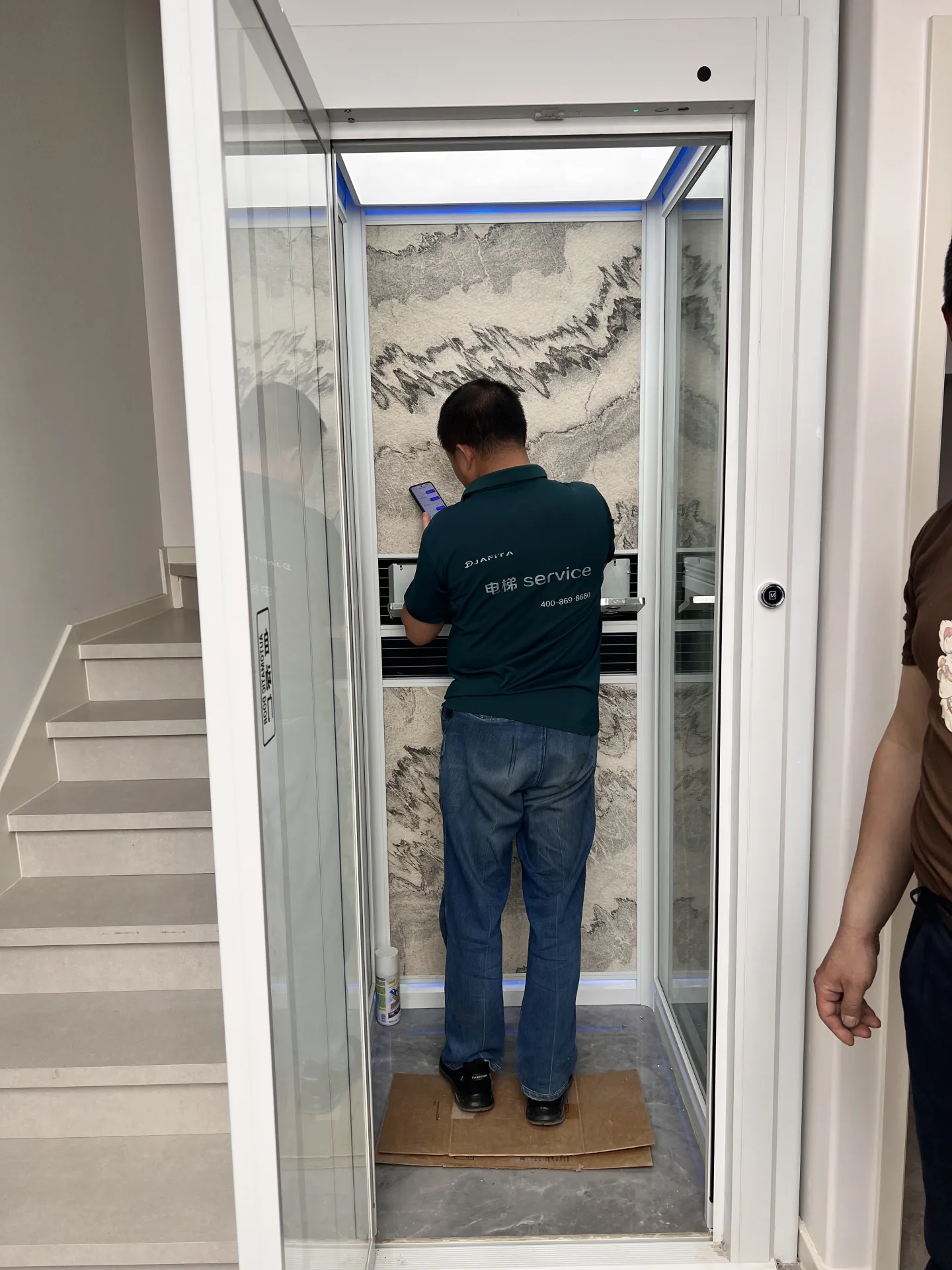
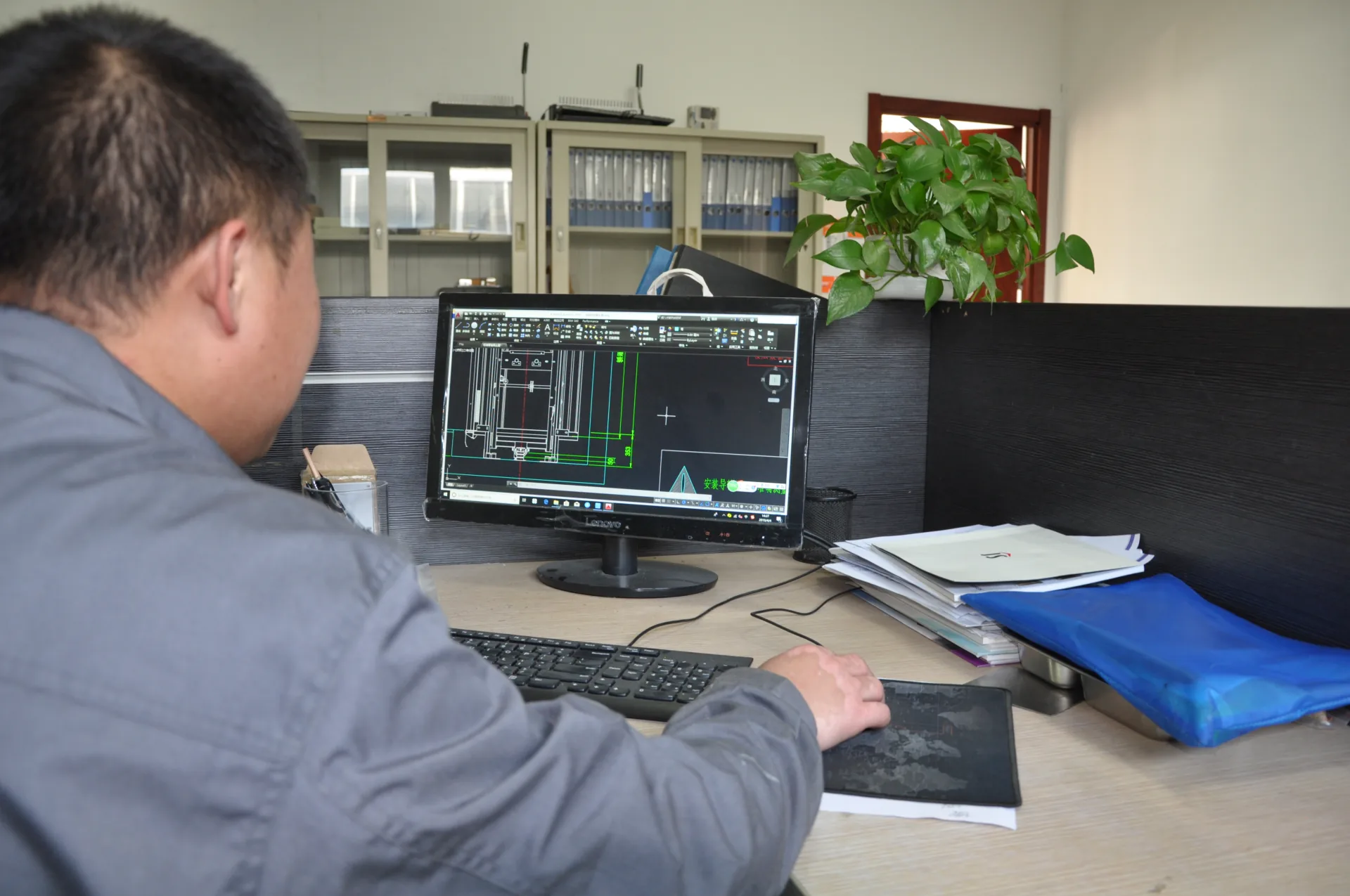
Jieteda service technician
Beijing Jieteda Elevator Co., Ltd. was established in 2001 and has participated in international elevator business since 2008. The company’s freight-elevator and OEM background, specialist-factory relationships and technical archives support long-term identification and coordination. The exact assistance available depends on the original supply, records retained, equipment condition, current responsible parties and the customer’s agreement.
Safety Comes Before Remote Diagnosis
If an elevator behaves abnormally or may be unsafe, users should follow the site’s emergency and isolation procedures, stop using the equipment where required and contact the locally qualified elevator maintenance organization. Do not enter a shaft or machinery space, defeat a door lock or safety device, open electrical equipment or attempt an adjustment to collect information for JAFITA.
JAFITA does not advertise a universal 24-hour emergency response service or a global field-maintenance network. A remote message cannot secure a site, rescue passengers, confirm hidden conditions or replace the local party legally responsible for the equipment. Emergency arrangements and response expectations must be established for the building and jurisdiction.
Once the immediate condition is controlled, the records below help the technical review begin.
Site conditions must be assessed by qualified local personnel · Illustrative context
Seven requests, different evidence and outcomes
Seven Types of After-Sales Request
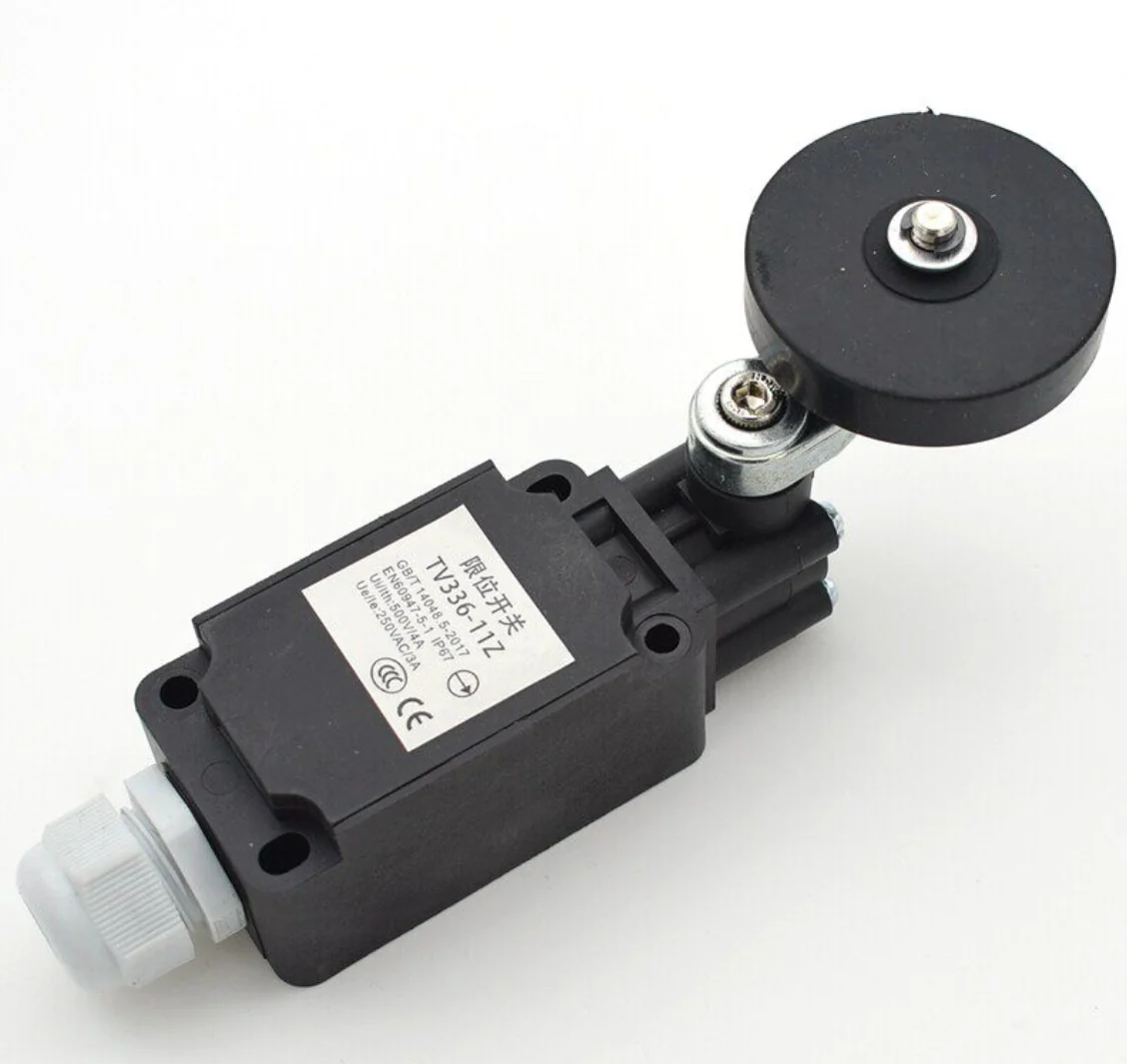
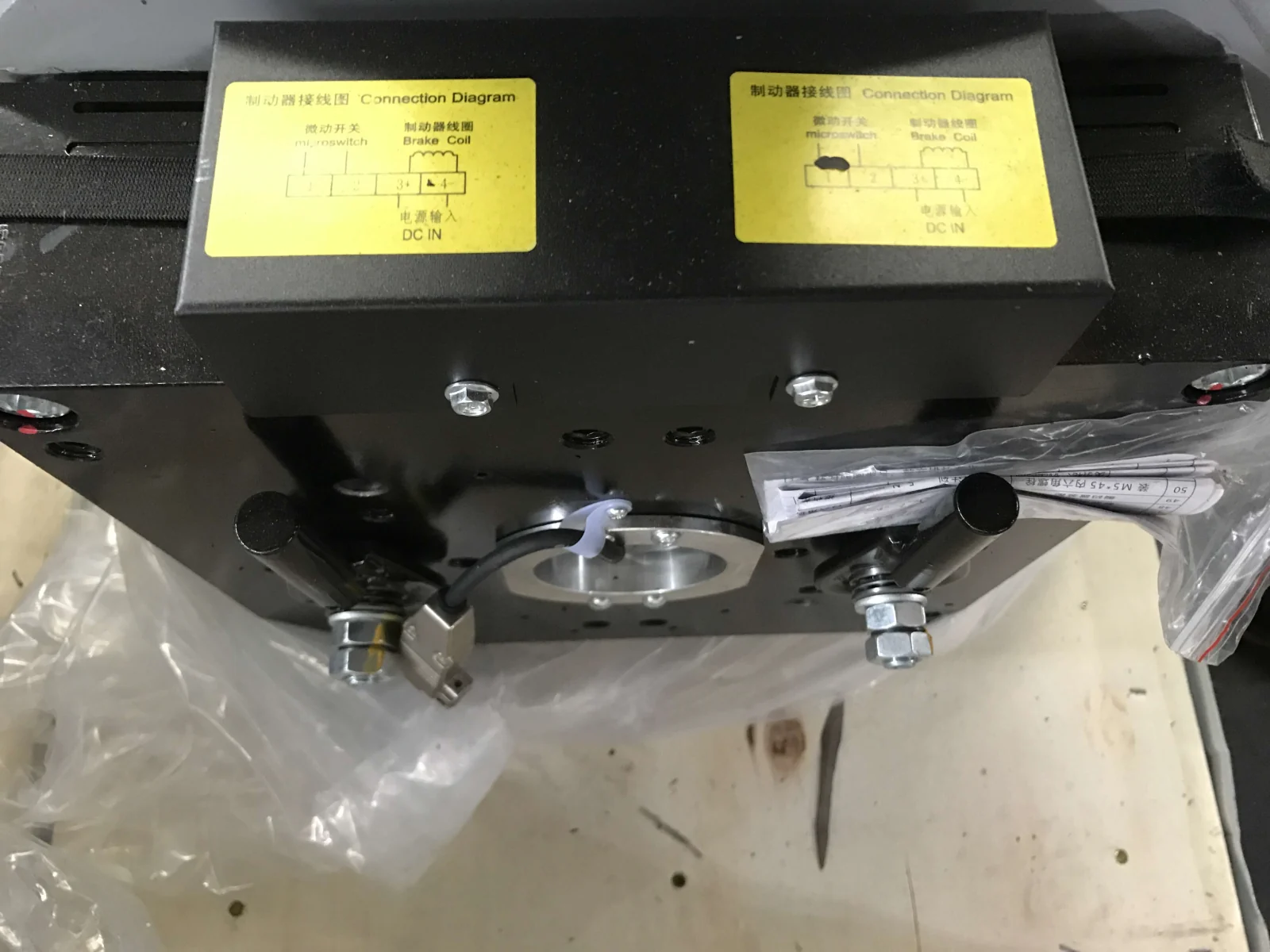
An applicable document · ArchiveAn identifiable part and its markingsA technical question · Illustrative context
Request type
What JAFITA needs to establish
Possible outcome
Document request
Project, model, unit, document type and revision required
Matched manual, drawing or document-availability response
Technical clarification
Exact observed condition, equipment identity, current documents and local checks
Written clarification or request for qualified site assessment
Component identification
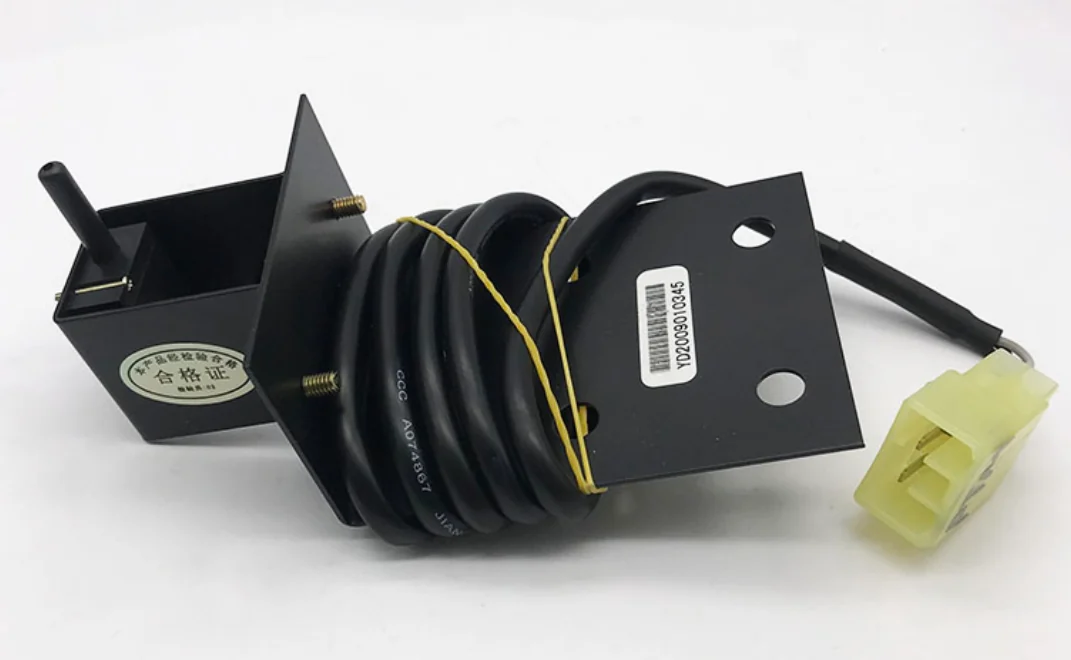
Original part, maker, full model, part number, revision, ratings and interfaces
Identification record or technically reviewed supply route
Reported discrepancy
Contract requirement, delivered item, evidence and current condition
Quality review, disposition route or further inspection request
Repeat equipment
Original configuration, current requirement and any requested changes
Reference comparison and new technical/commercial review
Maintenance information
Equipment identity, maintainer, record required and intended use
Applicable O&M information where available
Modernization enquiry
Existing systems, symptoms, obsolescence and project objective
Existing-condition review and defined modernization investigation
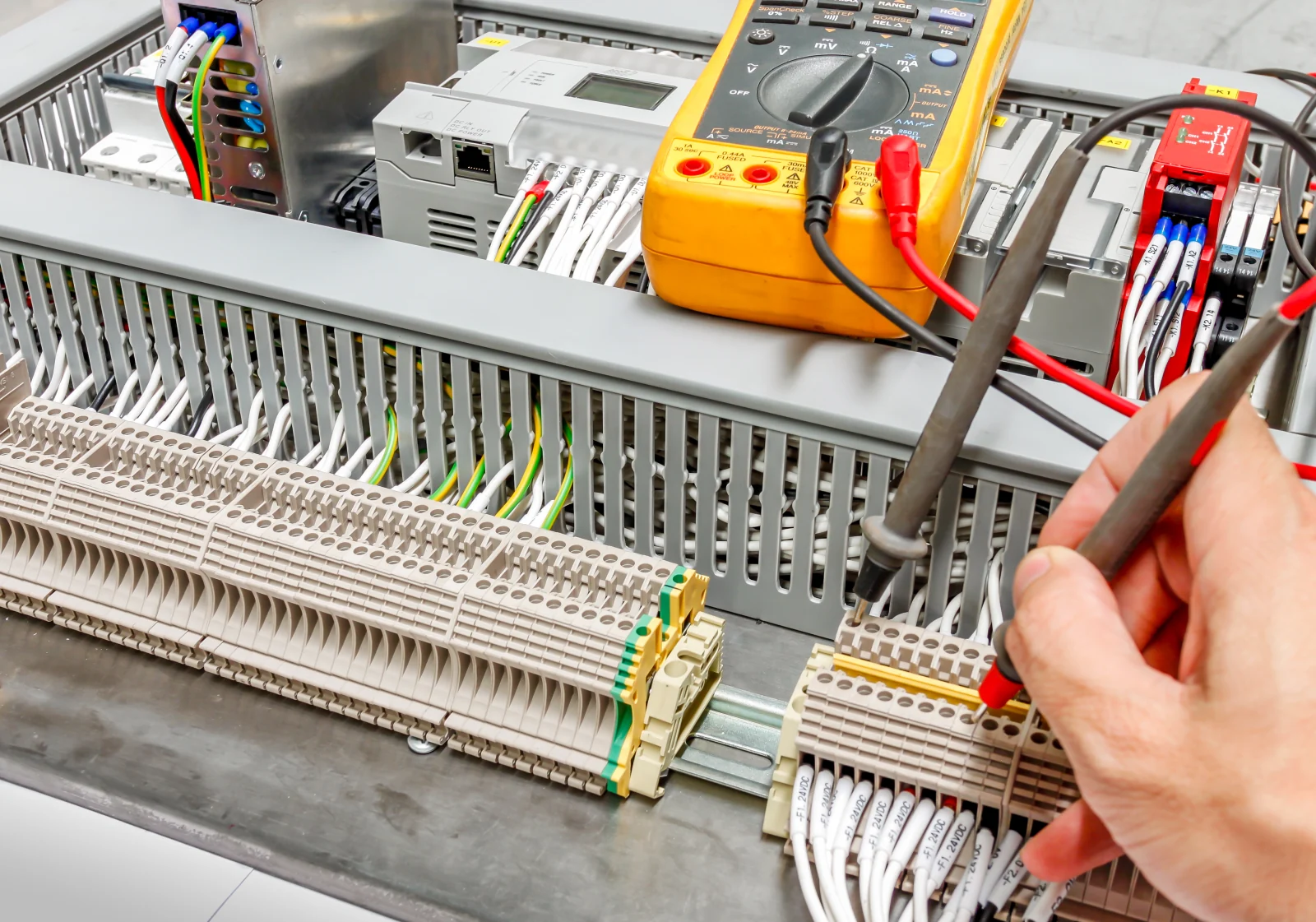
Classifying the request early prevents a symptom from being turned into an unsupported parts order. An elevator that does not run may display a controller-board alarm, but the cause could involve power, wiring, a sensor, communication or another connected device. A qualified maintainer should establish the technical basis before a replacement is confirmed.
The symptom belongs to a connected system
What Our Maintenance Archive Contributes
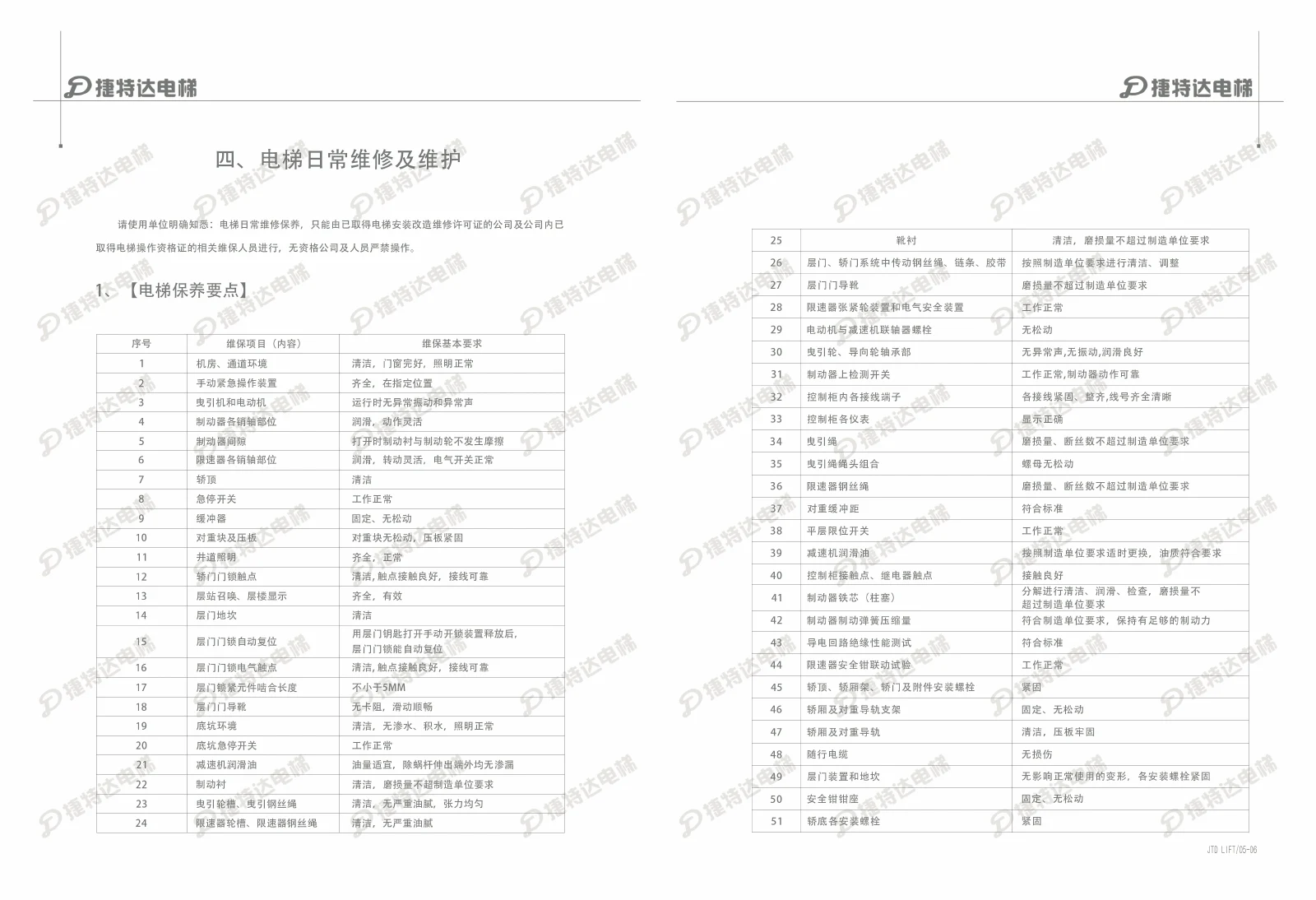
Jieteda’s archived use-and-maintenance manual for relevant dumbwaiter equipment demonstrates a systematic approach rather than a parts-only response. Its 51 listed maintenance checkpoints include the machine area, emergency devices, traction machine, brake, governor, buffers, guide system, doors, interlocks, control-cabinet terminals, safety circuits, ropes, car and counterweight, traveling cable and fasteners.
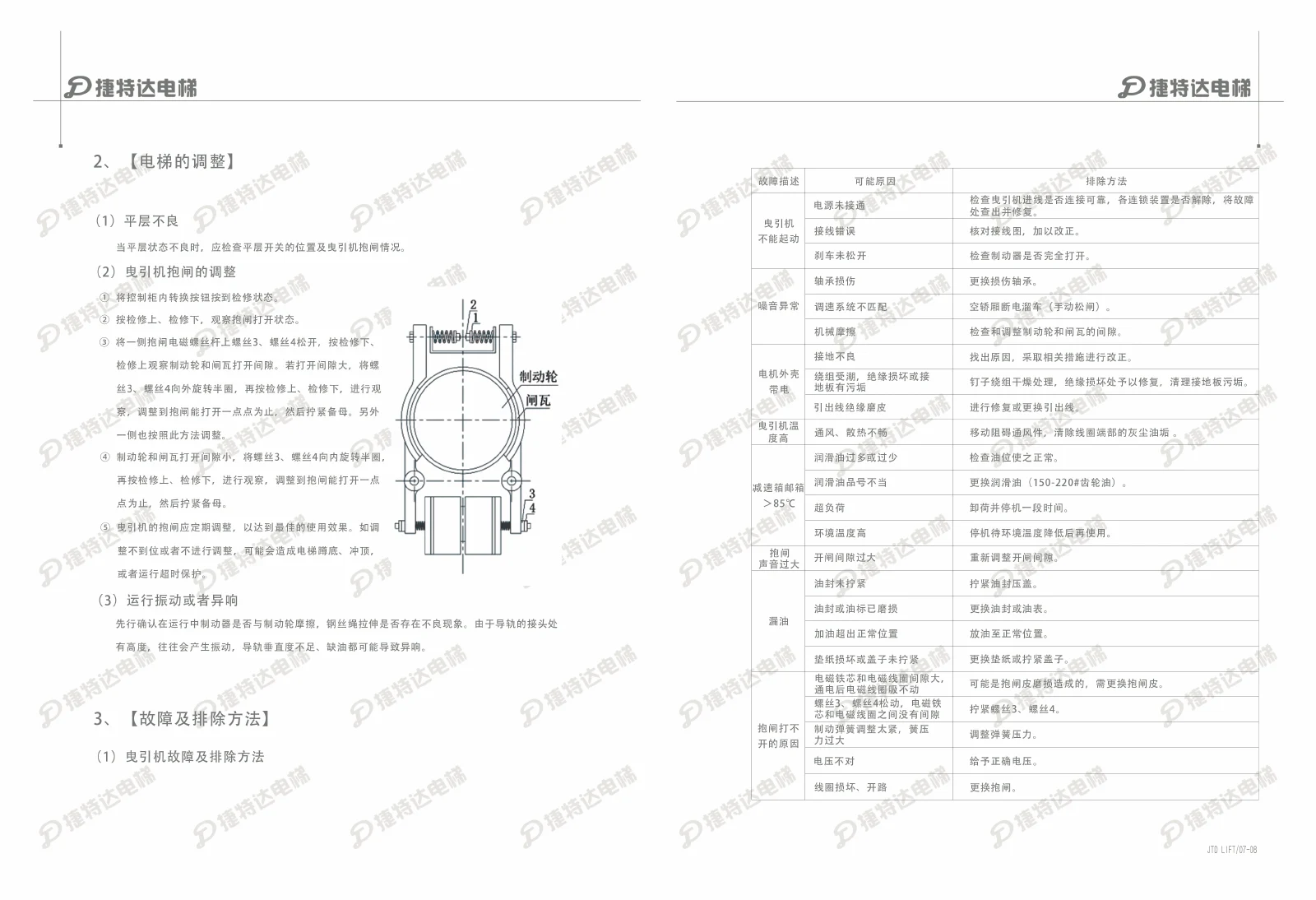
Archived equipment-specific maintenance manual · 51 checkpointsArchived equipment-specific fault-reference material · Qualified use only
The manual also includes fault-reference tables that connect a reported condition with several possible causes. A traction machine that does not start, unusual noise, overheating, oil leakage or a brake that does not open can each have more than one technical explanation. The lesson for after-sales support is important: record the symptom, operating state and evidence before concluding which part has failed.
Those archived procedures apply to their named equipment. Current maintenance and fault work must follow the actual model, manufacturer instructions and local rules. Public website content is not a troubleshooting instruction for unqualified users.
Three parts of one useful case
The Information Package for a Useful Case
Preserve the original component identity
Equipment identity
Original JAFITA quotation, contract, order or project reference
Building and destination country
Elevator-unit number or local asset ID
Equipment manufacturer, complete model and installation year
Rated load, speed, stops and travel where known
Full nameplate photographs
Controller, drive, traction-machine and door-system identities where relevant
Describe the visible indication and operating context
Observed condition
What happened, stated in observable terms
Where and when it occurred
Whether it is continuous, intermittent or linked to a particular floor or operation
Display message, fault code or indicator exactly as shown
Sounds, smells, heat, leakage, movement or door behavior observed without entering restricted areas
Wide-view photograph, detail photograph and video where safe
Date the condition began and whether it changed over time
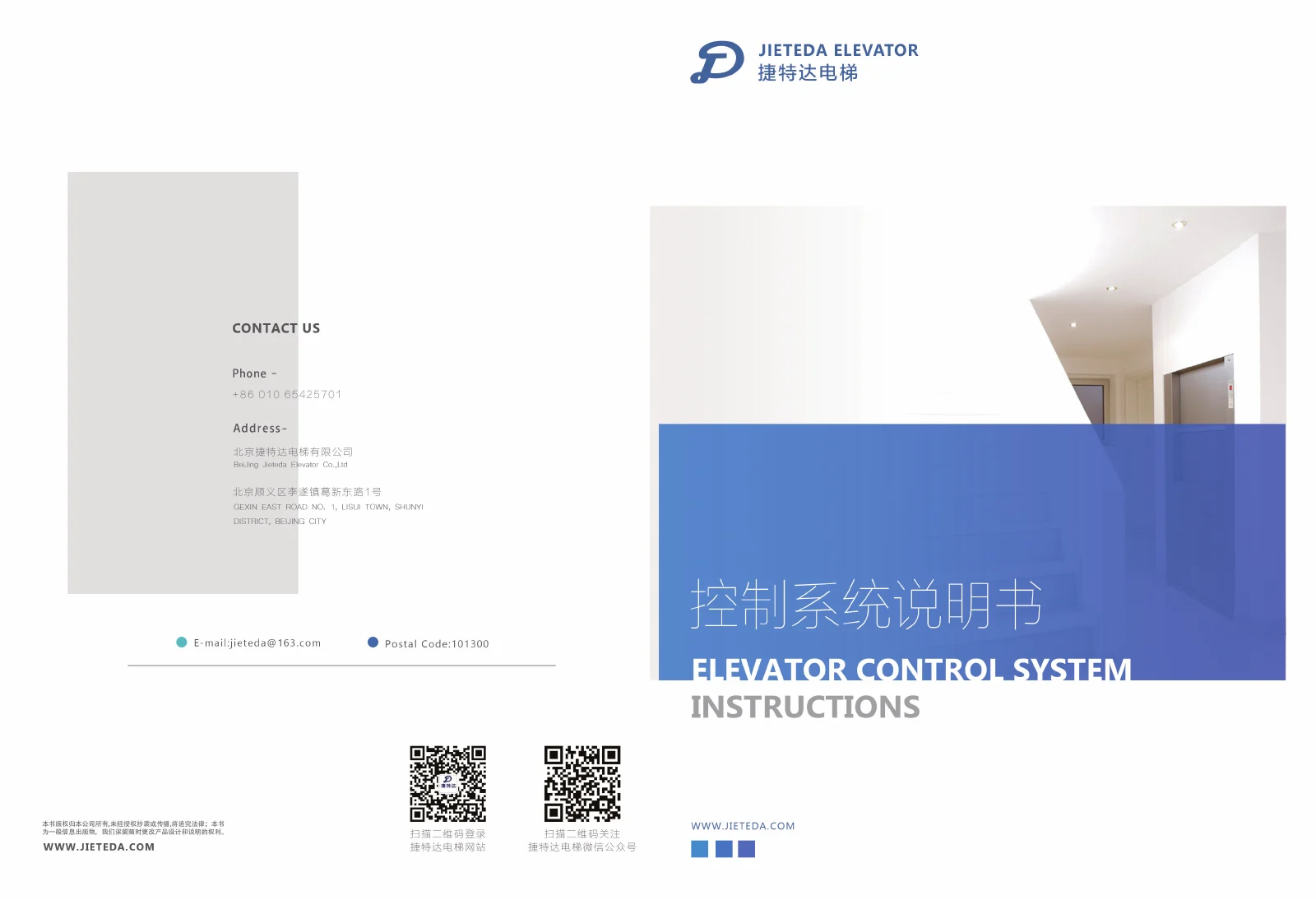
Archived equipment-specific control manual
Technical and service context
Current maintenance company and qualified contact
Latest relevant inspection or maintenance record
Work, replacement or adjustment performed before the issue began
Authorized checks already completed and their results
Drawing, wiring or manual revision being used
Any modifications since the original supply
Required decision: document, clarification, part, repeat unit or modernization review
For a component request, add the original part number and revision, electrical data, connectors, mounting dimensions, installed position, quantity and destination. Preserve the removed part and labels until compatibility has been confirmed.
Route the request without losing the equipment record
How JAFITA Routes an After-Sales Case
Register the equipment and the request · Illustrative context
1. Register the equipment and request
The first review connects the case to an identifiable project, elevator and contact. If no JAFITA record can be found, the request may still be reviewed, but more equipment evidence will be required and support feasibility cannot be assumed.
Site work and supplier review have different responsibilities
2. Separate urgent local action from supplier review
The local maintenance party controls the site condition and immediate safety response. JAFITA identifies what information can be reviewed remotely and which questions require the manufacturer, a qualified site technician or an authorized inspection party.
Review the available configuration and its open questions · Company archive
3. Check the available configuration record
Where records exist, the team may compare the reported equipment with drawings, component schedules, order data or previous correspondence. If the installed equipment has been changed, the current configuration must be documented rather than assumed to match the original file.
4. Identify the missing evidence
The team may request clearer labels, measurements, connector views, a qualified technician’s test result or a precise fault history. This is not delay for its own sake. It prevents a quotation or instruction from being based on the wrong variant.
5. Provide or coordinate the appropriate response
The result may be a matched document, technical clarification, parts proposal, request for local inspection, quality disposition or referral to a modernization review. Partner-factory equipment remains subject to the responsible manufacturer’s technical ownership and document scope.
A parts request needs an identified item · Company archive
6. Preserve the result
The case record should link the original component or condition, evidence reviewed, approved response, replacement or action, revision and closure status. That record makes the next request easier and reduces repeated identification work.
Retain the response and closure record · Company archive
Confirm the actual interface
Replacement Parts: Compatibility Is More Than Appearance
Two components with the same housing or connector shape can differ in voltage, current, communication protocol, software, encoder, pin assignment, mounting, dimensions, safety function or compatible equipment generation. A matching brand name is not enough.
A replacement review may need to confirm:
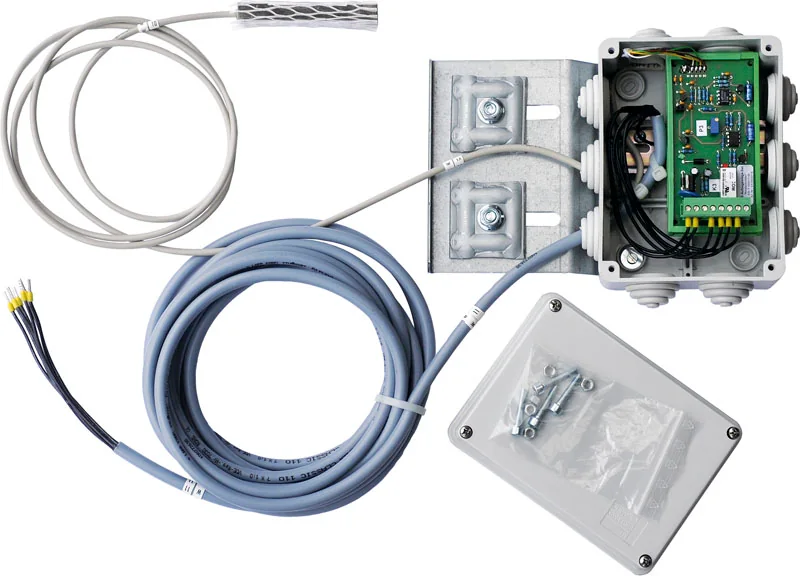
Electrical connections and terminal arrangementMounting, cable and connectorRatings and associated equipment
Exact manufacturer and model
Part number, revision and batch information
Electrical ratings and frequency
Connector and terminal arrangement
Mechanical dimensions and mounting points
Communication or feedback interface
Software or parameter requirements
Safety function and associated equipment
Documentation or certification relationship
Whether other components must change with the substitution
If the original part is obsolete, a proposed alternative may require interface changes or broader system replacement. In that case, the responsible answer may be a modernization study rather than calling a non-equivalent item a spare part.
The components overview explains how parts are identified by equipment, revision and interface.
What Customers Can Expect as a Deliverable
Depending on scope and evidence, an after-sales response may include:
A written review with a stated basis · Illustrative context
Case reference and equipment-identification summary
Applicable document or document-status response
Written technical clarification with stated assumptions
Additional-evidence request
Component-identification or compatibility record
Commercial offer for an identified part or service
Quality review and disposition route
Recommendation for qualified local inspection
Repeat-order configuration comparison
Modernization investigation brief
Closure record and follow-up actions
A quotation confirms commercial availability only for the item and conditions stated. It does not by itself authorize installation, programming, adjustment, commissioning or operation.
Read the terms for the supplied product
Warranty and Commercial Scope
Warranty rights, duration, exclusions, transport responsibility and remedies are determined by the applicable contract and supplied product. This page does not create a universal warranty or response commitment.
When a case may fall within warranty, provide the contract or order reference, commissioning or acceptance date if applicable, maintenance records, fault evidence and modification history. Storage, installation, maintenance, use, environmental conditions and unapproved changes may be relevant to the technical and contractual review. JAFITA will assess the available evidence within the agreed terms; it will not assume responsibility before the cause and scope are established.
Keep the order, dates and supporting history together · Illustrative context
A request can cross borders; authority remains explicit
Clear Responsibility Across Borders
Qualified site work · Illustrative contextTechnical information review · Illustrative context
For international projects, several parties may be involved: owner, operator, local maintainer, distributor, JAFITA, responsible manufacturer, component supplier and local authority. The after-sales record should identify who observes the equipment, who is authorized to test it, who issues technical information and who approves work.
Remote photographs and videos help communication but cannot prove internal condition, measurements not shown or compliance of completed work. Local installation, maintenance, repair, testing and inspection remain with the appropriately qualified parties.
The equipment context matters as much as the individual part
Does JAFITA provide 24/7 emergency maintenance worldwide?
No universal 24/7 or worldwide field-response commitment is made. Buildings need local emergency and maintenance arrangements that meet their jurisdiction and operating needs.
Can I send only a photograph of the failed part?
A photograph can begin identification, but model, nameplate, part number, electrical data, connectors, dimensions, installed position and elevator identity may be needed before compatibility is confirmed.
Can JAFITA support equipment it did not originally supply?
The request can be reviewed if sufficient technical information is available. Record access, manufacturer cooperation, parts availability and responsibility will determine what support is feasible.
Does an error code prove that the displayed component has failed?
Not necessarily. Fault indications can be consequences of another condition. A qualified local technician should record the context and perform authorized checks against the correct technical information.
Can an obsolete part always be replaced by a newer model?
No. A newer part may use different mechanical, electrical, communication, software or safety interfaces. Compatibility or a broader modernization scope must be reviewed.
Give the Team Enough Evidence to Give a Responsible Answer
Send the project reference, equipment identity, observable condition, current technical records and the name of the qualified local service contact. JAFITA will determine the appropriate document, parts, technical, quality or modernization route and explain any limits on remote review.