JAFITA / Components and interfaces

Elevator and Escalator Components

A component is useful only when its identity, interfaces and operating limits match the equipment around it. JAFITA coordinates component enquiries for new equipment packages, maintenance requirements and defined modernization projects. The starting point is the actual elevator or escalator configuration: what is installed, what must change and which technical party will approve the result.

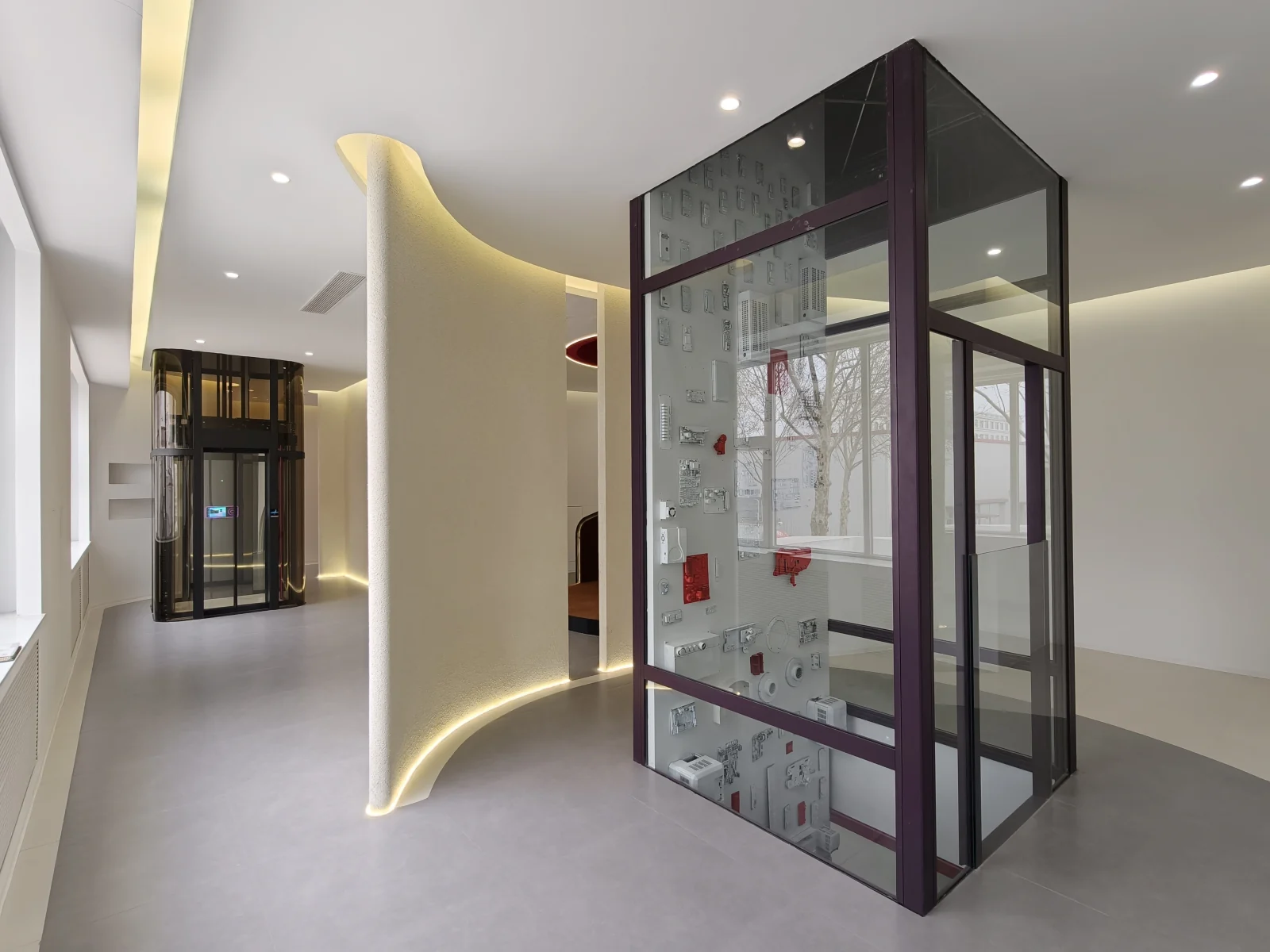
Transparent elevator frame displaying internal components and their positions
Component presentation cabinet · Beijing showroom.

The portfolio covers traction machines, control systems, doors, safety devices, guide systems, cabins and car frames, and escalator components. Supply is confirmed against an identified item or reviewed specification. There is no single capacity, voltage or dimensional range that applies to this entire portfolio.

Product Overview and Scope of Supply

An enquiry may concern one replacement part, a matched assembly or a component package for a new installation. JAFITA’s coordination can include identification, technical questions to the responsible manufacturer, a proposed supply schedule and the documents agreed for the order. The quotation should distinguish the main item from connectors, mounting parts, sensors, software, accessories and services.

Technician in a Jieteda uniform assembling an elevator door lock and electrical contacts at a workbench
An assembly has its own parts and interfaces · company archive.

Installation, configuration, site testing and approval are separate responsibilities unless expressly included. Component availability does not establish authorization to modify an existing elevator. The qualified project team must decide whether the requested work is a repair, replacement or alteration under the destination’s rules.

Choose the right level of supply

An individual part makes sense when the surrounding assembly is serviceable and the replacement is supported within it. A complete assembly becomes more useful when its interfaces are known but several internal items need replacement: a door operator with its matched drive, for example. A system package is appropriate when the change reaches across assemblies, such as a new controller that also requires different position devices, fixtures and motor feedback.

These routes have different cost and downtime implications. A smaller order may retain more existing equipment but demand more identification and integration work. A larger coordinated package may reduce uncertainty between new parts while increasing site work and the amount of equipment replaced. The right boundary follows the condition of the installation and the supportable interfaces, not simply the lowest unit price.

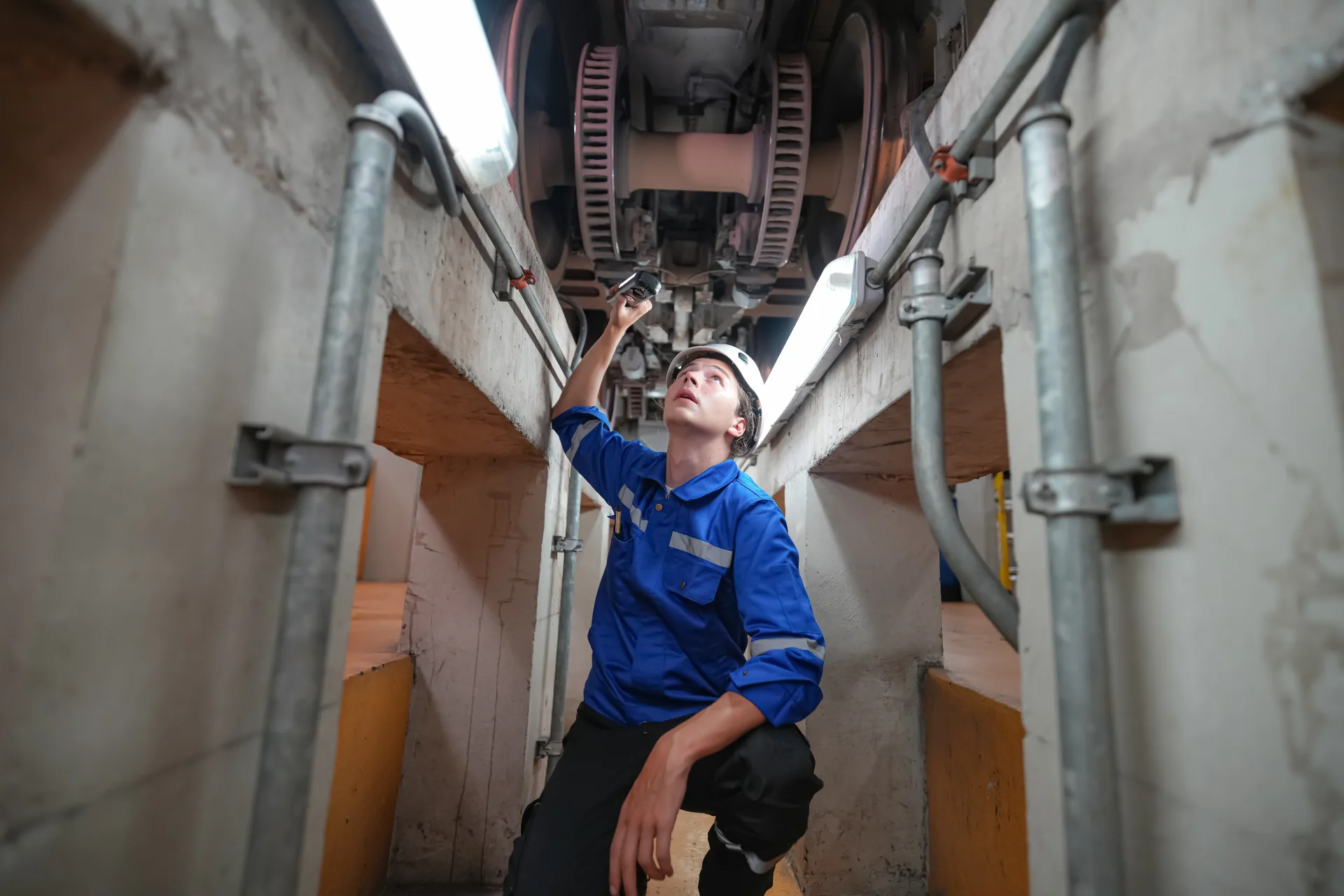
Technician inspecting overhead elevator machinery between shaft guide rails
Existing-equipment inspection · illustrative technical scene.

Applications and Operating Conditions

New equipment allows related components to be selected together. Maintenance supply begins with an existing arrangement that may have changed since commissioning. Modernization requires a third approach: determine which systems can remain and which must change together.

Operating conditions matter in all three cases. Frequent freight loading, a coastal installation, dust in an industrial building or sustained escalator service can affect the necessary enclosure, material, thermal capacity and maintenance provisions. Describe those conditions with the equipment identity; an indoor catalogue photograph cannot establish outdoor suitability.

Product Range and Configuration Routes

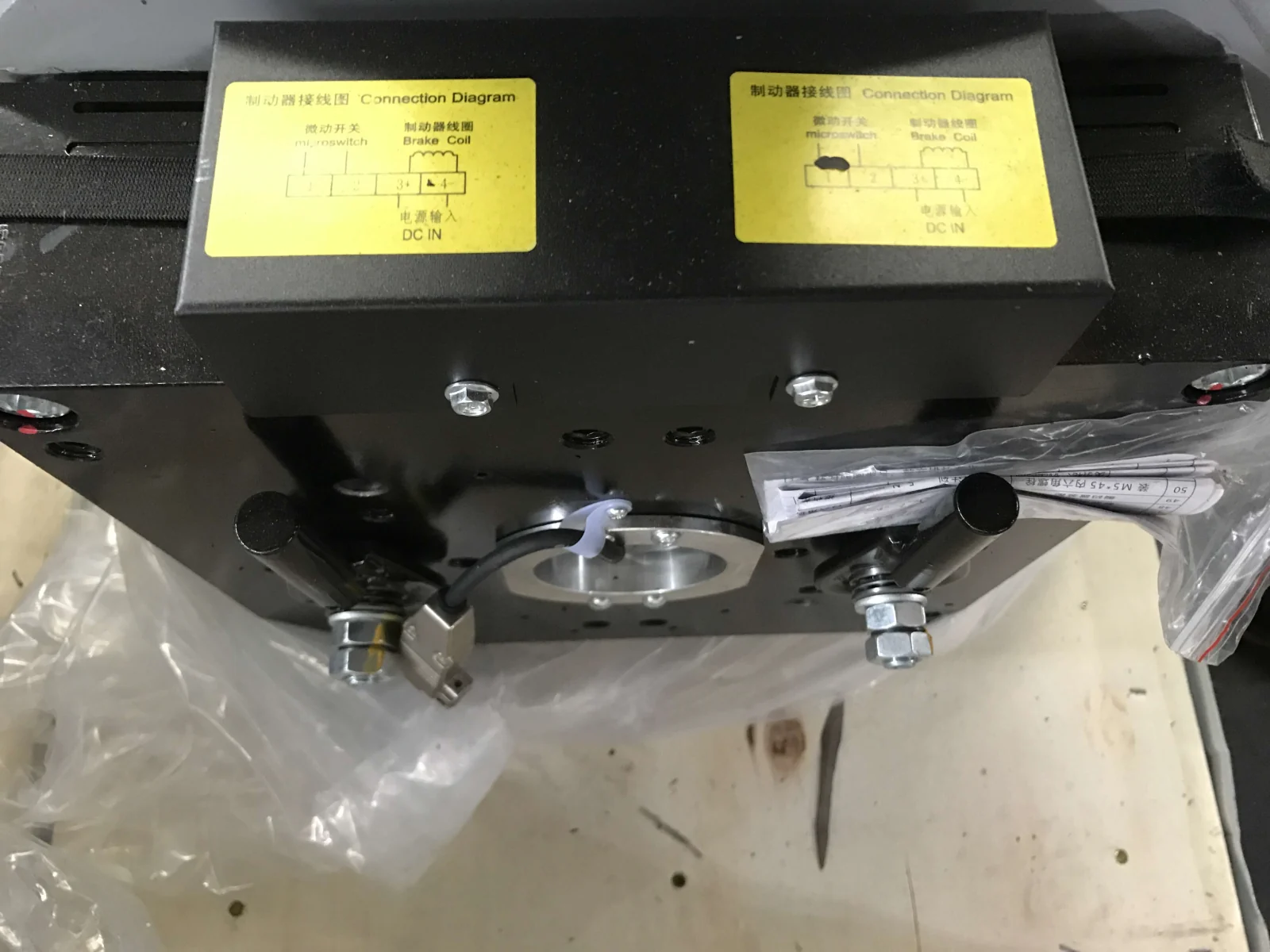
Close-up of a traction machine brake with two connection labels
Drive and brake interfaces.
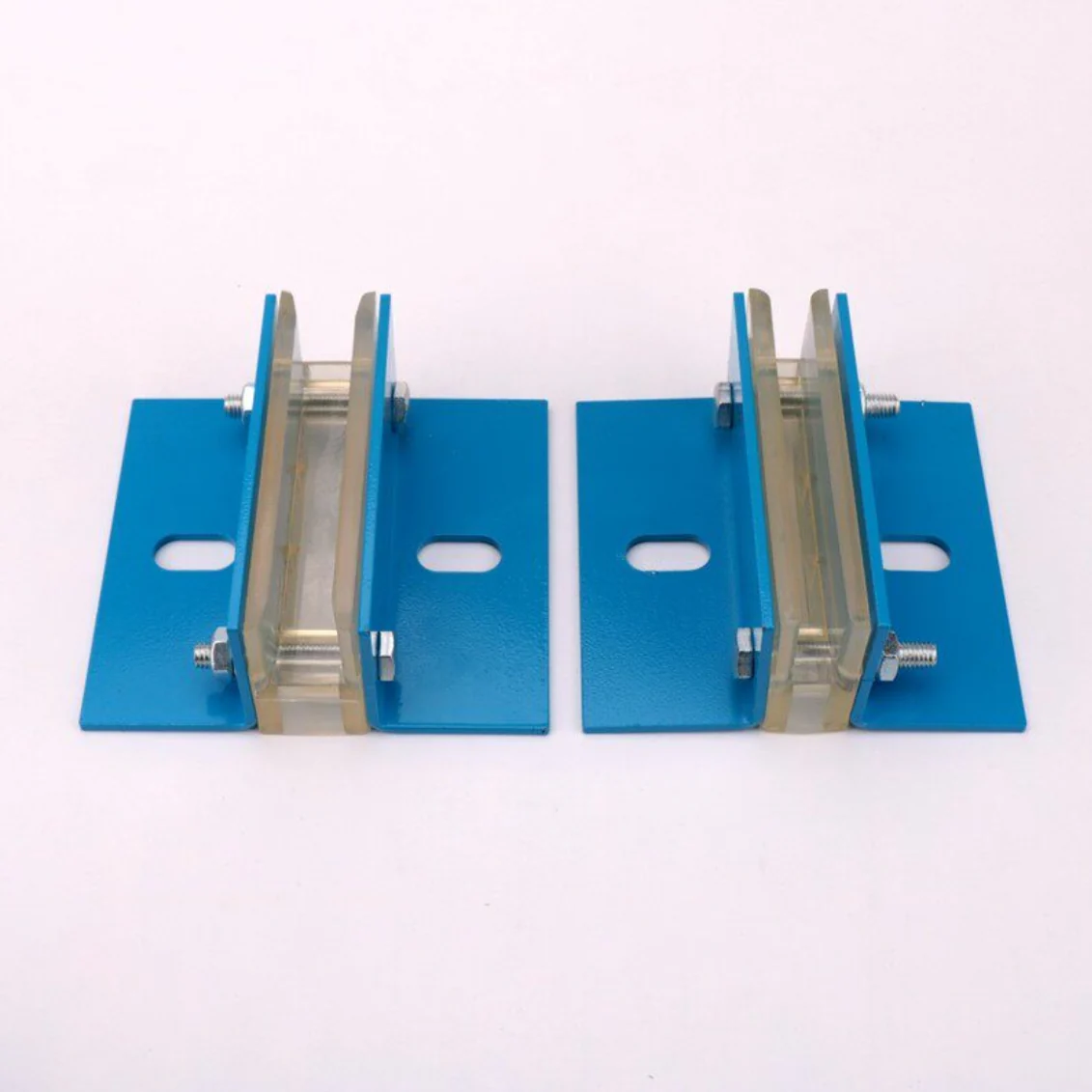
Pair of sliding guide shoes with blue mounting plates
Guide interfaces.
Green circuit board with a heat sink, fuses and terminals
Electrical identity and revision.
Component family Principal selection question Explore
Traction machines Do duty, suspension geometry, brake and drive interfaces agree? Traction Machines
Control systems Does the supplied hardware and software match the connected equipment? Control Systems
Door systems Do the entrance geometry, operator, coupling and interlocks form a compatible assembly? Door Systems
Safety components Is the exact device approved for the required function and configuration? Safety Components
Guide systems Are the rail, support, shoe and safety-gear interfaces coordinated? Guide Systems
Cabin and car frame Do usable space, structural load and complete moving mass agree? Cabins and Car Frames
Escalator components Does the part match the installed model, generation and duty? Escalator Components

An exact replacement follows the original identity and revision. A proposed alternative needs an explicit comparison of differences. An assembly replacement may be preferable when a single obsolete part cannot be supported within the existing system.

Performance and Engineering Features

Good selection removes interface uncertainty. A motor with the expected power can still have incompatible feedback. A door panel of the right width can still have the wrong hanger or interlock arrangement. A guide shoe can fit physically while using an unsuitable contact material.

Evaluate performance at the system level: the purpose of a machine change may be to restore reliable operation, while ride quality also depends on control, guidance, installation and loading. Define the required outcome and the acceptance evidence before ordering. This prevents a component specification from becoming an unsupported promise about the complete elevator.

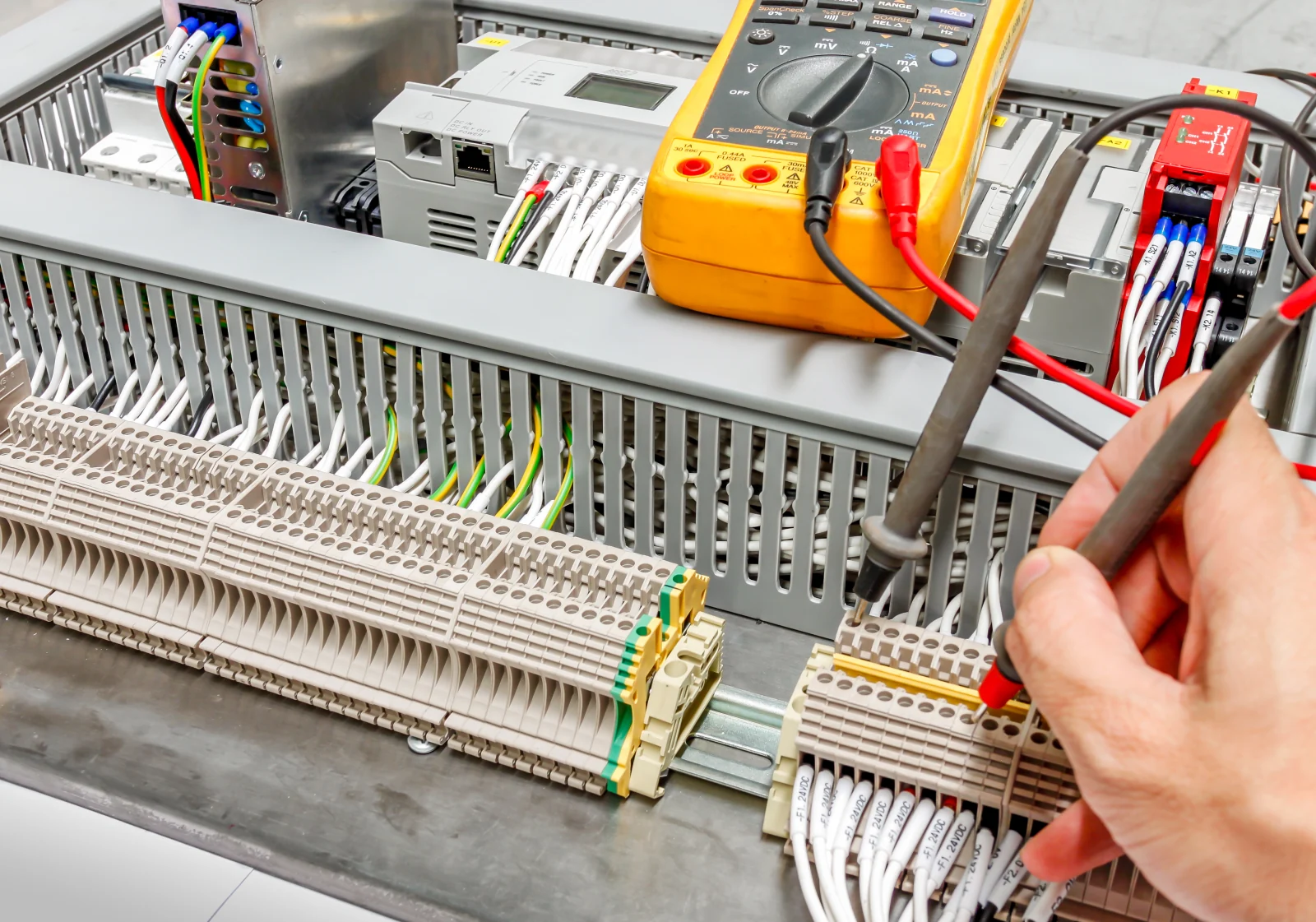
Testing terminals inside an electrical panel with a digital multimeter.
Measurements help establish the actual replacement requirement.

Separate the symptom from the proposed purchase

“The elevator is noisy” is an observation; “the machine needs replacing” is a technical conclusion. The same observation can have different explanations depending on when it occurs. Noise at one shaft position leads to different questions from noise during every start, every door cycle or only a loaded journey. Record that context before asking for a part.

For Door Systems, distinguish panel movement from locking or coupling problems. For Guide Systems, distinguish a localized rail-path issue from a load-dependent condition. For Control Systems, preserve the exact event sequence rather than treating the last displayed alarm as the root cause. Qualified diagnosis establishes the purchase basis; the supplier then checks the proposed item against that basis.

Review the Replacement Scope

System Architecture and Component Relationships

Glass elevator cars with visible car frames, pulleys and guide rails
Car, supporting frame and surrounding equipment.

The traction machine, drive, brake controls and position feedback work as a connected motion system. The car frame carries the cabin and transfers forces to suspension and guidance equipment. Doors combine moving panels, mechanical coupling, locking and electrical interfaces. Safety devices interact with their triggering arrangements, structure and monitored circuits.

Technician working inside an open escalator step section with tools nearby
Escalator mechanism access during servicing · illustrative context. Replacement chains require the original equipment and assembly identification.

For escalators, steps or pallets, chains, rollers, tracks, combs and handrails have geometric relationships that must survive replacement. These connections explain why a parts enquiry often needs photographs and documents for adjacent equipment, not only the failed item.

Trace the consequences of one change

Consider an illustrative cabin refurbishment that increases the finished car mass. The first affected item is the cabin, but the review continues through the Car Frame, suspension and Traction Machine, then the relevant Safety Components. The controller’s stored equipment configuration may also need review by the responsible technical party. Changing the interior leaves the nominal passenger rating unchanged unless formally redesigned, yet it can still alter important engineering inputs.

This is why a useful component package identifies both its contents and its connections to retained equipment. The record should explain which interfaces remain identical, which are changed by design and which evidence closes each change.

Technical Specifications and Identification

Information to record Unit or format What it establishes
Equipment identity Manufacturer, model, asset ID, installation year Original application and generation
Component identity Full part number, suffix, revision, serial or batch Exact variant and traceability
Mechanical interfaces Dimensioned drawing in mm Mounting, envelope and connected geometry
Electrical ratings V, A, Hz, phase and duty where relevant Supply and load compatibility
Signal interfaces Documented connector, pin assignment and protocol Electrical and communication compatibility
Software Manufacturer version and approved configuration Relationship with boards, drives and devices
Operating conditions Temperature in °C, exposure and service pattern Environmental and duty suitability
Evidence package Applicable manuals, declarations and test records Technical basis and acceptance route

These are enquiry fields, not universal JAFITA product ratings. Product-specific values belong in the approved schedule for the exact item offered.

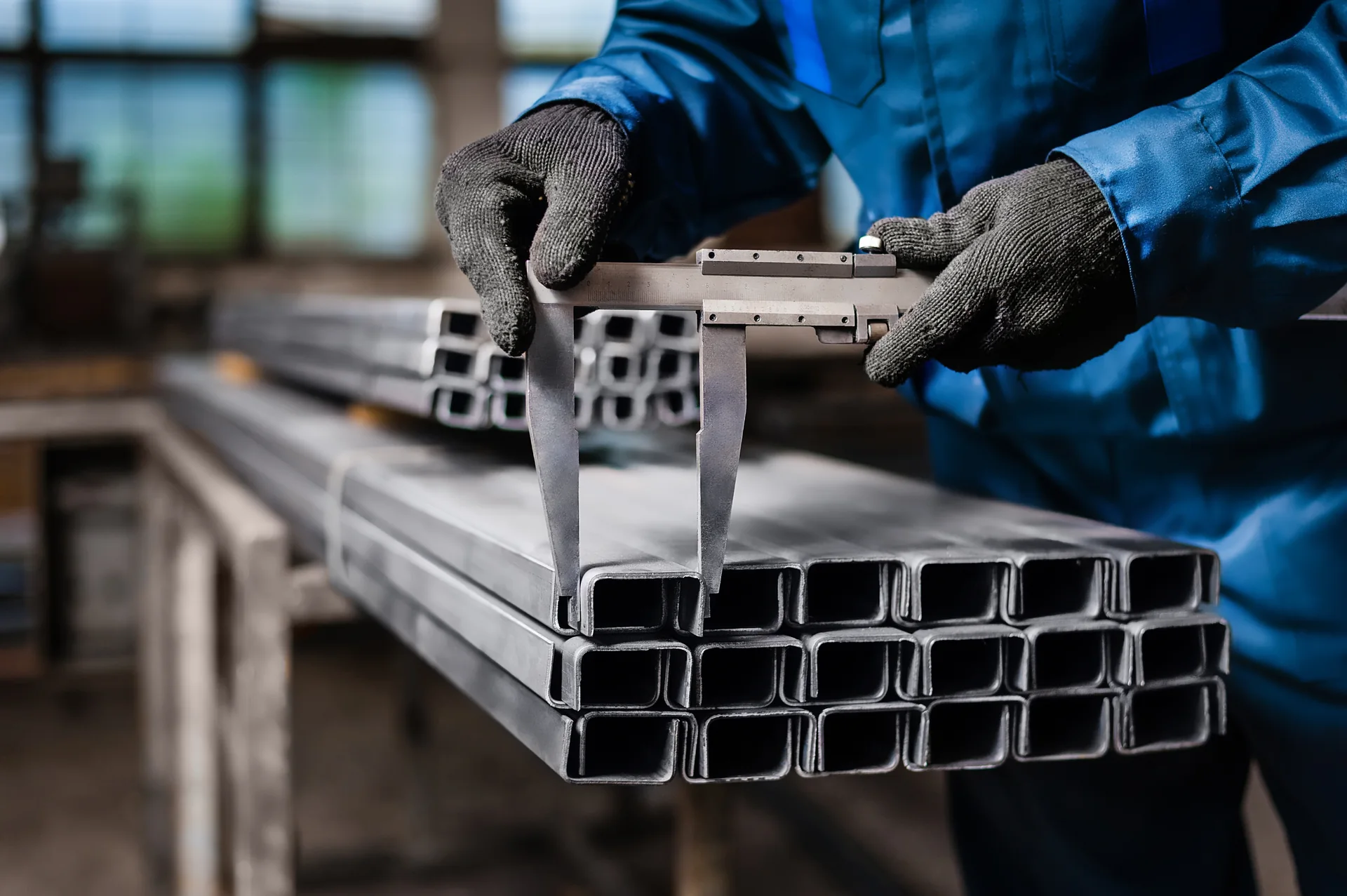
Gloved hands measuring a rectangular metal section with a caliper
Measure functional interfaces from identified datums.

Dimensions and Installation Interfaces

Record functional dimensions from defined reference points. Overall length alone cannot locate mounting holes, a shaft centerline, a door coupling or the working face of a rail. Include space needed to connect cables, inspect labels, remove covers and replace the item later.

The access route is also an interface. A machine or assembled entrance may fit its final position but be too large for the building delivery route. Confirm handling weight, access openings and storage conditions with the local contractor through Project Planning.

Safety Functions and Applicable Standards

A safety-related item needs a documented relationship with its intended application. Review the manufacturer, exact model, function, applicable limits and required conformity evidence. A supplier’s company certificate cannot replace product-specific evidence or approval of the completed installation.

Applicable requirements depend on location, equipment category and work scope. The ASME elevator and escalator standards portfolio distinguishes new-equipment, existing-equipment, electrical and inspection topics; the locally adopted requirements must be established for the project. Replacement selection and commissioning belong with appropriately qualified parties.

Overspeed governor with a yellow wheel mounted on a steel bracket
Device identity, mounting and application belong together.

Versions, Accessories and Available Options

Useful options may include mounting variants, connector arrangements, cable lengths, protection finishes, enclosure configurations or matched accessory kits. Their availability is specific to the selected manufacturer and item. List optional items separately and identify any that are necessary for the proposed replacement to function.

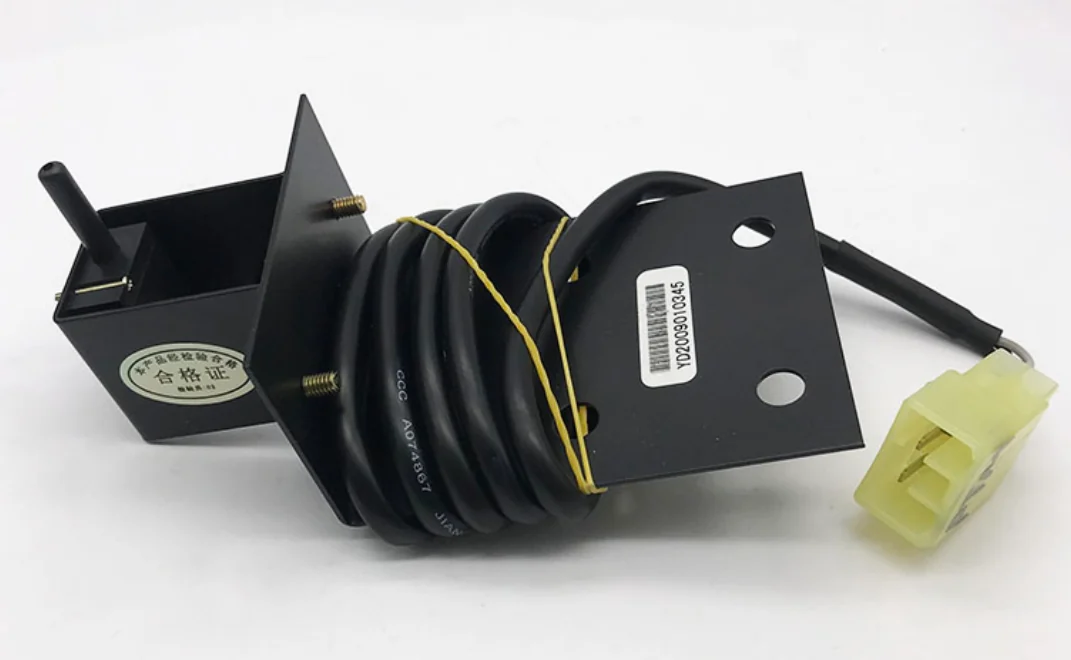
Fork-shaped sensor with mounting bracket, cable and connector
Sensor and attached lead.
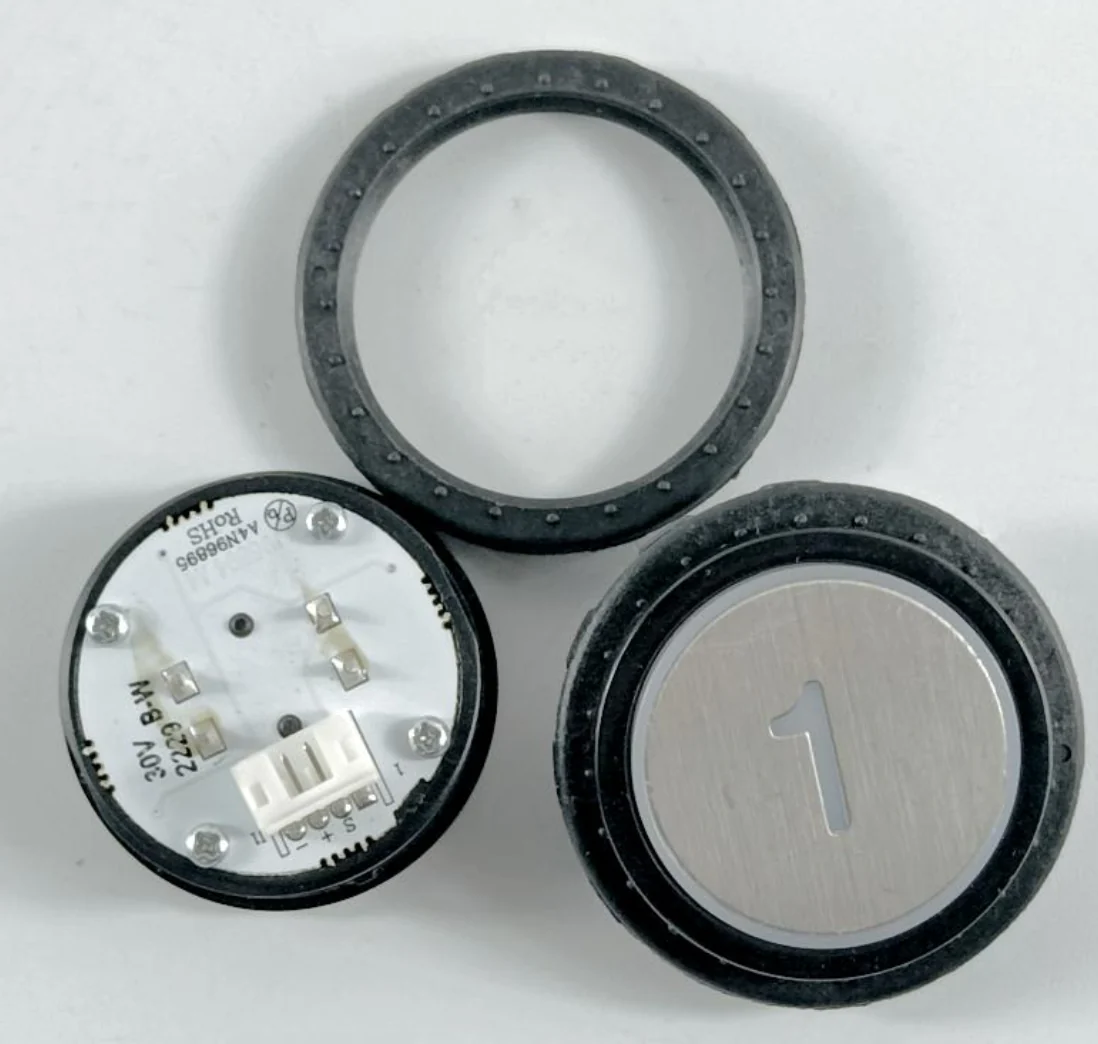
Front and rear of a round floor button with its retaining ring
Front and back of a fixture.

Brand names alone are insufficient selection criteria. A request for a particular brand should still include the complete model and revision. JAFITA does not treat a matching logo, housing or online listing as proof of interchangeability.

Quality Control and Order Verification

A practical component quality plan checks identity first, then interfaces and agreed evidence. Depending on the item, order checks may cover nameplates, dimensional records, quantities, accessory completeness, visible condition and manufacturer-issued inspection documents. Agree the applicable checks, required records and acceptance responsibility for each item before order release.

Close-up of a traction machine brake with two connection labels
Retain the original identification and connection labels.

The result should link the delivered part to the approved specification and packing reference. See Quality Management and Inspection and Testing for the wider project controls.

A readable original label and a supplier’s equivalent-part label serve different purposes. Keep both when a substitution is approved: the original identifies the installation’s starting point; the replacement record explains the accepted change. A successful physical delivery closes quantity and condition questions. It does not close the separate questions of installed compatibility and performance, which belong in the local completion record.

Reference Applications and Matching Evidence

In an illustrative selection situation, an existing building needs a control board that is no longer available. Replacing the board alone may be possible if a supported equivalent retains the necessary interfaces. If the newer platform needs different shaft devices or fixtures, the enquiry becomes a broader modernization package.

Ask for a reference relevant to the actual component and work scope. Useful reference information identifies the equipment, supplied component, retained interfaces and documented result of the work.

Green circuit board with a heat sink, fuses and terminals
An identified board is the starting point for an equivalence review.
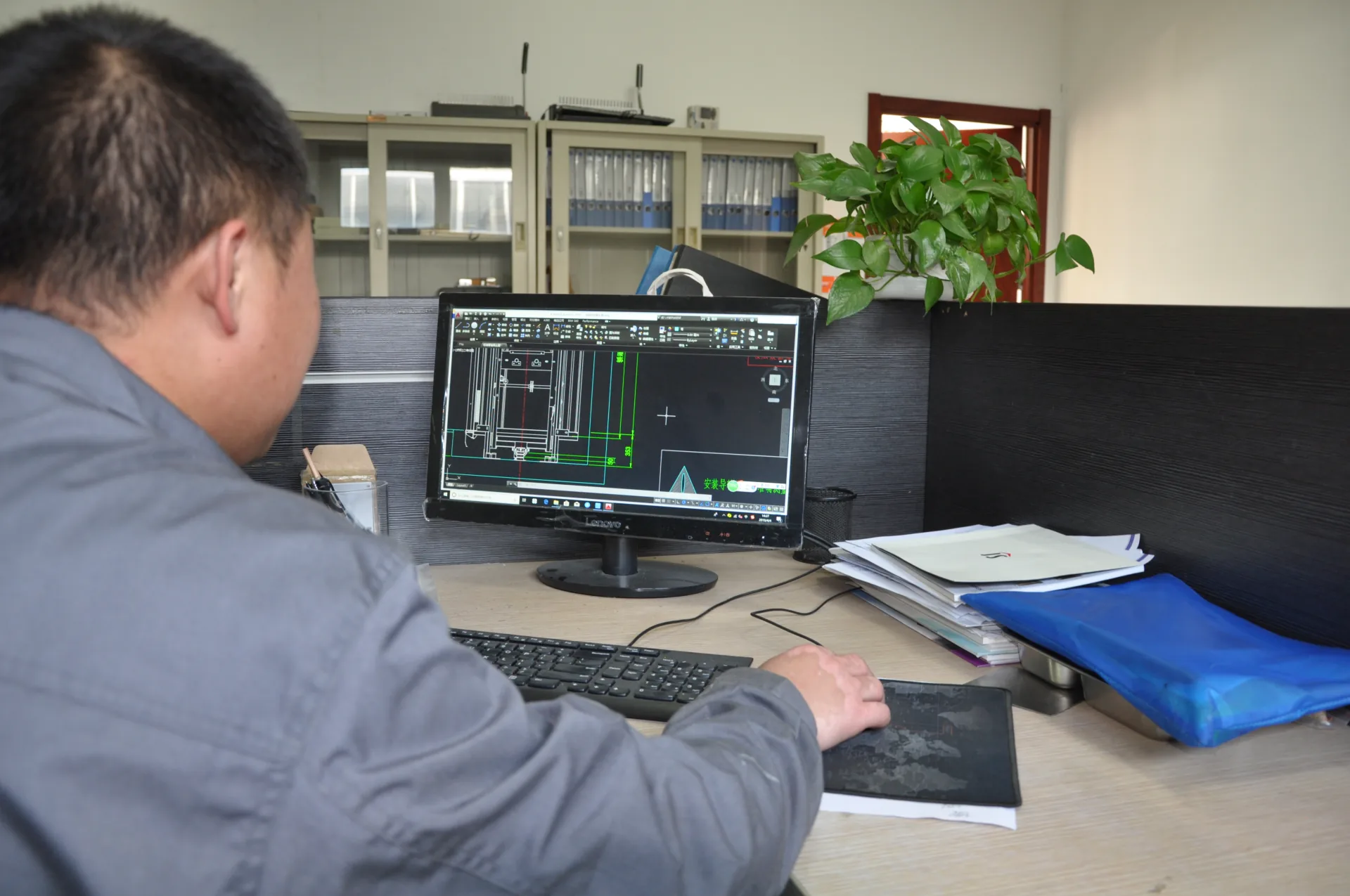
An engineer reviewing a lift CAD drawing at a workstation.
Match the technical record to the installed equipment · company archive.

Technical Documents and Product Information

The useful document set may include an identification drawing, datasheet, wiring information, installation or service instructions and applicable product evidence. Availability depends on the source and item; some records are specific to an order or restricted to qualified technical users.

JAFITA’s archive also contains equipment-specific Jieteda maintenance and control documents. Identify the installed equipment and revision when requesting these records so the relevant document can be matched to its application.

Request Component Information Request Technical Drawings

Delivery and Lifecycle Support

Packing should protect the component’s critical surfaces and keep matched accessories identifiable. Connectors, exposed electronics, rail working faces and finished cabin panels have different handling needs. Confirm quantity, package grouping and storage instructions before shipment.

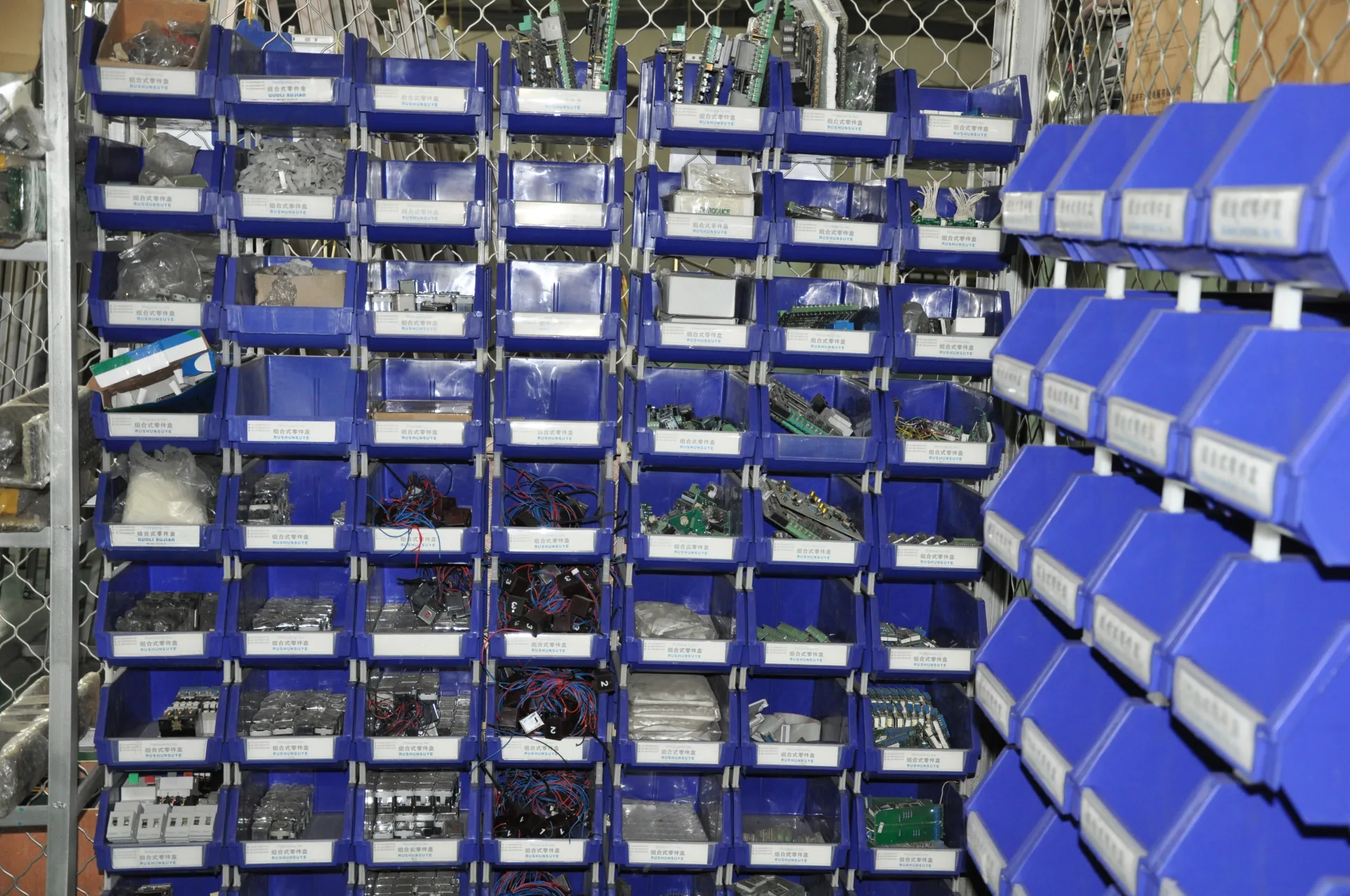
Labelled blue bins holding electrical parts, wiring and small components.
Labelled parts storage · historical company archive.

At handover, retain original labels, supplied documents and any approved substitution record. Installation clarification can be coordinated through Installation Support; continuing identification and document requests belong with After-Sales Support. Product-specific training scope can be discussed through Technical Training.

Component Supply Questions

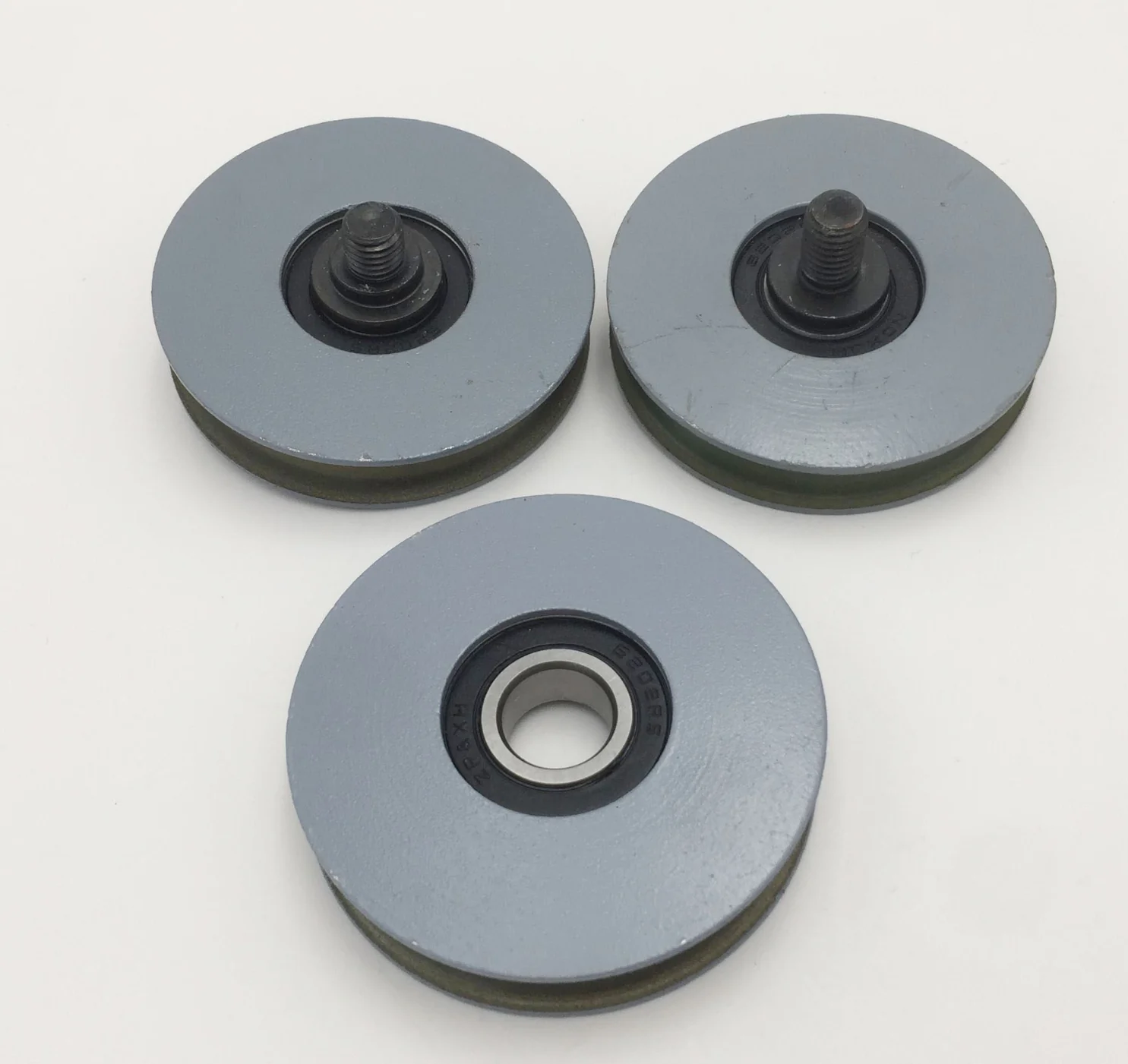
Three grey door rollers with bearings and threaded mounting studs
Similar form still requires exact identification.

Can a part be identified from a photograph?

A photograph is a useful start. Full labels, dimensions and the installed equipment identity are often needed to distinguish visually similar variants.

Does an identical part number always mean an identical replacement?

Check the manufacturer, suffix, revision and any modification history. A base number can cover versions with different interfaces or software requirements.

Can several components be ordered as one package?

Yes, a coordinated package can be reviewed. Its schedule should show every included item and which party confirms compatibility of the completed assembly.

What happens if the original item is obsolete?

The review should compare supported alternatives and identify affected equipment. If a safe, supportable single-part replacement cannot be confirmed, define the broader modernization scope before purchase.