Can all equipment for one project be packed together?
It may be possible, but unit identity and installation sequence should remain clear. Combining similar parts without traceable marks creates avoidable site risk.
JAFITA / Packaging and delivery
Elevator delivery is the controlled transfer of many packages, documents and responsibilities from the manufacturing stage to the receiving and installation teams. A shipment can arrive with the correct number of crates and still be difficult to use if package marks do not identify the elevator unit, contents cannot be reconciled to the packing list or site storage conditions were never planned.
JAFITA coordinates packaging and delivery requirements for its direct freight/OEM work and for equipment supplied through specialist partner factories. The packing method, shipment arrangement and responsibilities are confirmed for the actual product, route and commercial terms rather than described as one universal standard.

Delivery planning should begin while the equipment configuration and project programme are still being coordinated. The supply team needs to understand:
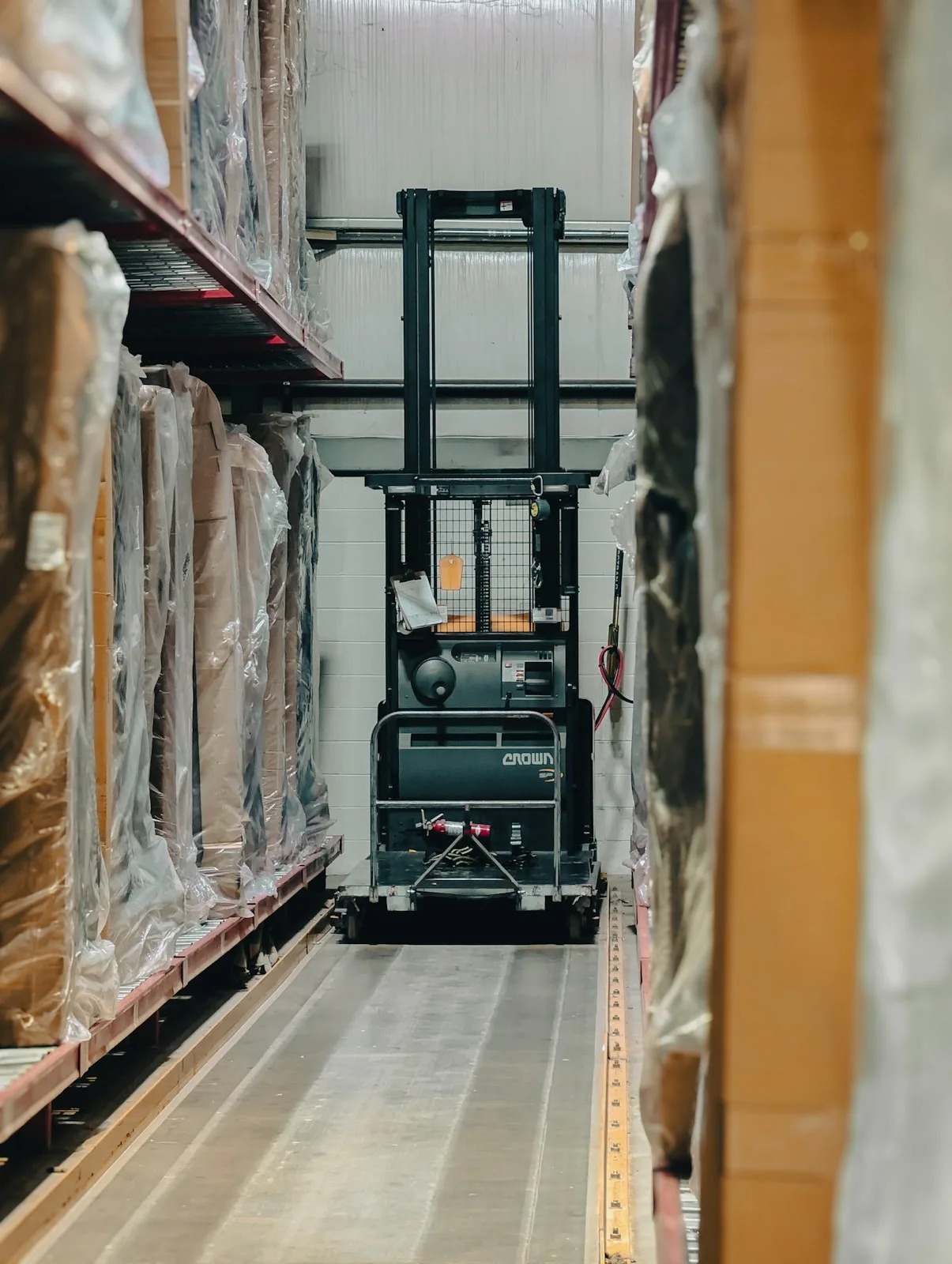
Late discovery of an access restriction can require repacking or change the transport plan. Early planning also helps separate equipment by elevator unit and installation sequence.
The component determines the protection needed
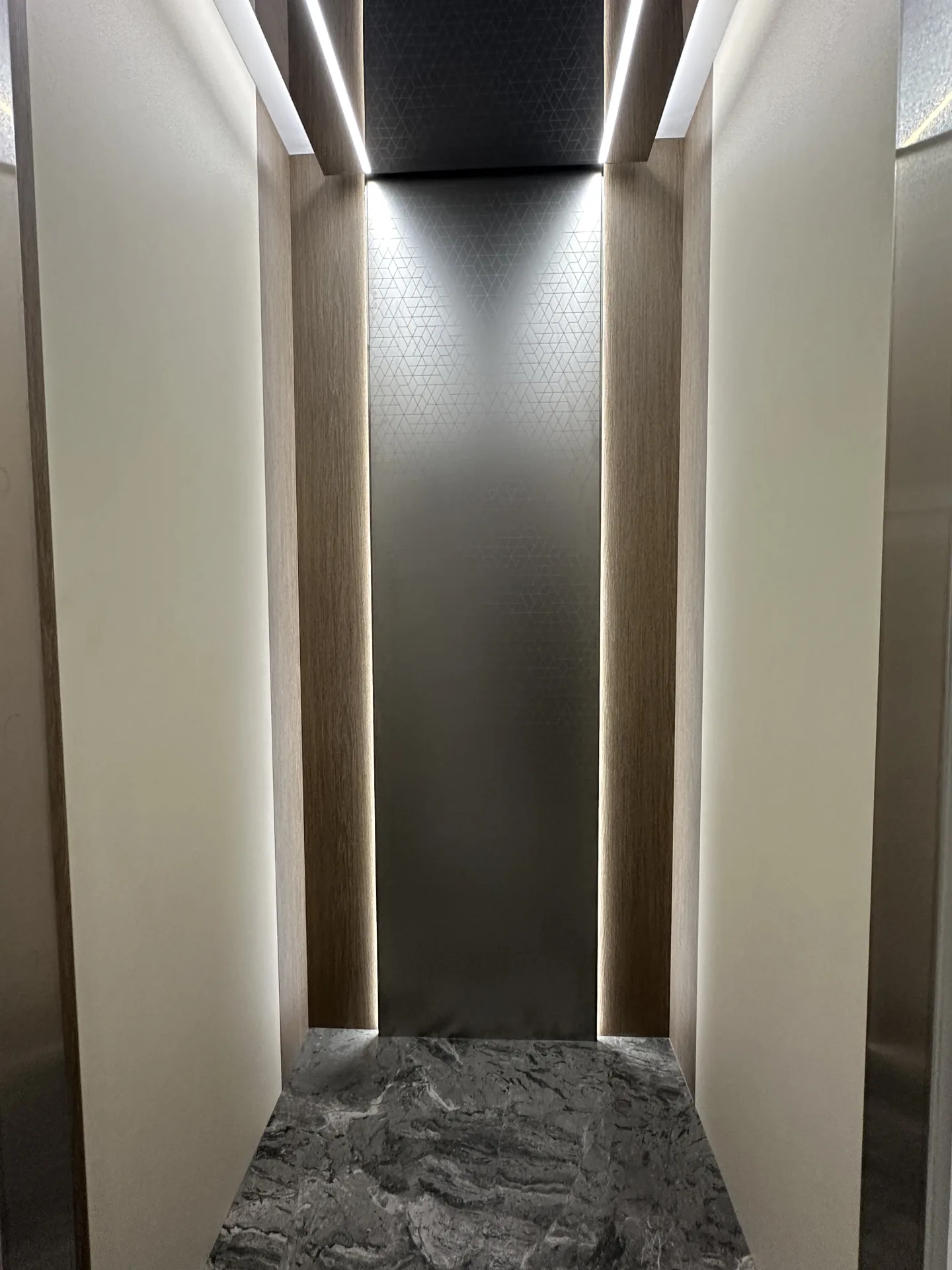
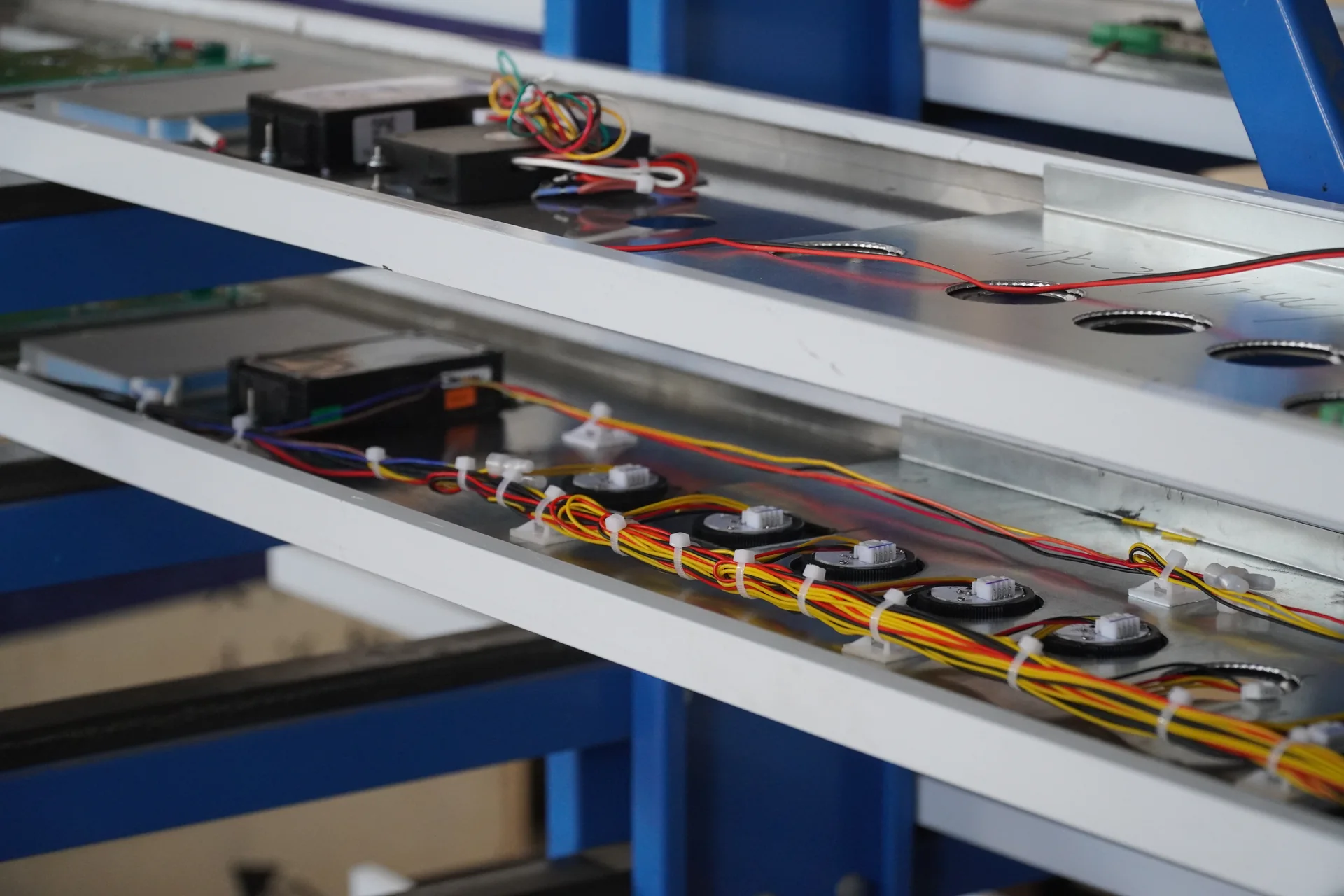
Packaging protects against the hazards expected during handling, transport and agreed storage. Those hazards differ by component. Finished cabin panels need surface and edge protection. Electrical equipment needs protection appropriate to moisture, contamination and handling. Long guide rails need secure support and identification. Heavy structures need lifting and securing arrangements that reflect their mass and geometry.
The responsible factory determines the detailed packing method for its product, subject to the agreed order requirements. JAFITA coordinates special customer needs and checks that they are incorporated into the packing instructions where accepted.
Packaging does not make equipment immune to unlimited outdoor storage, poor lifting, impact, water entry or unauthorized unpacking. The receiving party must follow the supplied handling and storage instructions and record the condition at handover.
Package identity should connect the physical shipment to the project record:
Project → shipment → package → packing-list line → item → intended elevator unit.
Useful marks may include the project reference, elevator-unit reference, package number, gross or net weight where required, dimensions, handling marks and destination. The actual fields depend on the route and documents.
Multi-unit projects need particular care. Two units can use similar parts with different entrances, finishes, voltages or revisions. “Same project” does not mean interchangeable. If installation will be phased, grouping and marks should support the planned sequence where practical.

Reconcile the physical package with the record

| Check | Question before shipment |
|---|---|
| Scope | Are the items included in this shipment defined, including any agreed later shipment? |
| Identity | Can each package be connected to the project and intended unit? |
| Quantity | Does the package and item count reconcile with the applicable packing list? |
| Protection | Is the packing method appropriate to the item and agreed route? |
| Handling | Are weight, orientation, lifting or fragile-item requirements shown where needed? |
| Documents | Are the commercial and technical documents at the agreed revision and stage? |
| Exceptions | Are open shortages, substitutions or unresolved damage claims visible rather than hidden? |
Shipment release should not erase open items. If an item is intentionally supplied later, that status should be documented so the receiving team does not confuse a planned split with an unexplained shortage.
The required documents depend on the transaction, destination and contract. They may include:


Each document serves a different purpose. A packing list identifies shipment contents; it is not a technical certificate. A bill of lading or airway bill records transport information; it is not evidence that all contents were technically accepted. The project team should maintain a document register rather than treat all shipment files as interchangeable.
Cost, risk and the actual handover tasks
The agreed Incoterm helps allocate defined costs, tasks and risk between seller and buyer. It does not by itself describe every practical site responsibility. The contract should also identify who books transport, provides export and import information, arranges insurance if required, unloads, stores, opens packages, records condition and notifies discrepancies.
JAFITA does not publish one fixed freight arrangement for every destination. Container availability, route, port conditions, carrier schedules, customs procedures and local delivery all vary. The confirmed quotation and shipment plan govern the order.
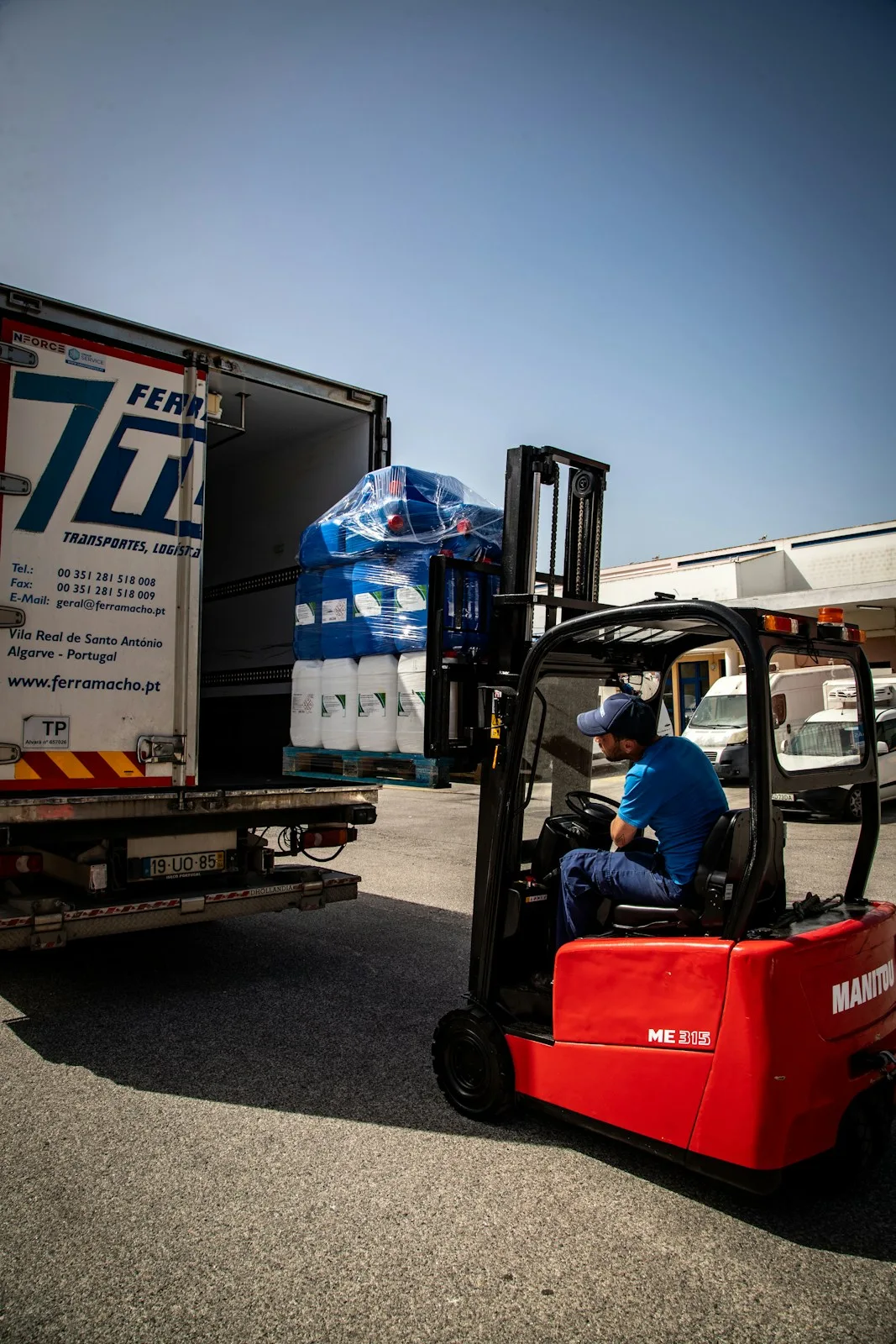
The receiving team should prepare the latest packing list, shipment reference, elevator-unit schedule, camera or evidence method where permitted, responsible personnel and a controlled area for checks.
At receipt, record:
Package receipt and contents verification are separate. An intact crate does not prove that every item is inside. A damaged crate does not prove the component is damaged. Record the observation first, then follow the agreed inspection and notification process.
Different observations require different actions
| Status | Meaning | Required next step |
|---|---|---|
| Not yet checked | Contents or identity have not been verified | Assign the authorized check; do not mark complete |
| Planned later shipment | Current documents identify a later supply | Track the later shipment reference |
| Missing package | An expected package cannot be located in the received shipment | Reconcile transport and package records |
| Missing item | An authorized contents check finds a quantity difference | Record package, list line, expected and observed quantity |
| Visible damage | A factual condition is observed | Preserve evidence and obtain handling or technical direction |
| Identity mismatch | Label, model, revision or unit does not match the applicable documents | Isolate the question and obtain documented resolution |
| Unidentifiable item | Available marks cannot establish identity | Record all visible data without guessing |
A discrepancy remains open until the agreed action has been verified. A supplier reply is progress; it is not always closure. Replacement receipt, corrected documents, technical confirmation or another agreed result should be connected to the original exception.
Packages should not lose their relationship to the project when they are moved into site storage. The installation team needs to know which drawings and unit each item belongs to. Relabeling, combining packages or discarding nameplates before verification can make later issue resolution much harder.
The receiving record should be handed over with all open items visible. Administrative reconciliation does not authorize installation or operation. Installation, commissioning and statutory acceptance have their own qualified parties and records.

Provide the final destination, consignee data, tax or customs information required from the buyer, preferred delivery point, site access limits, unloading capacity, storage conditions, package restrictions, installation sequence and required shipping documents. Identify any special marking or language requirement before production release.
If the project uses a freight forwarder, clarify which party communicates booking, document and cutoff information. Conflicting instructions from multiple contacts should be resolved through one authorized channel.
JAFITA coordinates the agreed packing and shipment scope. It cannot control carrier handling, port congestion, customs decisions, weather, buyer-supplied information, site unloading or storage after the agreed transfer point. The commercial terms and actual transport documents determine the obligations for the order.
No universal claim is made for waterproof duration, storage life, fixed transit time or compensation procedure. These matters depend on the packaging specification, route, carrier, insurance and contract.
Before dispatch and at receipt

It may be possible, but unit identity and installation sequence should remain clear. Combining similar parts without traceable marks creates avoidable site risk.
No. It states the documented contents. The receiving or inspection record should state what was actually opened and verified.
No universal transit time applies. Route, carrier, booking, port, customs and local delivery conditions vary. The shipment plan is confirmed for the order.
Provide the project, shipment and package references, date, factual condition, photographs showing both context and detail, packing-list line if known and the current handling status. Do not discard packaging or attempt an unapproved repair before receiving direction.
The agreed Incoterm and contract identify responsibilities. The buyer must provide accurate destination and import information for the tasks assigned to it.
Do not assume so. Follow the equipment and packing instructions and the agreed site plan. If storage conditions are uncertain, request guidance before shipment.
Share the delivery conditions during project coordination and nominate the receiving contact before dispatch. JAFITA can then align the package and document references with the agreed shipment.
The elevator import guide summarizes the packing, shipping and receiving steps buyers should plan before the shipment arrives.