
The Operating Brief
What must move, how often, between which levels and under what conditions? Passenger count, goods dimensions, loading devices, beds, vehicles, public traffic and operating hours lead to different equipment decisions.
JAFITA / Project partnerships
An elevator project crosses several professional boundaries. The architect defines space and circulation. The structural and electrical teams establish interfaces. The owner and consultant set performance and procurement requirements. The supplier develops the equipment proposal. A local organization installs, commissions and maintains the system. When these responsibilities are discussed separately, interface problems appear late.
JAFITA works with developers, consultants, contractors, elevator companies and local service partners to connect those decisions. The purpose of a project partnership is not to replace every specialist. It is to make the product, building information, supply route, documents and responsibilities agree before production and delivery.

JAFITA’s portfolio spans passenger, home, panoramic, freight, hospital and service elevators, escalators, moving walks and components. The company’s strongest documented manufacturing background is in freight elevators and OEM work. Other equipment categories may use specialist factory relationships coordinated according to the project.
Project discussions may include:


Feasibility and scope are confirmed from the building, application, destination market and available supply route. A broad portfolio is not a promise that every configuration can be supplied under every standard.
Five records that must stay connected
The project becomes manageable when five records remain connected.
What must move, how often, between which levels and under what conditions? Passenger count, goods dimensions, loading devices, beds, vehicles, public traffic and operating hours lead to different equipment decisions.
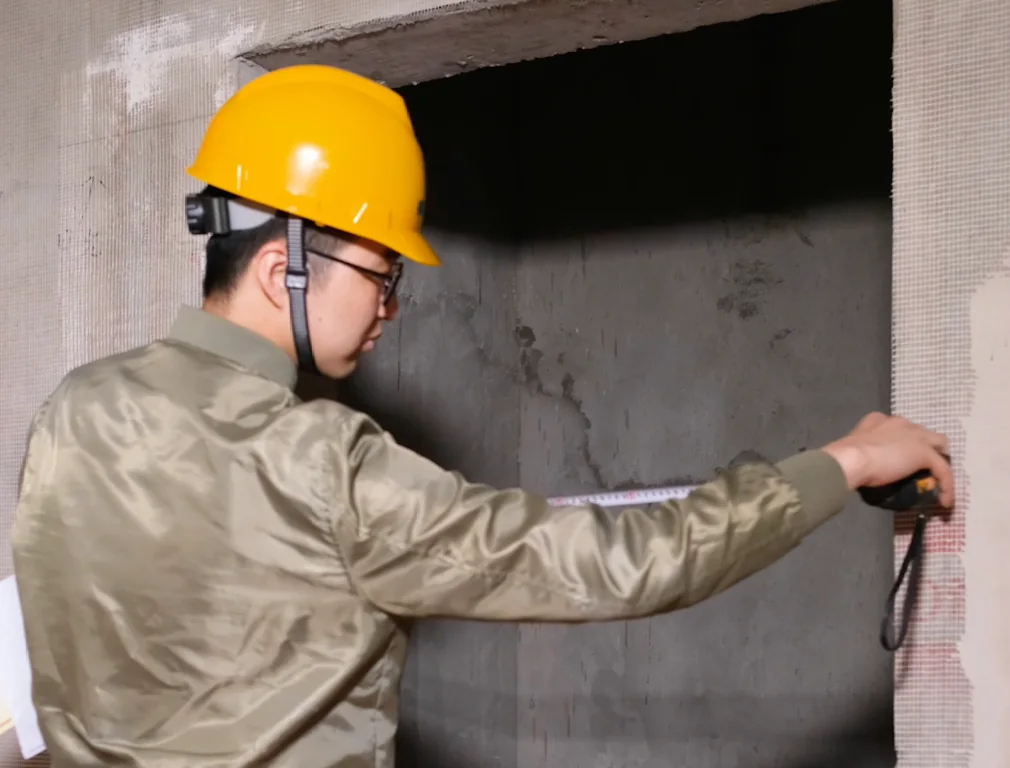
Shaft, pit, overhead, machine space, landing openings, structure, power, access route and surrounding finishes determine what can physically fit and how it can be installed.

Rated load, speed, travel, stops, entrances, drive, control, door, cabin, structural and safety systems define the proposed product. The final configuration must correspond to the drawings and commercial offer.

The project must identify who designs, verifies, supplies, installs, commissions, inspects, maintains and supports each interface. “By others” is only useful when the responsible party and required output are named.

Drawings, specifications, finishes, manuals, certificates, approvals and changes require clear revision status. The site should not build from an earlier drawing after the equipment has changed.
JAFITA reviews the project country, building use, equipment type, quantity and available technical information. Confirmed facts are separated from assumptions. Missing inputs that could change fit, price or responsibility are identified before a final proposal.
The team connects the application with an appropriate product and supply route. Options may be compared where shaft conditions, traffic, customization or commercial requirements leave more than one viable direction.
The proposal records the major equipment parameters, inclusions, exclusions and documents. Customer specifications are reviewed for deviations rather than accepted only by title.
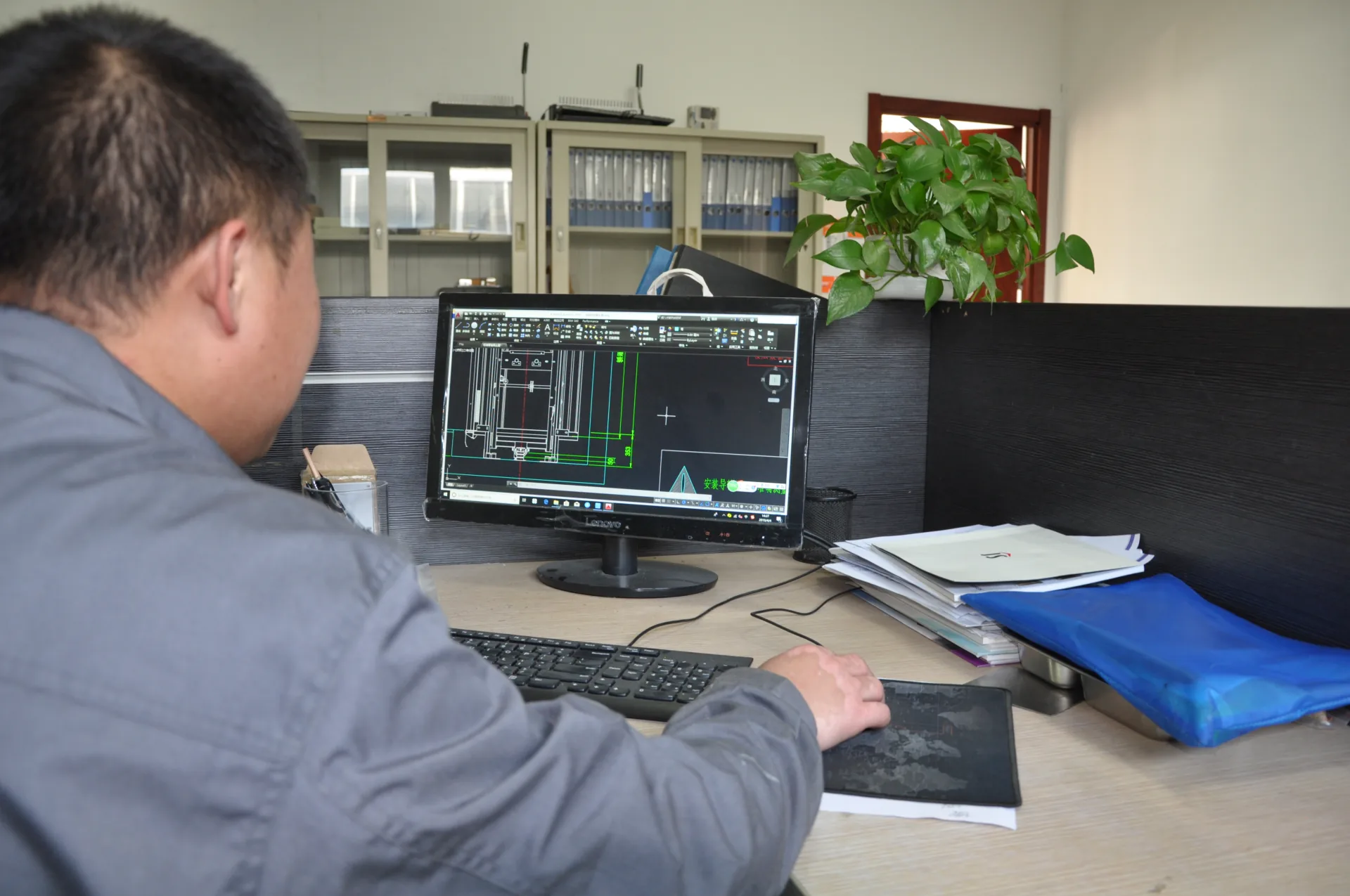
Equipment and building information are coordinated. Dimensions, entrances, power, support conditions, finishes and interfaces should reach an approved state before production. Site dimensions remain subject to responsible project verification.
Quantity, price, payment, schedule, delivery terms, packaging, documents, warranty and support scope are confirmed in writing. A technical drawing does not replace the commercial contract, and the commercial offer should not contradict the approved technical scope.

JAFITA follows the approved configuration through the relevant manufacturing or specialist supply route. The exact inspection and evidence package depends on the equipment and contract.

Packing identification, shipping documents and receiving records connect the delivered items with the project. The receiving team should record shortages, damage or mismatches before material is dispersed around the site.
JAFITALIFT provides a practical elevator delivery inspection checklist for this task.
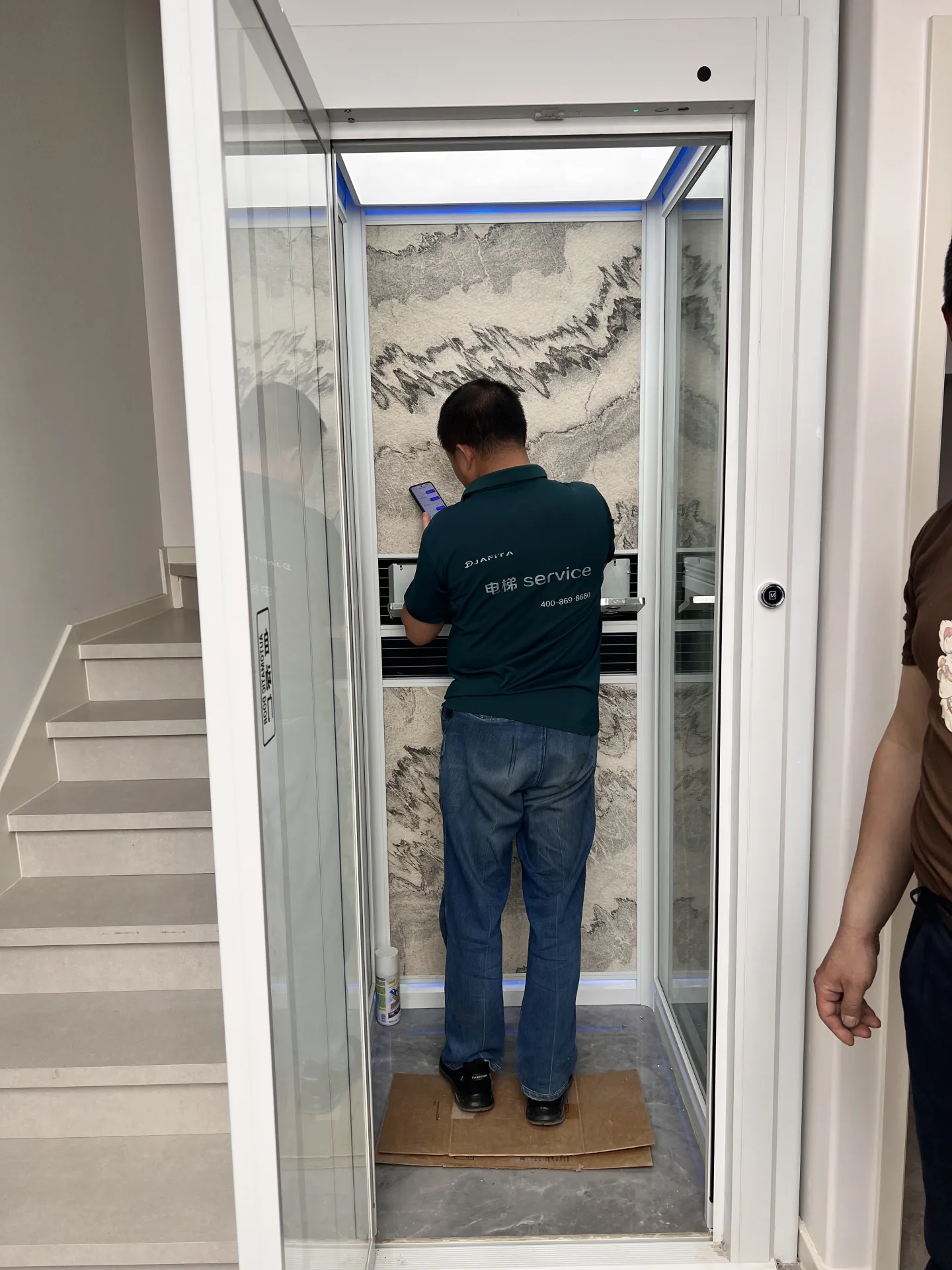
The local project team performs the work assigned by the contract and jurisdiction. JAFITA provides the agreed technical information and communication route. Questions should reference the project, equipment and relevant document revision so that they reach the correct technical context.
Replace “by others” with a named party
The final matrix is project-specific, but the following topics should never remain undefined.
| Topic | Questions to answer before order |
|---|---|
| Design basis | Who defines traffic, capacity, code and accessibility requirements? |
| Site dimensions | Who surveys and approves shaft, pit, overhead and openings? |
| Structural works | Who designs and builds supports, beams, enclosure and lifting points? |
| Electrical works | Who provides power, earthing, lighting, emergency interfaces and upstream protection? |
| Product compliance | Which standard and certification route applies, and who is the responsible applicant? |
| Equipment supply | What exactly is included, excluded or supplied locally? |
| Logistics | Who manages import, customs, inland transport, unloading and storage? |
| Installation | Which qualified organization performs mechanical and electrical installation? |
| Commissioning and inspection | Who adjusts, tests, witnesses and obtains local acceptance? |
| Maintenance | Who holds the service contract and technical records after handover? |
| Warranty communication | What evidence starts a claim, and who coordinates local diagnosis? |
If the project uses several companies, names should replace generic labels wherever possible.

Owners define the operating and commercial outcome. Early information about the building’s users, goods, growth expectations and procurement milestones helps prevent the equipment from being selected on nominal capacity alone.
Architects and consultants connect the elevator with circulation, accessibility, fire strategy, structure and interiors. JAFITA can contribute equipment-interface information; the responsible design team retains authority for the building and local code decisions.
Contractors coordinate civil works, power, access, storage, programme and subcontractors. A current interface drawing and responsibility schedule are more useful than a collection of separate emails.

Local elevator organizations may provide sales, installation, inspection coordination and maintenance. Their early participation is important when local practice, licensing, tools, training or spare parts affect the project plan.

Procurement should compare equal scope. A quotation with a lower total can omit documents, installation support, local work or essential components. Use JAFITALIFT’s elevator quotation comparison worksheet to normalize scope and unknowns before a commercial decision.
A sketch can begin the conversation
A sketch, schedule or early drawing can begin the conversation. Unknown values should remain visible until they are confirmed.
Elevator projects change. A shaft is resized, an entrance moves, a finish changes, the customer requests a different load, or local requirements become clearer. The risk comes when the change is discussed but not carried through every affected record.
A controlled change should state:
This protects all parties from building, manufacturing or shipping to different assumptions.

Yes. Early discussion can identify the information and interfaces needed for product selection. Preliminary guidance must remain clearly distinguished from approved project drawings.
Potentially. The installer should be legally and technically qualified for the destination market. Responsibilities, documents, communication and any supplier support must be agreed for the project.
Responsibility depends on the contract and jurisdiction. The project must identify the applicable requirements and the organization responsible for design approval, certification, inspection and acceptance. JAFITA supplies the documents agreed for its scope.
It may, when the project requires different equipment categories. The supply origin, product identity, documents and support route should remain clear for each package.
Send it with available drawings and the project context. JAFITA can review the specified requirements, identify missing or conflicting information and state deviations in the proposal.
Share the building, operating need, available drawings and expected JAFITA scope. We will identify the decisions that control product fit and help connect the supply package with the wider project team.
Content reviewed: September 2026