JAFITA / Manufacturing

Elevator Manufacturing with a Defined Source and Scope

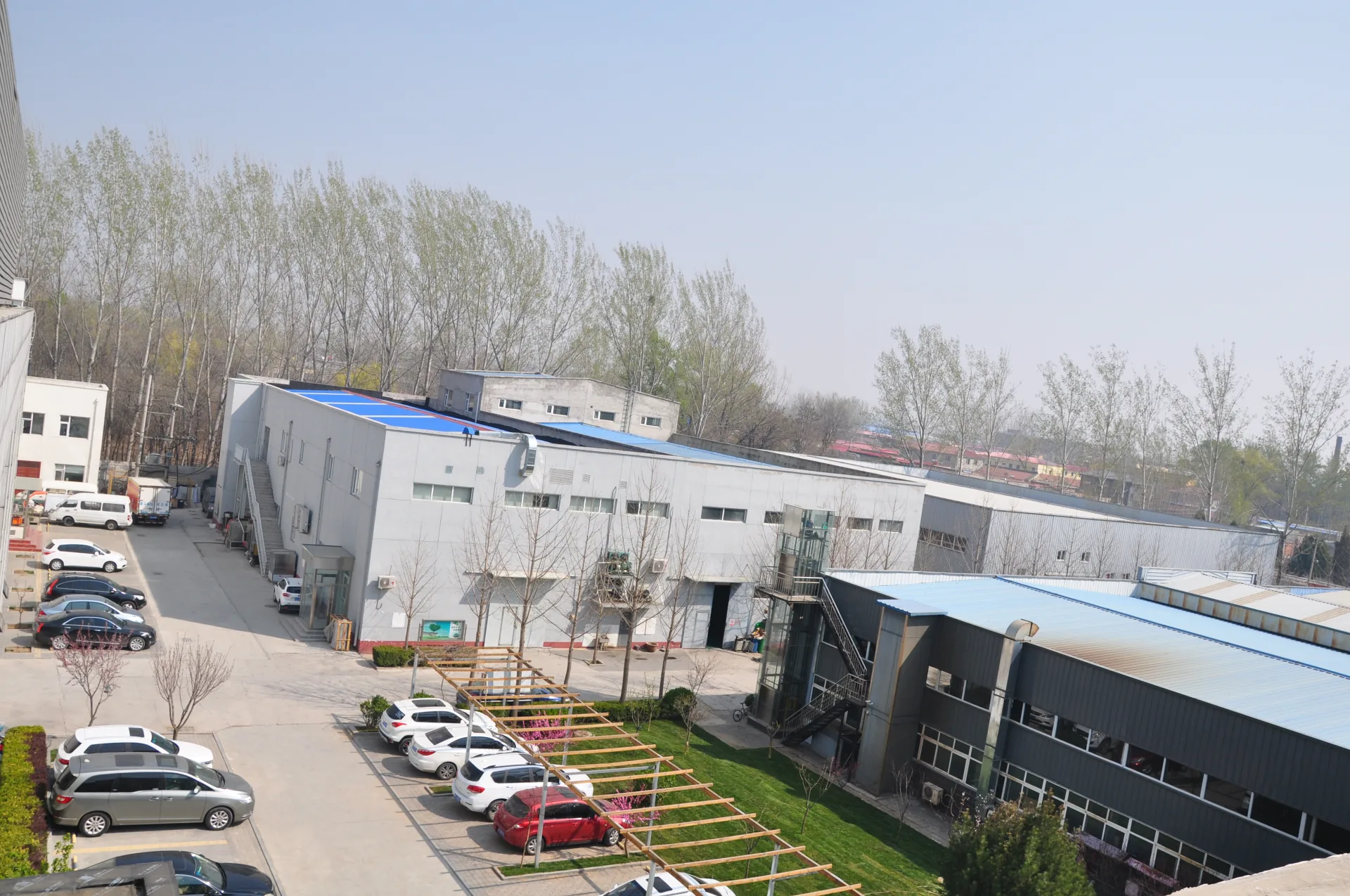
Workshop buildings and the factory yard viewed from an elevated position.
Workshop buildings and yard · Company archive

JAFITA’s manufacturing story begins with freight elevators and OEM production. That foundation gives the company practical experience in translating load and entrance requirements into structures, fabricated parts, assemblies and a controlled equipment package. It also provides the basis for evaluating specialist factories when a project requires passenger elevators, home elevators, escalators, moving walks or components outside the direct freight/OEM route.

We do not present the entire portfolio as though every product were made on one line. The manufacturer for each project is confirmed through the quotation, technical documents and order record. This distinction keeps qualifications, product data, inspection records and future service information connected to the organization that actually produced the equipment.

What the available evidence shows

JAFITA’s company introduction identifies freight-elevator production as a core strength and describes long-term OEM work for elevator brands. The corporate brochure and production imagery show metal-processing and production activities including laser cutting, machining, manual component assembly and organized workshop areas. The same corporate archive contains JAFITA-branded installation, control-system and use-and-maintenance documentation for relevant equipment.

Together, these materials support a real manufacturing and technical-documentation foundation. They do not prove that every product category on the website is manufactured at the same facility, under the same qualification or with the same process. Each order must retain its own product and manufacturer identity.

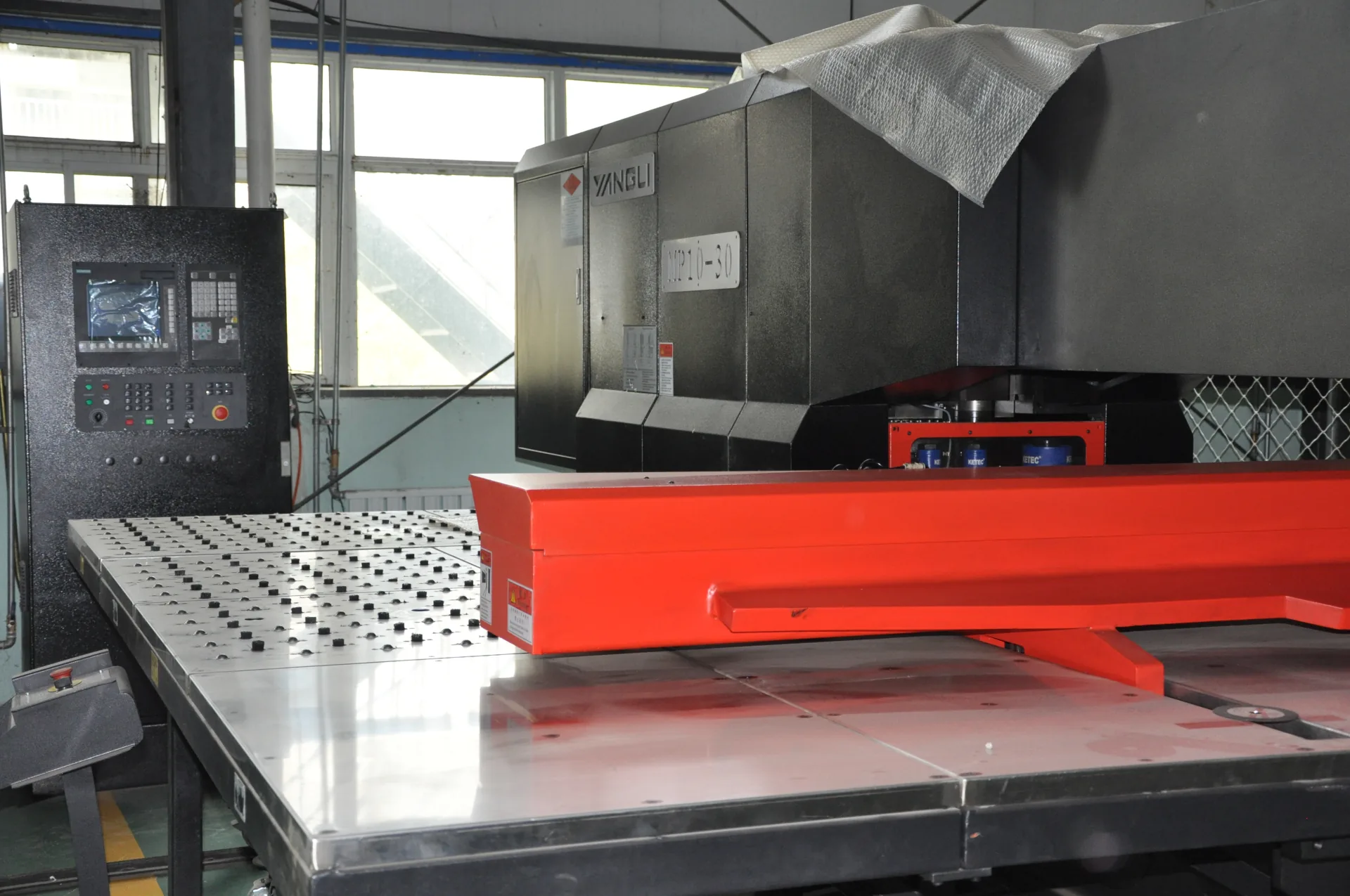
A CNC turret punch press and sheet-metal worktable inside a workshop.
Metal-processing equipment · Company archive
Technician in a Jieteda uniform assembling an elevator door lock and electrical contacts at a workbench
Component assembly · Company archive

The loading case changes the equipment

Freight elevators make the manufacturing requirement visible

Freight equipment illustrates why manufacturing cannot start from rated load alone. A 2,000 kg distributed pallet load and a 2,000 kg machine carried on a small base do not create the same structural condition. A hand trolley and a forklift do not impose the same floor and sill loads. Through-car loading changes the entrance and traffic arrangement. Frequent cycles can change the duty discussion.

Before a freight configuration is released, the technical team may need:

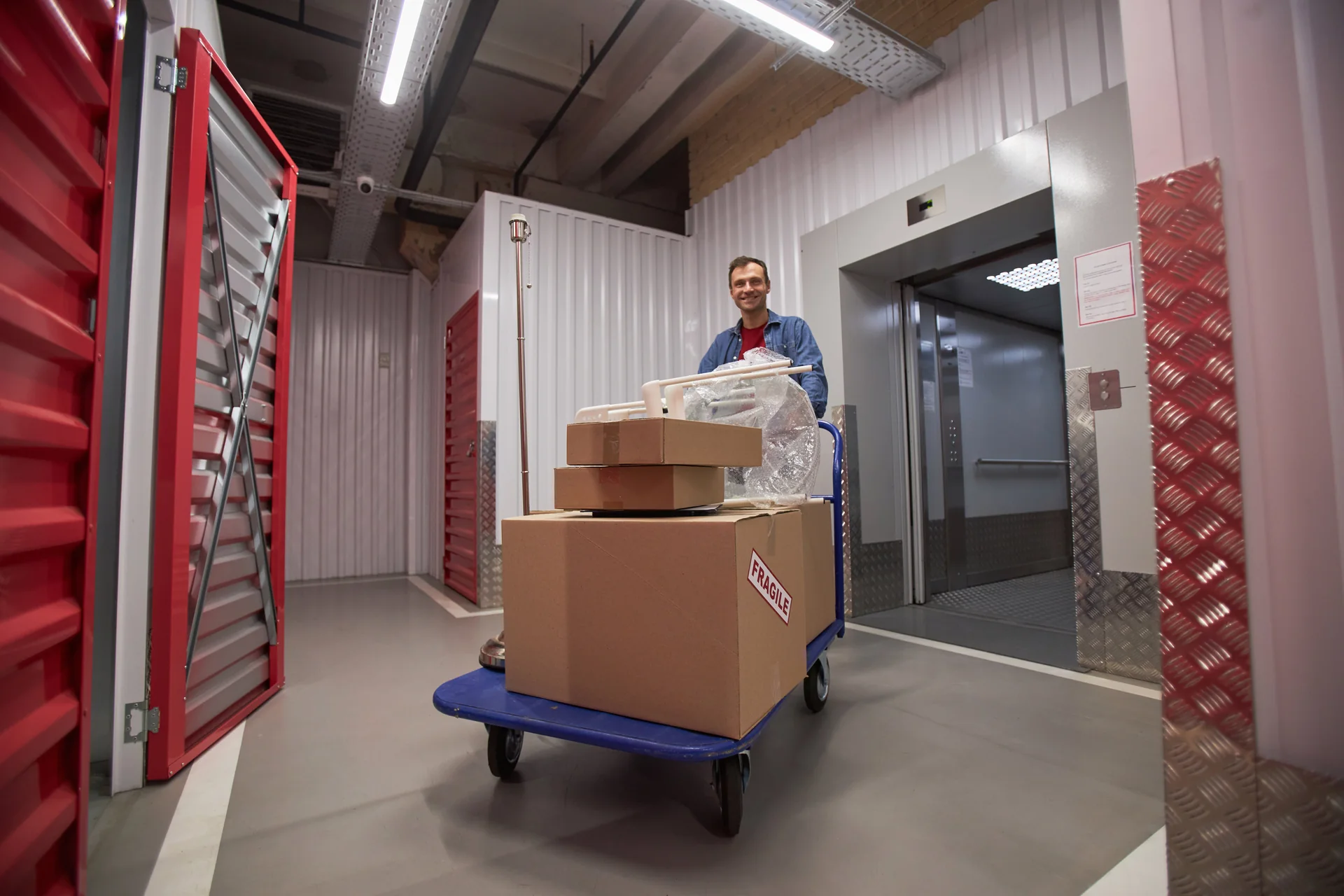
Worker moving a cart of boxes beside an open freight elevator
Load footprint, entrance and handling equipment · Application illustration
  • Goods dimensions and mass
  • Handling equipment and whether it enters the car
  • Wheel, caster, foot or support-point data
  • Loading and unloading direction
  • Required clear door opening
  • Car floor and interior protection needs
  • Travel, stops, entrances and duty pattern
  • Shaft, pit, overhead and structural information
  • Environmental conditions
  • Destination and applicable approval requirements

Those inputs inform the car platform, frame, doors, guides, traction and control arrangement and building interfaces. The approved project documents establish the final design; a previous freight project does not define a universal JAFITA range.

An approved basis before work begins

From approved data to production

Manufacturing begins when the project has a released basis. Depending on the product, that basis may contain:

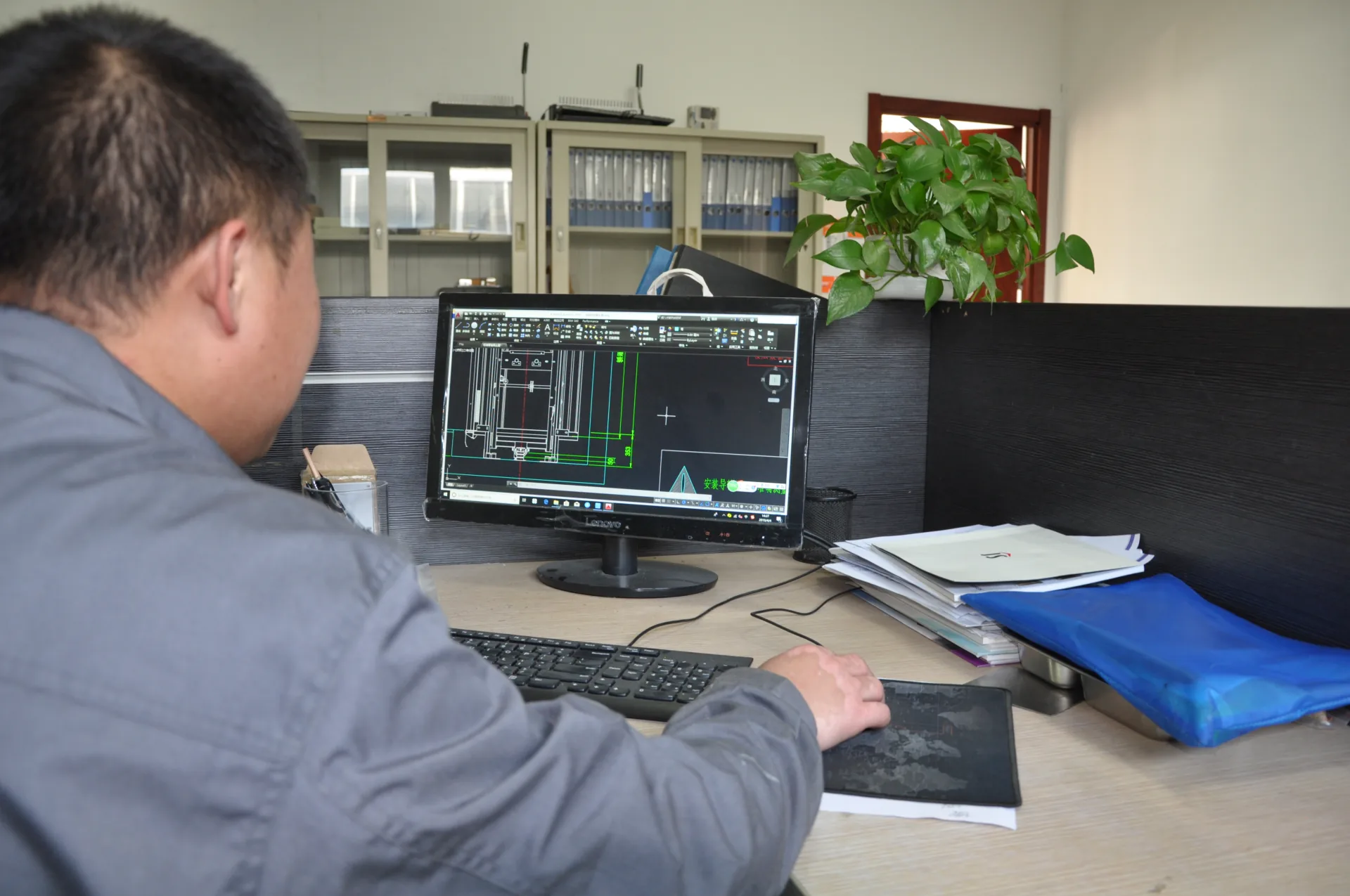
An engineer reviewing a lift CAD drawing at a workstation.
Drawings at the technical workstation · Company archive
  • General arrangement and interface drawings
  • Fabrication or assembly drawings
  • Bill of materials and major-component schedule
  • Material and finish schedule
  • Electrical and control requirements
  • Labels, language and documentation requirements
  • Inspection and witness points
  • Packing marks and delivery grouping
  • Approved deviations from the standard configuration

The release needs a document revision and date. If a requirement remains open, its status and owner should be visible. Production should not rely on a mixture of superseded email attachments and unrecorded verbal instructions.

A practical production route

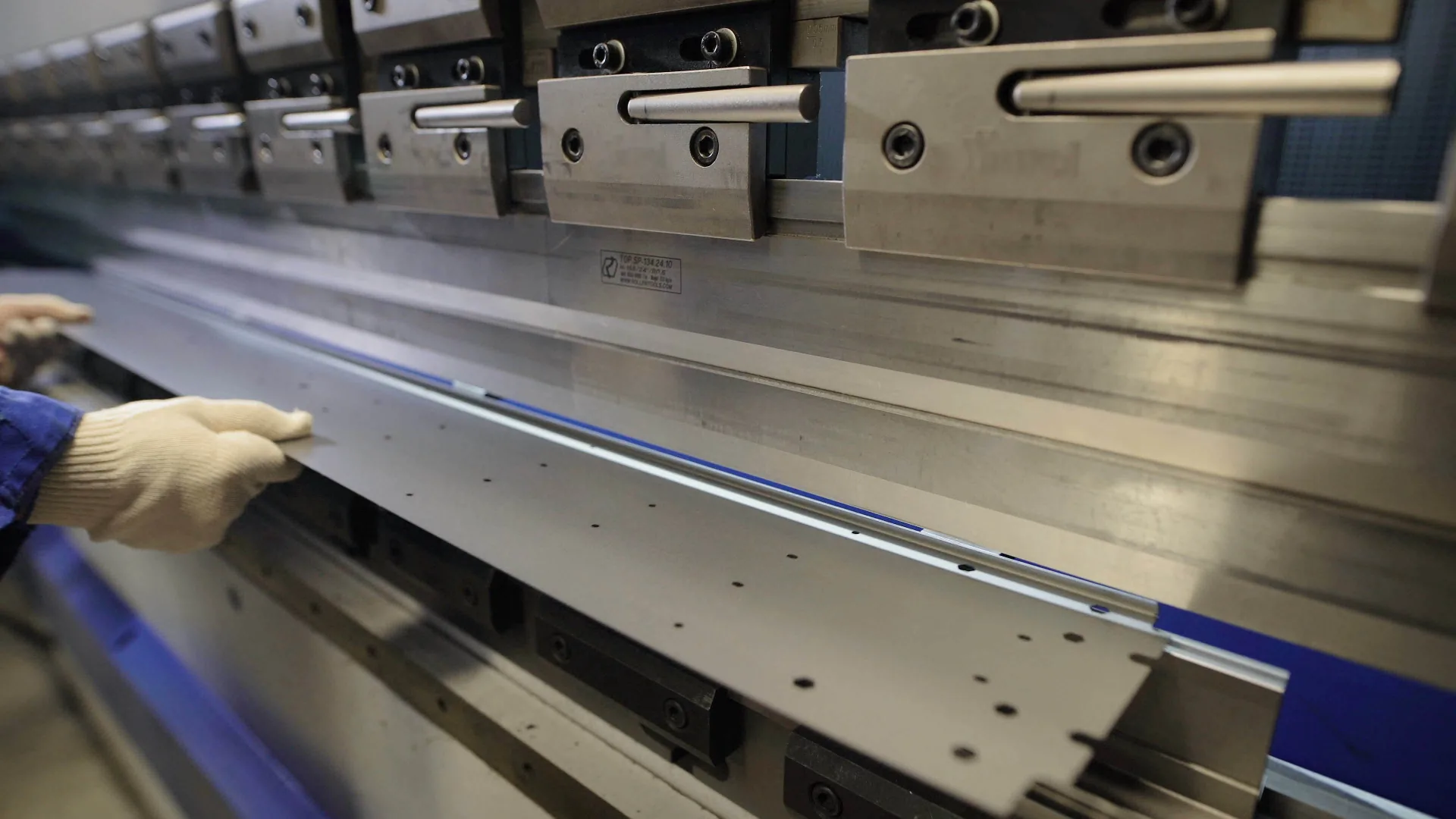
A gloved operator positioning a perforated sheet-metal panel at a press brake.
A forming operation · Technical illustration
Production stageWhat is controlledEvidence that may be retained
Material and component receiptIdentity, quantity, visible condition and required supporting documentsReceiving record, labels or certificates as applicable
Fabrication preparationCorrect drawing, material, dimensions, tooling and process routeReleased drawing and work reference
Cutting and machiningGeometry and process appropriate to the partDimensional or process checks where required
Forming, joining and assemblyFit, orientation, workmanship and interfaceIn-process checks and assembly references
Surface and finish workApproved material, color, texture and visible qualityFinish schedule, samples and visual record
System preparationMatching of mechanical, electrical and control elementsBill of materials and component identification
Final verificationConformity to the approved order and document packageInspection status and release record
PackingUnit grouping, protection, marks and packing-list agreementPackage identification and packing documents

Not every product follows every stage in the table. A fabricated car frame, a control cabinet and a complete escalator require different processes and acceptance methods. The responsible factory defines the detailed manufacturing and inspection route within its scope.

State who manufactures the selected equipment

Direct manufacturing and partner manufacturing

JAFITA uses two transparent routes.

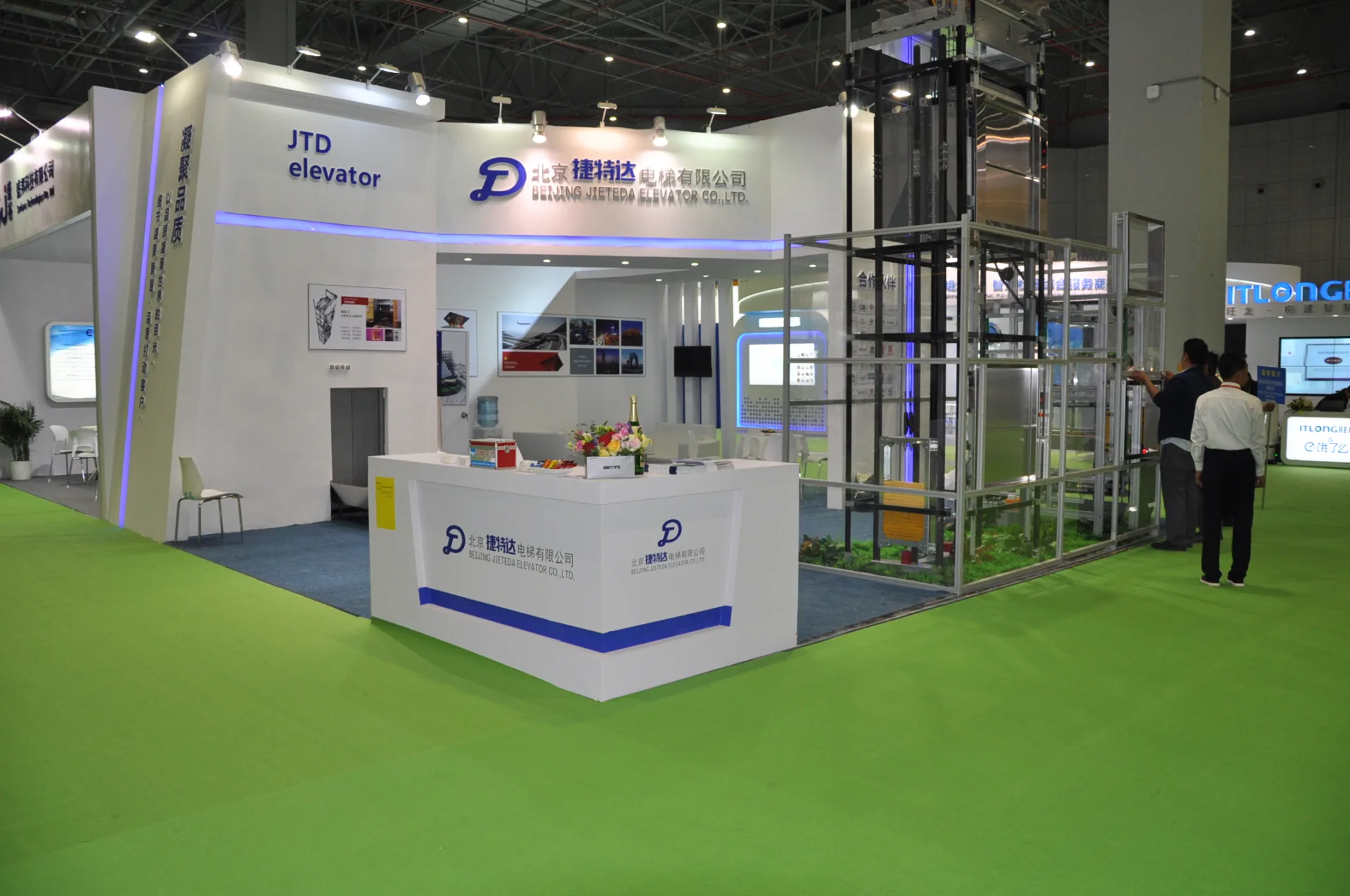
Jieteda exhibition booth with a reception counter and goods-lift displays.
Freight and goods-lift equipment · Company exhibition archive

Direct freight and OEM foundation

When a project falls within the company’s documented freight-elevator or related OEM scope, engineering and manufacturing coordination can be tied closely to the relevant production work. This route is particularly valuable when load handling, car geometry, entrance configuration, structure or repeatable OEM requirements need to be controlled together.

Elevator displays beneath a circular ceiling light in the Beijing showroom
A wider range of equipment · Beijing showroom

Specialist partner factory

When the project requires another product specialization, JAFITA selects and coordinates with an appropriate factory. The partner performs manufacturing within its own facilities and approved scope. Its technical data, model identification, certificates and test records remain attributable to that manufacturer.

JAFITA’s work in this route can include requirement clarification, technical and commercial communication, drawing coordination, document collection, inspection-plan alignment, packaging requirements and delivery coordination. The company does not describe partner output as direct JAFITA factory production.

The repeat order refers to a controlled baseline

OEM discipline is more than applying a logo

OEM manufacturing requires an agreed technical baseline, repeat-order control and clear ownership of information. A programme may define product configuration, approved components, appearance, labels, manuals, packing, destination documents and the process for approving changes.

The first order should create a reference package that later orders can cite. If a component becomes unavailable or a factory proposes a substitute, the effect on interfaces, certification, drawings and service parts should be reviewed before acceptance. An apparently minor change in a control or door component can affect wiring, mounting, parameter settings and spare-part support.

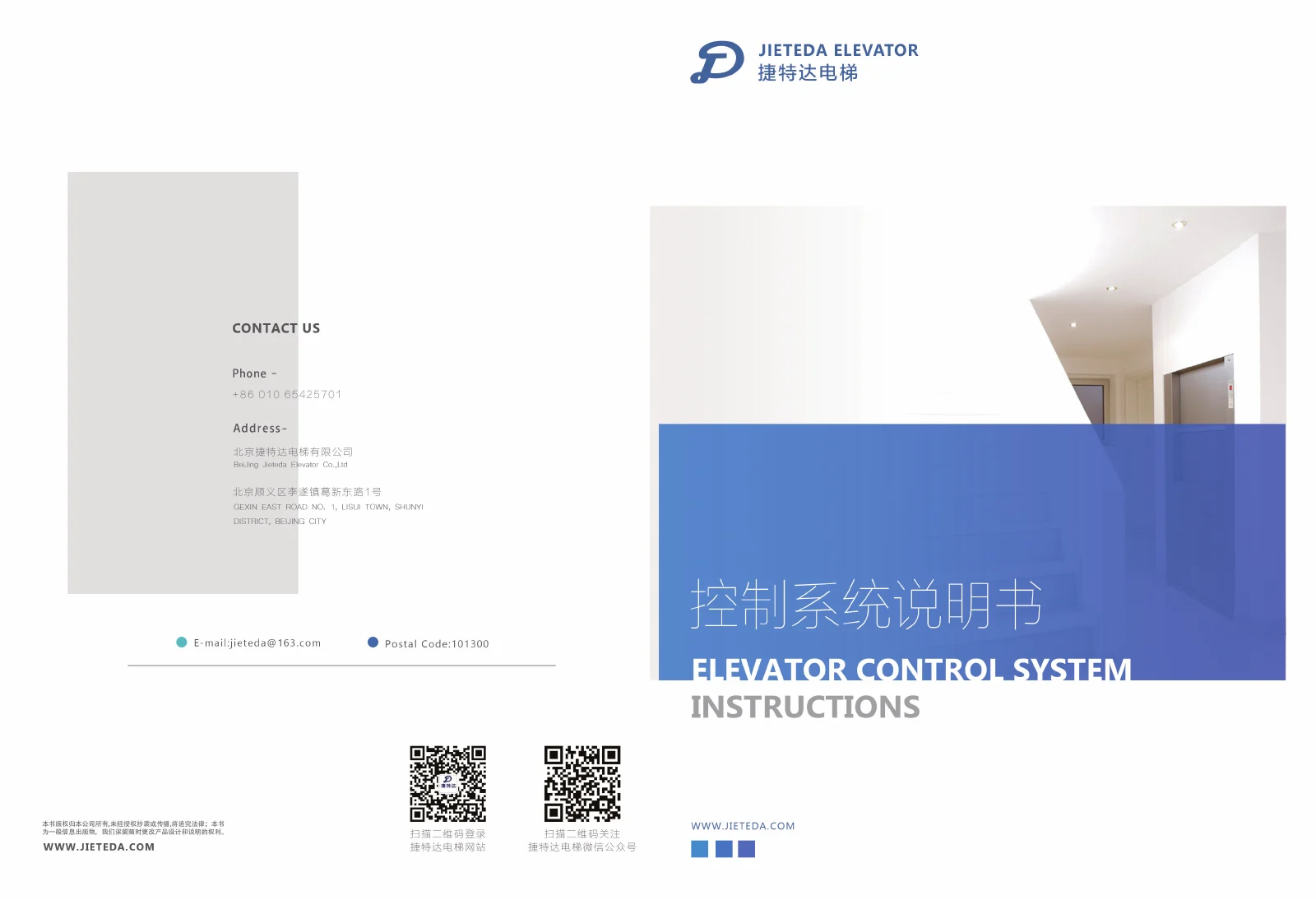
Cover spread of the Jieteda elevator control system instruction manual in the 2024 archive
Archived control-system manual · Order-specific applicability must be confirmed

Brand presentation must remain consistent with legal manufacturer identity and certification. An OEM label does not transfer another company’s qualification or make a product certificate universal.

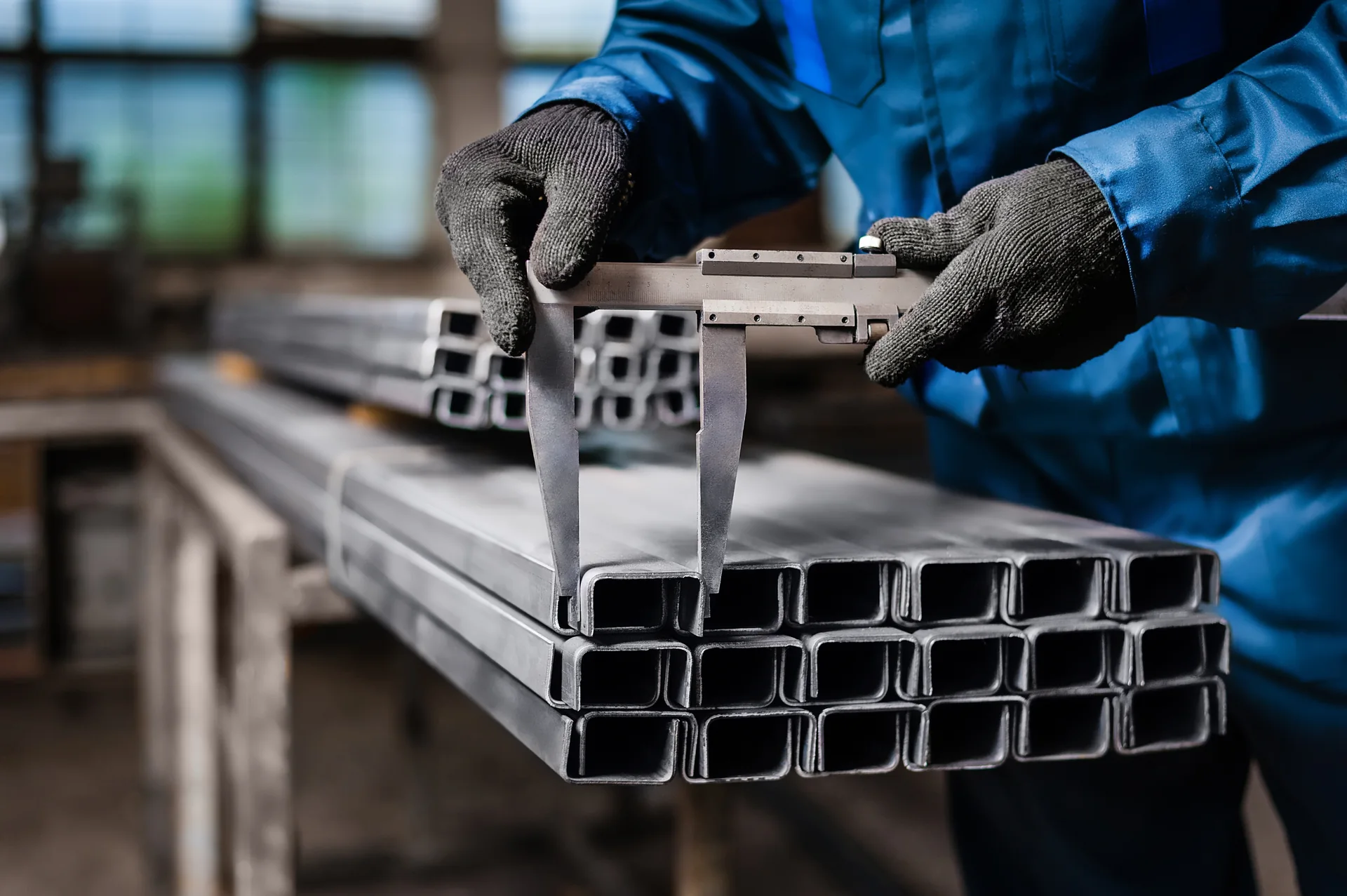
Gloved hands measuring a rectangular metal section with a caliper
Dimensional checking · Technical illustration
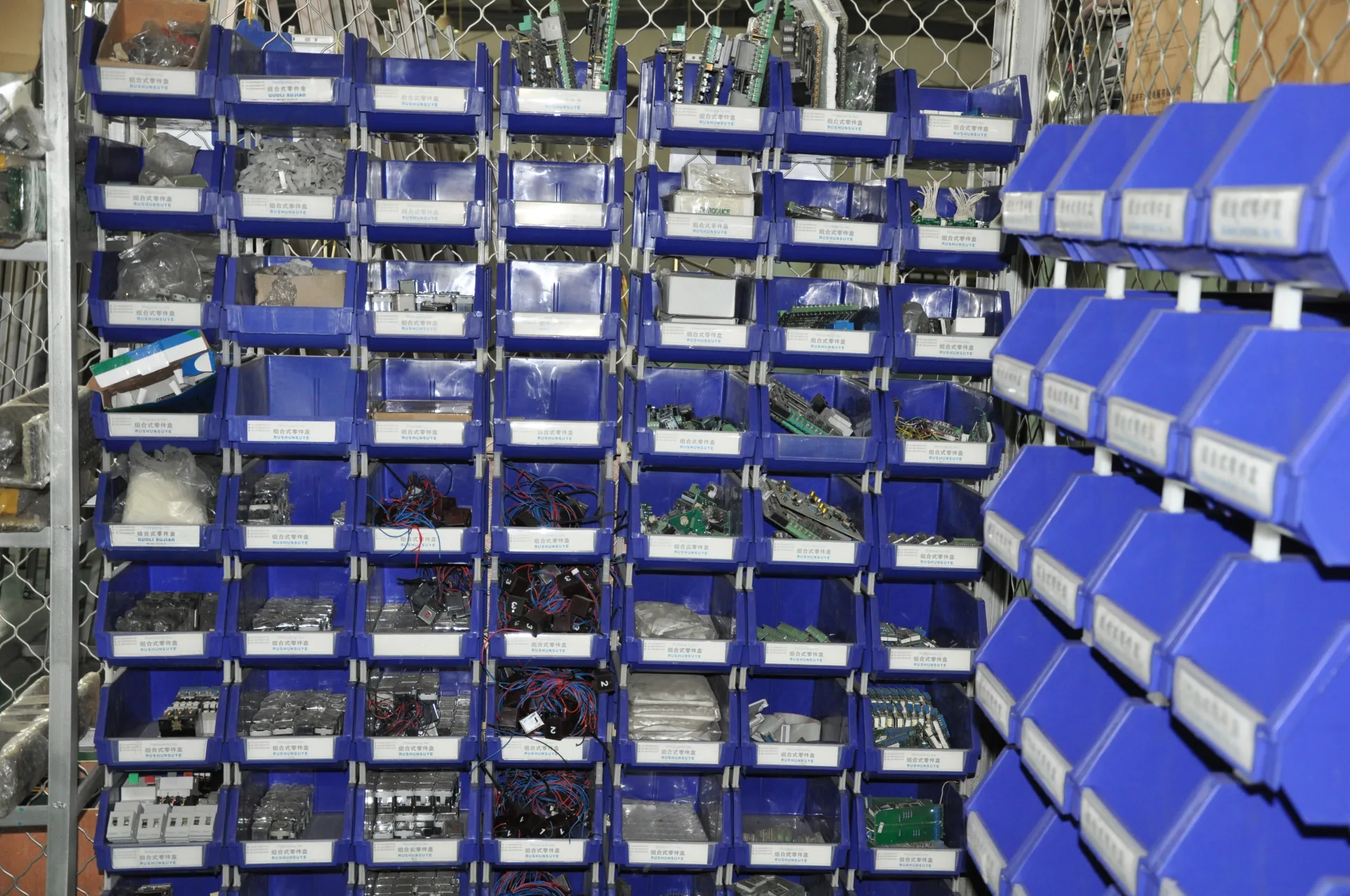
Labelled blue bins holding electrical parts, wiring and small components.
Material identity · Company archive

Quality control belongs inside manufacturing

Manufacturing quality is not a final photograph. It begins with released requirements and continues through material or component identification, fabrication, assembly, inspection, corrective action and packing.

When an item does not meet the approved basis, the record should identify the item, requirement, observed condition, containment and disposition. Rework, replacement, use-as-is approval or other disposition must be authorized by the responsible party. The revised condition then needs verification before release.

The Quality Management page explains the control system, while Inspection and Testing explains order-specific checks. They are related but not interchangeable: management defines how decisions are controlled; inspection provides evidence about a particular item or stage.

Manufacturing evidence customers can request

The useful evidence depends on the risk and contract. It may include:

Cover spread of the Jieteda elevator use and maintenance instruction manual
Use-and-maintenance manual · Company document archive
  • Manufacturer and facility identity for the selected equipment
  • Relevant qualification or management-system documents
  • Approved drawings and specifications
  • Major-component list and product data
  • Material or component documents where required
  • Inspection plan and records
  • Finish approval references
  • Photographs tied to a project, unit or process stage
  • Test or functional-check records applicable to the product
  • Packing list and package identification
  • Manuals and as-supplied documentation

Evidence should be requested early. Retrospective requests for records that were not part of the order may be impossible to satisfy after production or shipment.

An alternative still needs technical approval

Production changes and substitutions

A substitution should never be accepted solely because it has a similar name or appearance. The review needs the proposed item, reason for change and effects on technical performance, interfaces, approvals, documentation, programme and future service.

The required approval level depends on the change. A packaging material may be managed within the factory’s process; a different traction machine, controller, safety component or door system may require full technical review and revised documents. The project change procedure should define who has authority to accept each class of change.

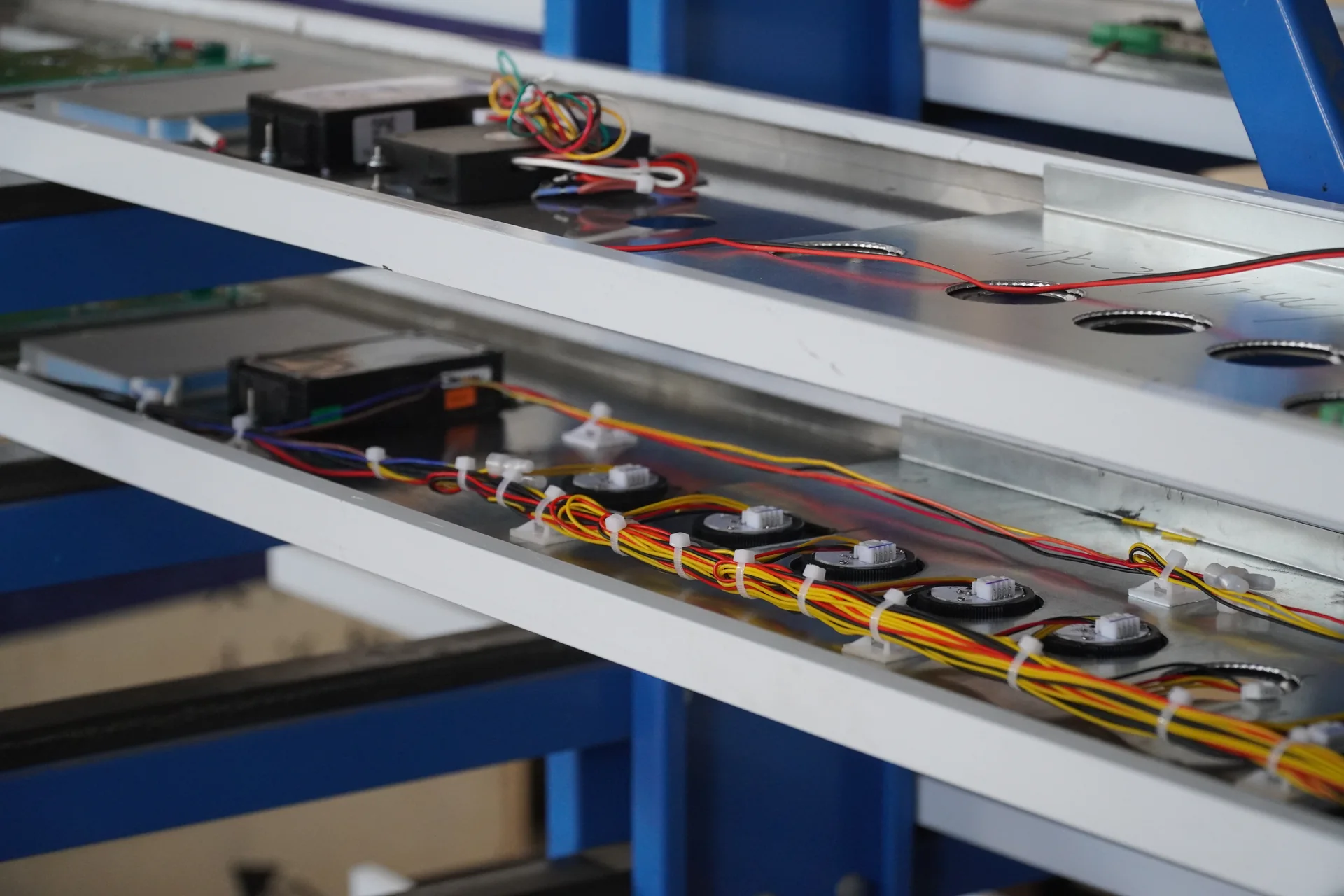
Button modules and wiring on the backs of elevator operating panels
Connections and component identity · Technical illustration

What manufacturing does not prove

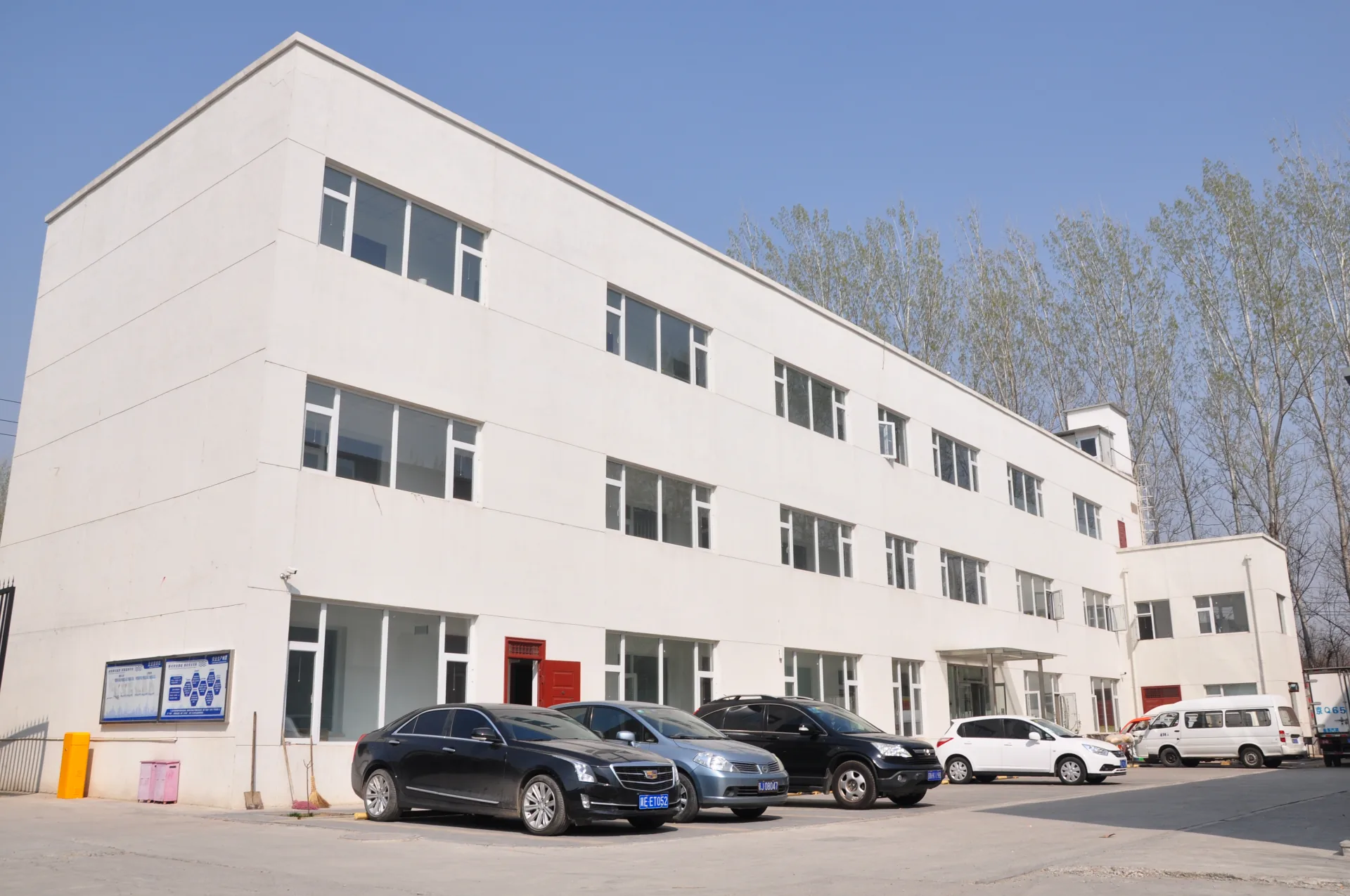
The exterior of a white workshop building with vehicles parked outside.
Workshop exterior · Historical company material

A workshop photograph does not establish production capacity, current order load, lead time or the origin of an unrelated product. A machine on the floor does not prove that every project uses that process. A company-level ISO certificate does not certify a model. A successful previous order does not remove the need to approve the next configuration.

JAFITA therefore does not publish a universal annual capacity, fixed delivery time or one manufacturing location for the entire portfolio without project-specific evidence. These matters are confirmed in the commercial and technical offer for the defined supply.

Manufacturing scope and order control

Manufacturing questions

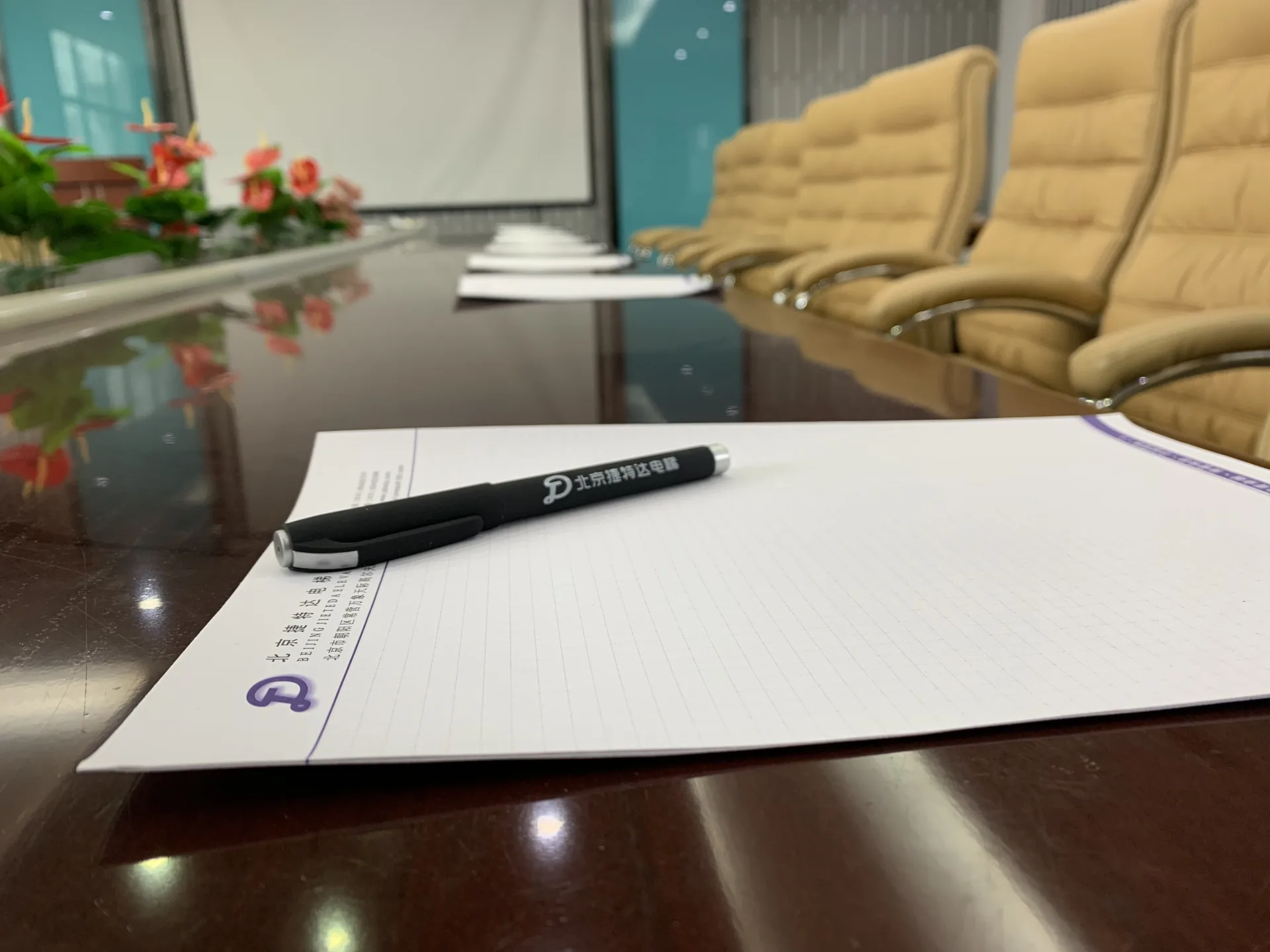
A Jieteda-branded notebook and pen on a meeting-room table.
Keep the order reference clear · Company archive

Does JAFITA have its own manufacturing experience?

Yes. Company records identify a direct foundation in freight-elevator production and OEM work, supported by production imagery and technical documentation. The scope for a new project is still confirmed individually.

Are passenger and home elevators made at the same facility as freight elevators?

Not necessarily. Product categories may be assigned to specialist partner factories. The applicable manufacturer and documents are identified for the selected equipment.

Can a customer witness production or inspection?

Witnessing may be arranged when agreed before the relevant stage. The inspection point, notice, method, acceptance basis, access conditions and record should be defined in the order.

Can JAFITA promise a fixed production lead time?

There is no single lead time for every product. Technical approval, quantity, configuration, materials, factory programme, inspection, documents and shipping all affect the schedule. The project plan is confirmed for the defined order.

How is a repeat OEM order matched?

The order should cite the prior approved project, model, drawings, bill of materials, finishes, labels and revision. JAFITA and the responsible factory then check whether any component, document or destination requirement has changed.

Are production photos enough for acceptance?

No. Photos can support a record, but acceptance should follow the agreed specification, drawings, measurements, functional checks and documents appropriate to the equipment.

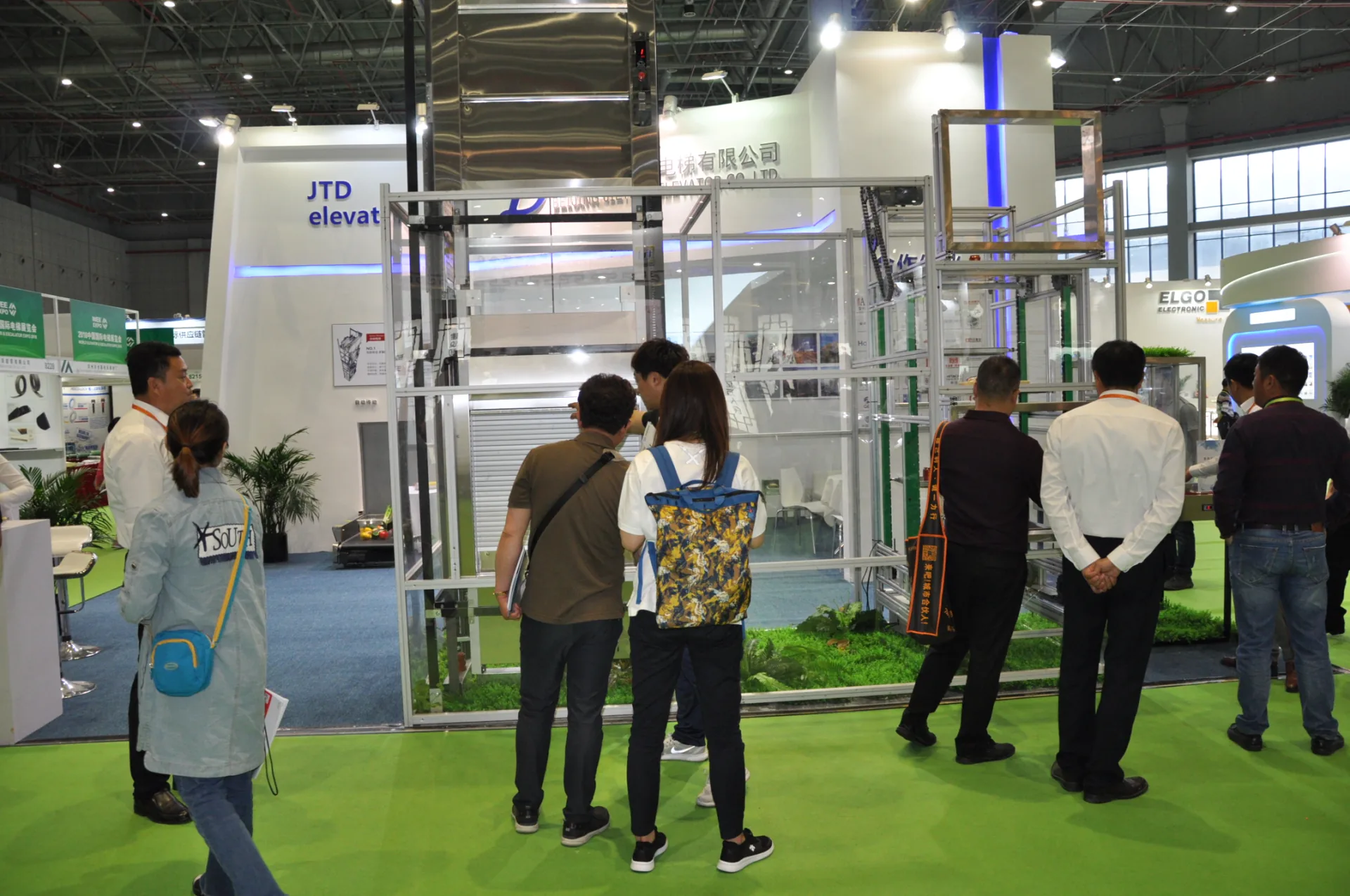
Visitors discussing a goods-lift demonstration at the Jieteda booth.
Discussing equipment requirements · Company exhibition archive

Discuss a manufacturing requirement

Provide the application, product category, quantity, drawings, load data, preferred configuration, finish, destination, required documents, inspection expectations and programme. JAFITA will identify whether the requirement aligns with the direct freight/OEM foundation or should be coordinated through a specialist factory.

For freight products and the questions to clarify before a quotation, see the freight elevator page.