Is every cabin shape or door arrangement available?
No. Availability depends on the product platform, shaft, drive arrangement, structure, doors, clearances and manufacturing route. The desired result is reviewed against a feasible configuration.
JAFITA / Customization
Elevator customization is the controlled change of a proven product configuration to meet a defined building, operating, architectural or OEM requirement. It is not a menu of unlimited options. Every change needs a reason, an affected-interface review, an approved manufacturing route and a record that can still be understood when the equipment is installed or serviced years later.
JAFITA supports customization through its freight-elevator and OEM manufacturing foundation and through specialist partner factories for other product categories. The available route depends on the selected equipment. We identify that route before presenting a custom option as deliverable.

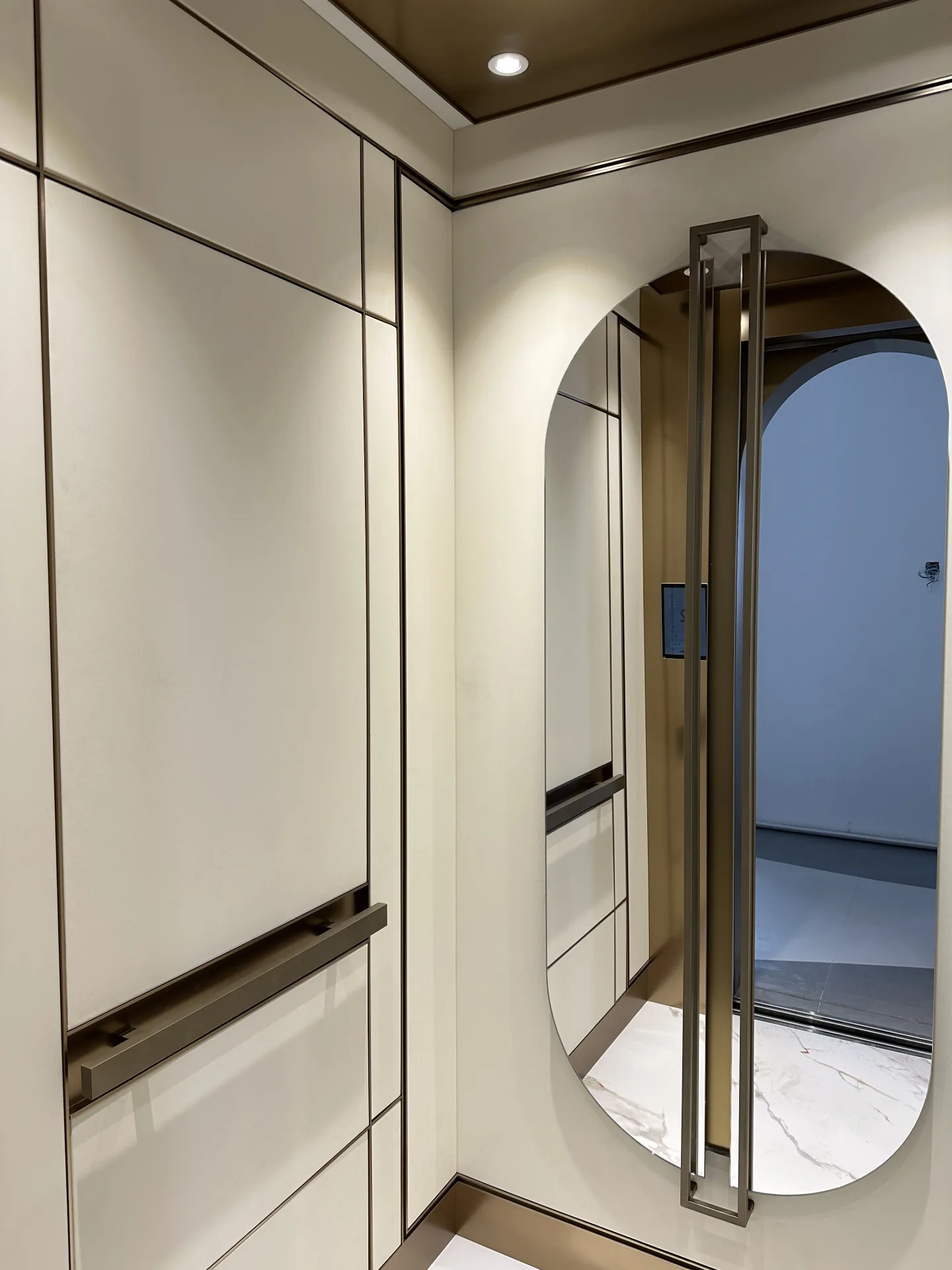
A productive request begins with why the standard arrangement does not work.

The problem statement prevents decorative choices from obscuring structural or regulatory constraints. It also helps JAFITA determine whether the request can be handled inside the direct freight/OEM scope or needs a specialist platform.
The change has more than one interface
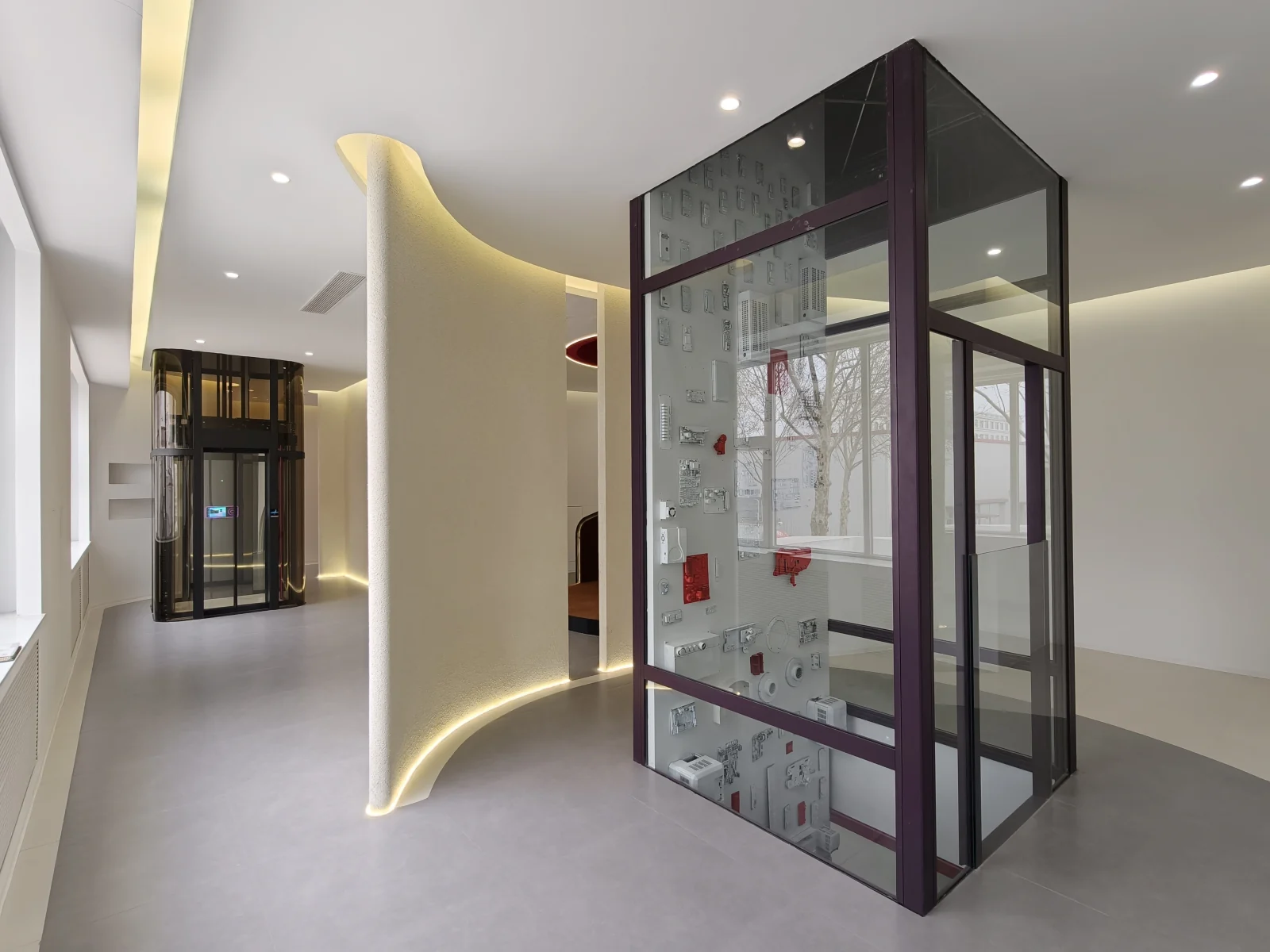
| Customization type | Typical request | Interfaces that must be reviewed |
|---|---|---|
| Building adaptation | Non-standard shaft, pit, overhead, entrance or machine-space condition | Clearances, doors, guides, counterweight, structure, access and maintenance space |
| Operating adaptation | Freight handling, through-car flow, special duty or user function | Car frame, platform, floor, doors, control logic, drive and duty assumptions |
| Architectural adaptation | Cabin materials, glazing, ceiling, lighting, fixtures and landing appearance | Weight, fixing, fire or material requirements, samples, cleaning and replacement |
| OEM adaptation | Brand identity, repeatable configuration, labels, manuals, packing and options | Technical ownership, manufacturer identity, revision control, certification and repeat orders |
A project may combine all four. In that case, each deviation should be recorded separately so the approval team can see which changes affect safety or system performance and which are primarily visual.
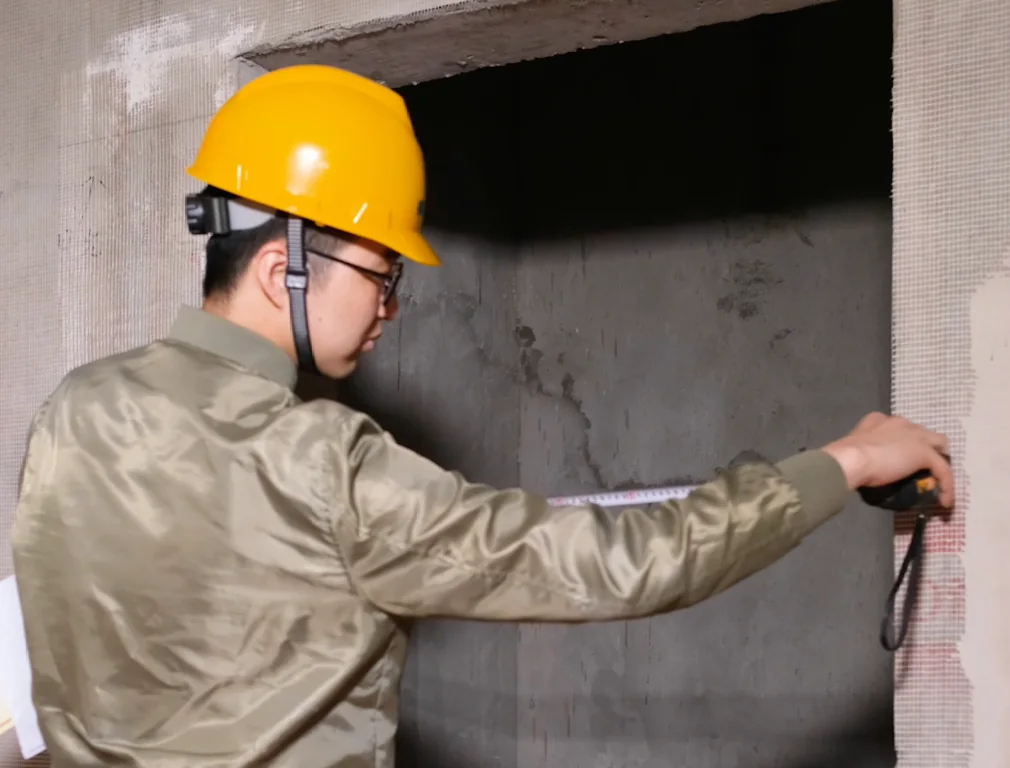
“Make the car as large as possible” is not an engineering dimension. The usable envelope depends on the shaft, doors, guides, counterweight or alternative arrangement, clearances, pit equipment, overhead equipment, structural supports and maintenance access.
For a new building, early coordination can protect the required space before structure and openings are fixed. For an existing building, the project should provide verified measurements, floor levels, wall conditions, photographs and any known restrictions on structural work. Original drawings remain useful, but differences between drawings and measured conditions must be resolved.
JAFITA can review a proposed equipment route against this information. The building designer and local qualified parties remain responsible for the building structure, survey accuracy, code compliance and approvals within their scope.
Mass, footprint and the loading path
JAFITA’s most direct customization foundation is freight elevators. Freight engineering cannot be reduced to a nominal kilogram value. The load description should include:

These inputs can affect the platform, car frame, floor construction, guide system, doors, drive and building reactions. If a forklift enters the car, its own mass and wheel loads are part of the operating case. A photograph of a similar freight elevator is useful for discussing layout, but it is not a substitute for load data.
Customers planning freight flow can use the separate throughput guide on the marketing site to examine loading time, door time and dispatch assumptions before finalizing the specification.
An image inspires; a reference defines
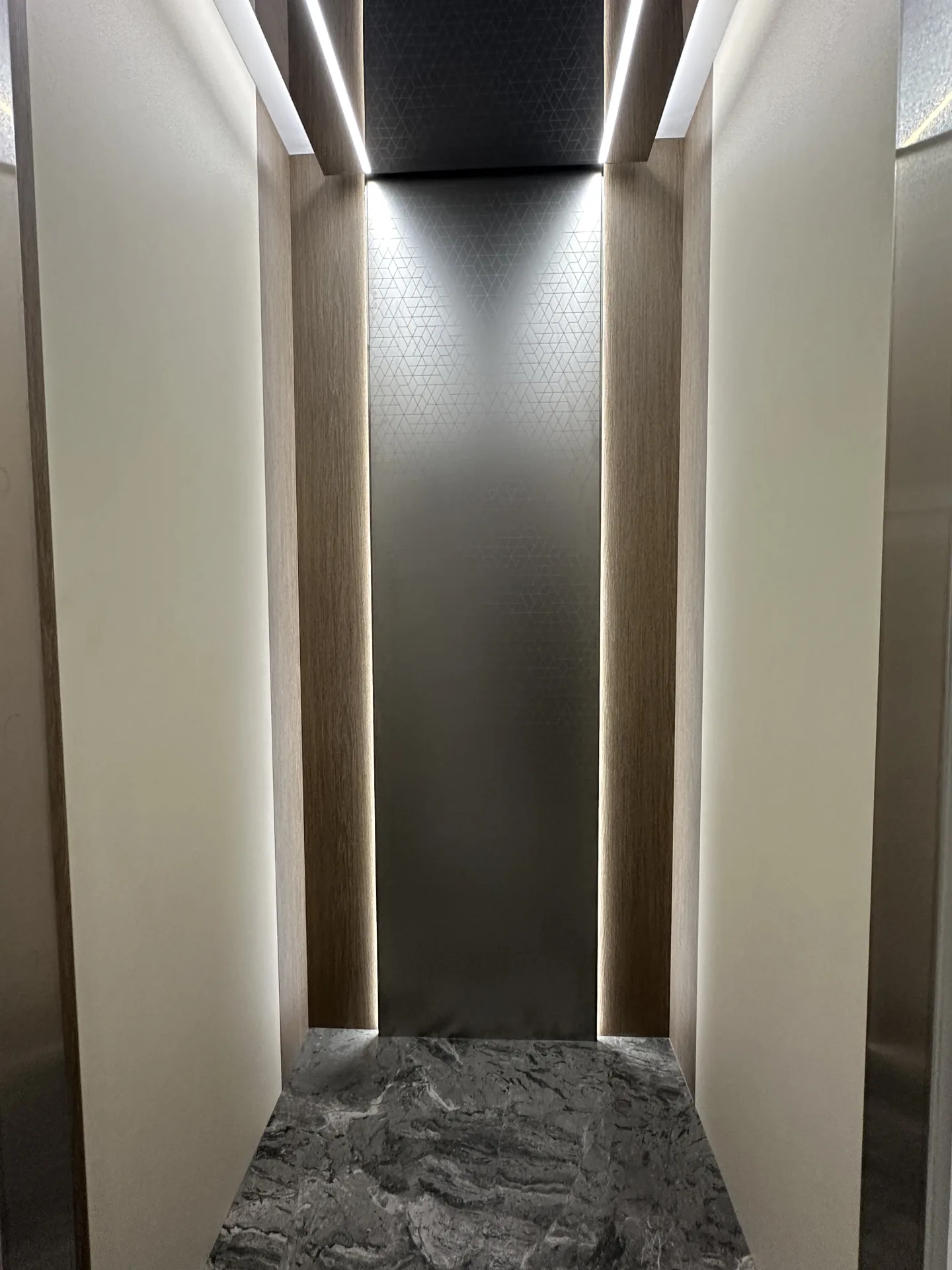
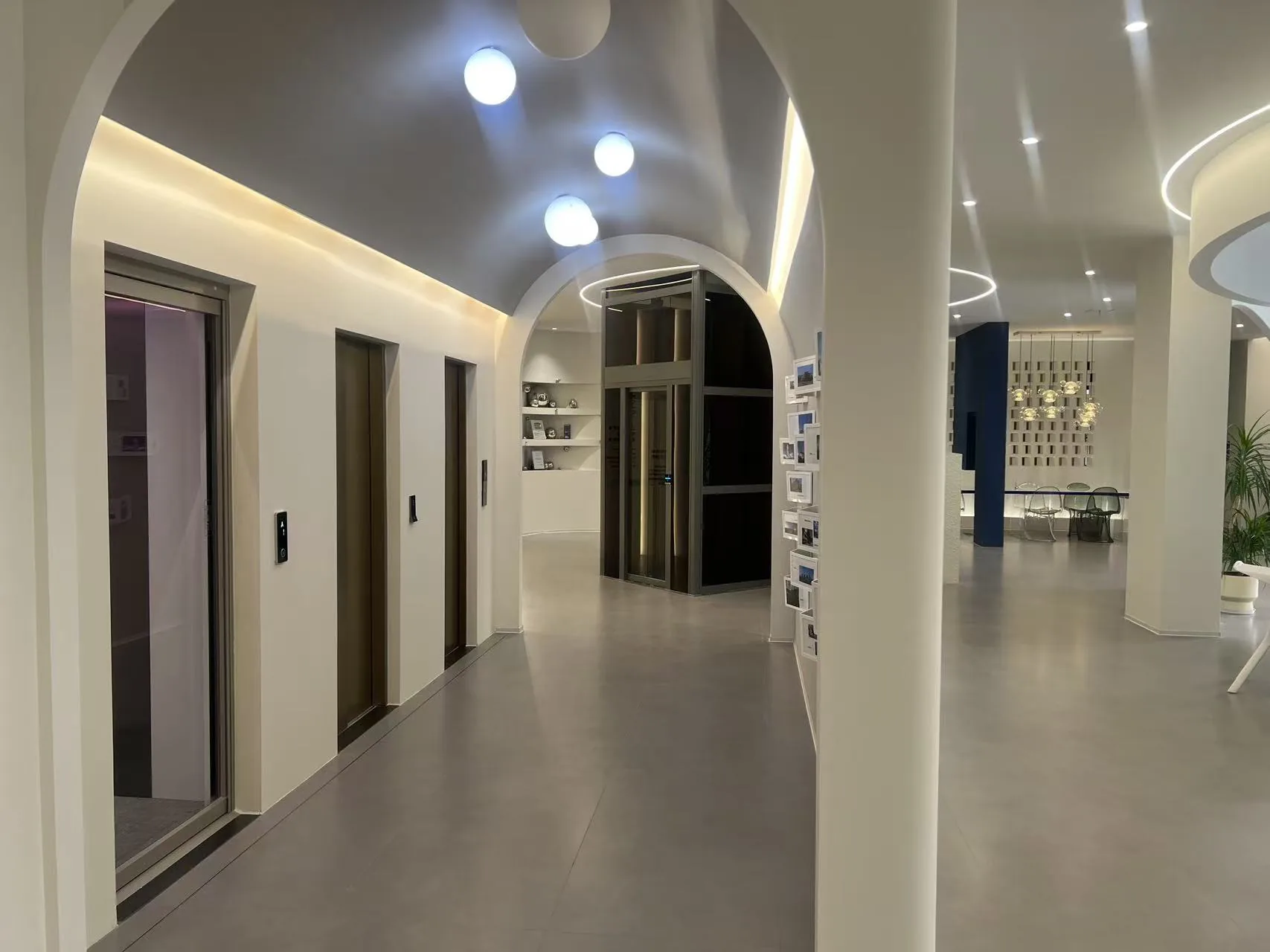
Cabin and entrance finishes are often selected through images, but production needs objective references. Depending on the material, approval may use a manufacturer code, finish code, physical sample, signed sample board, drawing or controlled digital reference.
The finish schedule should identify where each material is used, direction or pattern where relevant, edge treatment, fixture cut-outs, lighting, flooring responsibility and any interfaces supplied by others. Natural materials and batch-dependent finishes may vary; the approval basis should state what variation is acceptable.
Appearance can have technical consequences. Added cladding changes weight. Glazing affects structure and interfaces. A different ceiling changes lighting, access and headroom inside the car. Customer-supplied flooring changes the finished-floor relationship and may affect weight. These effects must be reviewed before production release.
JAFITA’s company records describe a history of OEM work, particularly from its freight-elevator manufacturing foundation. An OEM programme is successful when the first approved configuration can be reproduced and its changes can be identified.
An OEM definition should cover more than logo placement. It may include:
Branding must not obscure the legal manufacturer, the holder of a certificate or the origin of a technical document. Product labels and declarations follow the applicable requirements and agreed supply route. Private-label presentation is not permission to transfer another organization’s qualification.
Record each departure from the baseline
The most reliable way to control a custom project is to record the baseline product and every approved deviation.
| Register field | What to record |
|---|---|
| Requirement | The customer need or constraint driving the change |
| Baseline | The standard or previously approved configuration |
| Proposed deviation | Exact dimension, function, material, component or document change |
| Affected interfaces | Building, structure, doors, controls, weight, power, packing or compliance effects |
| Responsible reviewer | Manufacturer, JAFITA, customer designer or local qualified party |
| Evidence | Drawing, calculation, sample, data sheet or written approval |
| Status | Open, under review, approved, rejected or superseded |
| Revision | The document and date incorporating the accepted decision |
This register avoids a common failure: approving an attractive rendering while the technical effect of the change remains unresolved.
Before release, the approved package should identify the equipment, dimensions, entrances, major systems, functions, finishes, labels, manuals, packing requirements and manufacturing source. Open items that do not block release must be explicitly listed with an owner and closure date.
After release, every requested change is reviewed for feasibility and effects on cost, programme, documents, purchased components and completed production. A verbal agreement or marked screenshot should be converted into a controlled revision before it changes the order.
Late changes are not automatically impossible, but their consequences must be visible. A change may require new drawings, different materials, rework, new supplier confirmation or revised packing. JAFITA confirms those effects with the responsible manufacturing party before accepting the change.
Keep the as-supplied configuration readable
The exact package depends on project scope, but a well-controlled custom project may produce:

For a component-only project, the package may be smaller, but the selected item still needs enough identification to support compatibility and later replacement.

JAFITA coordinates customization within the agreed supply. It does not control the accuracy of customer measurements, the adequacy of the building structure, local authority decisions, site workmanship or unreported operating conditions. Work requiring a licensed designer, installer, inspector or maintenance organization must be performed by authorized parties in the destination.
No custom feature should be interpreted as approved for a project until the selected manufacturer and responsible technical parties have confirmed it. Catalogue images and previous projects are references, not automatic approvals for a new configuration.
Feasibility, identity and the next order

No. Availability depends on the product platform, shaft, drive arrangement, structure, doors, clearances and manufacturing route. The desired result is reviewed against a feasible configuration.
A preference can be submitted, but the exact model and its compatibility must be confirmed. Electrical, mechanical, communication and safety interfaces matter more than brand recognition alone.
The effect depends on what changes. A controlled finish option differs from a structural, entrance or control-system deviation. The quotation should identify the custom scope and its assumptions rather than apply one generic surcharge.
Brand presentation can be agreed, but required manufacturer identity, labels, certificates and technical ownership must remain accurate under the applicable rules and documents.
Use the original project reference, approved configuration, component schedule, drawings, samples and revision. A repeat order should still be checked for supplier changes, discontinued parts and destination requirements.
No universal lead time applies. Engineering closure, samples, special materials, supplier confirmation, quantity, documentation and shipping all influence the project programme. The schedule is confirmed for the defined order.
Explain what the standard solution cannot achieve. Include the destination, product category, quantity, intended use, dimensions, drawings, load data, functions, appearance references, OEM needs, required documents and target programme. Separate mandatory requirements from preferences.
The marketing site provides a buyer-focused overview of OEM and custom manufacturing. The corporate site remains the source for JAFITA’s role, capability boundaries and project-control method.