Company records · Technical context · Buyer guidance

JAFITA Resources

Use Each Elevator Document for the Decision It Can Support

An elevator project produces many kinds of information: a company certificate, product brochure, technical data sheet, general arrangement drawing, finish schedule, installation manual, packing list and spare-parts record. These files are related, but they do not prove the same thing.

A company certificate can support supplier qualification. It cannot confirm that a specific elevator model is approved for a destination market. A catalogue can show a product direction. It cannot replace the dimensions and interfaces on an approved project drawing. A component photograph can help identify a part, but it cannot establish compatibility without model, electrical and interface information.

The JAFITA Resources center is organized around these distinctions. It helps customers, consultants, distributors and service teams find public company information, request project-specific documents and use technical content in the correct context.

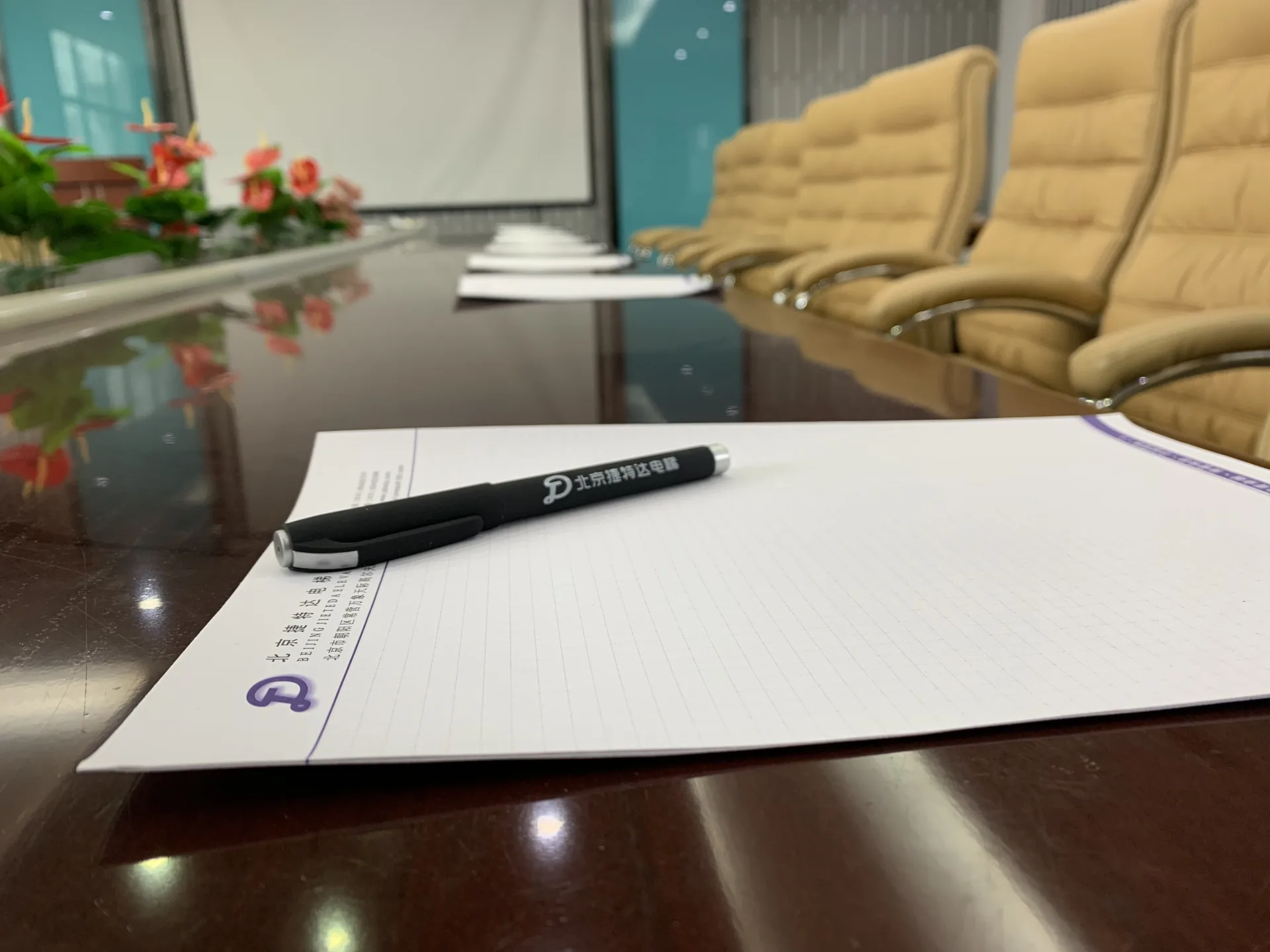
A Jieteda-branded notebook and pen on a meeting-room table.
A record begins with a clear purpose · Company archive

Find the right level of information

The Five Levels of JAFITA Information

1. Company Information

Company profiles, history, legal identity, qualifications and management-system certificates describe the organization behind the supply process.

Beijing Jieteda Elevator Co., Ltd. was established in Beijing in 2001. Current source material documents freight-elevator and OEM experience, export business since 2008, a Beijing showroom and current management-system certificates. The source archive also contains grant certificates for utility-model designs relating to a dumbwaiter car, car door and door lock; their current legal status should be checked before they are described as active rights. Each document should be read according to its legal entity, scope, issue date and validity.

Elevator displays beside a lounge and meeting table in the Beijing showroom
The Beijing showroom · Company context
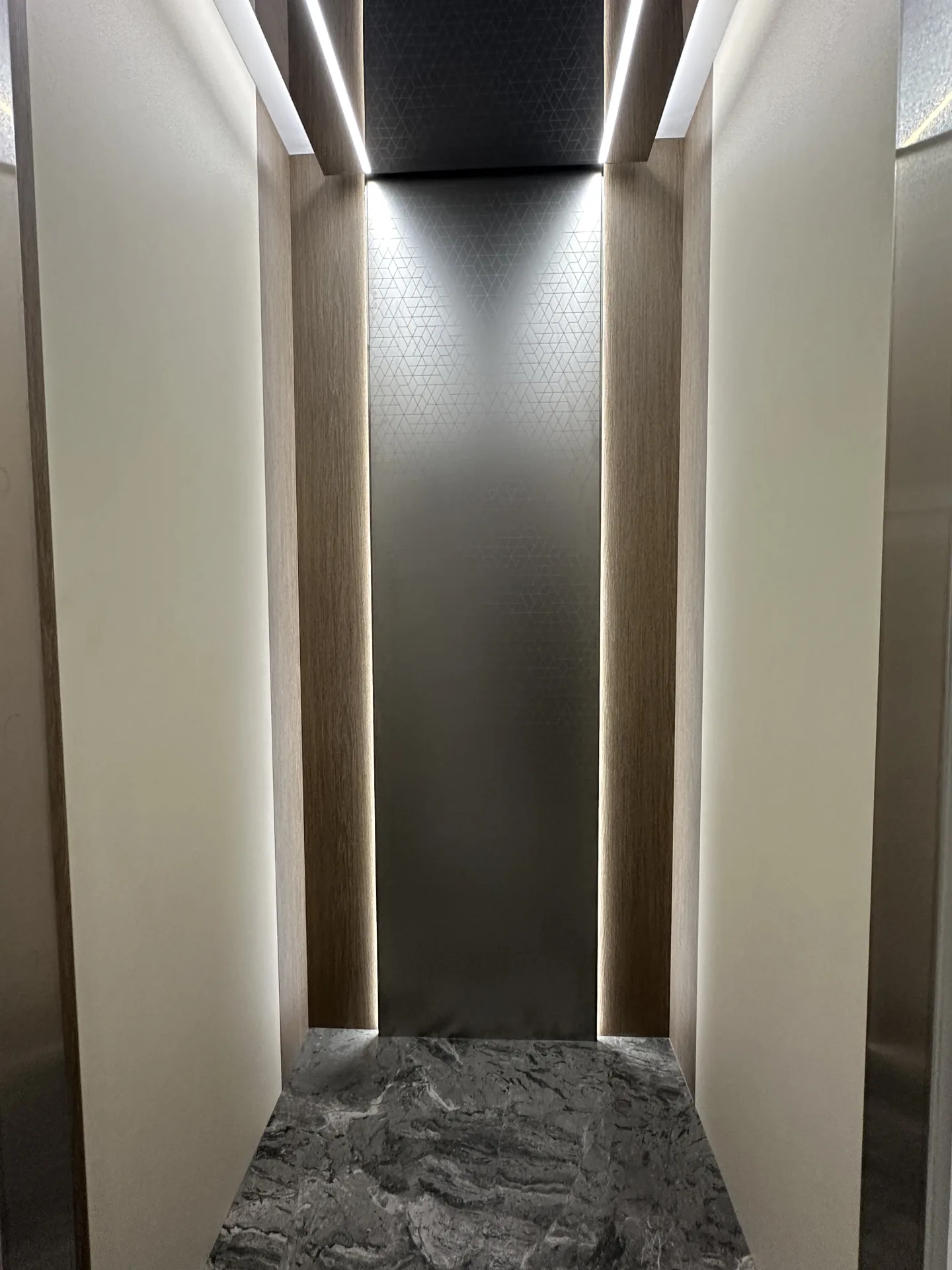
Static cabin finish display with a textured metallic back panel and linear lighting
Product form and finish detail

2. Product-Family Information

Catalogues and product pages explain equipment categories, applications, configuration directions and available design options. They help a project team decide which type of elevator or component deserves technical review.

Product-family information is not the same as an order specification. Final dimensions, components, performance and documents depend on the selected configuration and market.

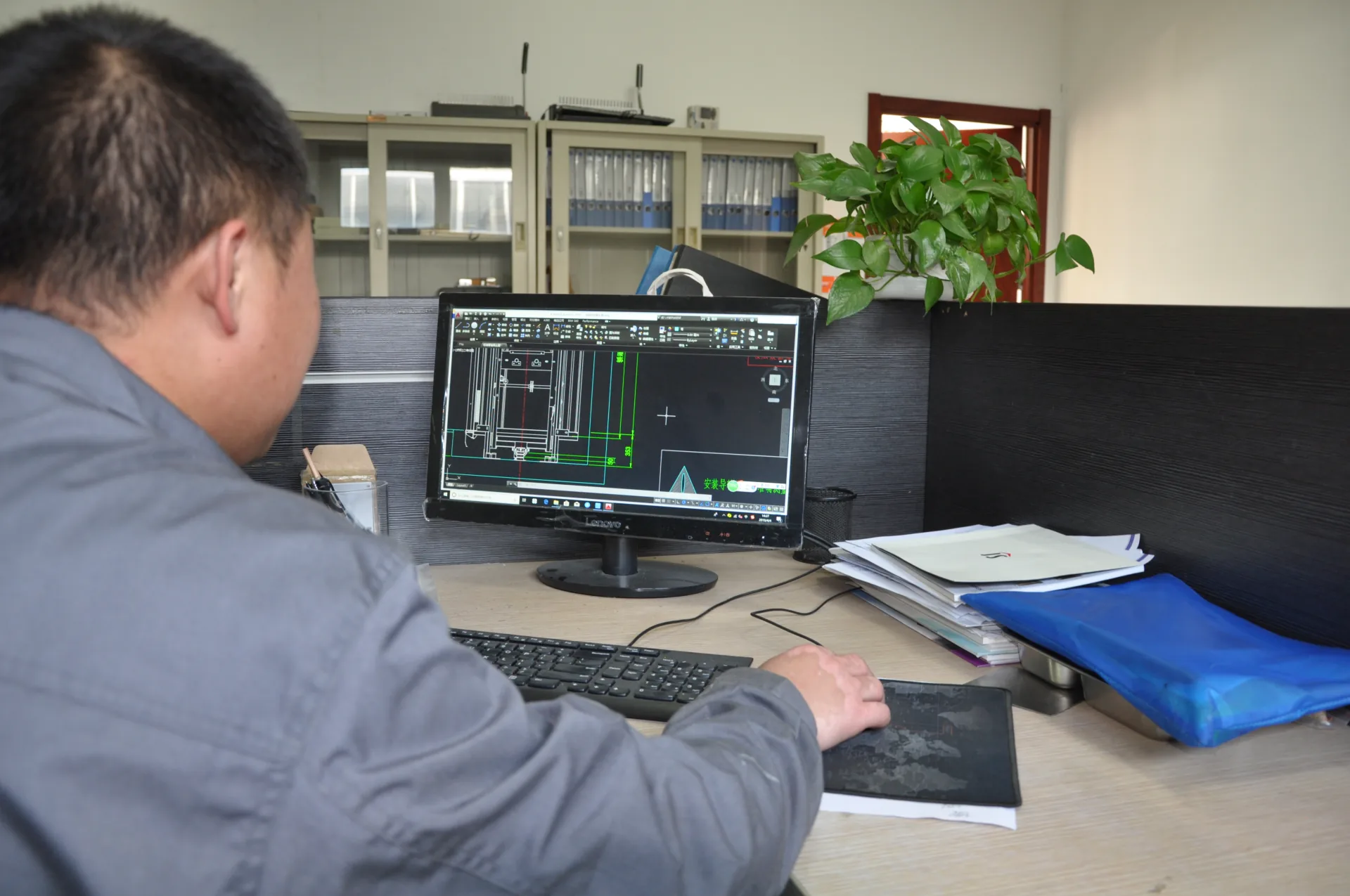
An engineer reviewing a lift CAD drawing at a workstation.
Project drawing review · Company archive

3. Project-Specific Information

Drawings, schedules, finish approvals, electrical data and commercial scope describe the equipment proposed or ordered for one project. These documents should carry a project reference, identifiable configuration and revision status.

Project-specific information controls the building interface. It should take precedence over generic catalogue illustrations where the two differ.

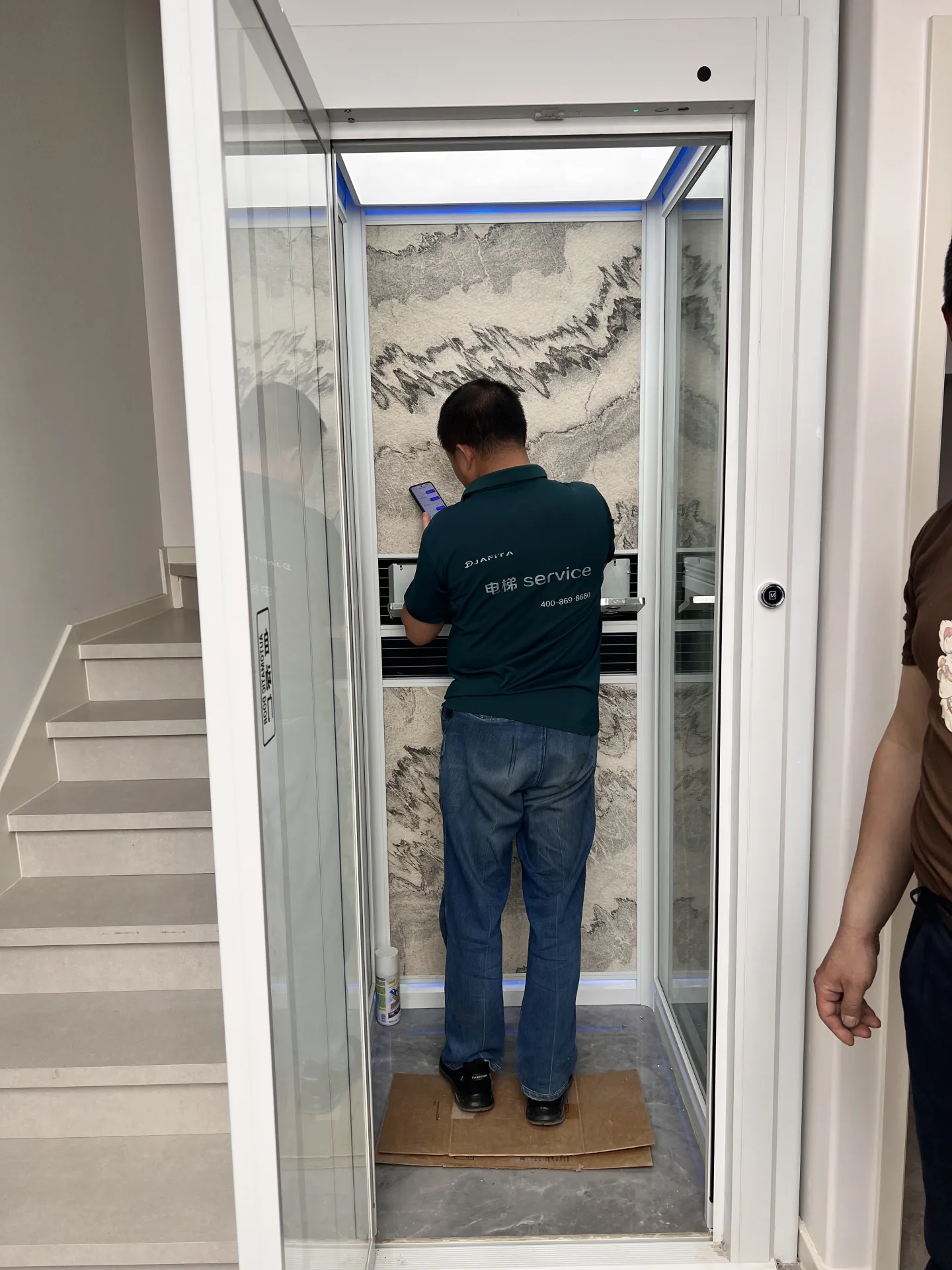
JAFITA service technician working inside a home elevator with a glass swing door
Equipment support in context

4. Installation and Service Information

Installation instructions, wiring information, commissioning records, manuals and maintenance or spare-parts records support defined equipment after supply. The correct document must be matched to the actual model and revision.

5. Buyer Education

Technical articles and worksheets help buyers ask better questions before final specification. JAFITALIFT contains this decision-focused material, including methods for quotation comparison, freight throughput and delivery inspection. These resources explain how to gather and evaluate information; they are not project approvals.

Hands gesturing in a discussion beside a laptop, open notebook and phone
Questions before a decision · Illustrative context

From early planning to later support

Resources by Project Stage

Hands reviewing building drawings on a desk
Project information changes with the decision · Illustrative context
Project stageUseful resourceDecision it supports
Early planningProduct overview, application guidance, buyer articleChoose a viable equipment direction and identify missing inputs
Supplier qualificationCompany profile, current license where applicable, and management-system certificatesEvaluate the legal organization and the exact valid scope of each document
Technical comparisonProduct data, requirement schedule, clarification recordCompare equivalent scope and identify deviations
Design coordinationProject drawing and interface informationCoordinate shaft, openings, structure, power and finishes
Order confirmationApproved configuration, commercial scope and revision recordFreeze what is supplied, by whom and under which terms
DeliveryPacking list, package identity and receiving checklistVerify that the shipment arrived complete and identifiable
Installation and commissioningCorrect manuals, drawings and support contactsExecute work for the supplied equipment within agreed responsibilities
Operation and later supportEquipment identity, final records and parts dataMaintain, diagnose and source compatible replacements

The sequence matters. Using a later-stage document too early can imply false precision. Using an early-stage brochure after order confirmation can cause site errors.

Company qualifications

Company Certificates: Read the Scope, Not Only the Logo

JAFITA’s current English certificates include:

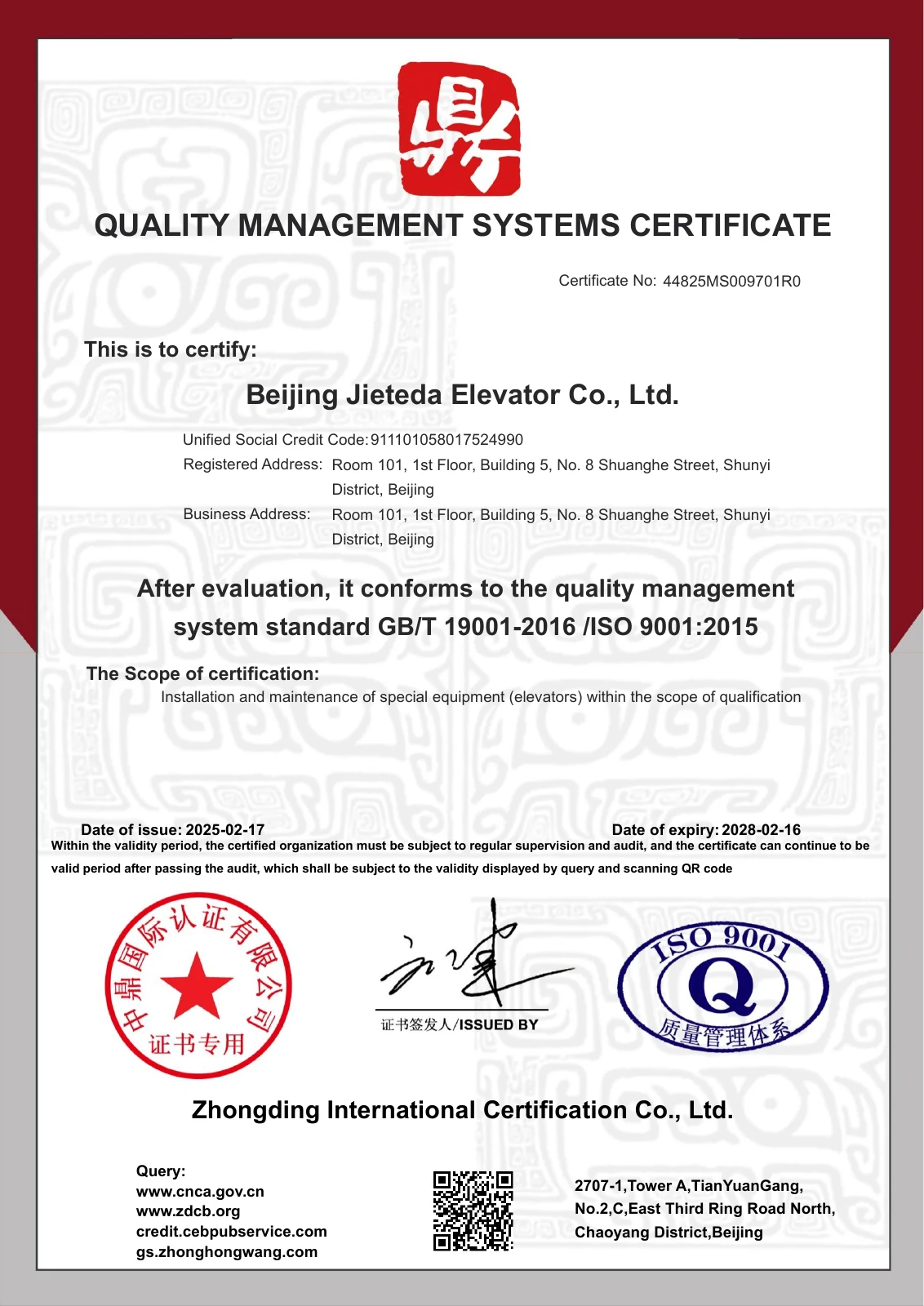
  • ISO 9001:2015 quality management: issued to Beijing Jieteda Elevator Co., Ltd. for installation and maintenance of special equipment (elevators) within the scope of qualification.
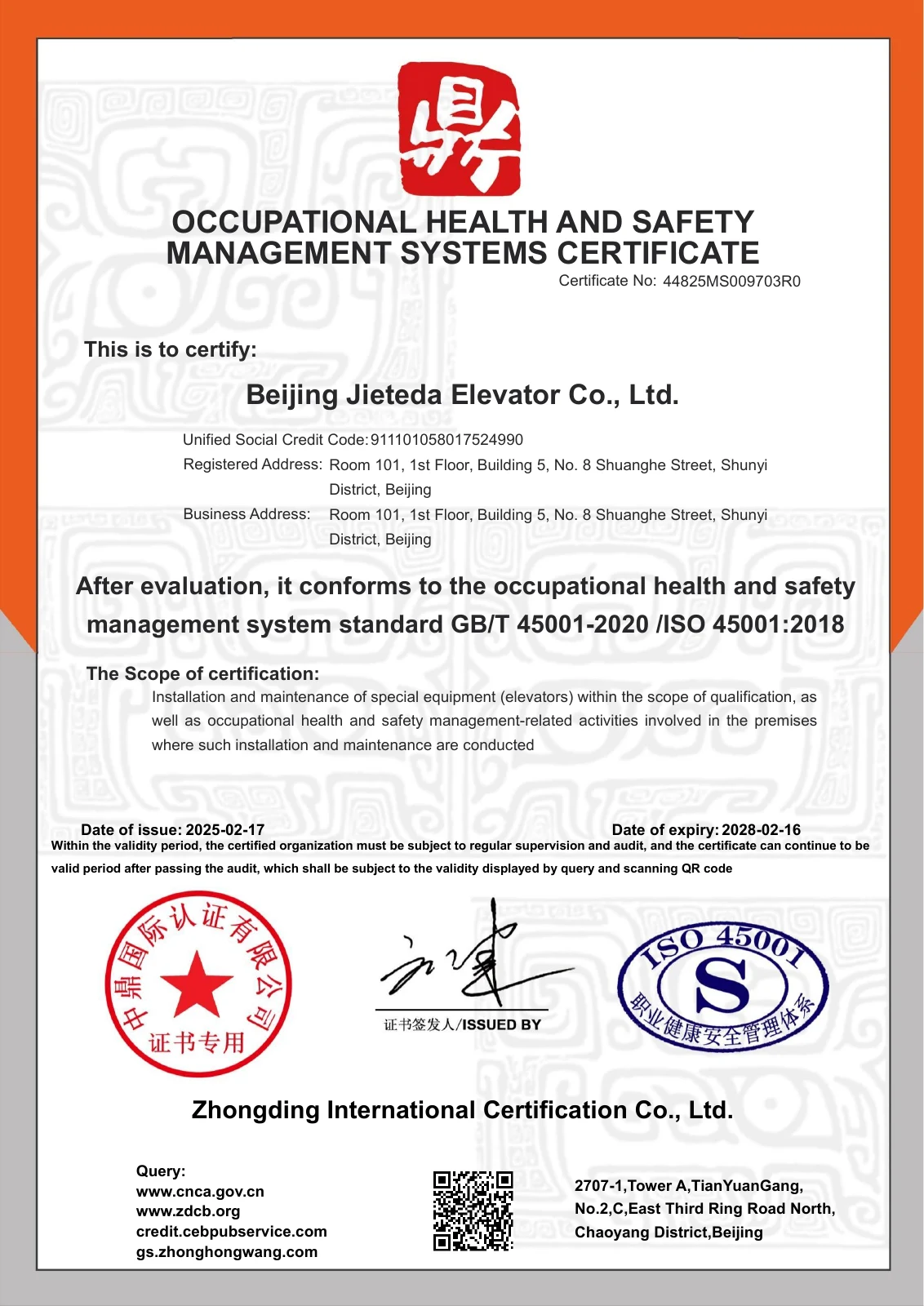
  • ISO 45001:2018 occupational health and safety management: issued to the same company for elevator installation and maintenance within its qualified scope and related activities at those workplaces.

Both current certificates show an issue date of 17 February 2025 and an expiry date of 16 February 2028, subject to the stated supervision and verification conditions. The issuing and official query information appears on the certificate itself.

These are meaningful company-level records. They do not certify every elevator, component, factory or destination-market configuration shown elsewhere on the website. Product and project evidence must be checked separately.

English ISO 9001:2015 management-system certificate naming Beijing Jieteda Elevator Co., Ltd.
ISO 9001:2015 · Read the legal entity and scope
English ISO 45001:2018 management-system certificate naming Beijing Jieteda Elevator Co., Ltd.
ISO 45001:2018 · Read the legal entity and scope
An engineer reviewing a lift CAD drawing at a workstation.
A technical file linked to its project · Company archive

Public library and project records

Public Downloads and Controlled Documents

Some resources belong in a public library: a current company profile, approved product brochure, public certificate and general buyer guide. Other documents should be supplied only after the equipment or project has been identified.

Controlled or project-specific documents can include:

  • General arrangement drawings
  • Detailed interface and electrical information
  • Project finish schedules
  • Model-specific manuals
  • Software or parameter information
  • Customer drawings and specifications
  • Inspection or test records tied to an order
  • Confidential OEM documents
  • Component substitution or compatibility reviews

Publishing a generic file in place of the correct project document creates risk. JAFITA therefore asks for the project, product or component identity before releasing information that depends on configuration.

Read the document before relying on it

How to Check a Document Before Using It

Before making a design, procurement or service decision, confirm:

Hands reviewing printed charts beside a laptop, notebook and calculator
Paper and digital information reviewed together · Illustrative context
  1. Issuer: Which legal company or organization issued the document?
  2. Subject: Which product, model, project or management system does it describe?
  3. Scope: What activities, configuration or standard does it actually cover?
  4. Revision: Is it current for the equipment under review?
  5. Validity: Does it have an issue date, expiry date or verification route?
  6. Relationship: Does the model or project reference match the equipment you have?
  7. Approval status: Is it preliminary, for review, approved for production or final record?

If one of these fields is missing, treat the file as reference information until its status is confirmed.

Give each file a technical identity

Requesting the Correct Technical File

Elevator displays beneath a circular ceiling light in the Beijing showroom
Complete equipment · Beijing showroom

For complete equipment, provide:

  • Project country and building type
  • Product category and quantity
  • Model or quotation reference, if available
  • Rated load, speed, travel, stops and entrances
  • Shaft information or drawing
  • Document type and purpose
  • Required language and deadline
Transparent elevator frame displaying internal components and their positions
Equipment and component relationships

For a component, provide:

  • Equipment manufacturer and model
  • Original part number and revision
  • Nameplate and clear photographs
  • Electrical ratings and connectors
  • Mounting dimensions or drawing
  • Required quantity
  • Fault or replacement reason
  • Original JAFITA project or order reference, if applicable

This information allows the team to match the request instead of returning a visually similar but technically unrelated file.

Images with a known subject

Image, Video and Media Resources

The official site can also support due diligence through visual evidence. Showroom photographs, production scenes, inspection activities, packing examples and project images become more useful when captions identify what is shown, where it was recorded and what claim the image supports.

The Videos page organizes moving-image evidence, while the Media Kit provides approved brand facts and explains permissions. Visual material should never be used to imply a facility, product or project relationship that the source does not establish.

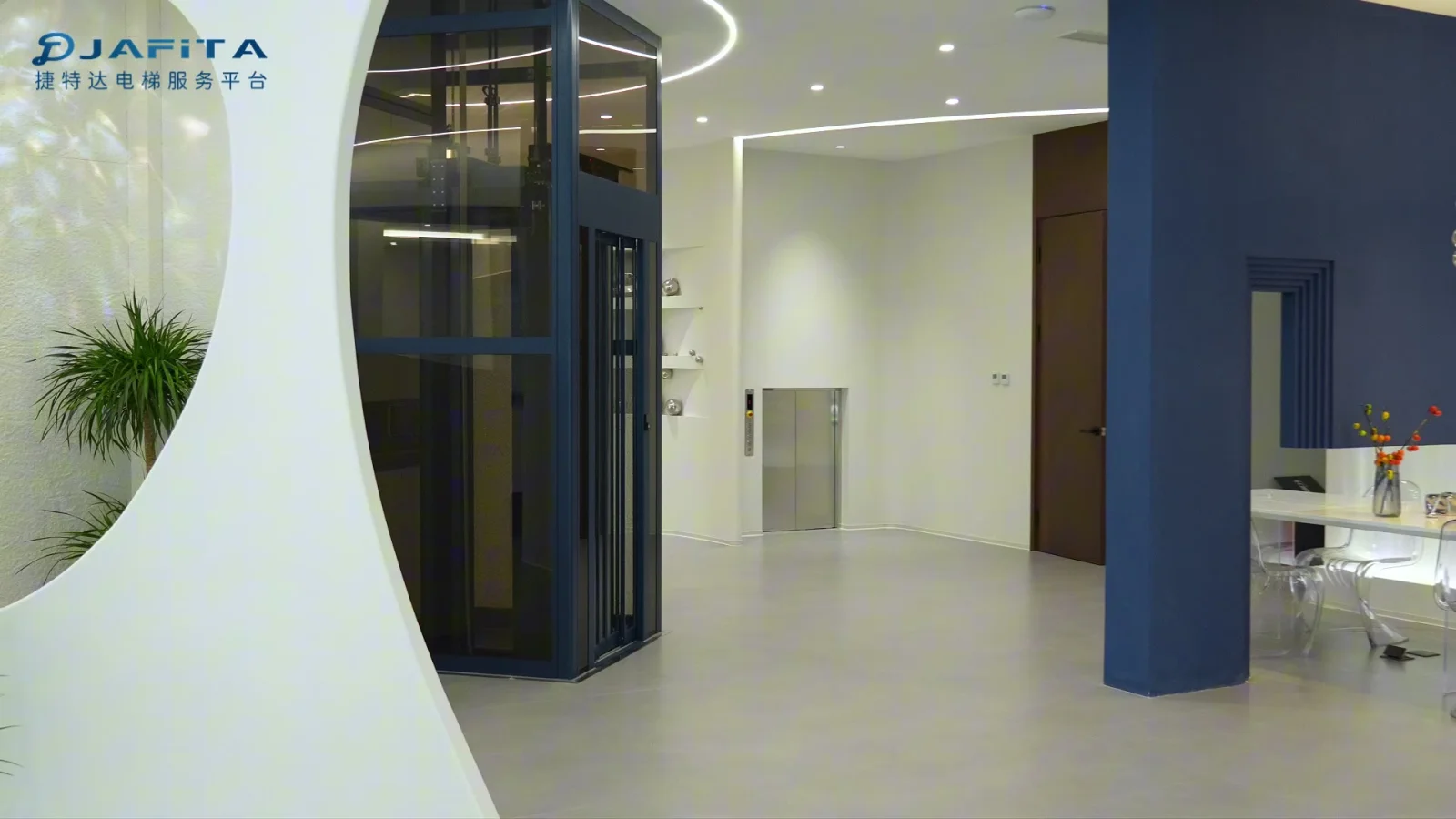
Blue framed glass elevator and consultation area in the Beijing showroom, with the original JAFITA watermark
Still from the original Beijing showroom tour
Technician in a Jieteda uniform assembling an elevator door lock and electrical contacts at a workbench
Door-lock assembly · Company material

Company evidence and practical buying tasks

Buyer Guidance on JAFITALIFT

The two JAFITA websites have separate editorial roles:

  • jafita.com is the corporate source for company identity, history, capabilities, official documents, projects, partnerships and news.
  • jafitalift.com helps buyers carry out procurement and technical tasks through product guidance, solution pages, checklists and enquiry routes.

Useful next steps include:

Contextual links connect the company evidence on this site with the buyer task on JAFITALIFT without duplicating the same article.

An open blank notebook with a pencil, phone, glasses and laptop on a white desk
Prepare the next question · Illustrative context

Using the resource library

Frequently Asked Questions

Black-and-white close-up of hands typing on a laptop beside handwritten notes
A specific document question · Illustrative context

Can I use a public product brochure as the final project specification?

No. A brochure helps with early product screening. Final configuration, dimensions, interfaces, finishes, documents and commercial scope should be confirmed in project-specific records.

Why are some manuals not available as public downloads?

Manuals can differ by product, control system, door equipment, electrical configuration and revision. Matching the file to the supplied equipment is safer than offering one generic manual for every project.

Can JAFITA send certificates for supplier approval?

Yes, subject to the requested document and its appropriate use. Send the procurement checklist, project country and product category so company and product evidence are not mixed.

How do I know whether a certificate is current?

Check the legal entity, number, issue and expiry dates, scope and official verification route shown on the certificate. Continued validity may depend on surveillance conditions stated by the issuer.

Where should I look for elevator-selection advice?

Use JAFITALIFT for buyer and specification guidance. Use the official JAFITA site to verify company background, capabilities and controlled resources.

Meeting table beside cabin finish displays in the Beijing showroom
A place to compare information · Beijing showroom

Find the Resource That Matches Your Decision

Start with the type of decision you need to make, then request the document with enough project or equipment identity to confirm its scope.

Content reviewed: September 2026