Read a Project Reference for What It Actually Proves
A project photograph can show where an elevator company has worked. It cannot, by itself, tell you which equipment was supplied, how many units were involved, which technical standard applied, or who was responsible for installation and maintenance. JAFITA presents project references with that distinction in mind.
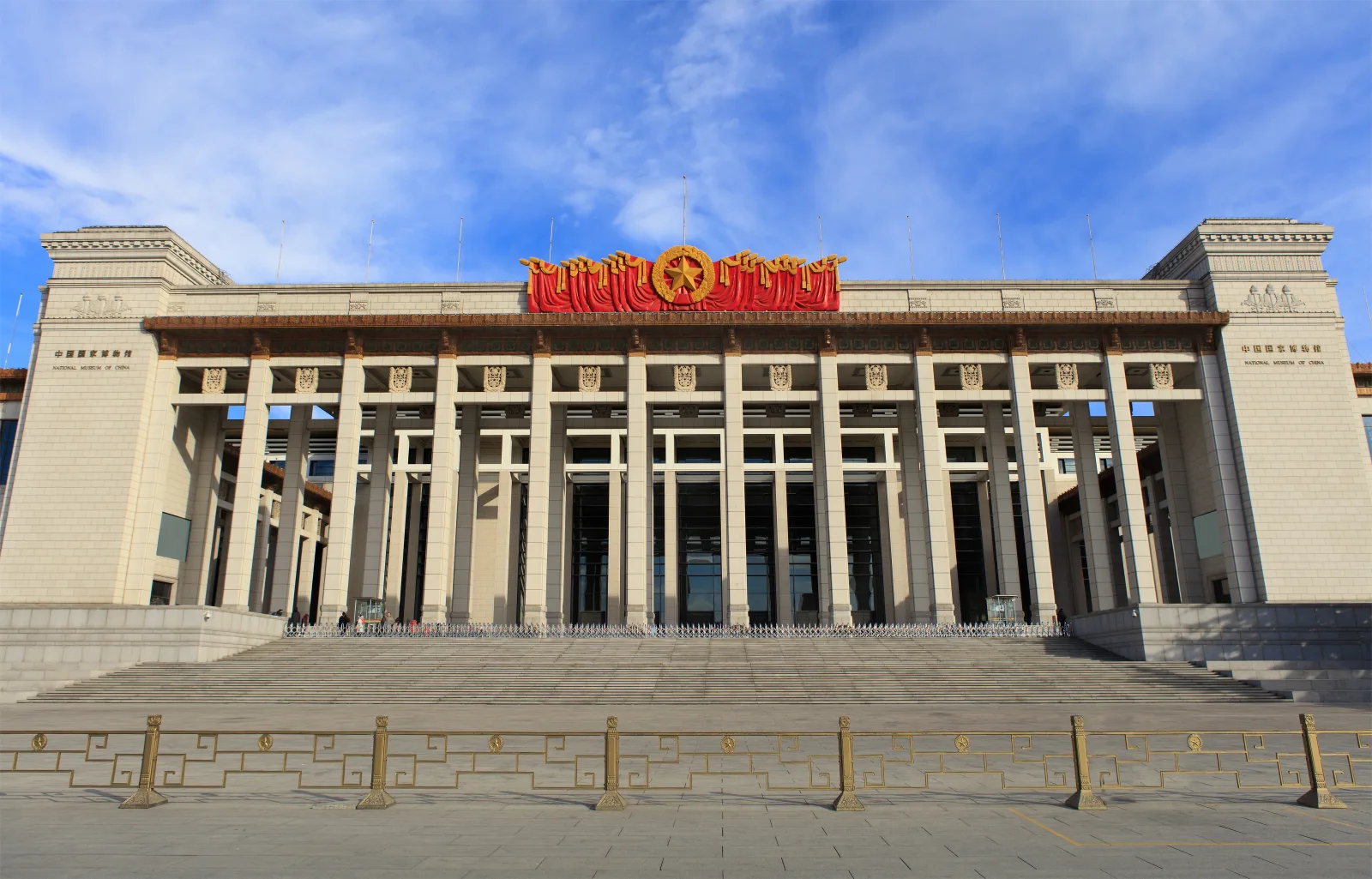
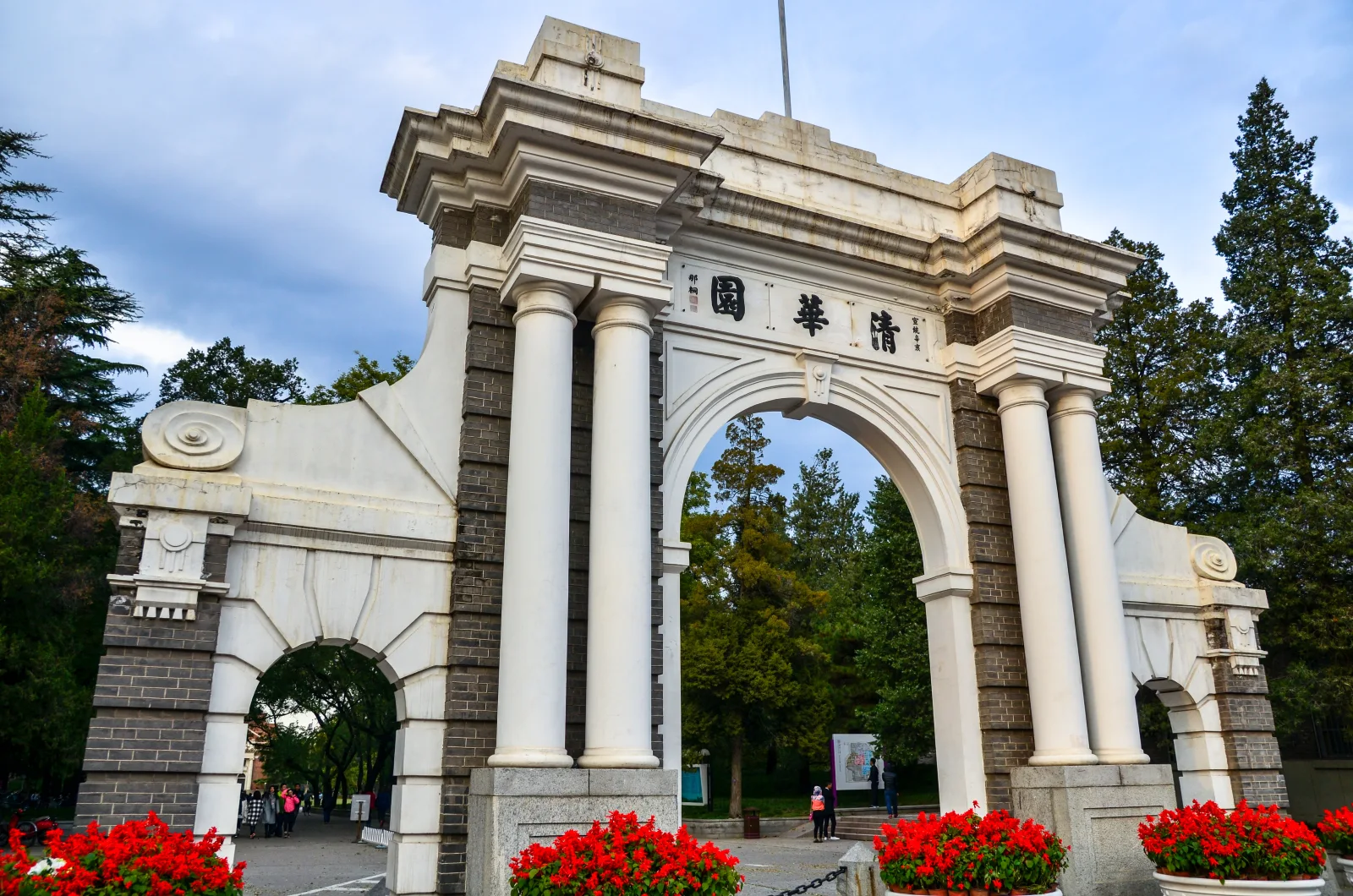
Our current company portfolio records work associated with transport facilities, universities, public buildings, hotels, commercial organizations and international locations. It includes names such as Beijing Daxing International Airport, Beijing Capital International Airport, Beijing West Railway Station, the National Museum of China, Peking University, Tsinghua University and the University of Liberia. These references demonstrate the range of environments in which the company has participated. Where the available record does not state equipment quantity, model or exact supply scope, we do not infer those details.
This approach gives project owners, consultants, contractors and elevator companies a more useful basis for evaluation: the building, the operating problem, the equipment category and JAFITA’s documented role should be considered together.
Beijing West Railway Station · Venue image from the company brochure archive
The published reference environments
What JAFITA’s Published Portfolio Confirms
JAFITA’s company materials currently identify the following reference environments. The list is evidence of portfolio breadth; it is not a substitute for a case-specific equipment schedule.
National Museum of China · Company brochure archiveTsinghua University · Company brochure archivePeking University · Company brochure archive
Application
References shown in current JAFITA materials
What can be stated responsibly
Airports and transport
Beijing Daxing International Airport, Beijing Capital International Airport, Beijing West Railway Station
Participation in transport-related project environments is documented. The public brochure does not assign equipment quantities, models or scope to every reference.
Education
Peking University, Tsinghua University, University of Liberia
Education-sector references are documented. Technical schedules are not published for each reference.
Culture and public facilities
National Museum of China, Chairman Mao Memorial Hall, Shanghai World Expo and Beijing Winter Olympics-related venues
Public and cultural references appear in the company portfolio. A reference name should not be read as proof of a particular product configuration.
Hospitality
Shangri-La Hotel and Crowne Plaza Hotel
Hotel references are shown. Guest-lift, service-lift and other equipment scope must be confirmed from the project record.
Commercial and corporate
Adidas Sanlitun, Huawei Group and Youth Daily
Commercial and corporate environments appear in the portfolio. The published materials do not provide a unit-by-unit schedule.
International
University of Liberia, the Chinese Embassy in Papua New Guinea and Champs-Elysees, France
International references are shown in the portfolio. The company has separately documented export activity since 2008.
The names above come from JAFITA’s current company brochure. They should be supported on the published website by the corresponding approved brochure image, project photograph or internal record. If a customer needs a reference for formal qualification, disclosure depends on what the project owner permits JAFITA to share.
Match the conditions, then the equipment
A Relevant Reference Matches the Operating Problem
Prestige is not the same as relevance. An airport, a hotel and a factory may all use elevators, yet they create very different operating conditions.
An airport reference becomes useful when the new project also involves long operating periods, public traffic, accessibility, passenger circulation and coordination among elevators, escalators or moving walks. A hotel reference becomes useful when guest movement must be separated from housekeeping, food service, luggage and back-of-house traffic. An industrial reference becomes useful when the load dimensions, loading method, concentrated floor load, door opening and duty cycle resemble the new requirement.
Goods, loading method and usable space · Application illustration
When comparing a reference, work through four levels:
Building purpose: What does the building do, and who or what will use the equipment?
Operating demand: What are the traffic peaks, loading method, daily frequency and environmental conditions?
Building interface: What shaft, pit, overhead, entrance, power and access conditions constrain the solution?
Equipment and responsibility: Which product category, configuration and service scope did JAFITA actually provide?
This is why JAFITA’s corporate project archive and the buyer-focused material on JAFITALIFT serve different purposes. The corporate archive records the company and its work. The marketing site helps a buyer analyze a current requirement. For example, an industrial team can use the freight elevator cycle-time worksheet to define the operating problem before asking whether a freight reference is comparable.
Depth follows the available record
Project Evidence Has Different Levels
Not every reference can be published with the same depth. JAFITA uses the following evidence hierarchy to keep claims proportionate to the available record.
National Museum of China · Licensed venue context, not a supply record
Level 1: Portfolio Reference
A project name or approved image appears in company material. This supports the statement that the reference forms part of JAFITA’s portfolio. It does not establish the equipment model, quantity, rated load, speed, installation year or exact contractual role.
Level 2: Verified Project Summary
The project record confirms the location, building application, equipment category and JAFITA’s scope. These facts can support a short case entry, provided publication is permitted.
Level 3: Technical Case Study
The record includes approved technical data, drawings, supply scope, project challenge, configuration decisions, delivery information and photographs. A technical case can explain why the selected solution fitted the building and what JAFITA contributed.
Level 4: Customer-Approved Reference Package
The customer permits identified publication and, where appropriate, reference contact or supporting documents for qualification. This is the strongest form of public evidence, but it cannot be assumed for every project.
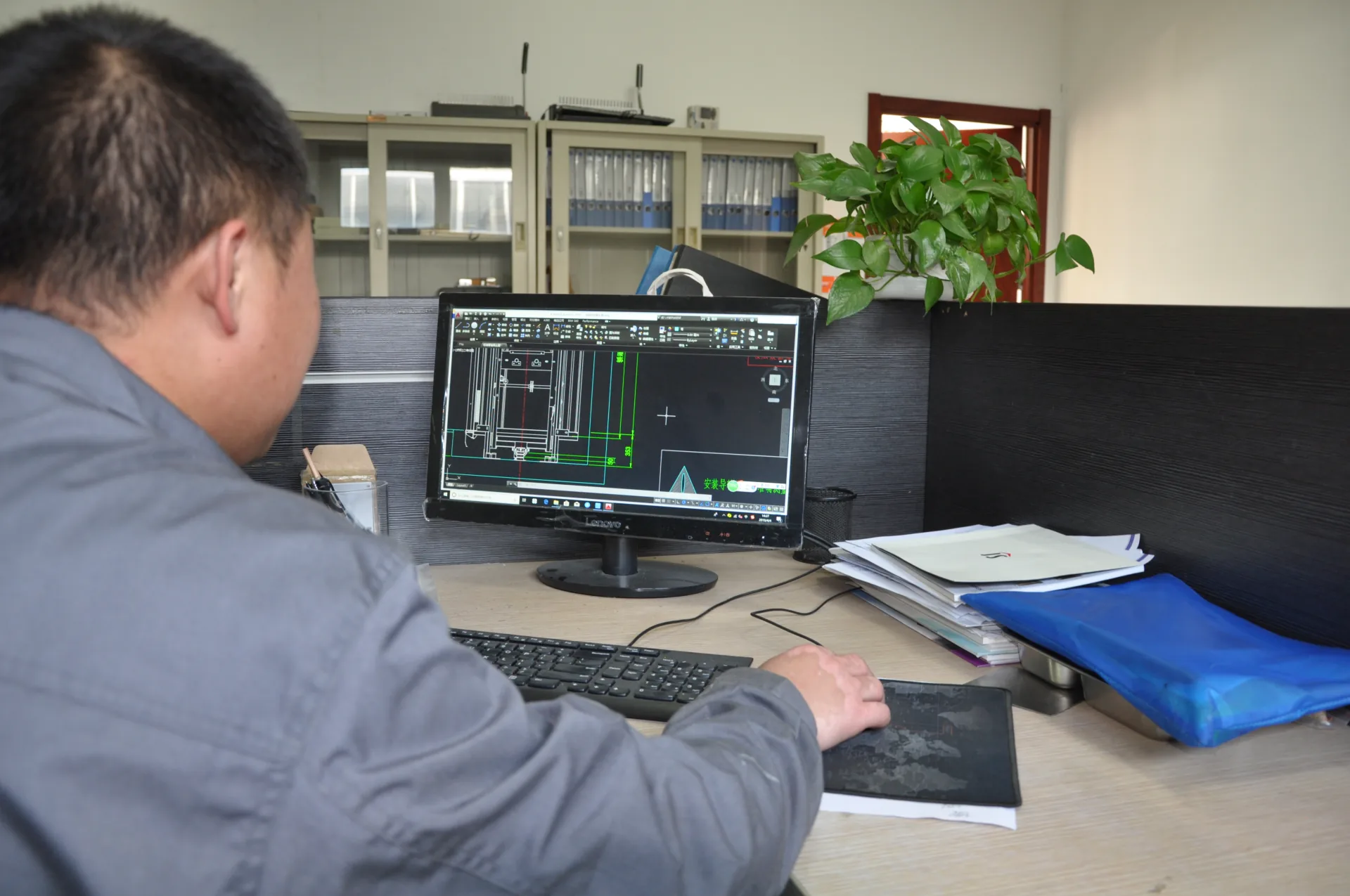
Technical drawing review · Company archive
The website should label each case according to the evidence available instead of filling gaps with generic claims. That makes the archive more credible to buyers and easier for search and AI systems to interpret accurately.
A technical case has a traceable story
What a Full JAFITA Case Study Should Contain
A detailed project page should answer the questions a professional buyer will ask:
Organize identity, decisions and supporting material · Illustrative context
Project identity: approved project name, country or region, building type and completion period.
Operating need: passengers or goods moved, expected traffic or duty, environmental conditions and any unusual constraints.
JAFITA scope: equipment supply, OEM production, component supply, technical coordination, documentation, installation support or another clearly defined role.
Equipment: verified product category, quantity and key configuration fields that are permitted for publication.
Building interface: relevant shaft, entrance, travel, power, structural or access conditions.
Decision process: why the selected configuration addressed the operating need.
Delivery and support: the agreed document, packaging, shipping or technical-support scope.
Evidence: project photographs, drawings or records approved for public use.
If any one of these fields is unavailable, the page can still be useful, but it should not imply more than the record supports. A project name should never be used to manufacture a technical success story after the fact.
Different buildings, different movement
Projects by Application
Home and panoramic forms · Beijing showroom
Residential and Villa Buildings
Residential projects place the elevator close to everyday life. Usable cabin space, entrance position, noise, ride experience, pit and overhead constraints, and the relationship between the lift and the interior can be more important than a long list of optional features. For an existing home, early measurement is particularly important because the structure may already determine what is feasible.
JAFITA’s portfolio and showroom include home and panoramic elevator directions, but a new home project should be evaluated from its actual floor arrangement and available space. Review the home elevator buyer guidance ↗ when preparing the first brief.
Passenger circulation · Application illustration
Commercial and Hospitality Buildings
Offices, retail properties and hotels often contain several movement patterns. Public passengers, staff, luggage, housekeeping carts, food and goods may need different equipment or separated routes. A relevant case should therefore show more than a finished lobby; it should connect the equipment with the traffic function it serves.
JAFITA’s portfolio includes commercial and hotel references. Detailed comparisons should use verified traffic, service and building information rather than treating every commercial project as equivalent.
Industrial selection starts with the load. Its weight, dimensions, loading device, wheel contact, route, required door opening, turning space and movement frequency affect the elevator configuration. This field is closely connected to JAFITA’s documented freight-elevator manufacturing and OEM background.
For a useful comparison, record one complete operating cycle rather than considering rated speed alone. JAFITALIFT’s freight elevator throughput method explains how door time, loading, unloading and queuing affect real movement capacity.
Healthcare Buildings
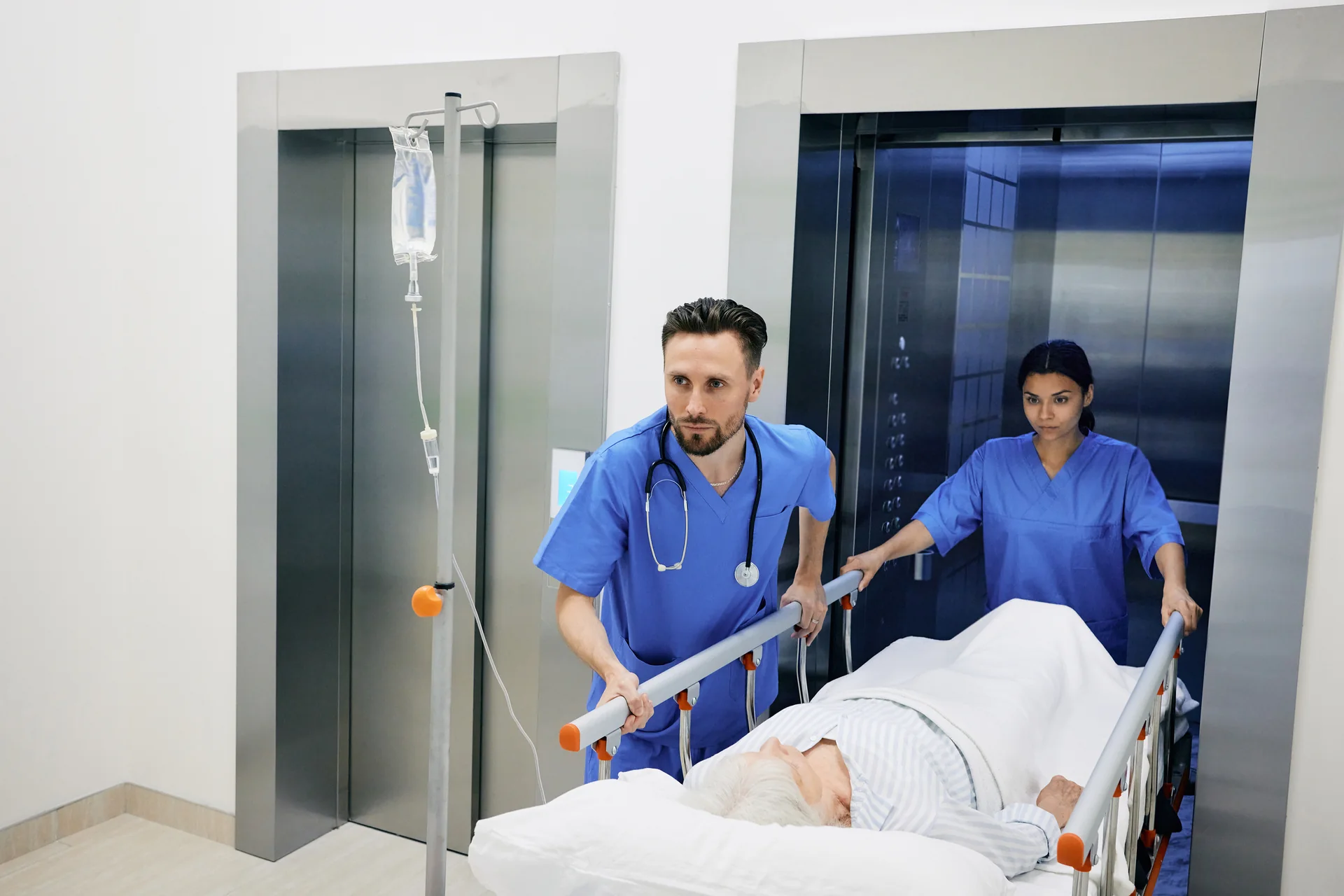
Healthcare projects may need to move beds, stretchers, patients, staff, carts and clinical equipment. Clear entrance width, usable cabin dimensions, leveling, operating priority and service separation must be reviewed against the actual facility. JAFITA’s portfolio includes medical elevator products, but no general product statement should be converted into a hospital case without project records.
Bed movement and clear entrance space · Application illustration
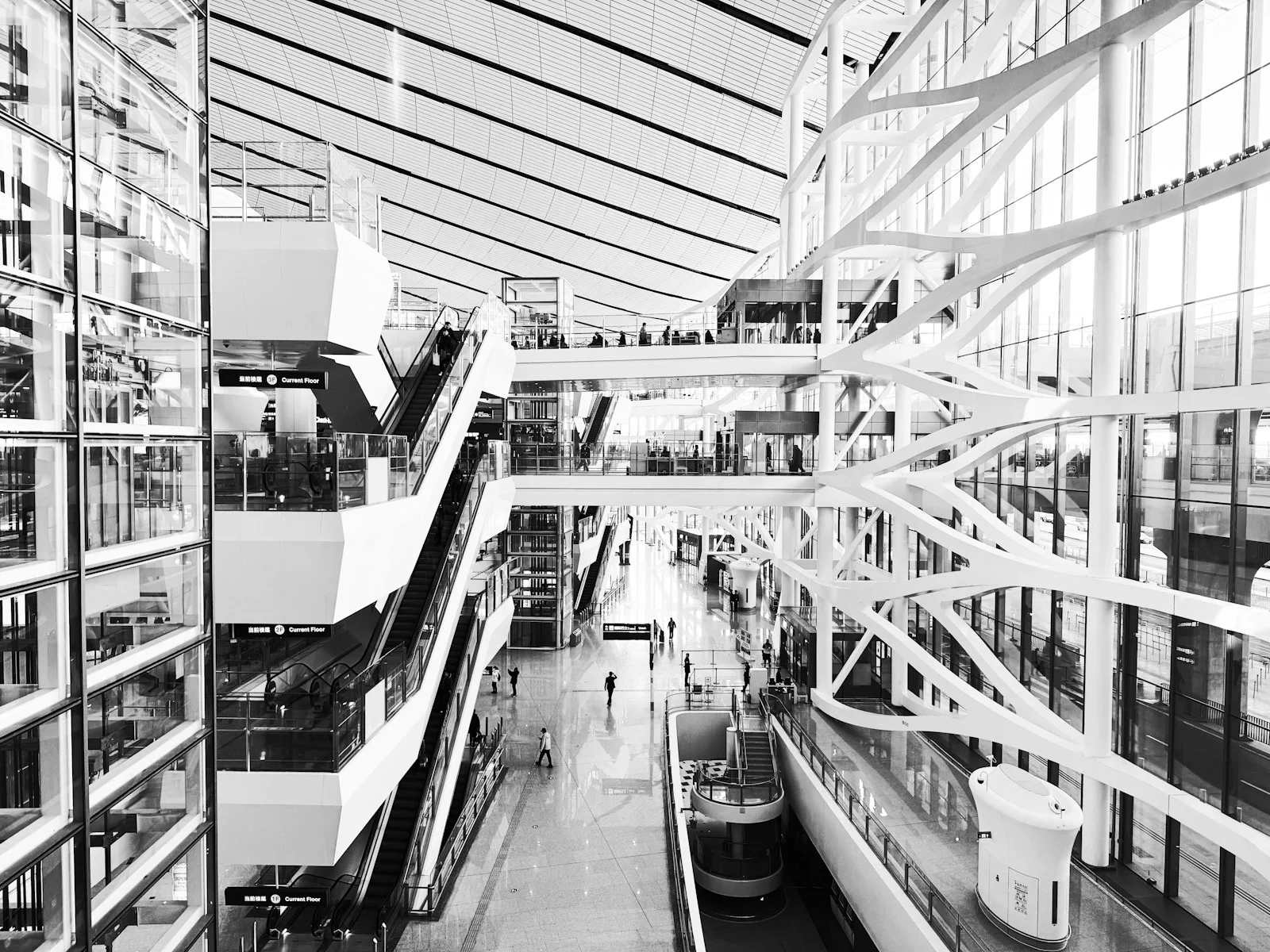
Beijing Daxing Airport · Licensed venue context; equipment supply is not identified
Transport and Public Infrastructure
Airports and railway stations combine public safety, accessibility, long operating periods and coordination with the wider passenger route. The JAFITA portfolio shows experience in transport environments, including Beijing Daxing International Airport, Beijing Capital International Airport and Beijing West Railway Station. Each name establishes a reference environment; case-level claims require case-level evidence.
Education environment · Company brochure archive
Education, Cultural and Government Facilities
Campuses, museums and public buildings can mix public access, staff traffic, accessibility, service movement and event peaks. JAFITA’s published references in this group demonstrate exposure to these settings. Procurement teams should still verify supplier qualifications, product documentation and the exact role performed on any reference used in formal evaluation.
Turn a reference into a relevant enquiry
How We Review a New Project
The first review does not require a finished specification. It does require enough information to identify the movement problem and the building constraints.
Start with:
Start with the building and its known constraints
Project country and city
Building type and current design stage
Required elevator, escalator or moving-walk category
Quantity and number of served floors
Expected users, goods or vehicles
Rated load and speed, if already specified
Travel, stops and entrance arrangement
Available shaft, pit and overhead information
Site power and environmental conditions, where known
Required standards, documents and procurement milestones
Requested JAFITA scope, including delivery and support
JAFITA then distinguishes confirmed data from assumptions, identifies missing decisions and connects the enquiry with the relevant product and supply route. Technical and commercial conditions are confirmed for the actual project; a previous reference does not automatically transfer its configuration to a new building.
Keep the project and source connected · Company archive
Can JAFITA provide the equipment quantity and model for every published reference?
Not from the public brochure alone. Some project records may contain more detail, but publication depends on record completeness and customer permission. Where the public source identifies only a project name or image, JAFITA should state only that level of evidence.
Does a landmark project prove that JAFITA can supply my project?
It proves relevant company experience only to the extent documented. Technical suitability still depends on your application, building interface, required standards, product configuration and the scope JAFITA will perform.
How can I request a comparable reference?
Send your building type, country, equipment category, main operating requirement and any unusual constraints. JAFITA can then look for a reference with a comparable technical context rather than simply returning the best-known name.
Can a project owner request confidential references?
Potentially, subject to the underlying customer’s permission and the information available. Confidential documents, contacts or contractual details are not released automatically.
Why are some project pages shorter than others?
Evidence depth varies. A short, accurately scoped reference is more reliable than a detailed narrative built from assumptions. Pages can be expanded when verified records and publication rights become available.
A project discussion in the Beijing showroom
Discuss a Project with Evidence in Mind
Tell us what the building must move, how it will operate and what role you expect JAFITA to perform. We will use those facts to guide the product and project discussion, and we will describe relevant experience within the limits of the available record.